Chateau, Gardens and Surprises in the Loire
After spending time in the Loire Valley last year including some research, Philip and I decided it was a wonderful region to satisfy our appetite for gardens, food and wine—all set within the classic French landscape of charming villages, an abundance of magnificent châteaux with compelling histories, and a fascinating range of wine appellations.
We chose Tours as our base. The temperatures have dropped a bit and our decision to stay at the beautifully restored Les Trésorières Hotel proved to be an excellent one, despite the occasionally frustrating Wi-Fi in the hotel. We also have a new bus driver, Aimad, and we quickly came to appreciate his smooth, calm style of driving similar to Daniele in Italy.
Our dinner bookings have all been within a ten-minute walk of the hotel and with one very gorgeous restaurant directly across the road.
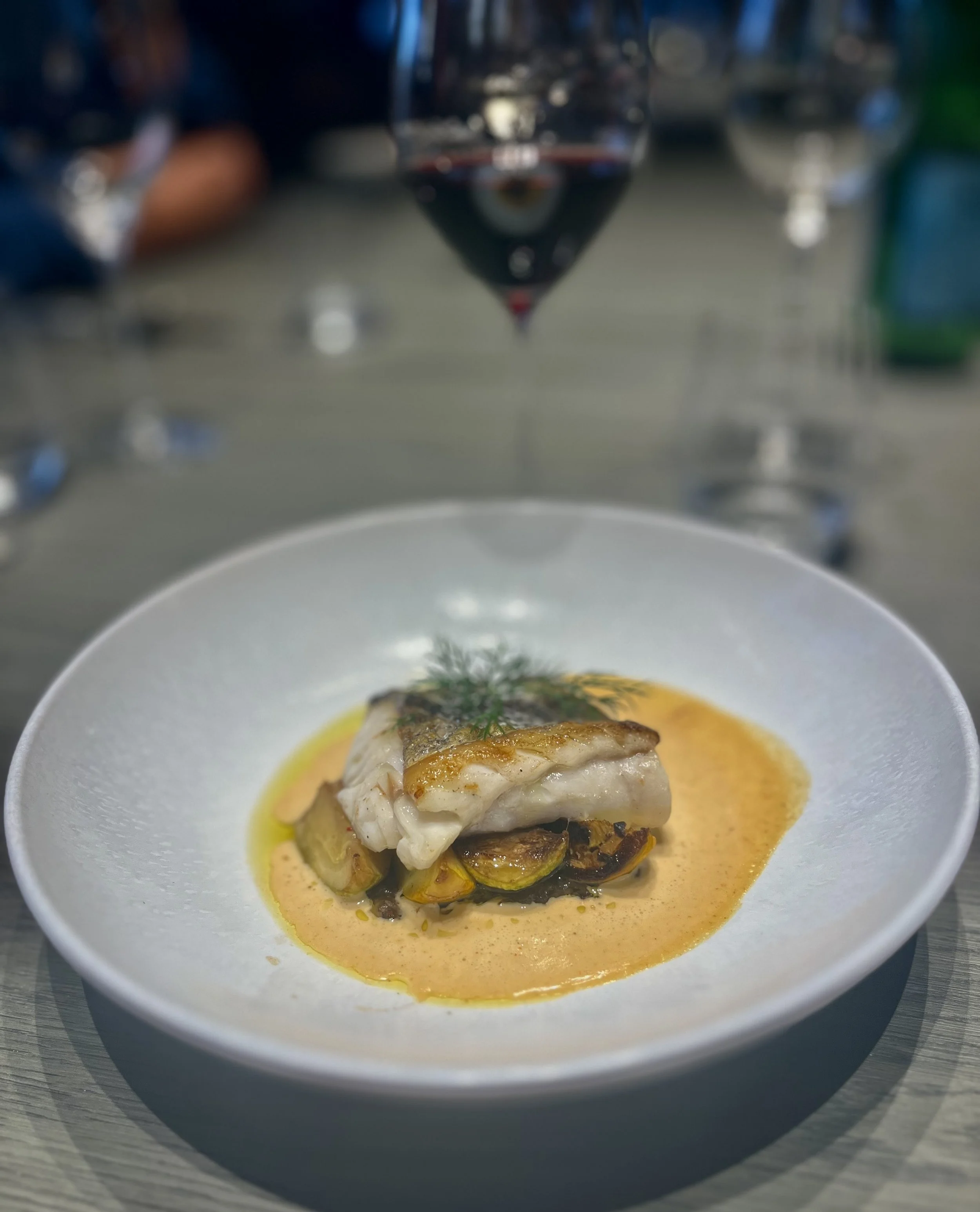
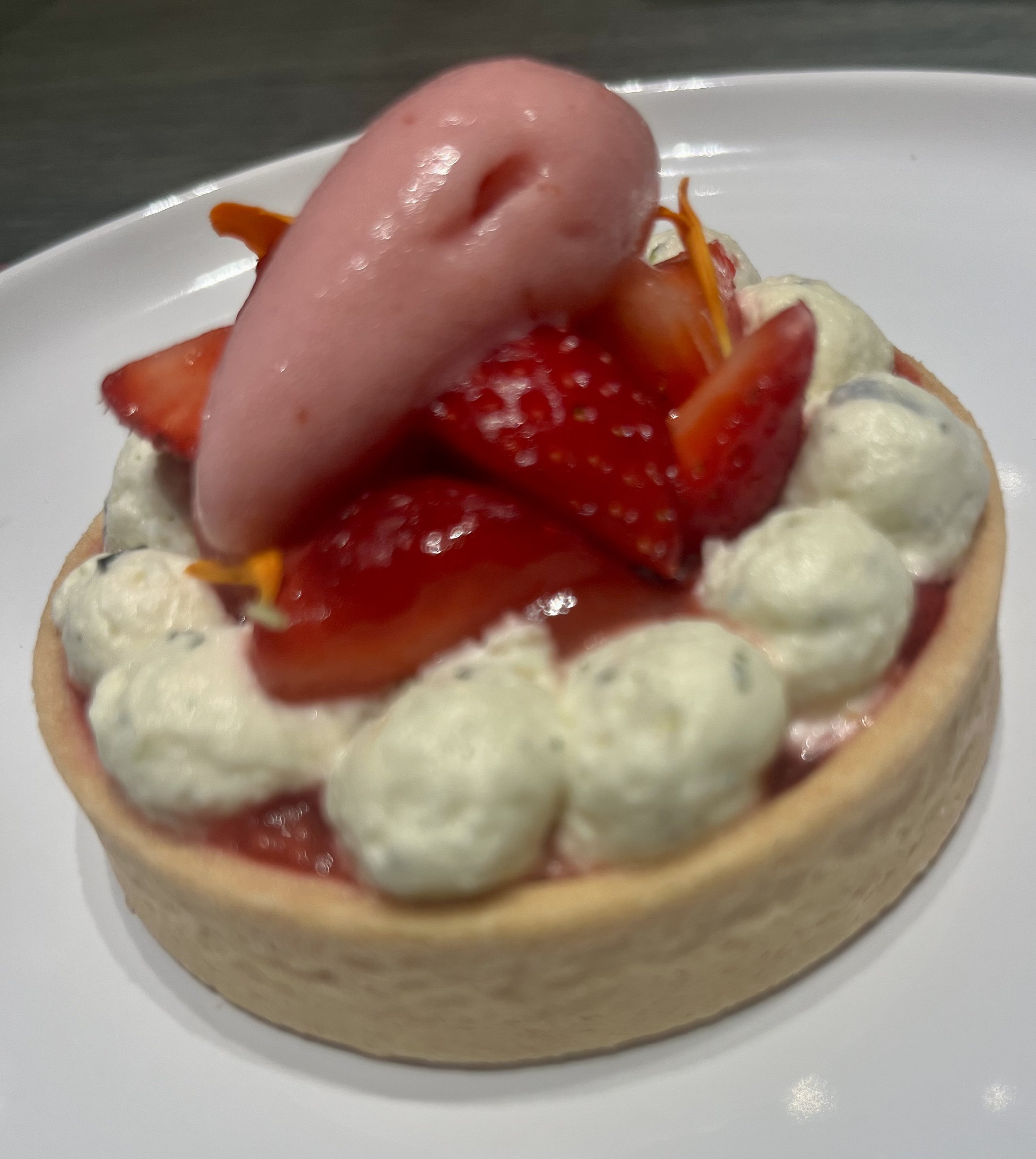
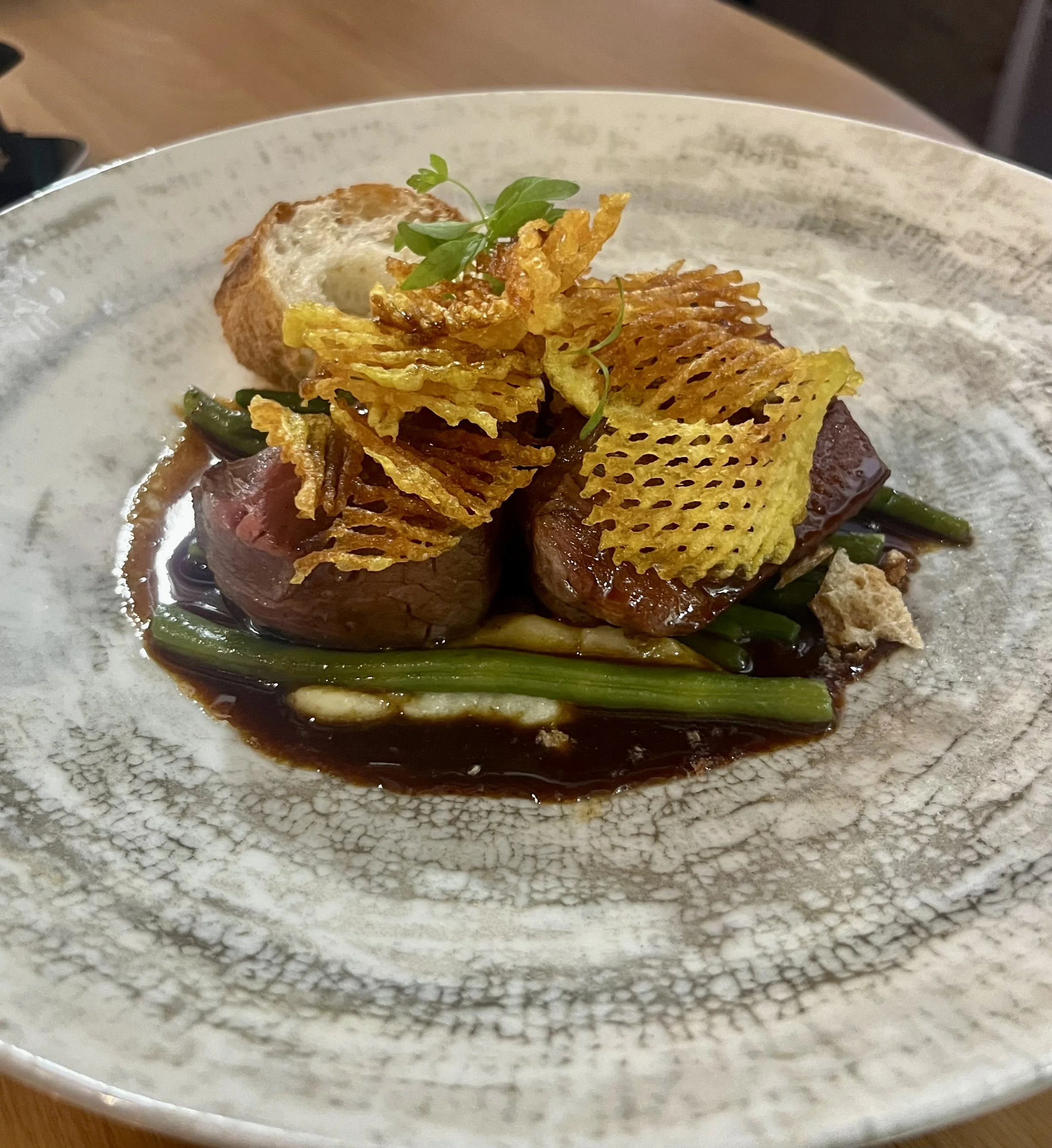
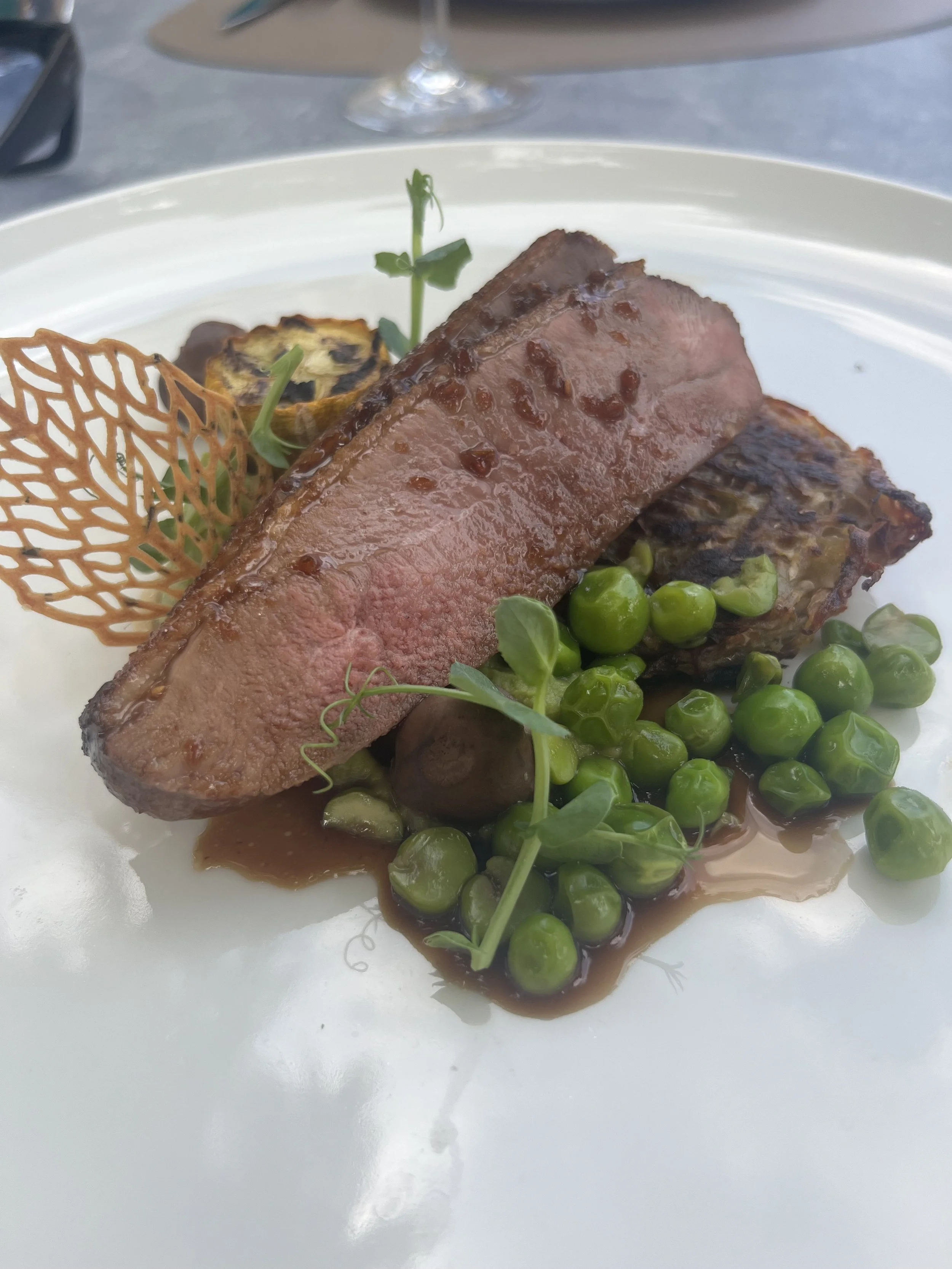
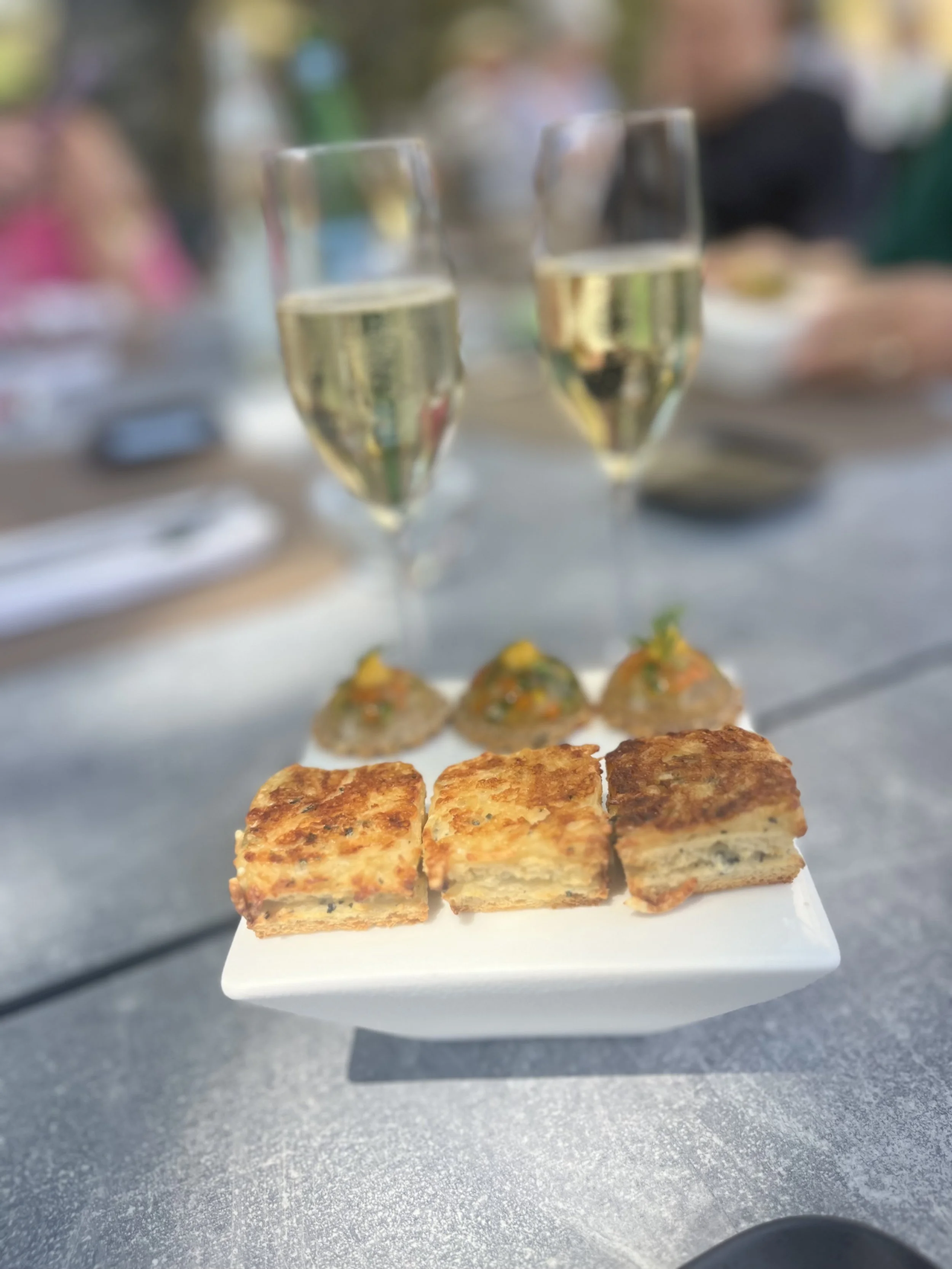
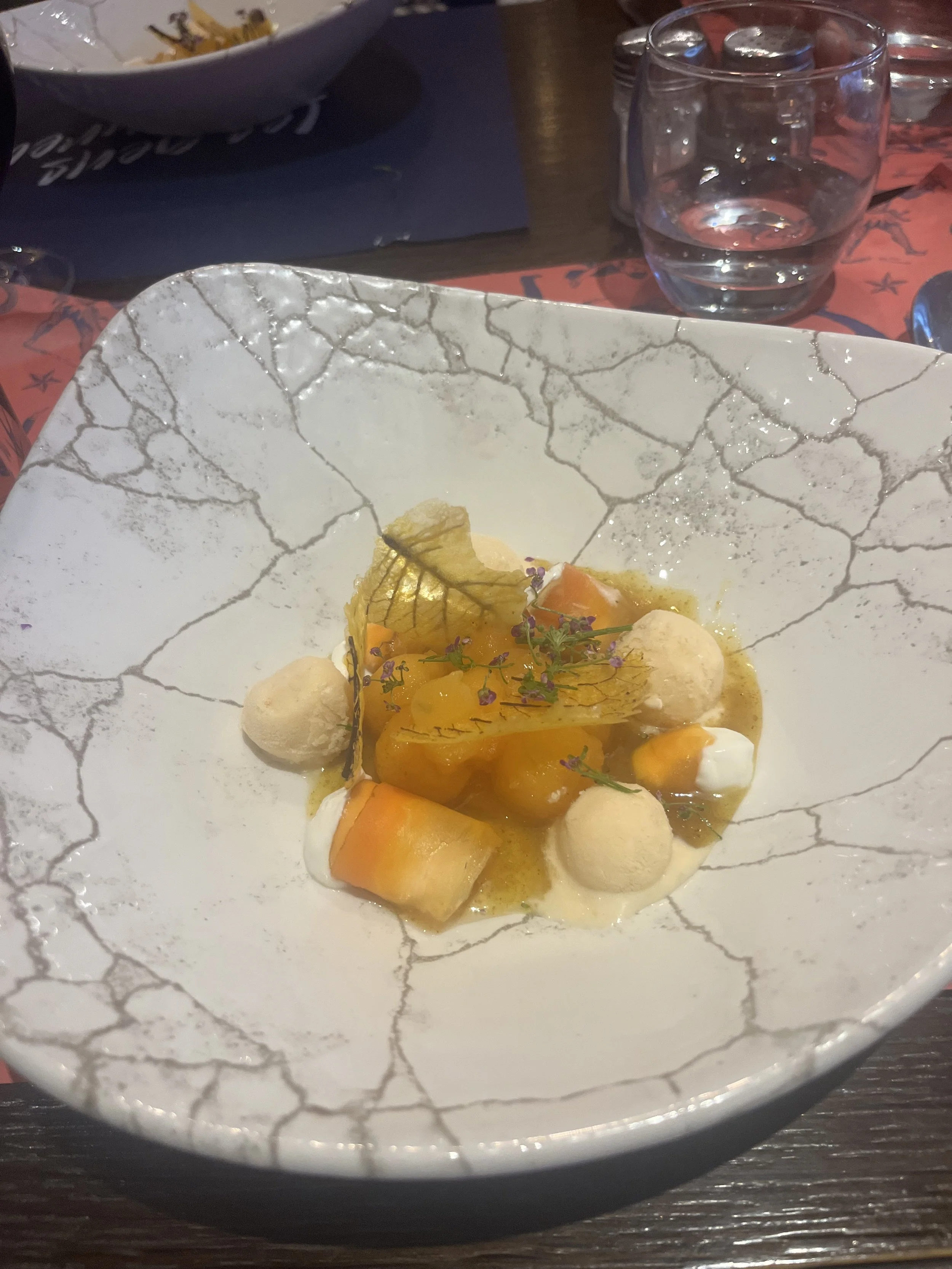
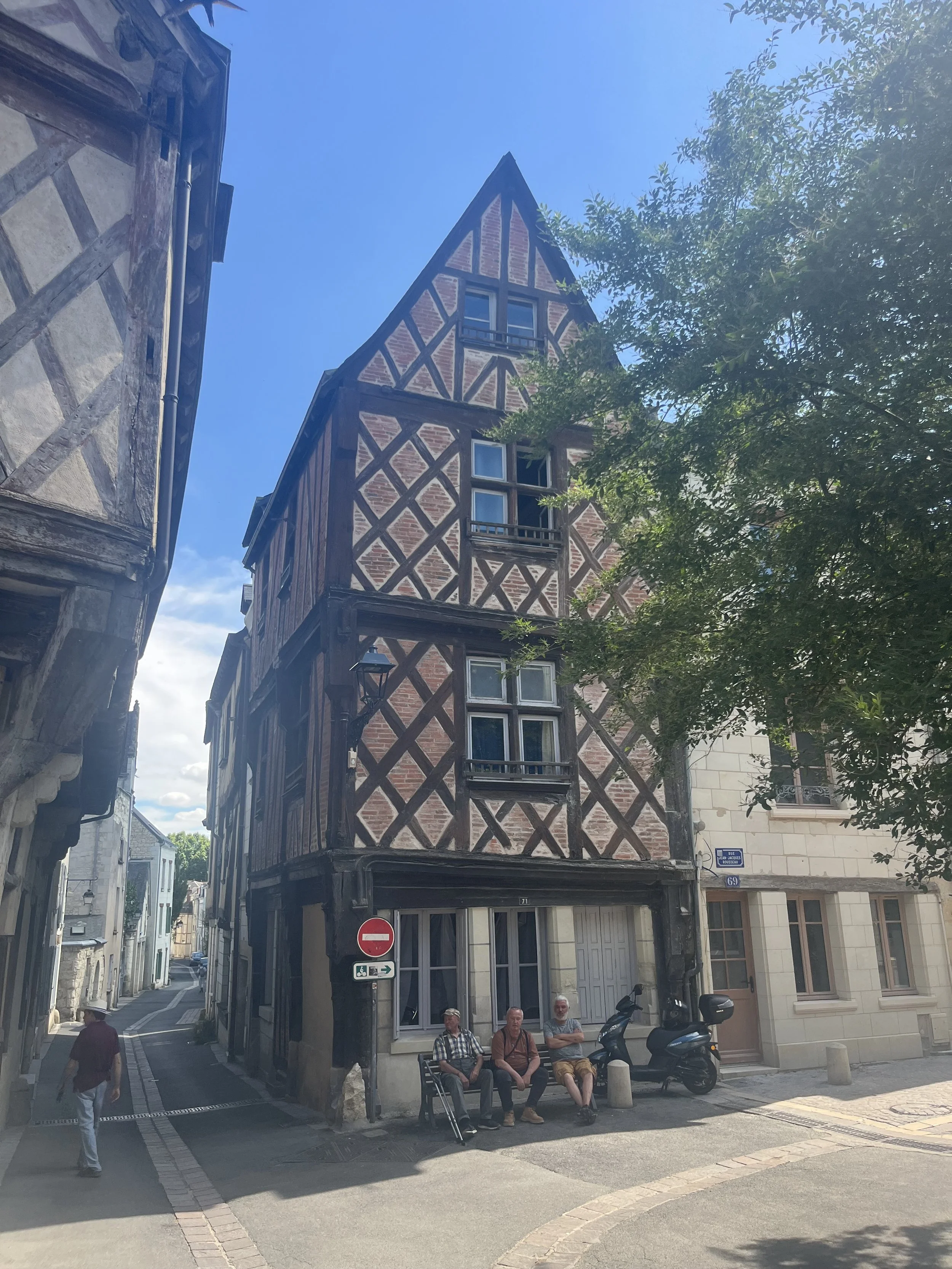
The medieval heart of the city is only a few blocks away and is packed with bars and restaurants, alive with diners and the many students from the nearby university, creating a lively and vibrant atmosphere. Itʼs so wonderful to see resdents out and about at night obviously enjoying each others company.
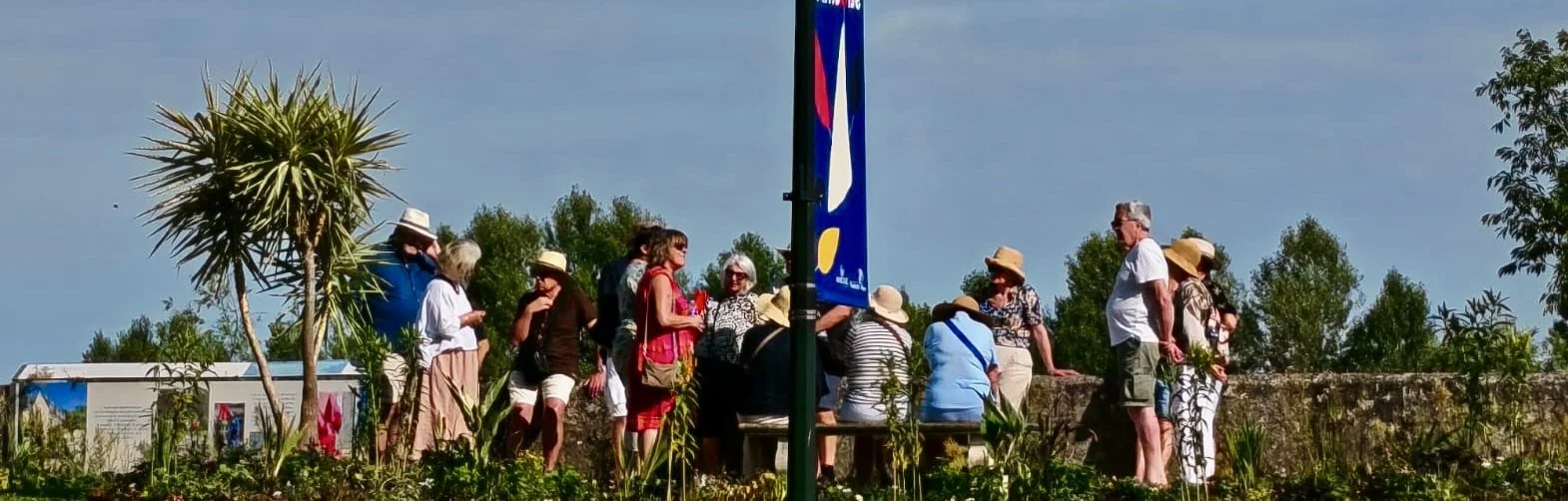
On two mornings we were fortunate to have Ann-Sophie, a local guide, who led walking tours in both Tours and Amboise. We liked her immediately. Rather than constantly talking while we stood in one place, often in the heat as with some guides —she would sit us down in the shade and tell fascinating historical stories. She was empathetic anc could read her group. There are many guides that should adopt this approach.
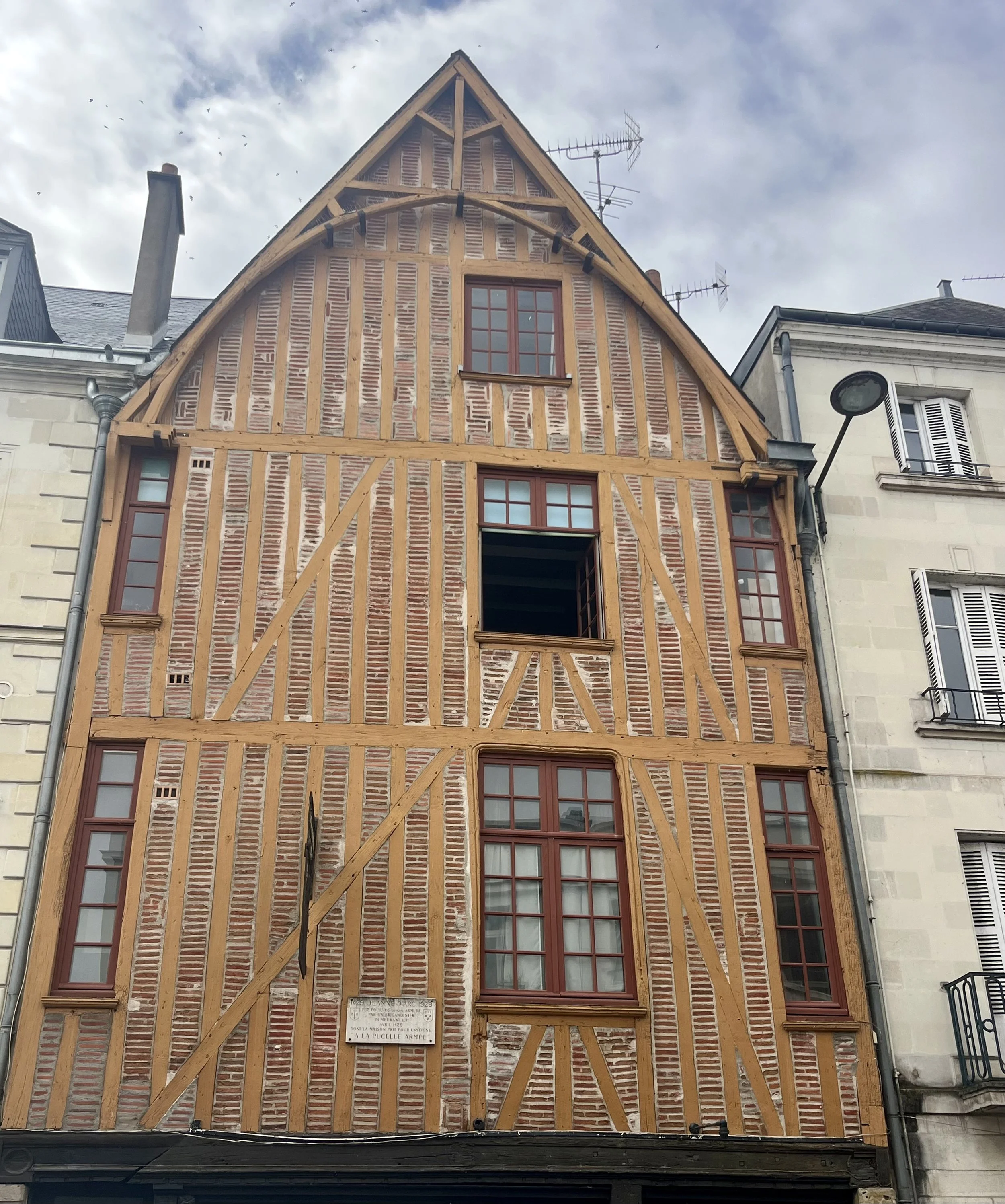
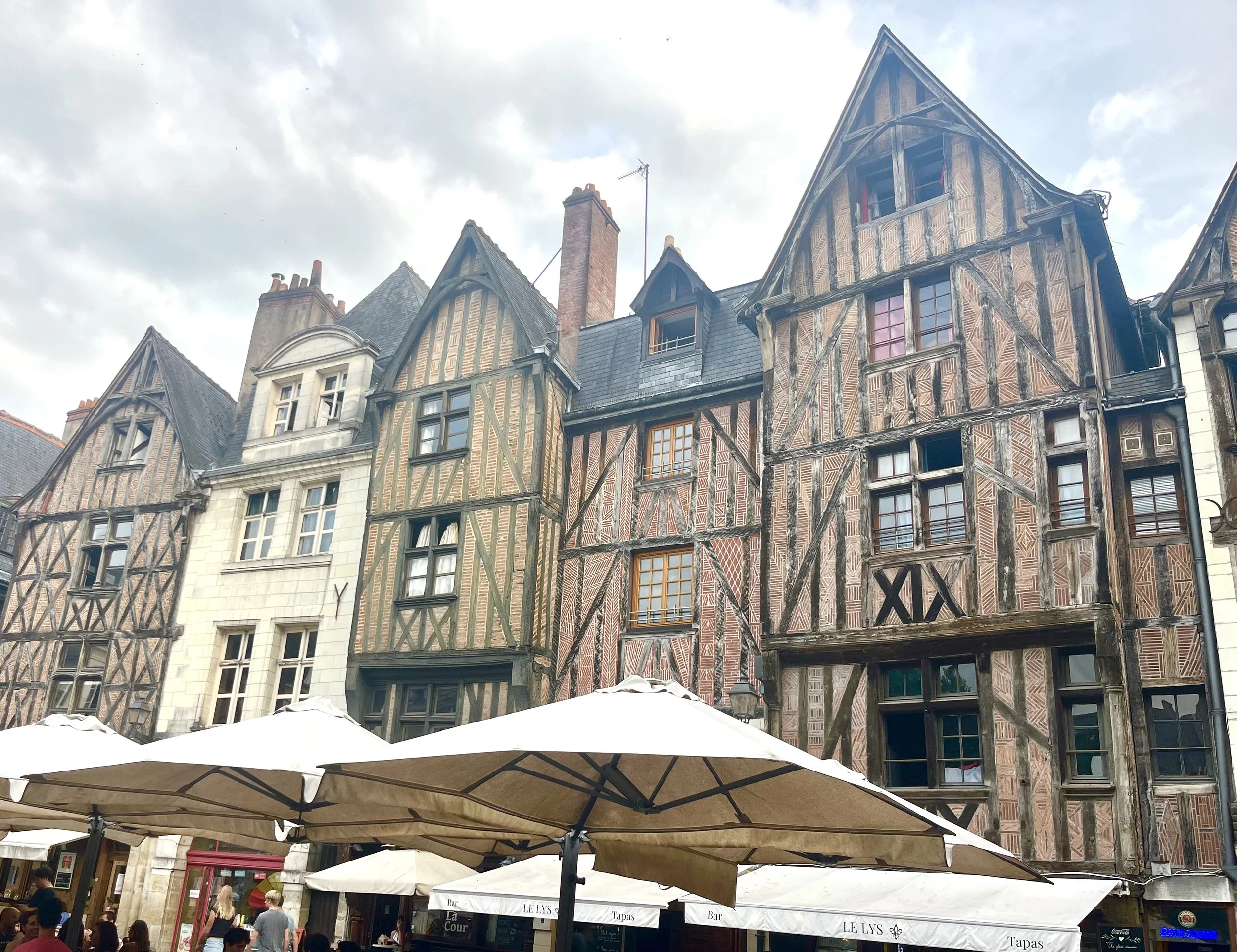
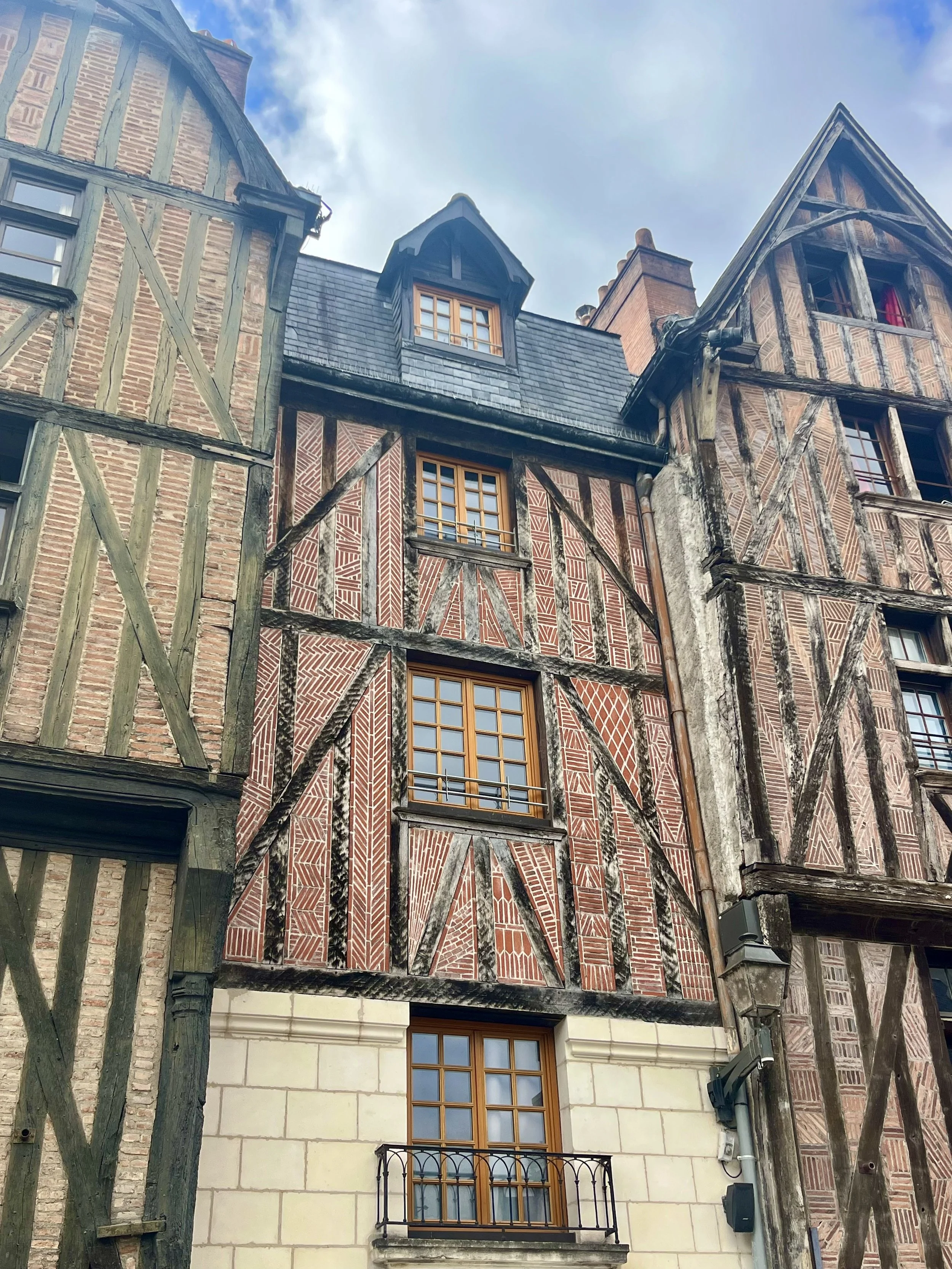
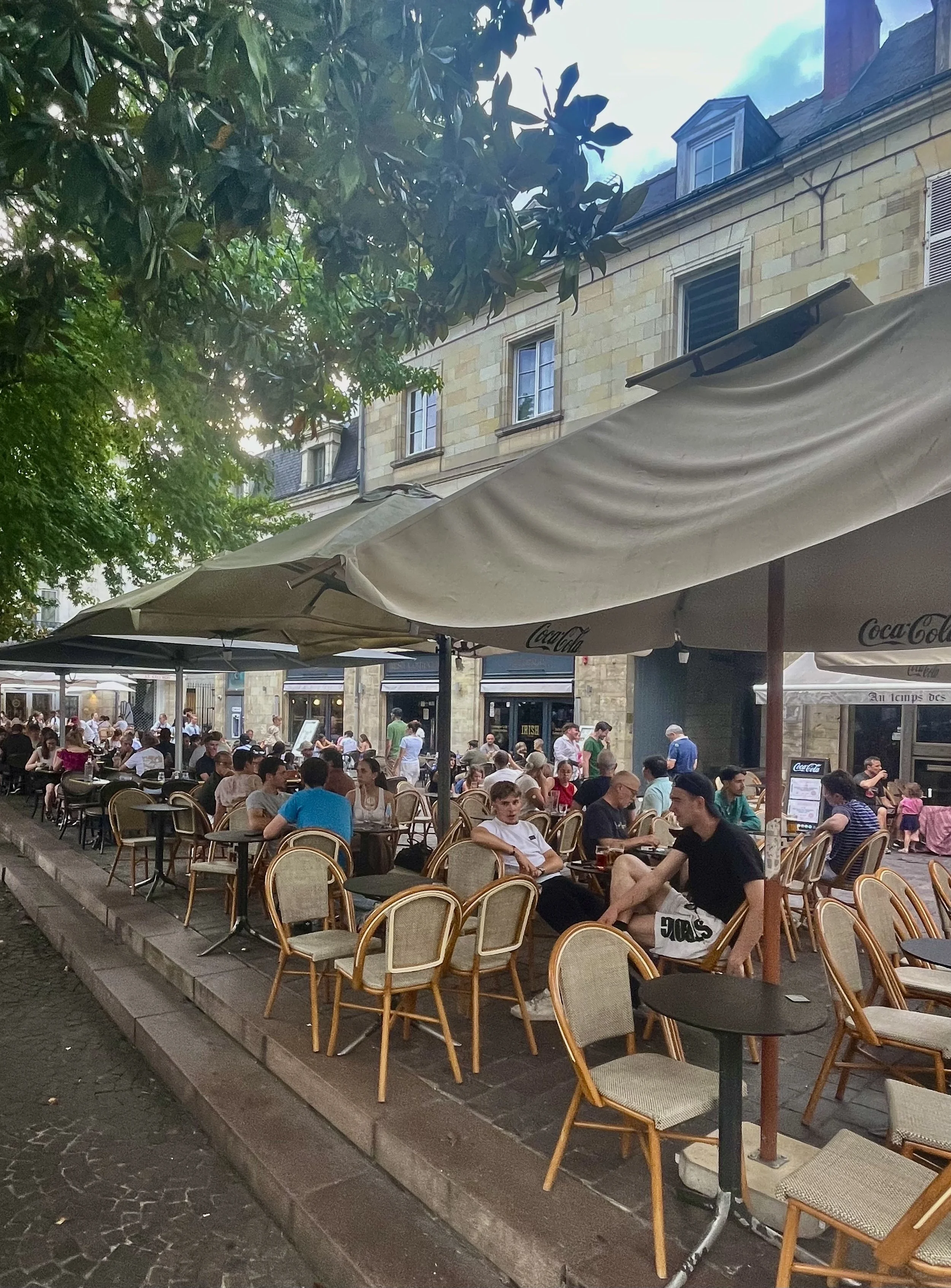
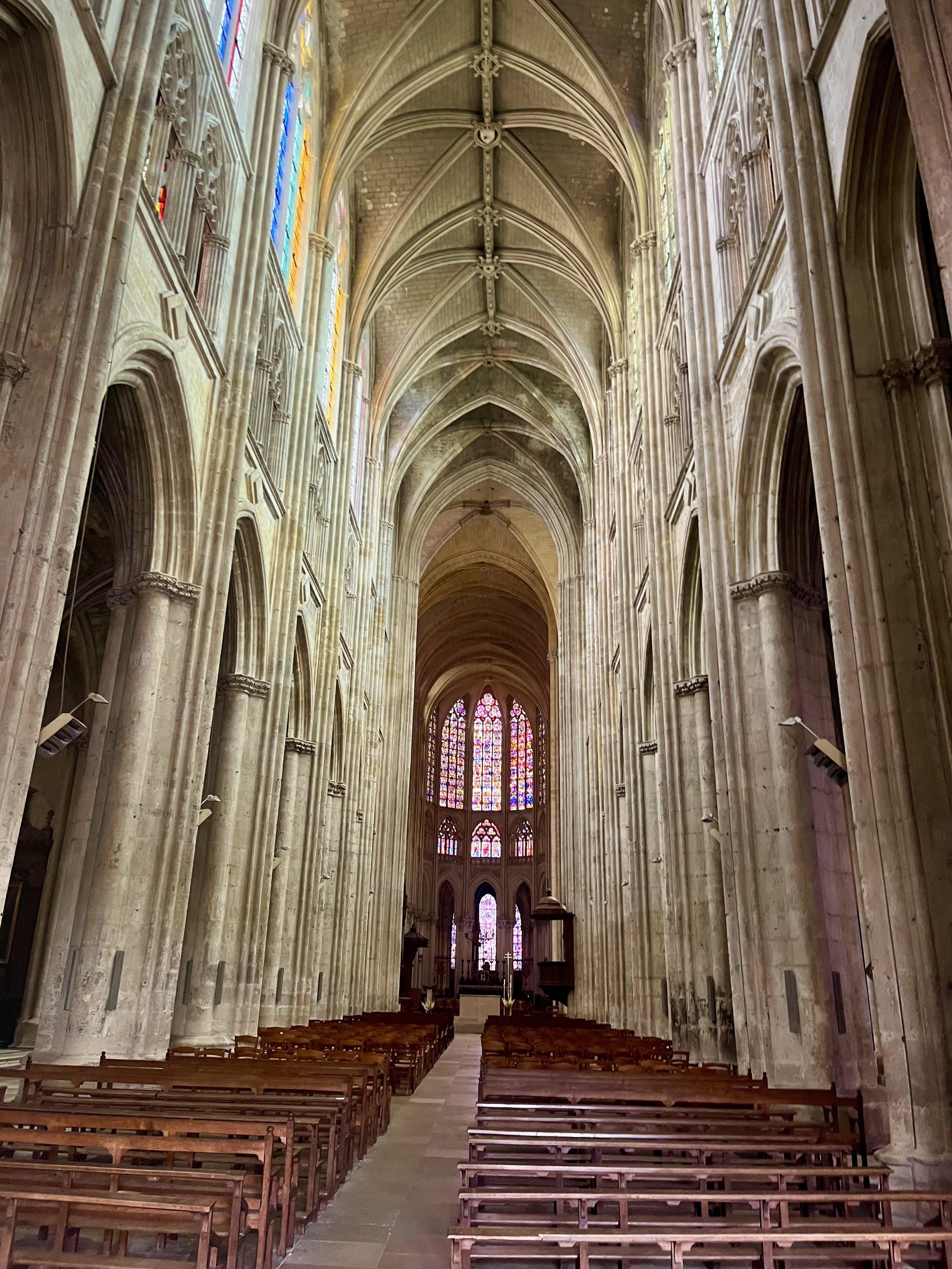
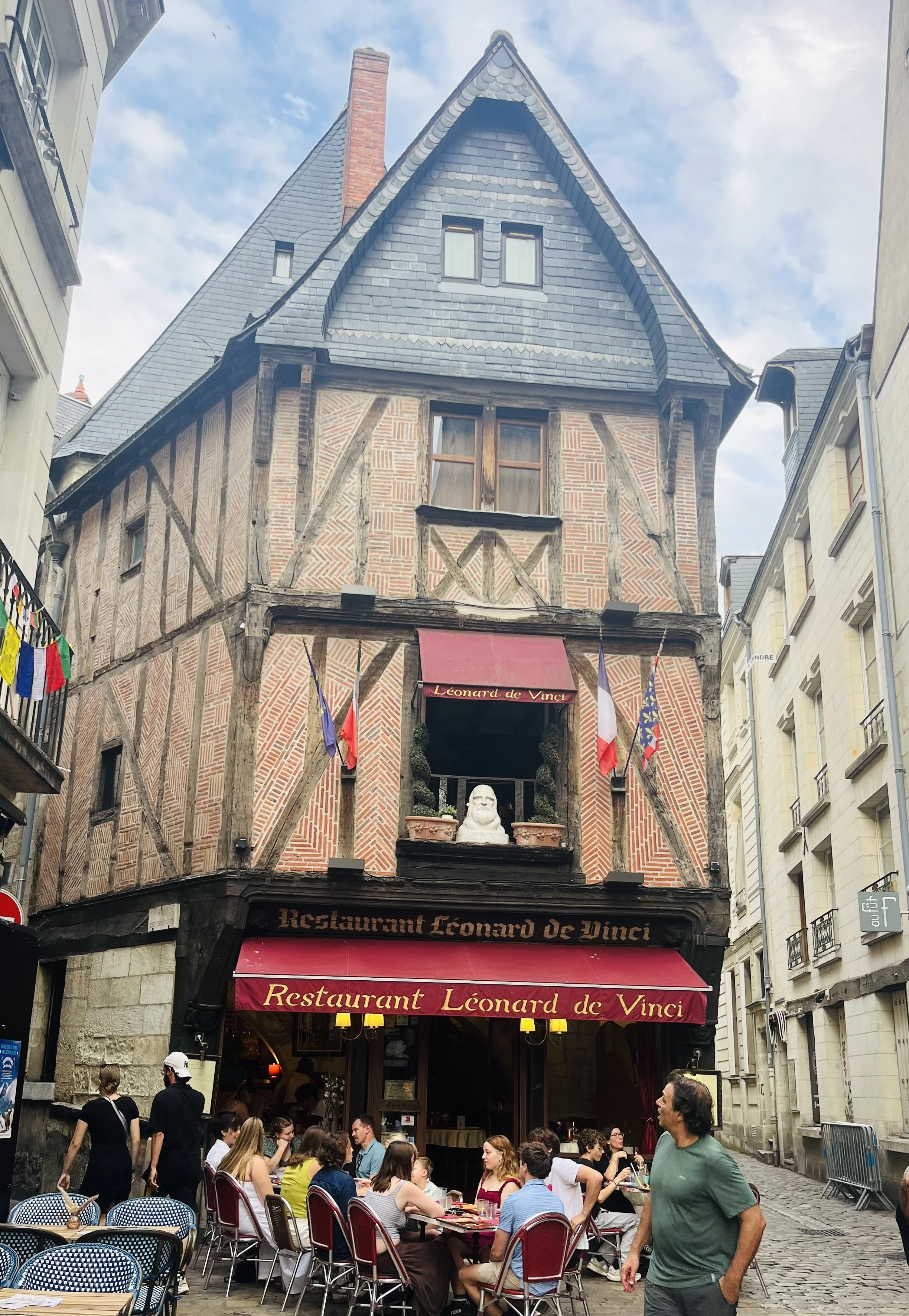
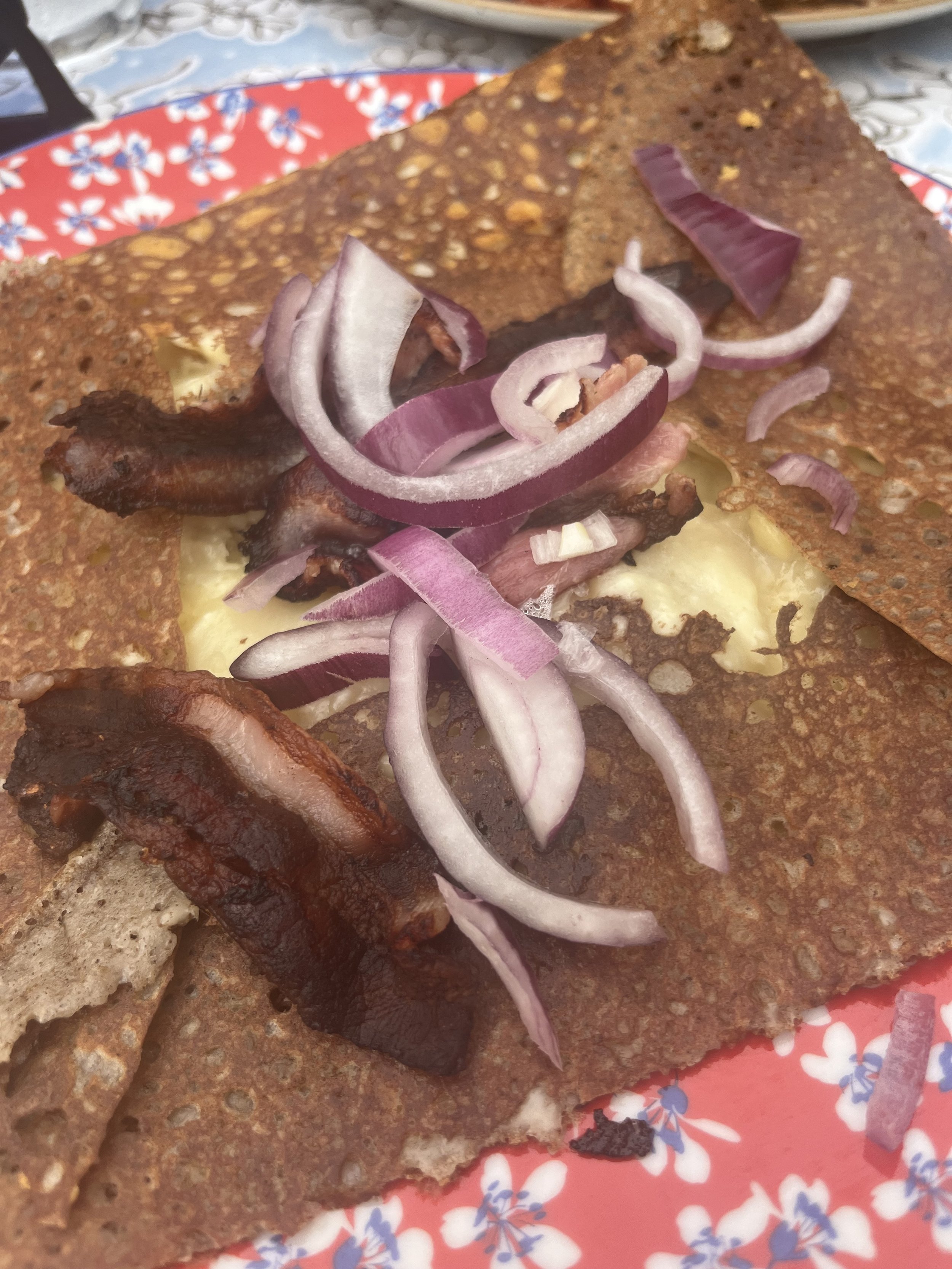
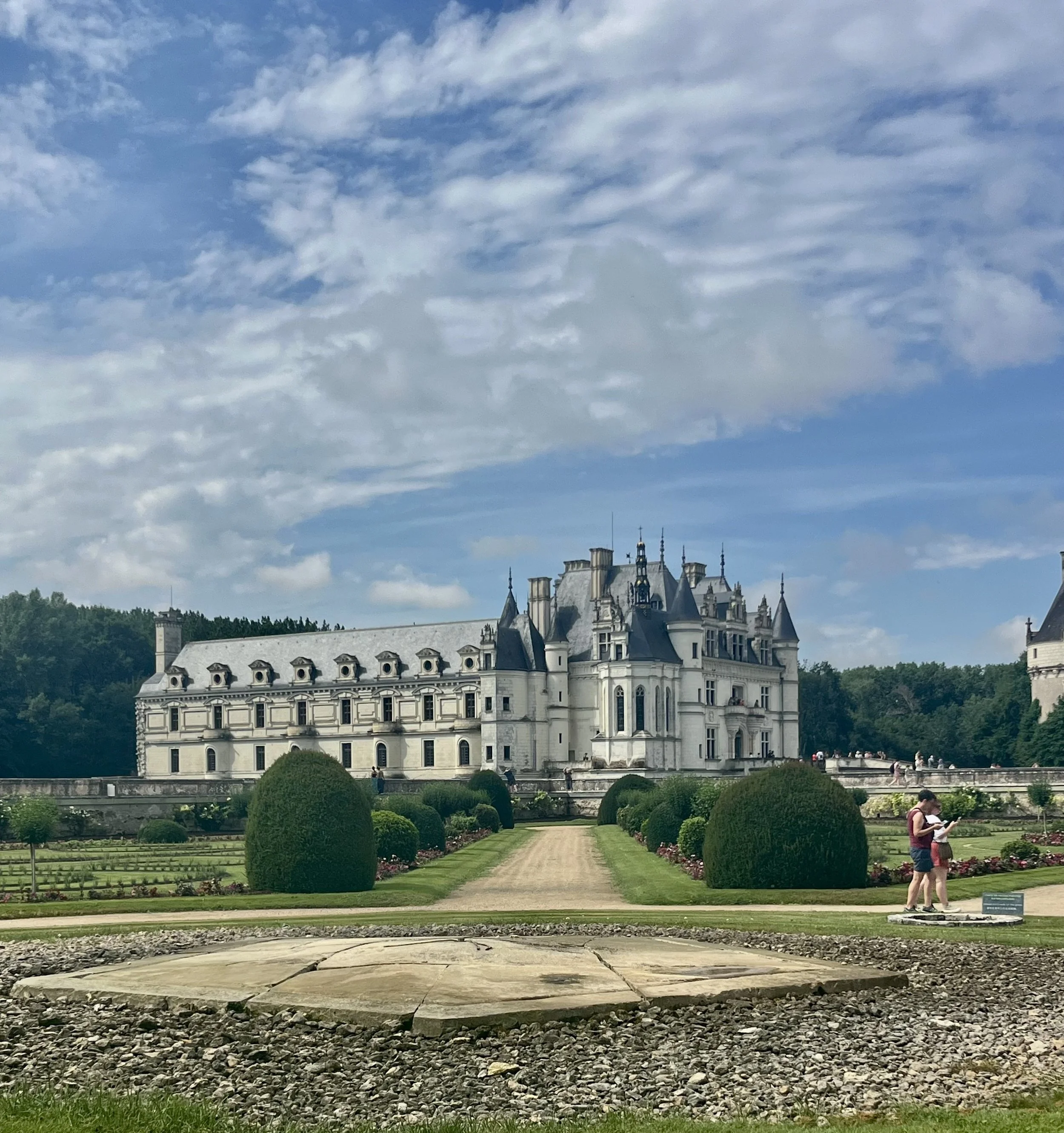
But it is the châteaux that provide the real WOW factor. We chose to visit only two: Chenonceau and Villandry.
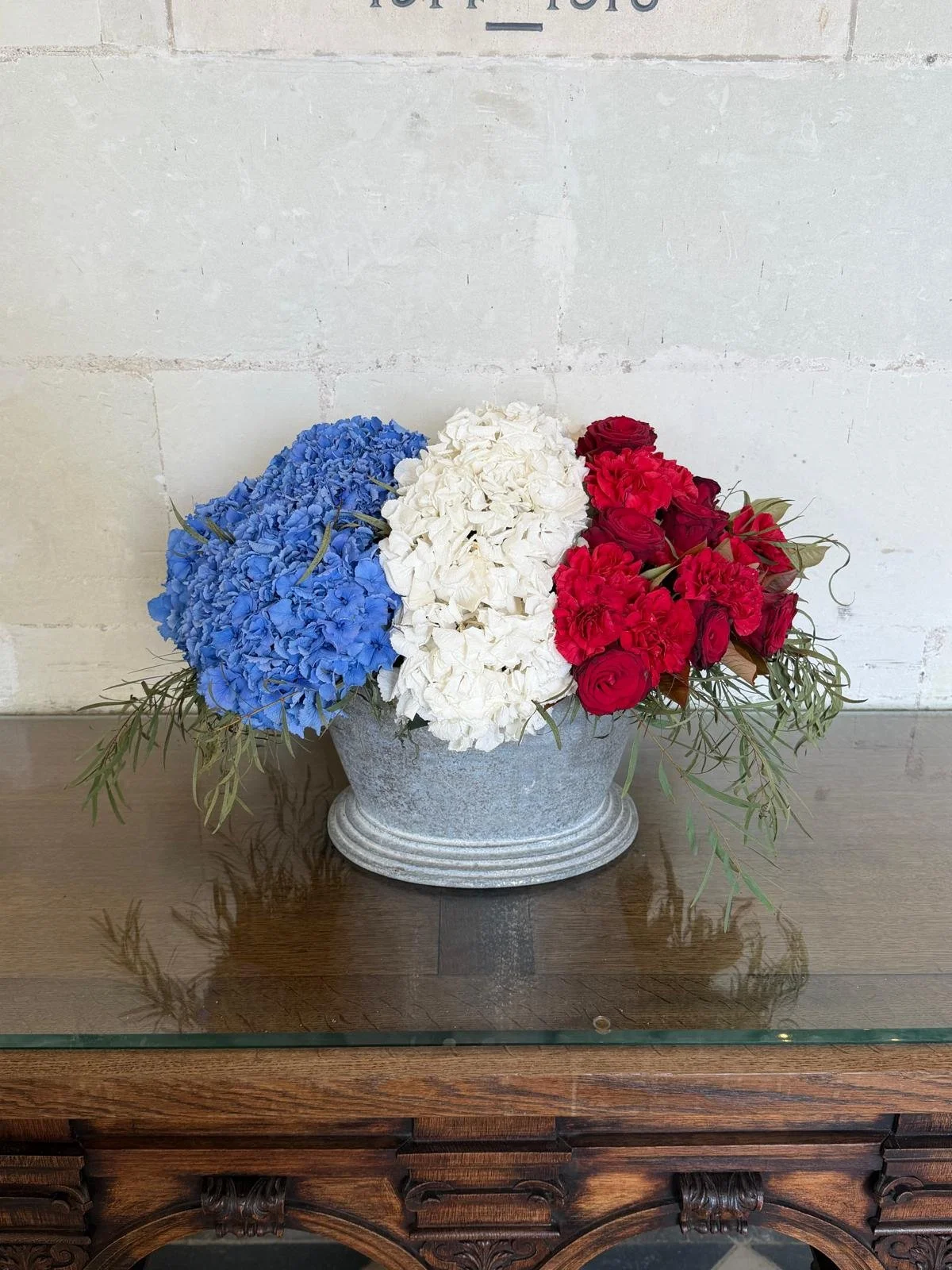
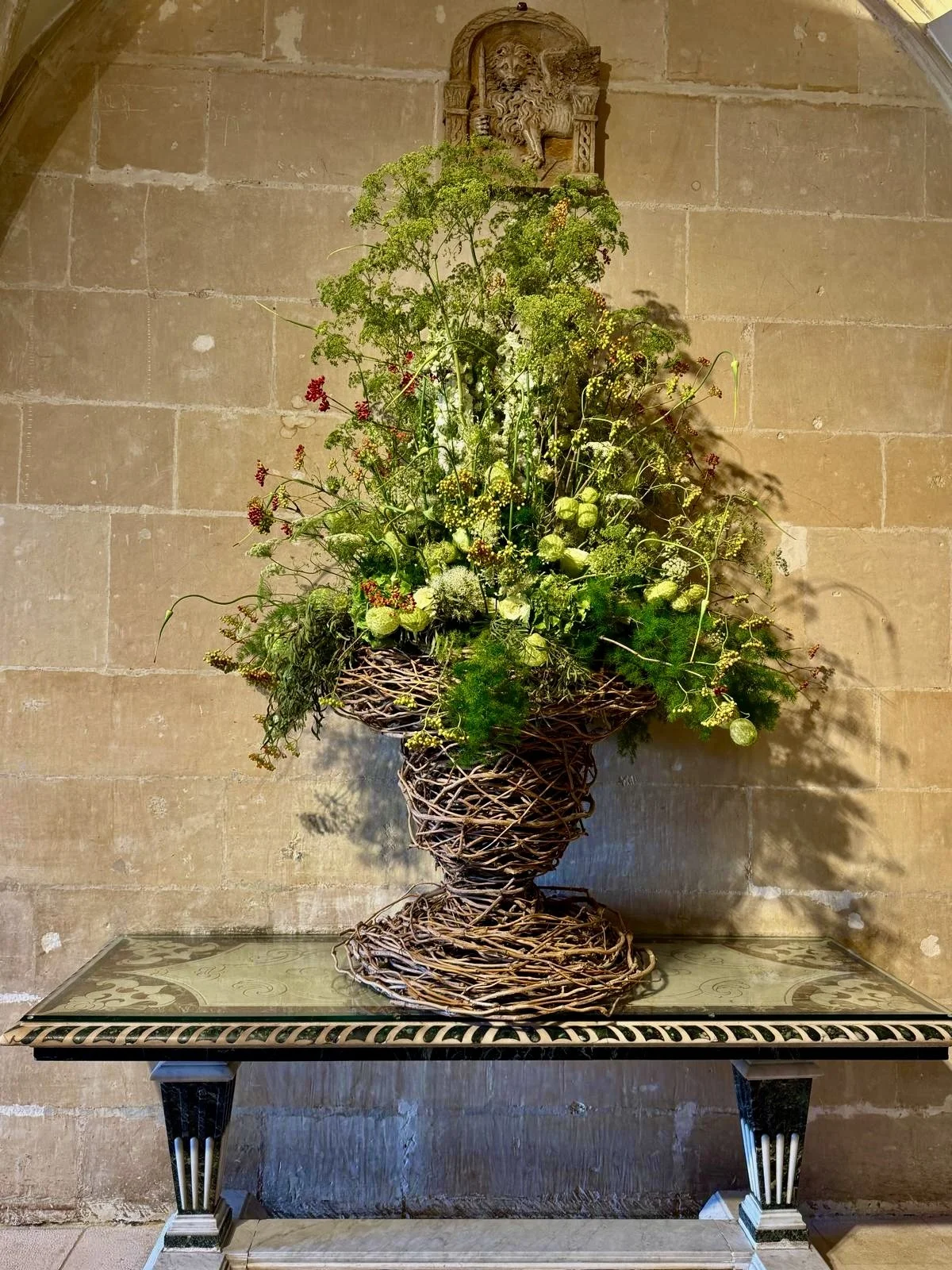
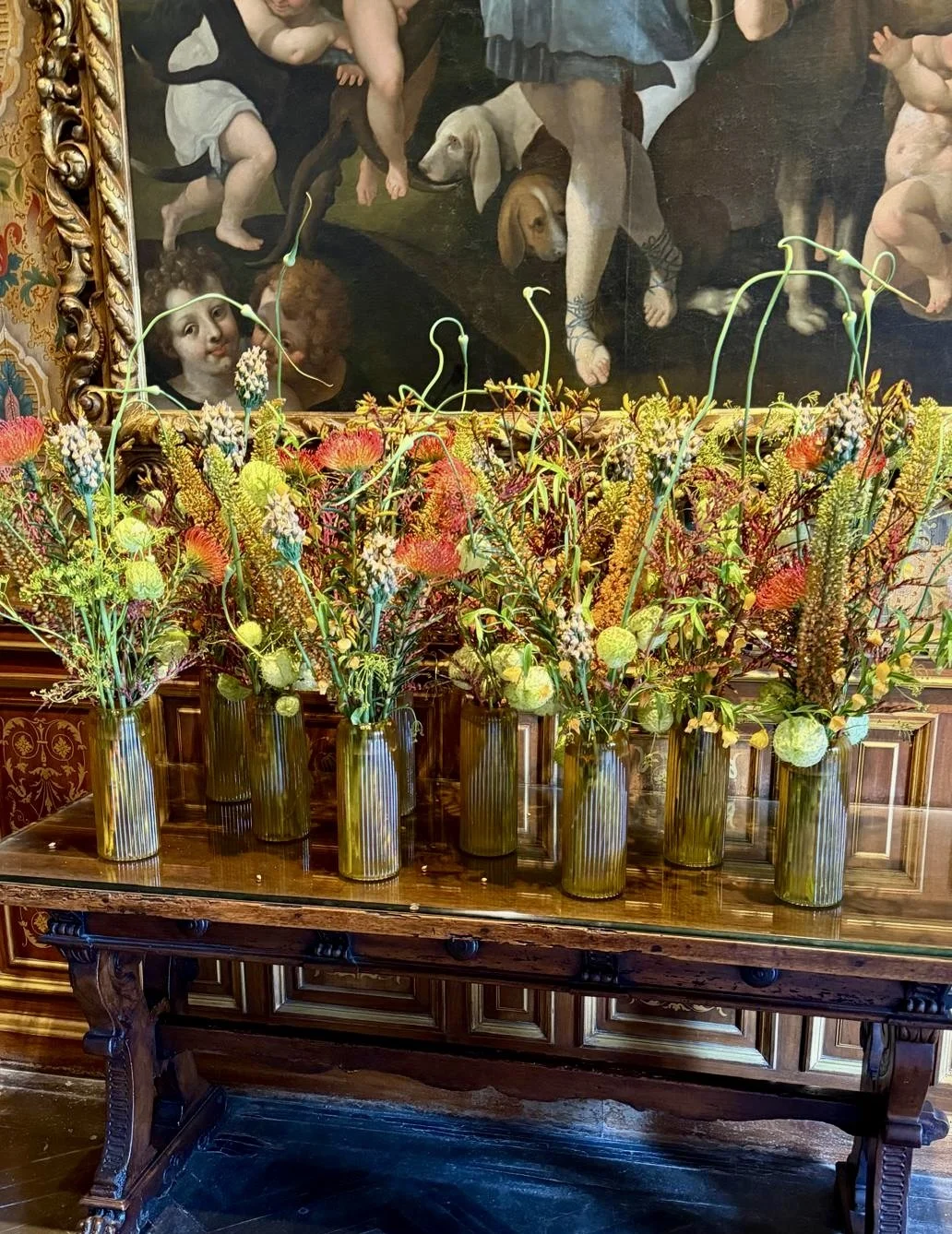
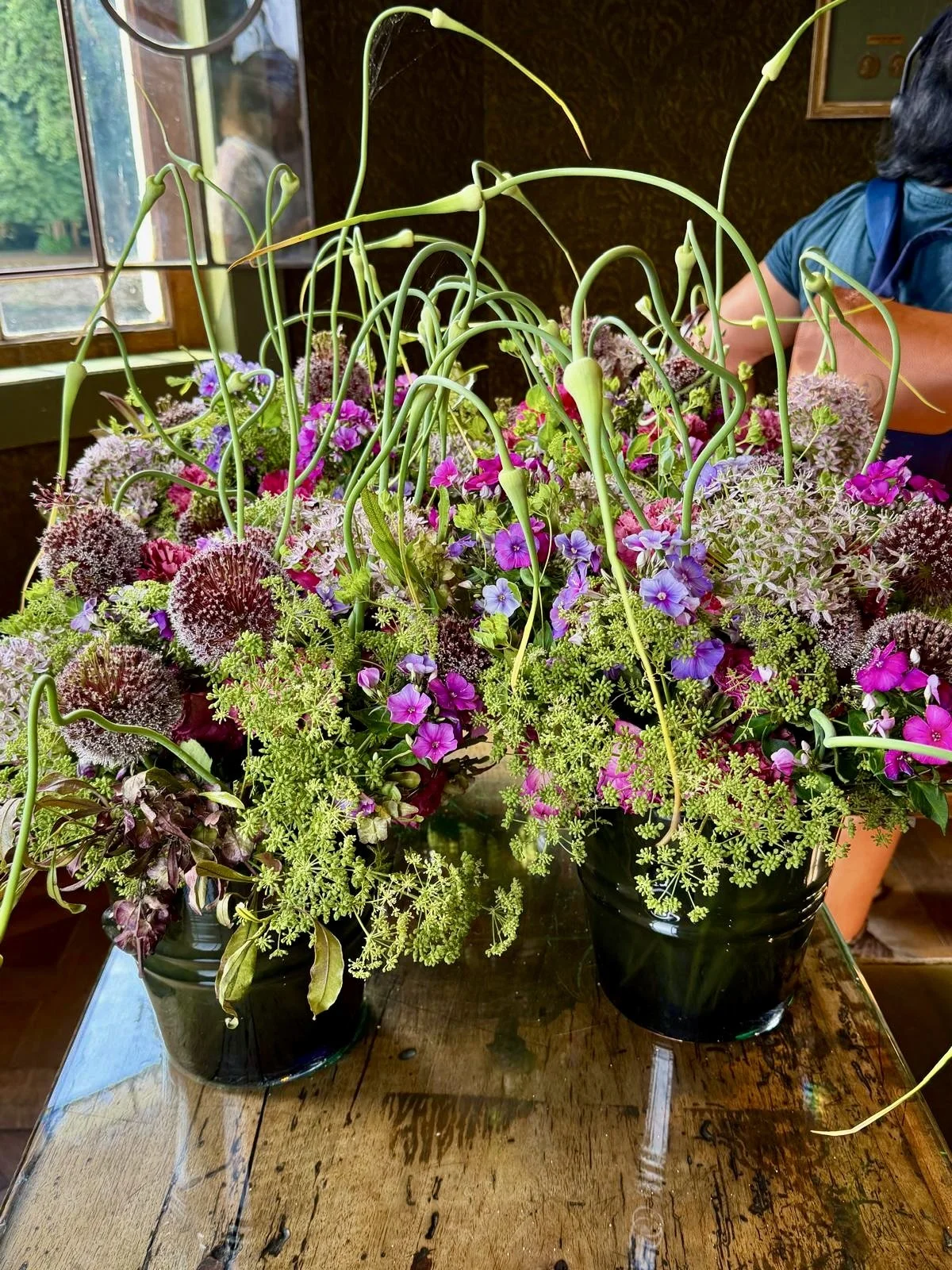
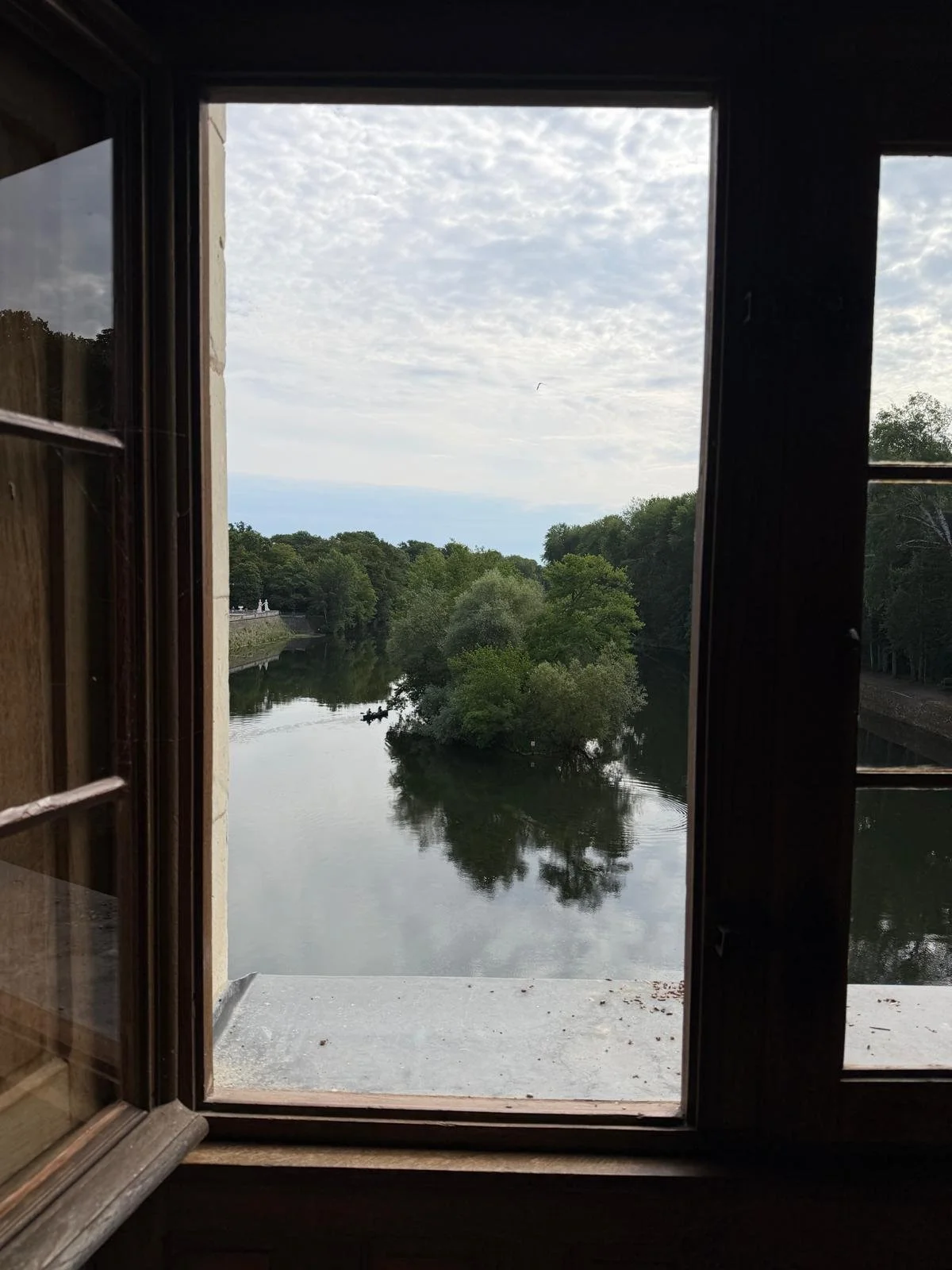
Chenonceau, the masterpiece that gracefully spans the River Cher, is often called the "Ladies' Château" because of the remarkable women who shaped its history. The flower arrangements amazed me last year, and once again the magnificent displays in every room made the visit even more compelling for someone who loves flowers and dreams of creating arrangements like these.
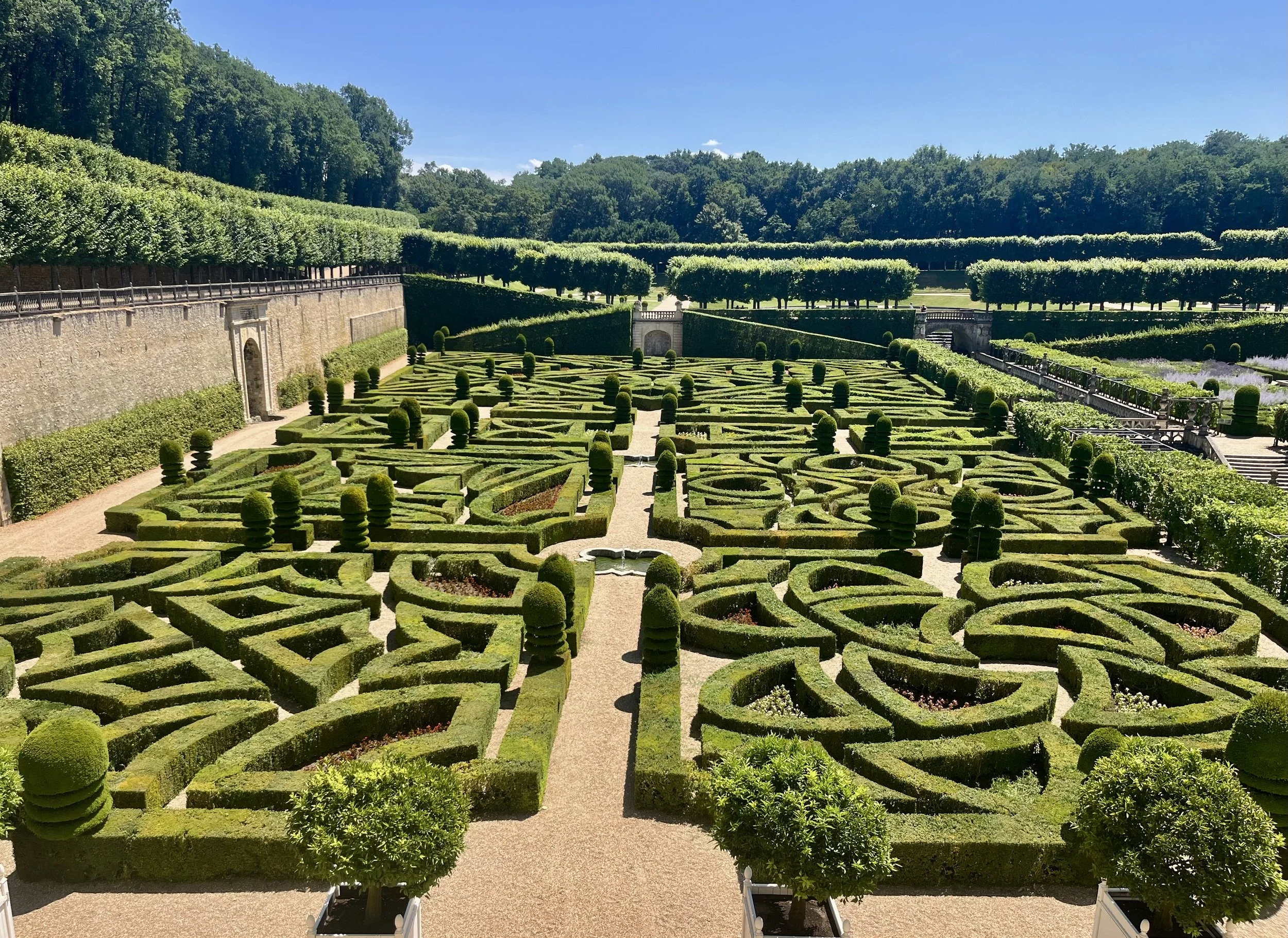
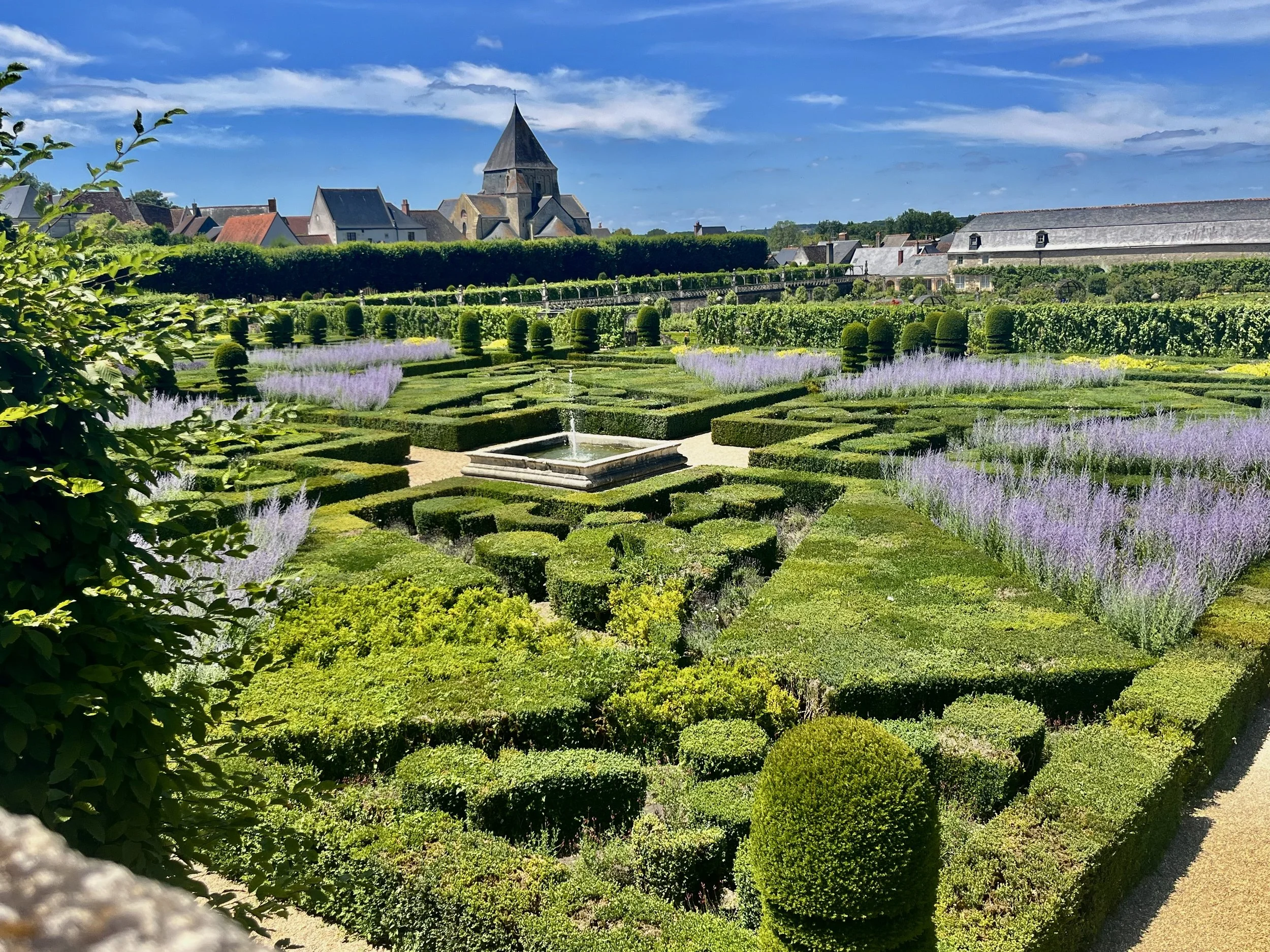
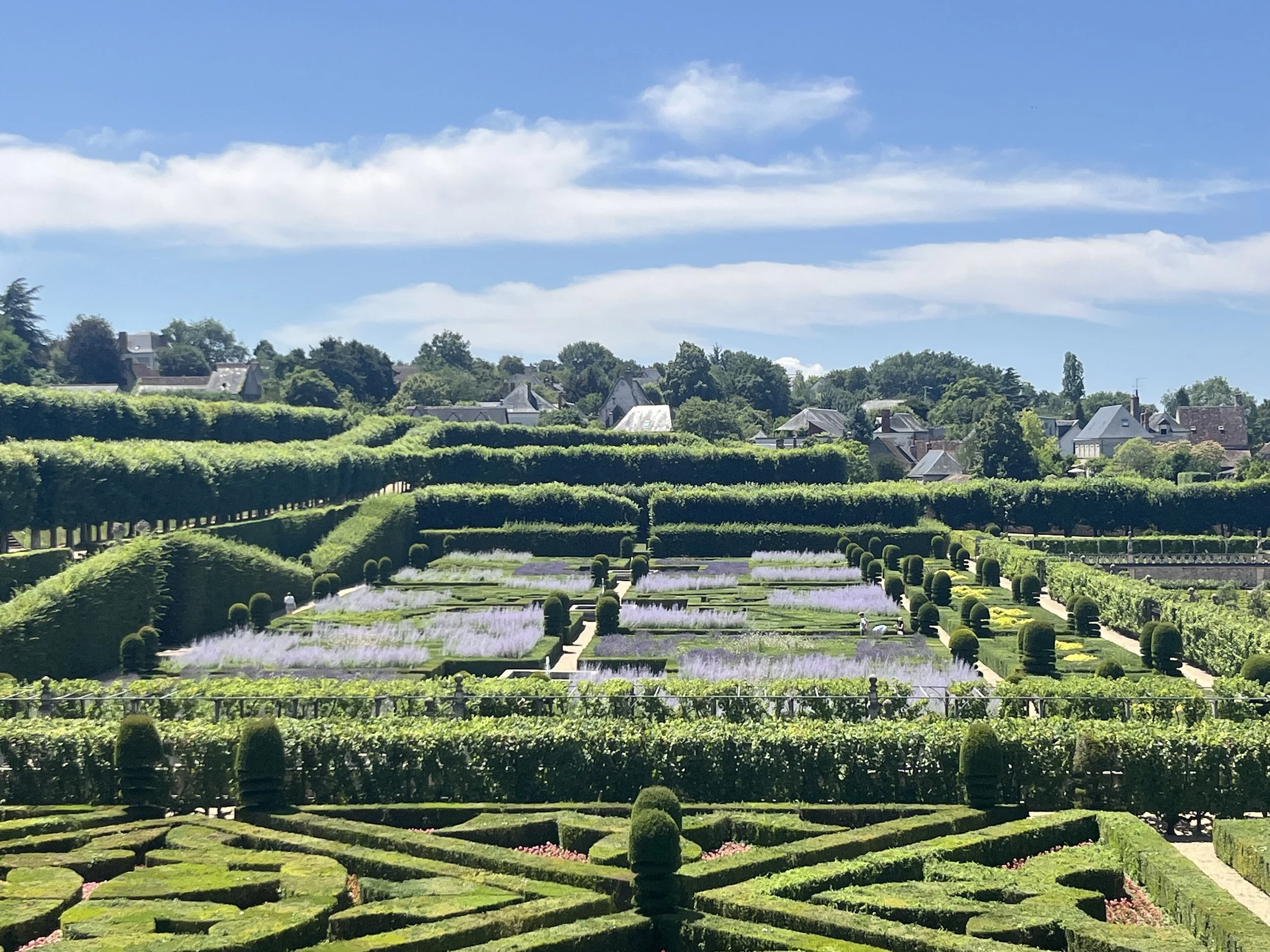
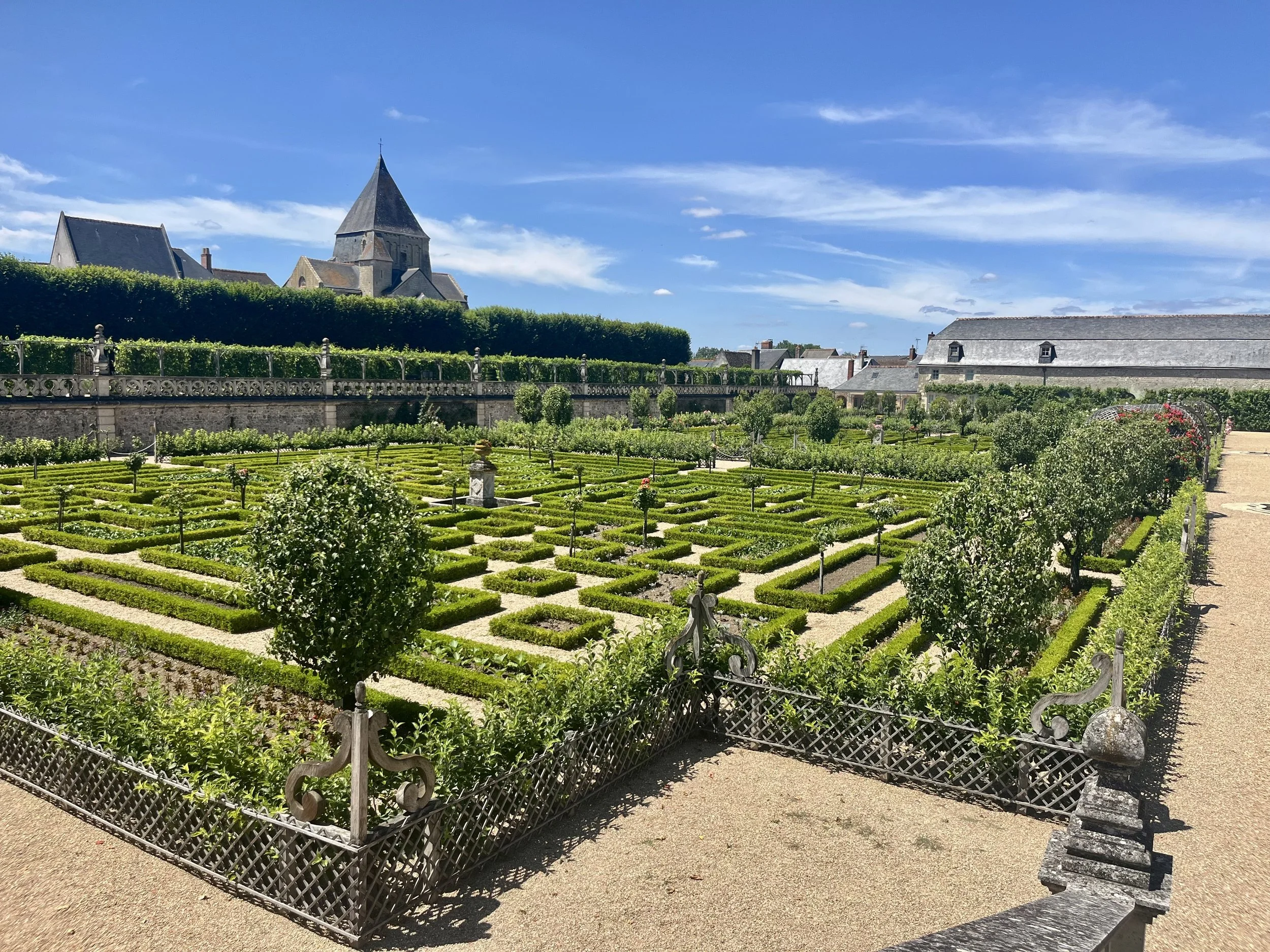
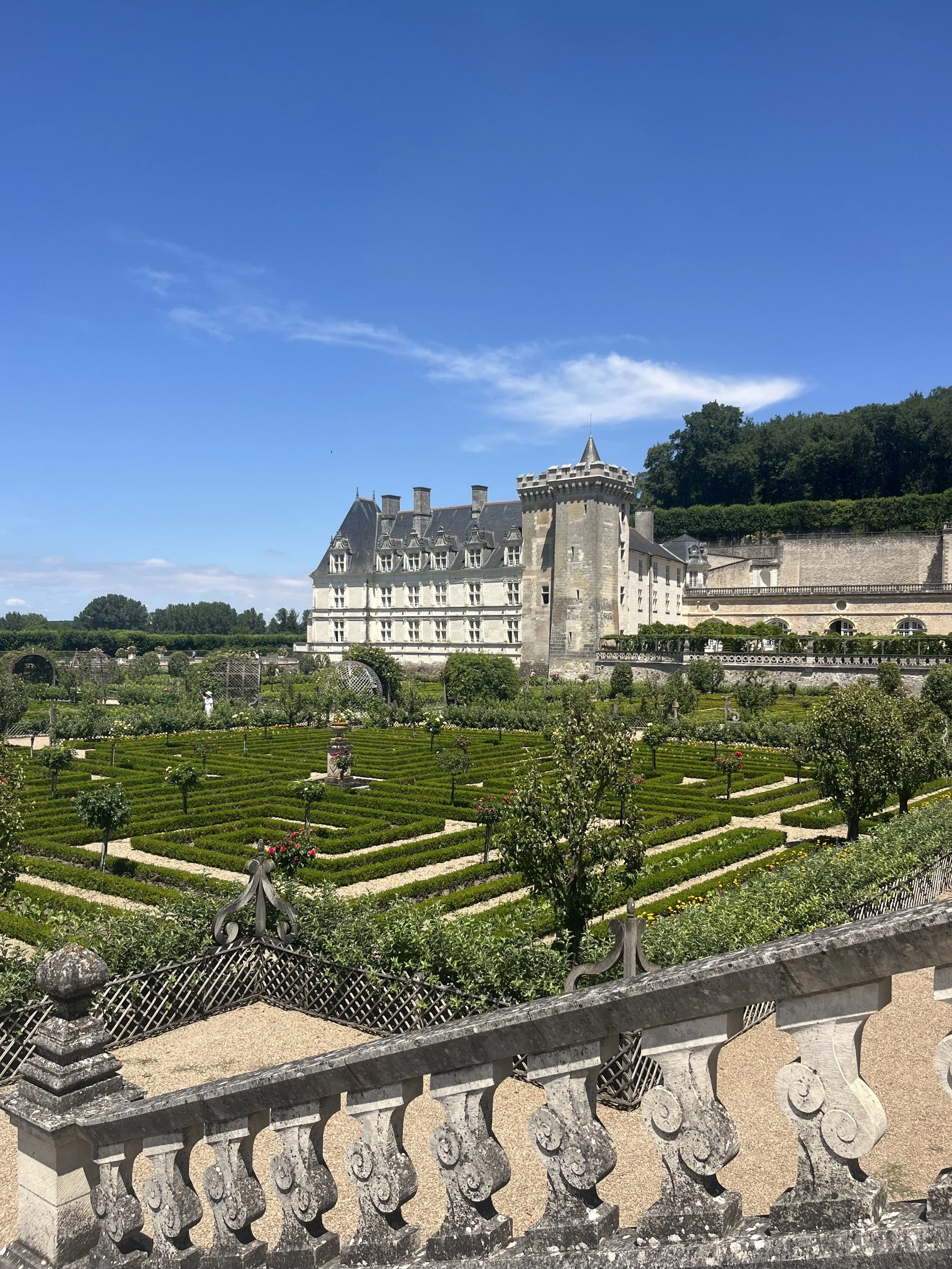
Villandry is still privately owned and is equally beautiful, although less elegant than Chenonceau. However, it is world-famous for its extraordinary potager gardens. Extensive, formal and simply breathtaking, these gardens had long been on my list to visit, and returning this year was every bit as enjoyable. The clouds of Perovskia and lavender were glorious at this time of year. The vegetables still had plenty of growing to do and could certainly have benefited from a shower of rain. The sheer formality and scale of the French gardens demanded countless photographs.
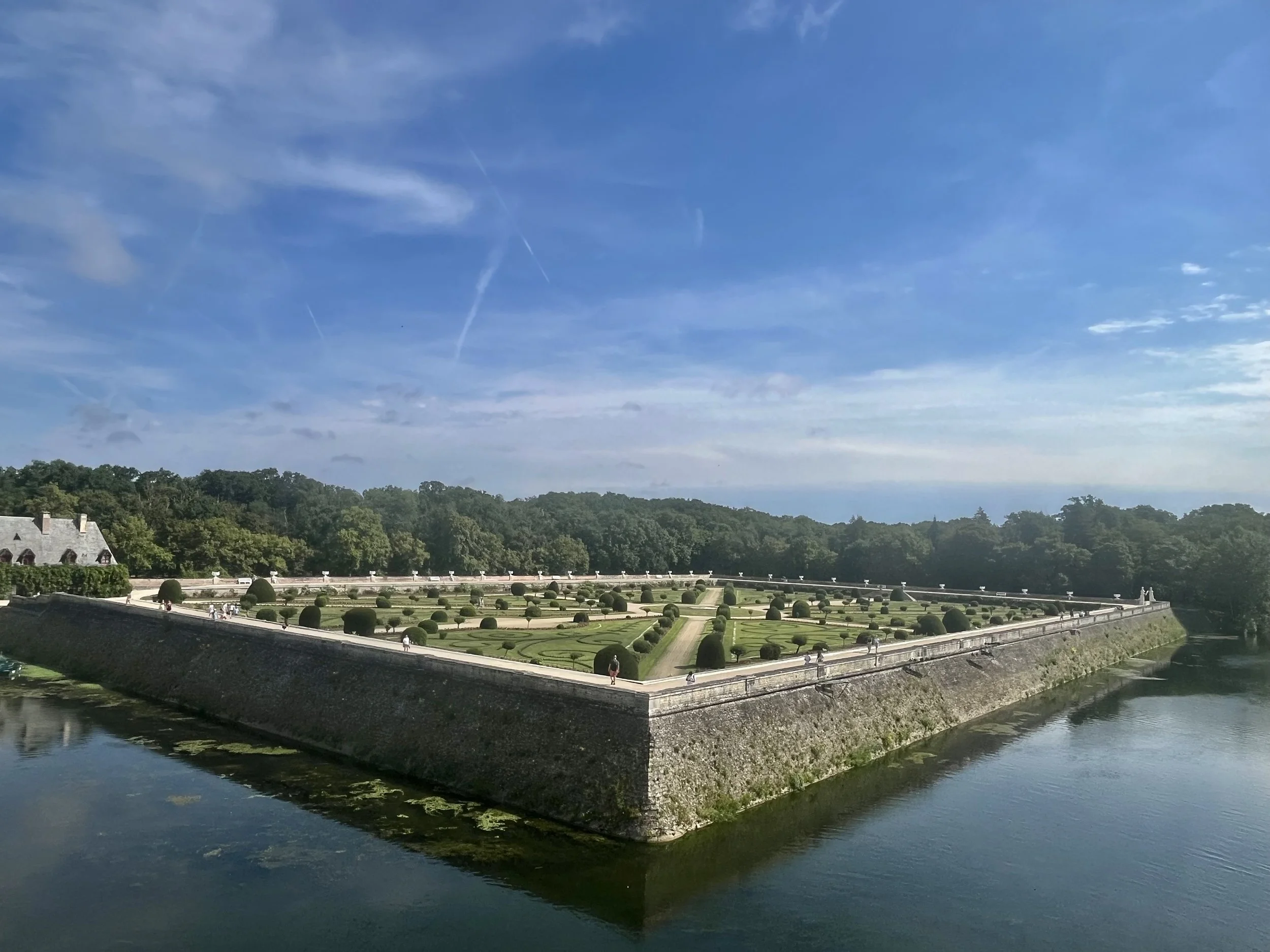
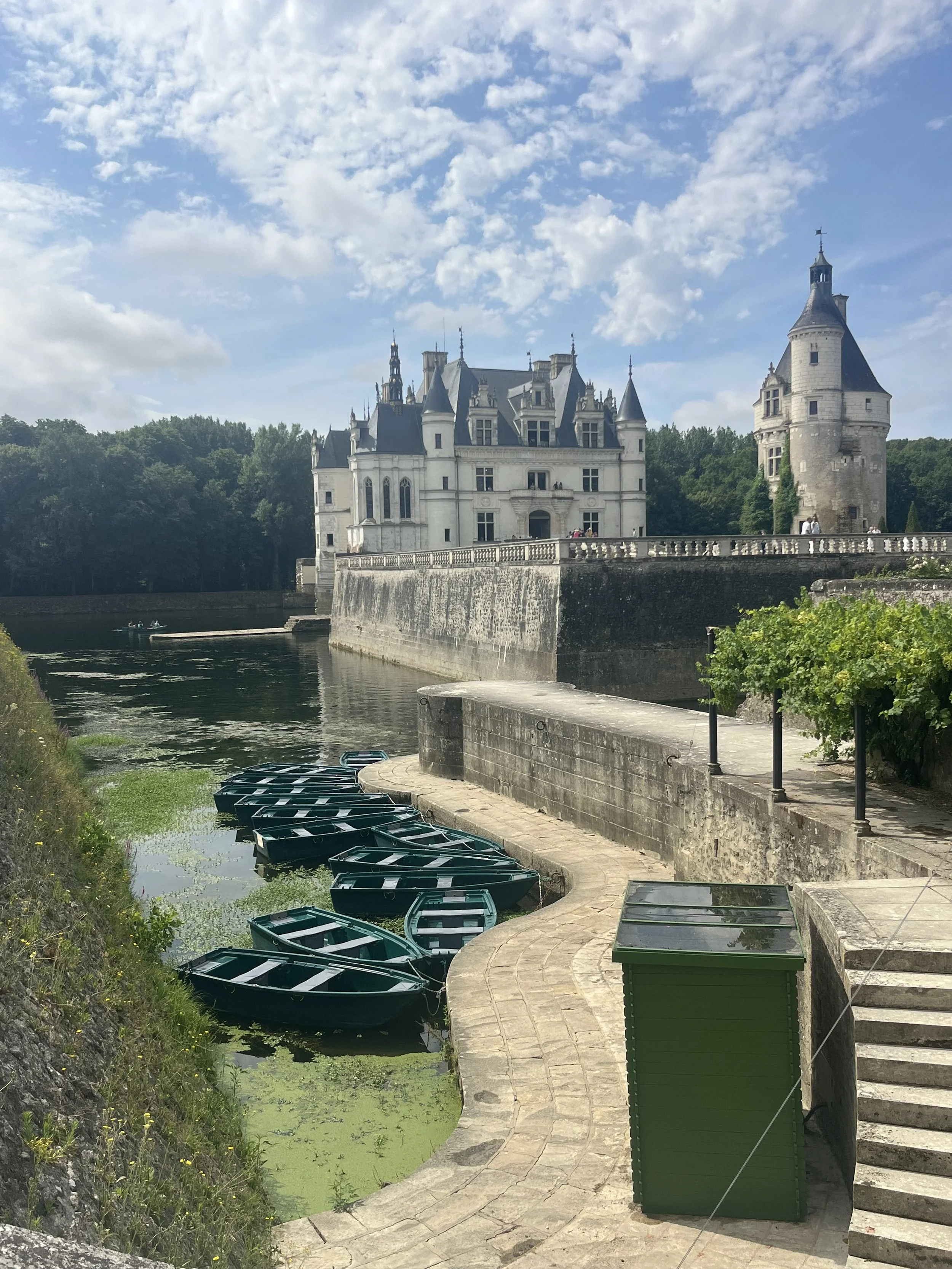
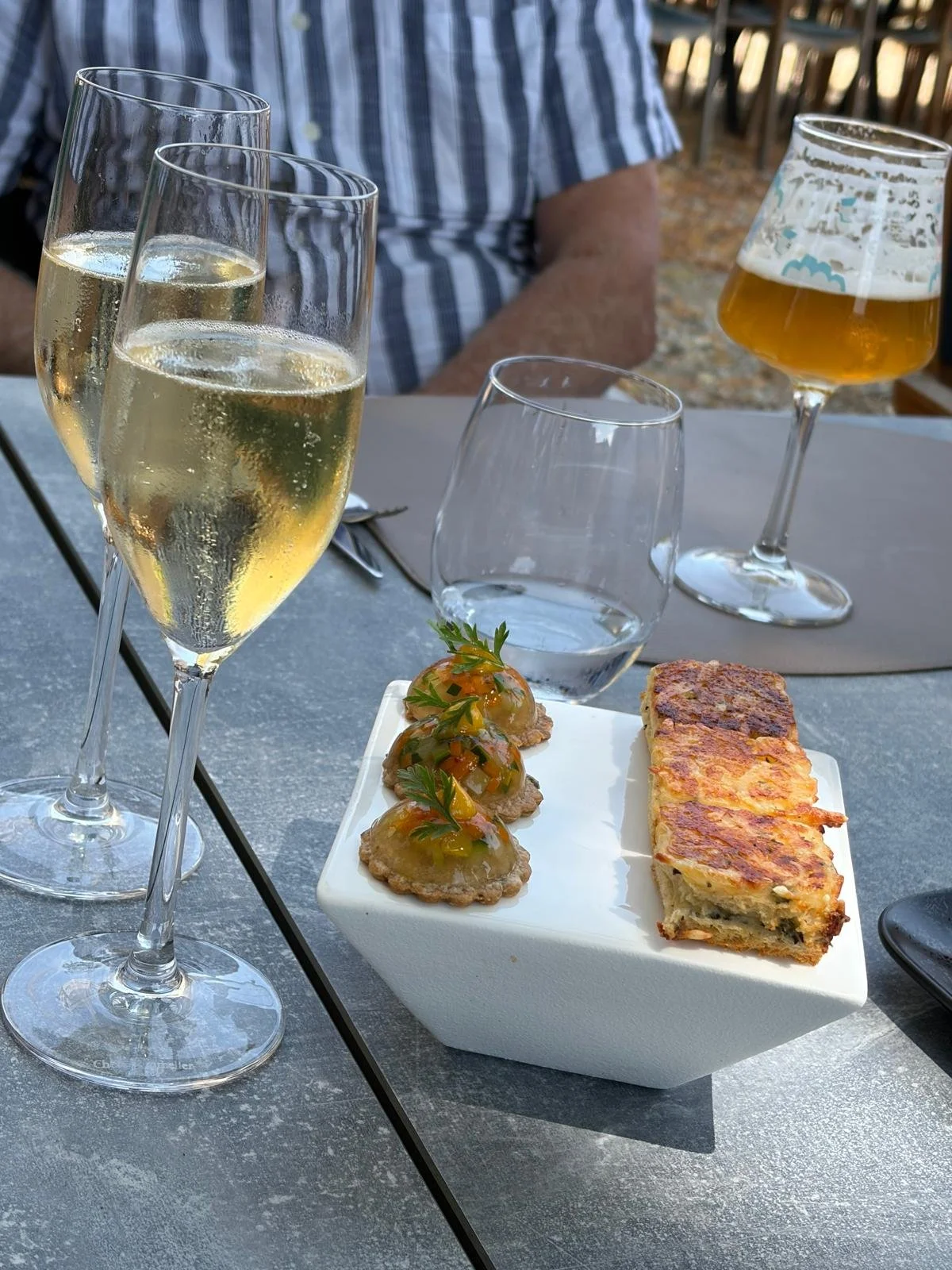
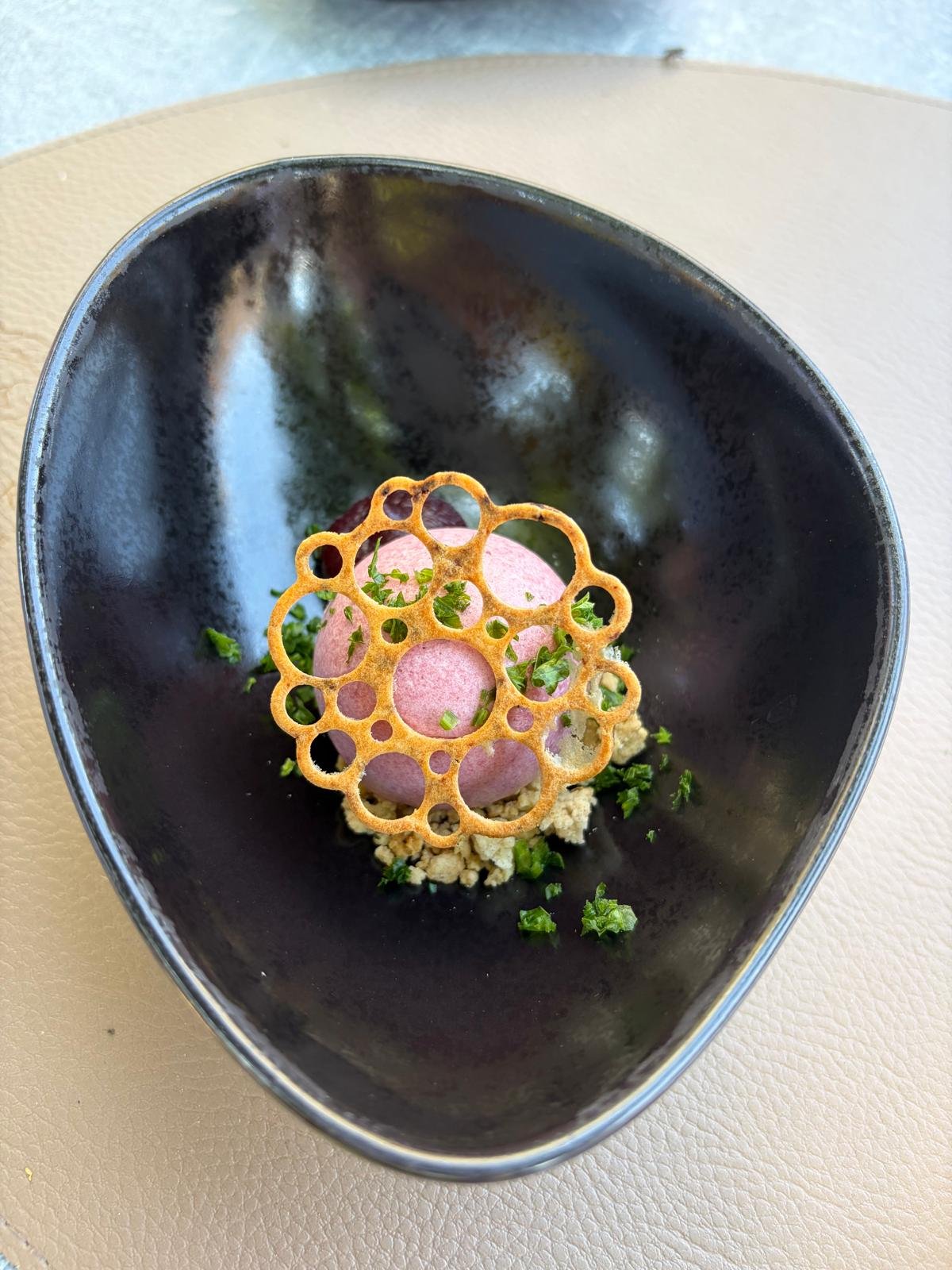
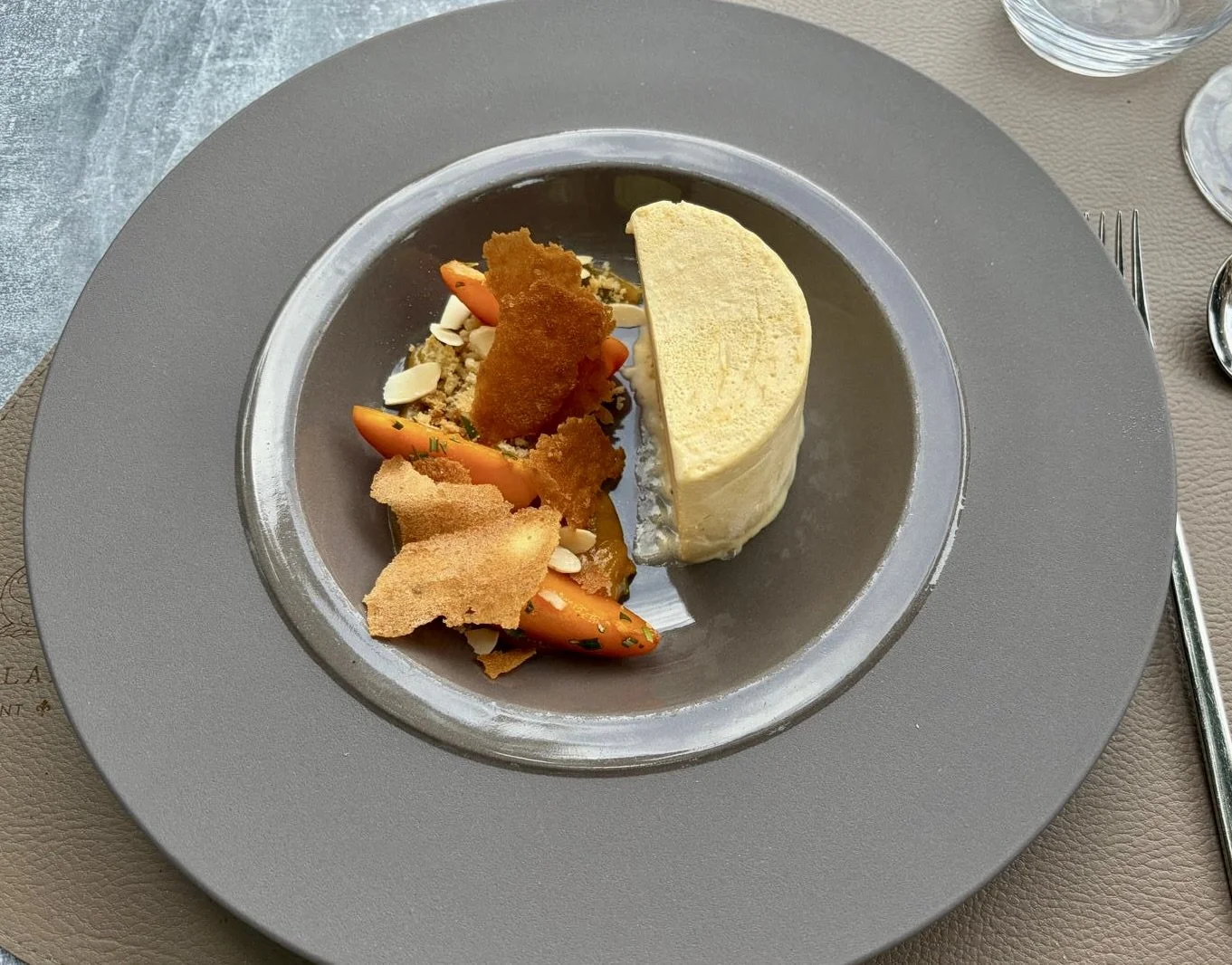
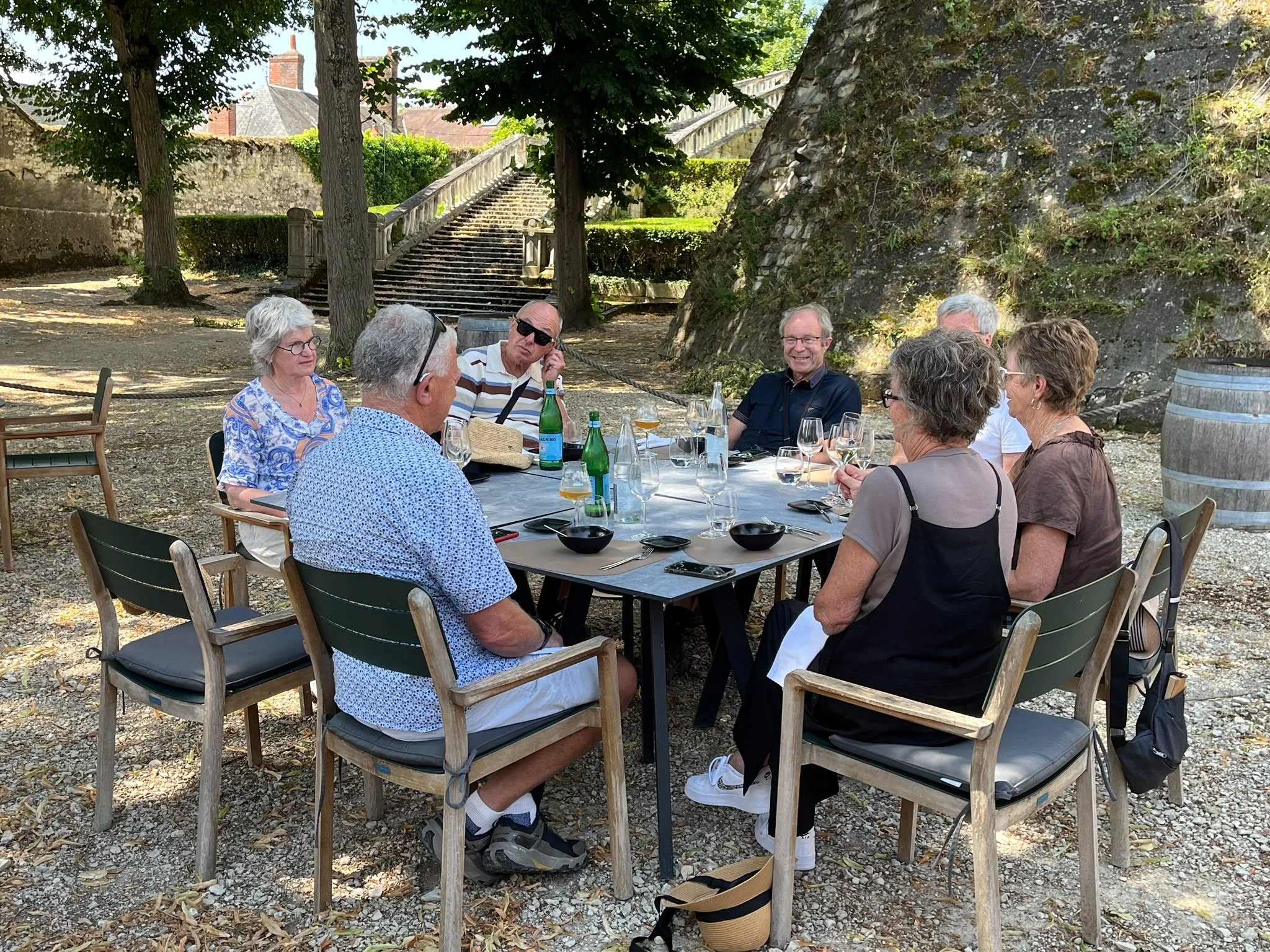
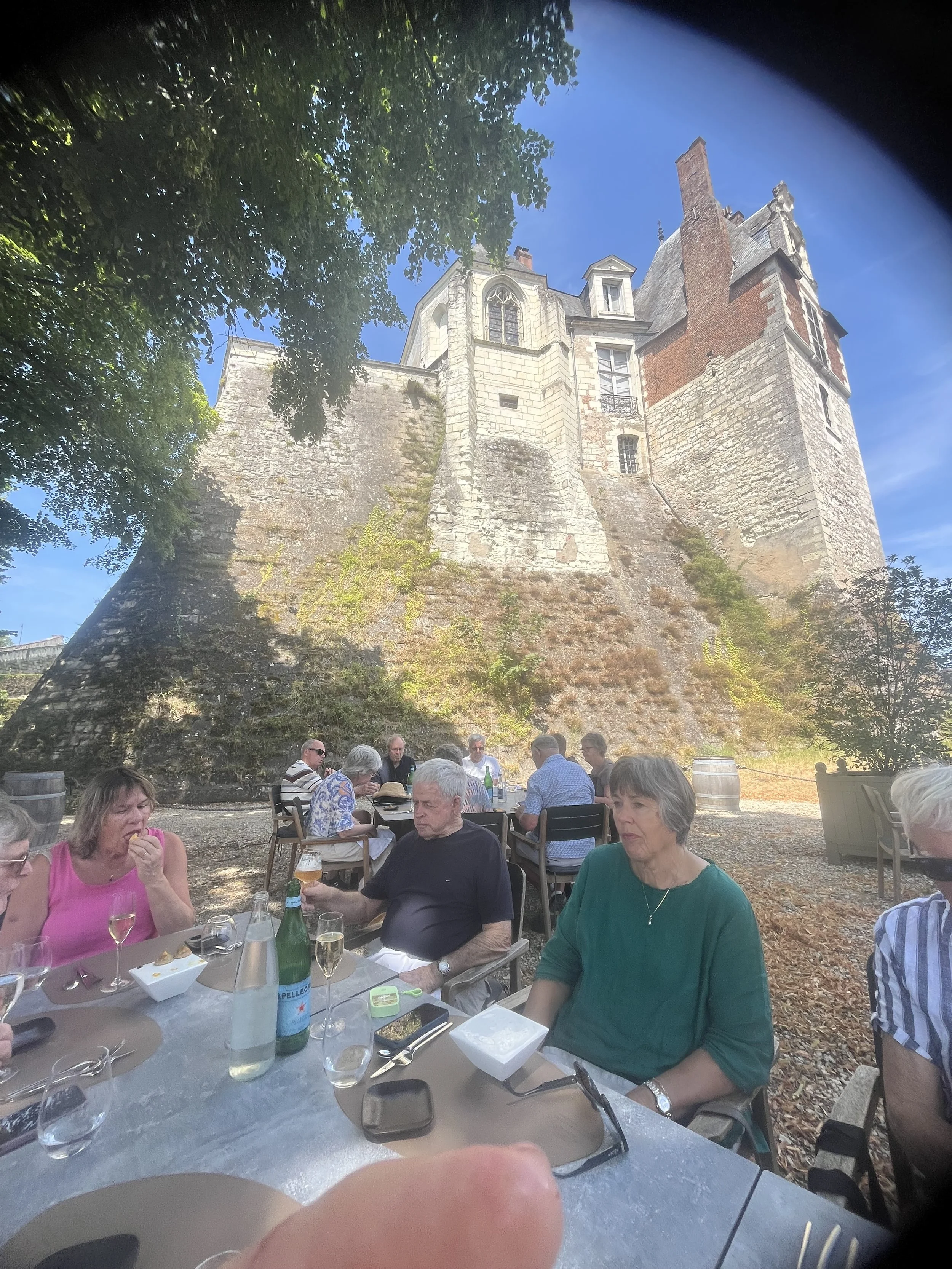
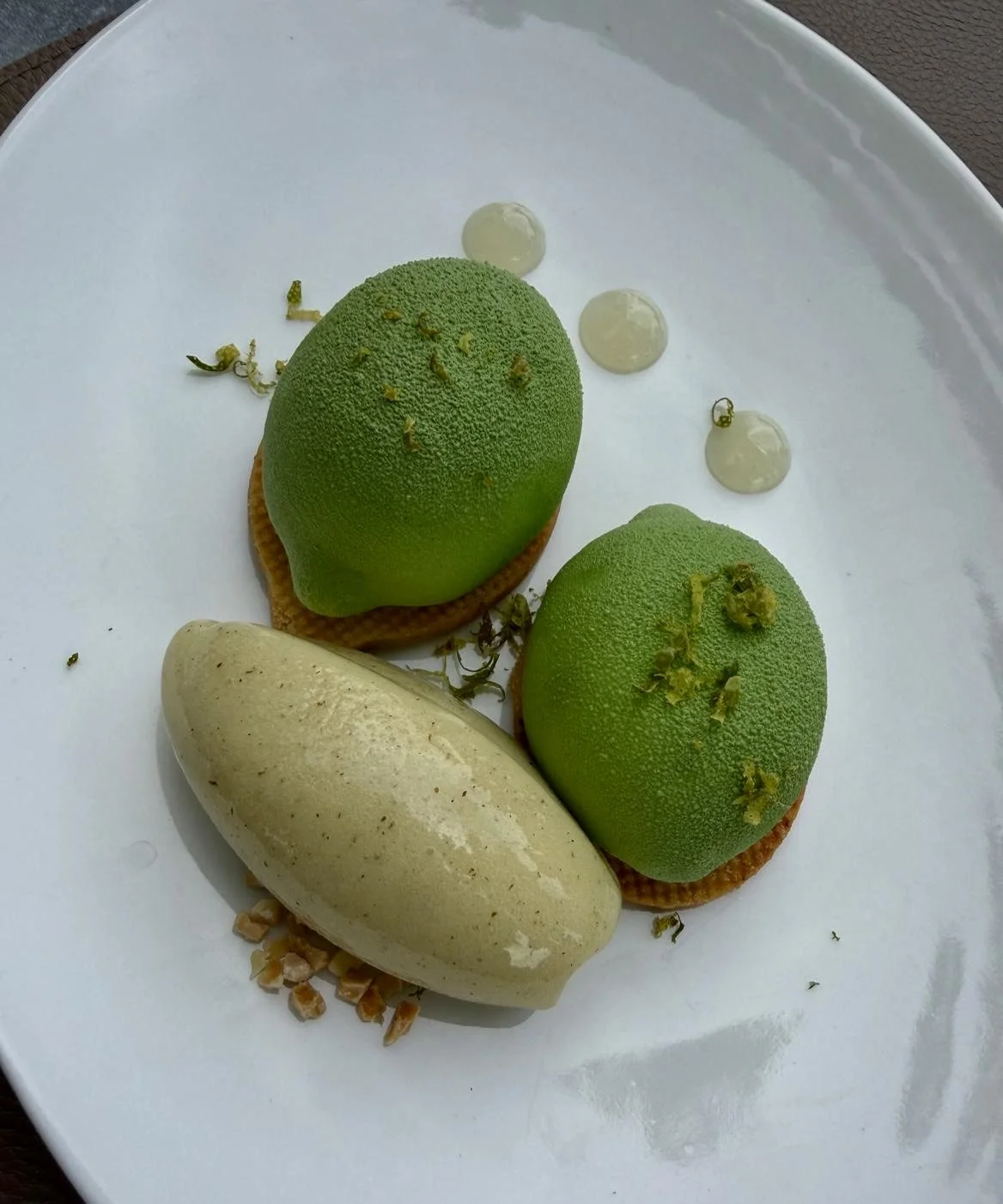
After our visit to Chenonceau, I had booked a long lunch - thirty minutes away in the picturesque village of Saint-Aignan. Again, Philip and I had dined there last year and loved it so much that I wanted my group to experience it as well. La Salamandre did not disappoint. Sitting beneath magnificent lime trees at the foot of towering retaining walls, with the church above us, the setting was every bit as beautiful as I remembered. The food, perfectly matched wines and idyllic surroundings combined to create a truly memorable lunch.
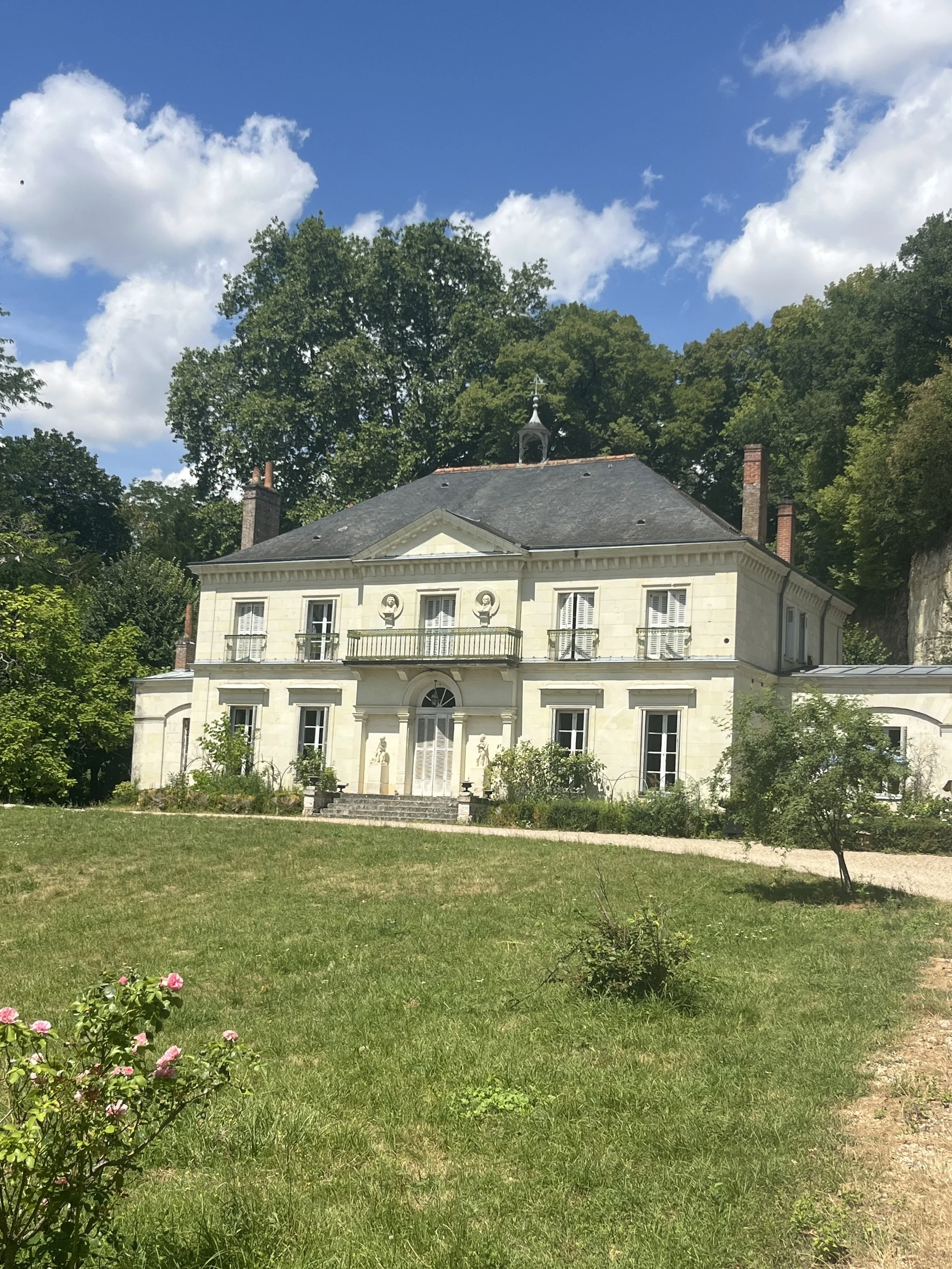
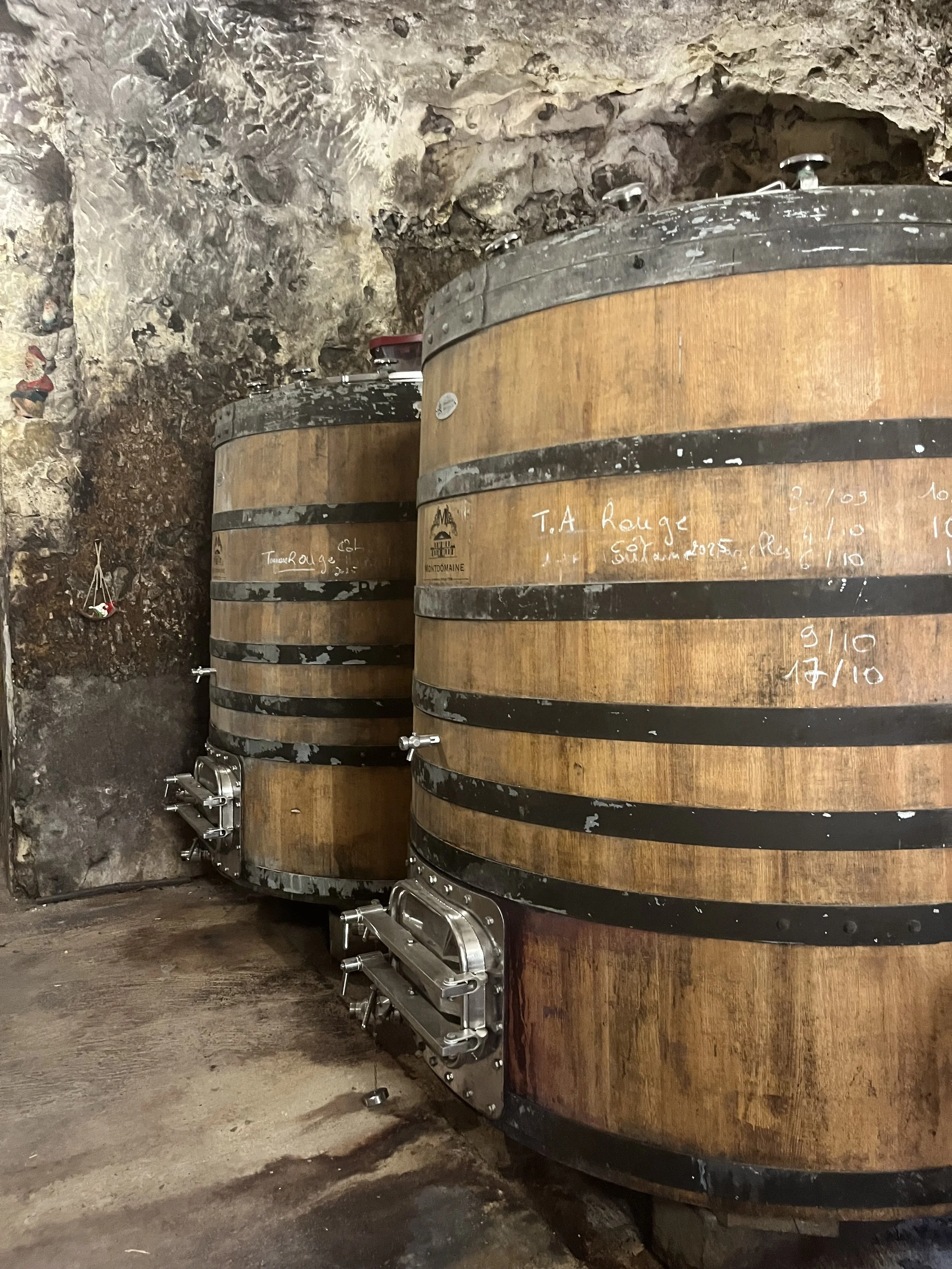
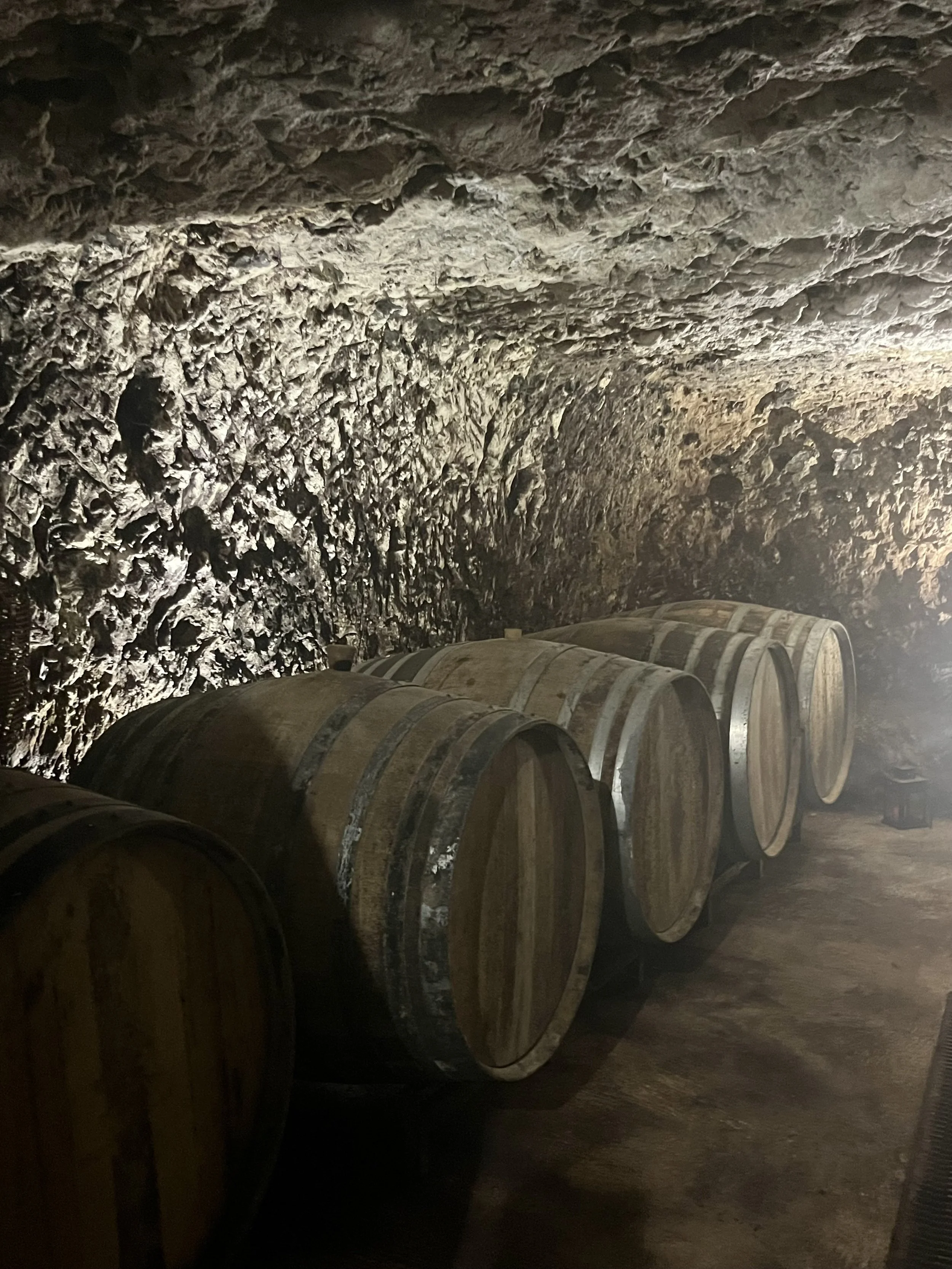
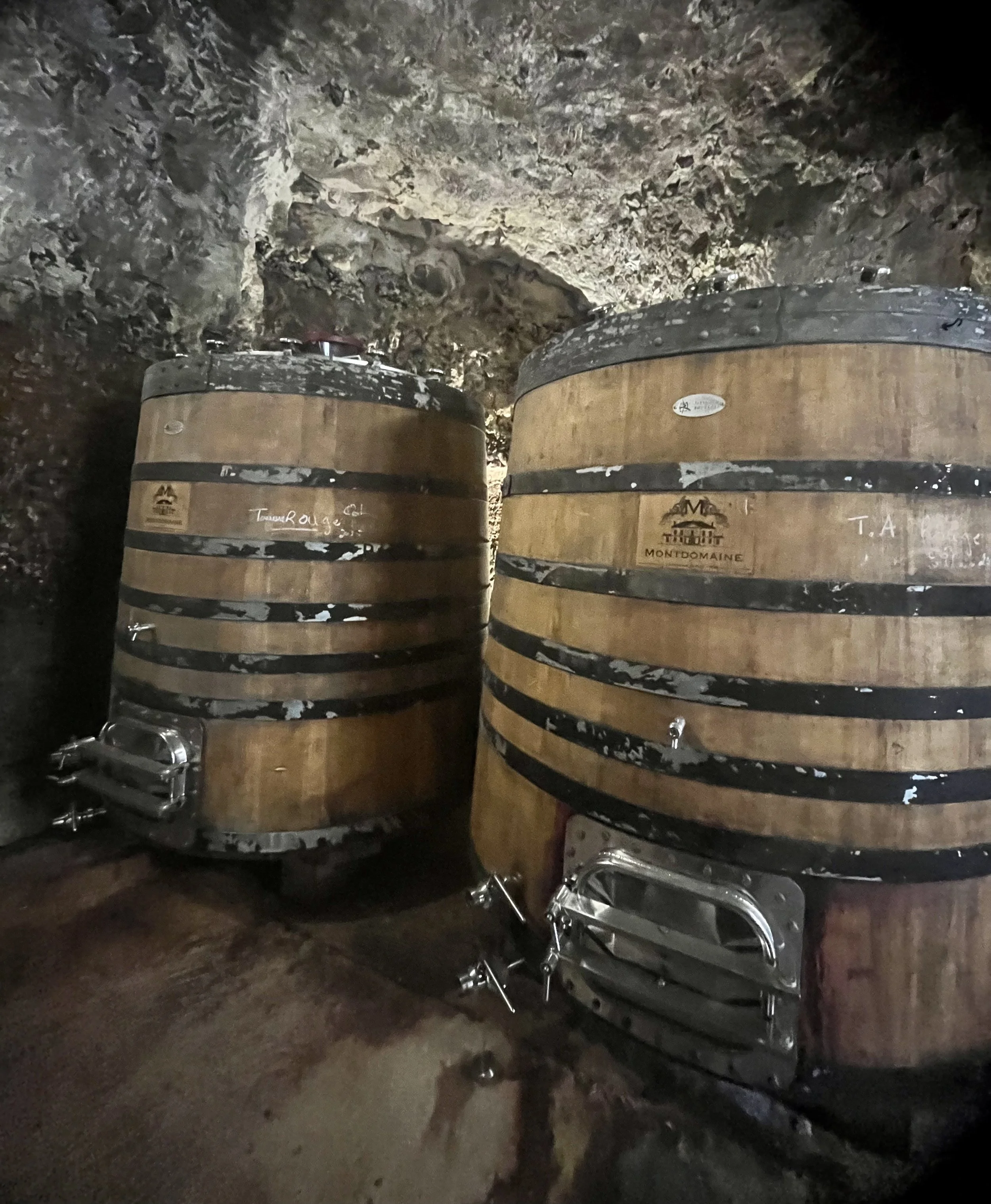
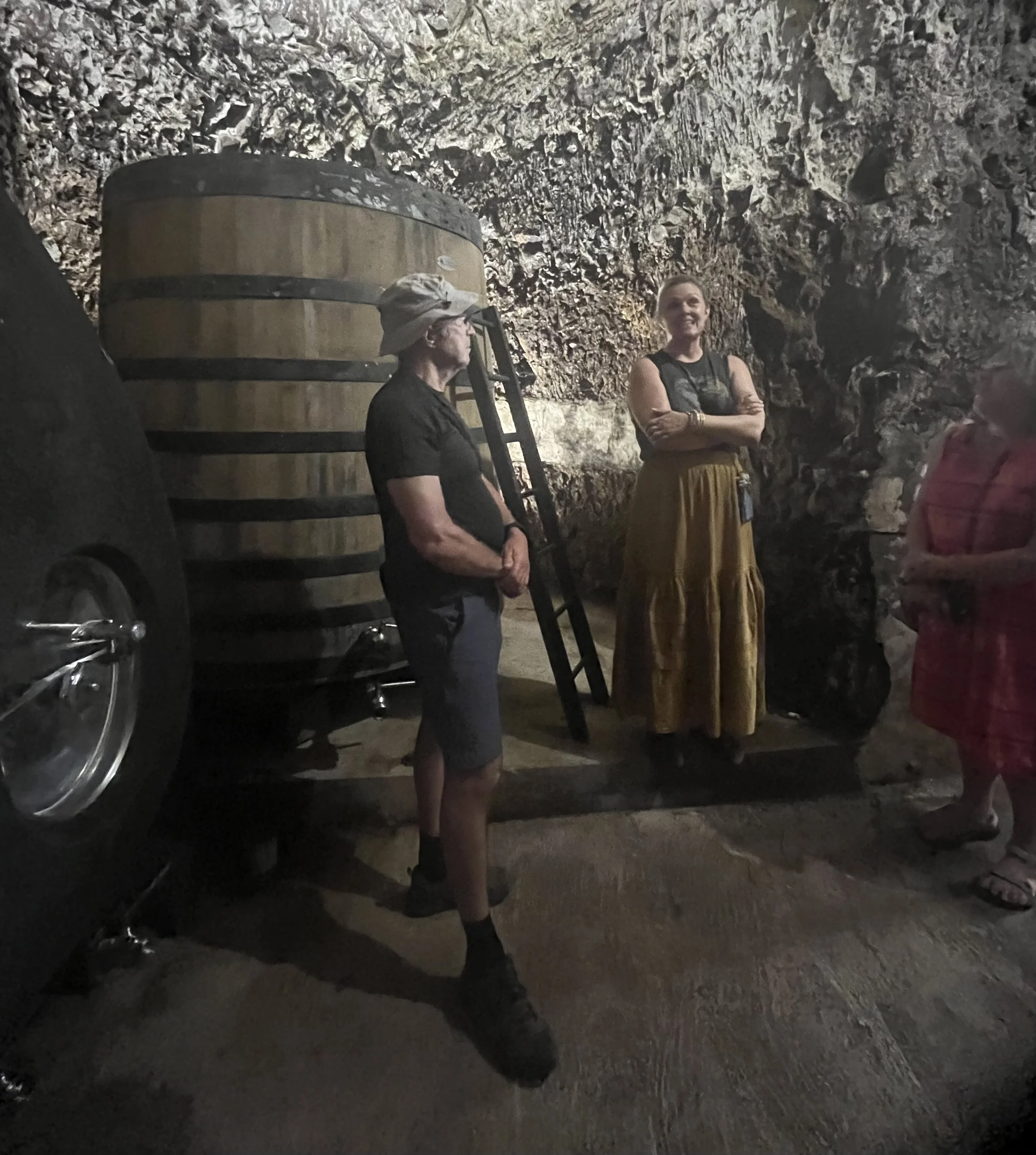
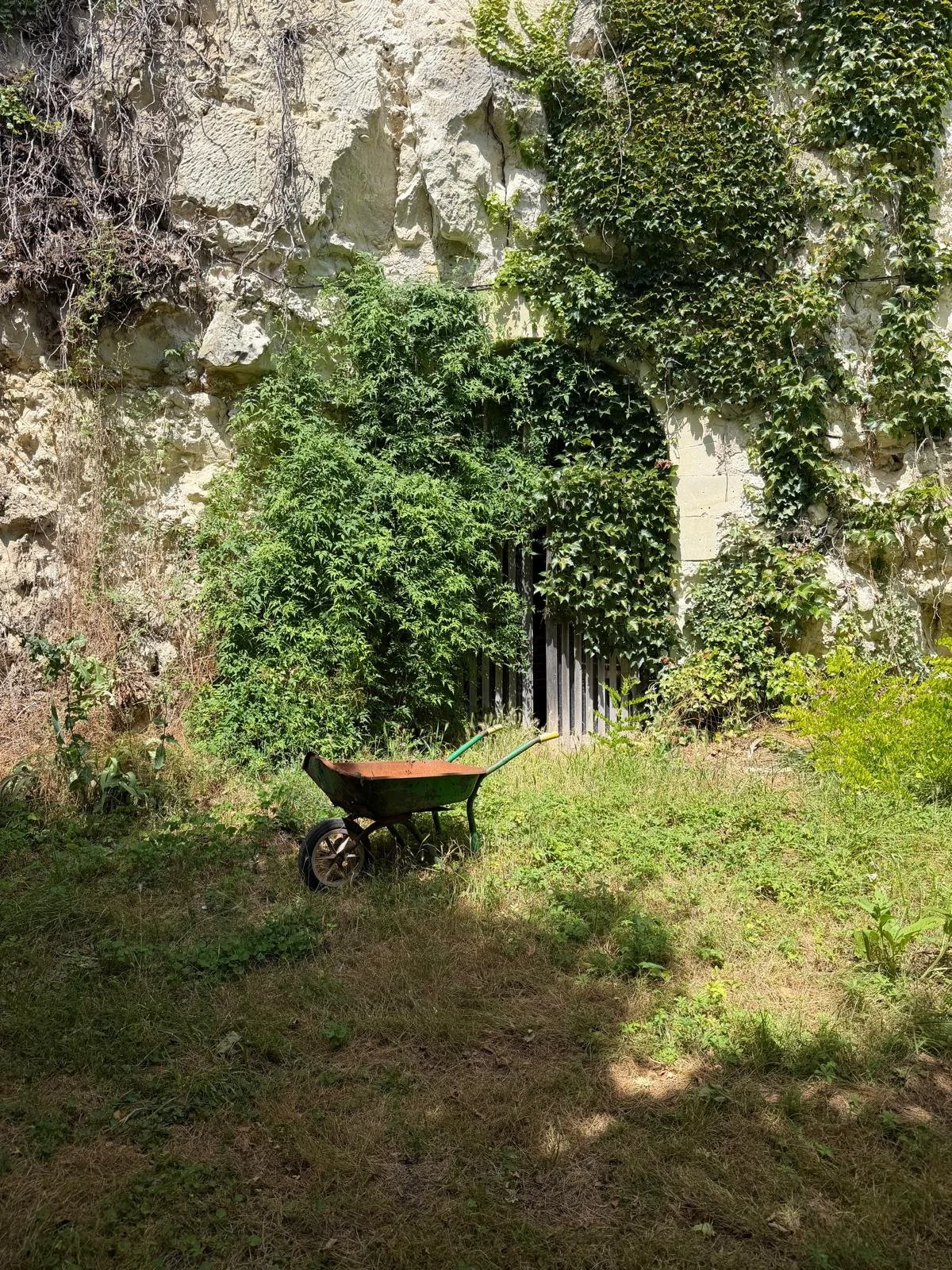
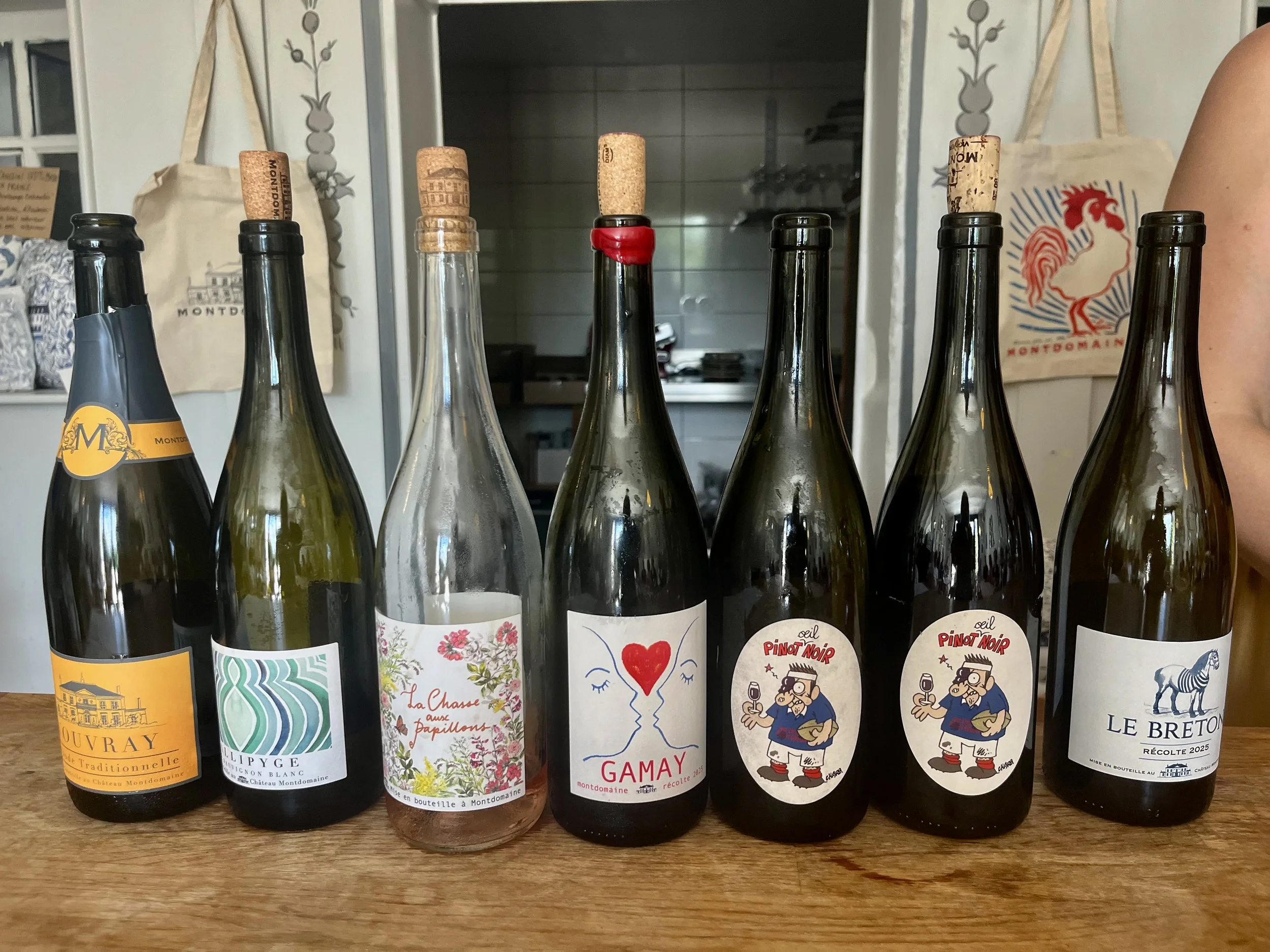
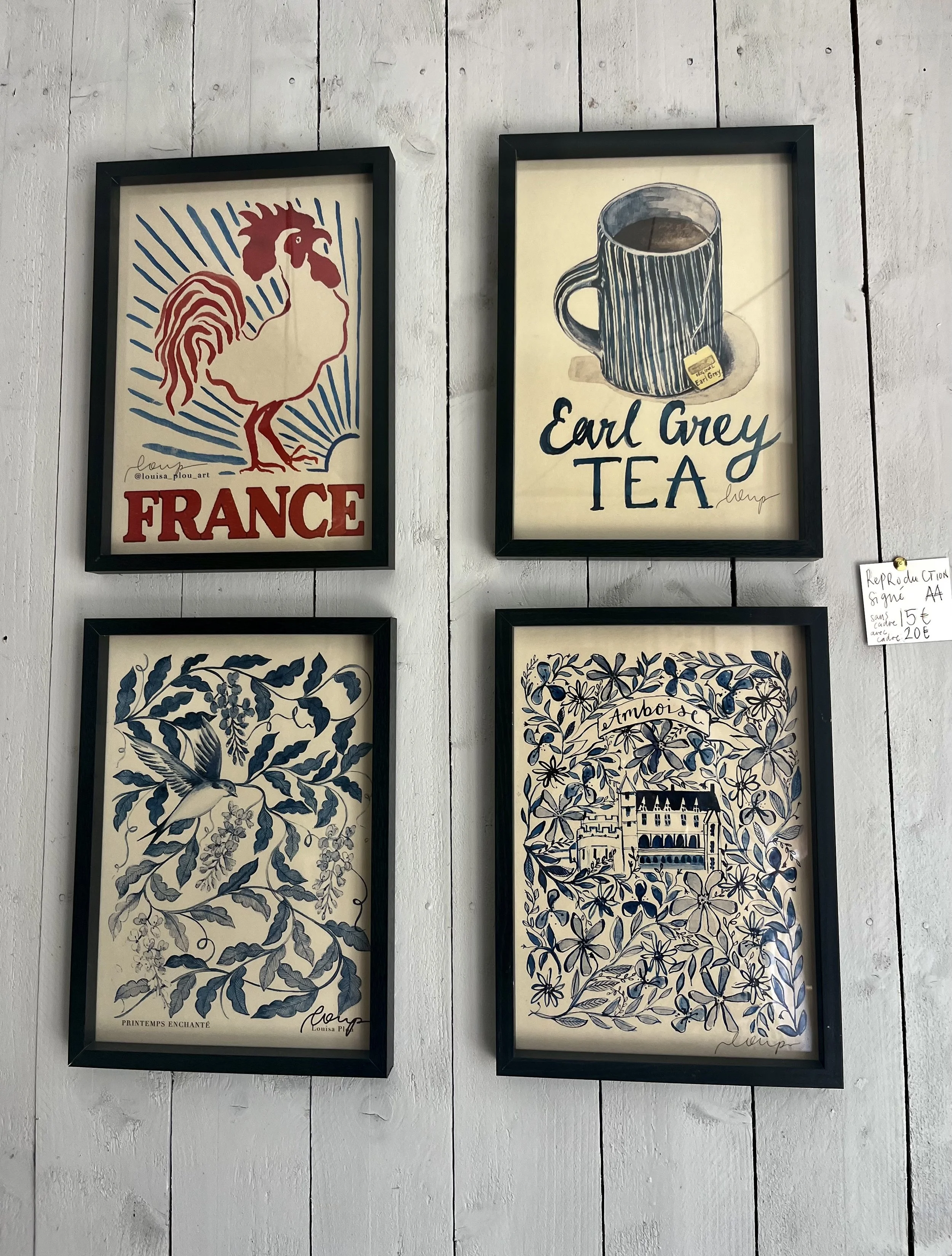
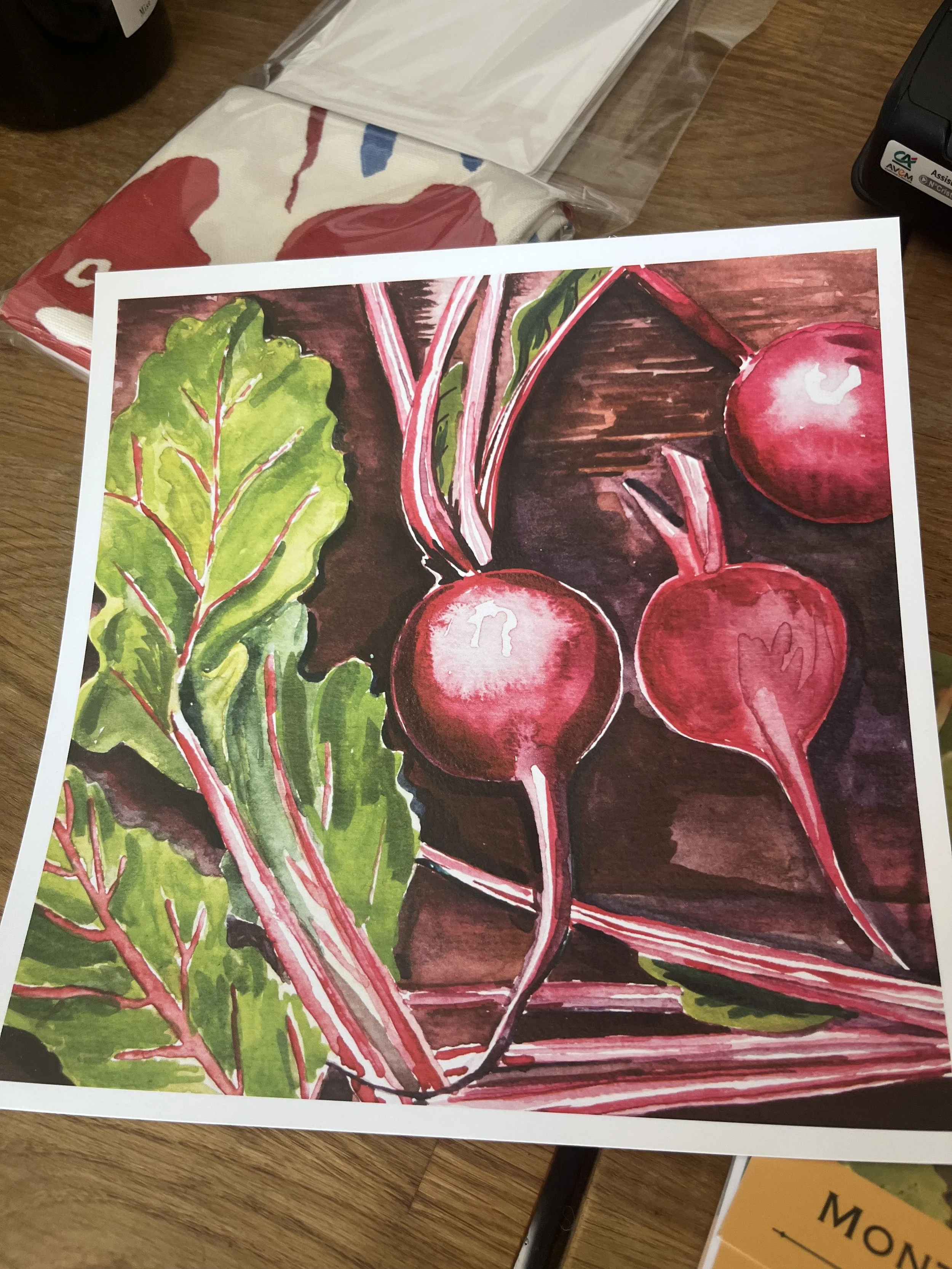
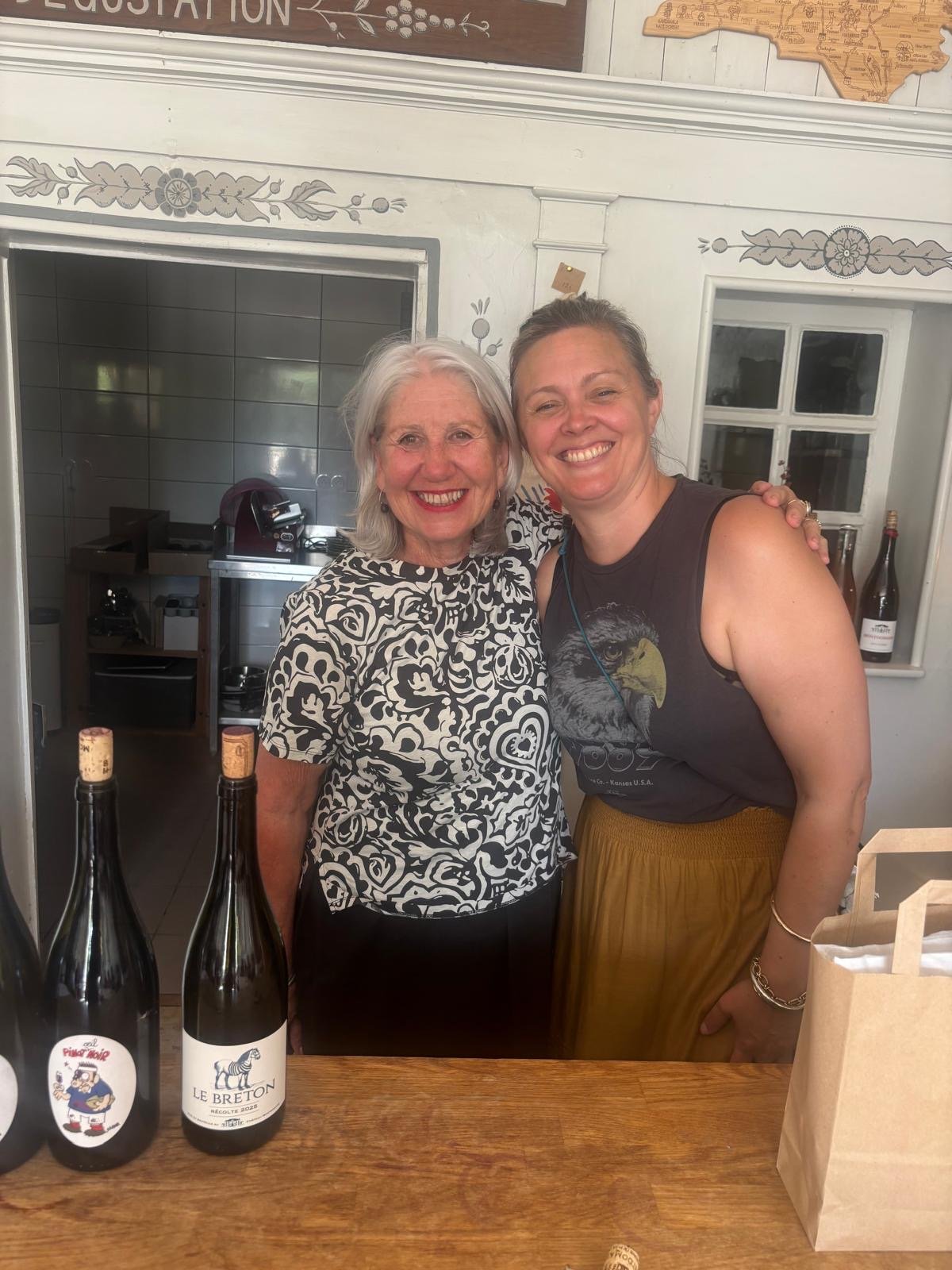
Nevertheless, I still felt we were missing a winery visit and tasting. Aimad suggested Montdomaine. An English accent answered my phone call and, fortunately for us, a couple had just cancelled, so we secured their place. After our walking tour in Amboise—and for some, a visit to Leonardo da Vinci's final home, Clos Lucé, where he died at the age of 67—we arrived at Montdomaine at 1.30 pm. It proved to be one of the best winery visits I have ever experienced, and I have visited many. Louisa with a very English accent, welcomed us warmly. She met her future husband, Fred, the winemaker, in a bar in Amboise while cycling through France with friends. That young woman from Hertfordshire now manages the tastings and visitor experience at Montdomaine. As she laughingly told us, there was no way she was giving up their beautiful old house when they moved their twelve years ago. The centuries-old caves dug into the limestone cliffs on the property now house barrels of fermenting wines sourced from their several vineyard sites, including Vouvray and surrounding appellations. Louisa gave a fascinating explanation of their organic and biodynamic vineyard practices before leading us through a tasting of their wines: Crémant, Sauvignon Blanc (very different from New Zealand's style), Rosé, Gamay, Pinot Noir and Cô (Malbec). An accomplished artist as well, she also create beautiful tea towels, prints, aprons, cushions and small plates. Many of us came away with a special memento of an authentic French wine-making family whose history stretches back generations.
It was a delightful visit and certainly one of the highlights of our time in the Loire.
Four nights in this lively city on the Loire River confirmed once again that Tours is the perfect base for a New Zealand tour group. Rich in history, full of life and wonderfully located, it remains every bit as appealing today as it must have been for those who settled here after the Romans many centuries ago.