
Fields of Peace, Fields of Memory
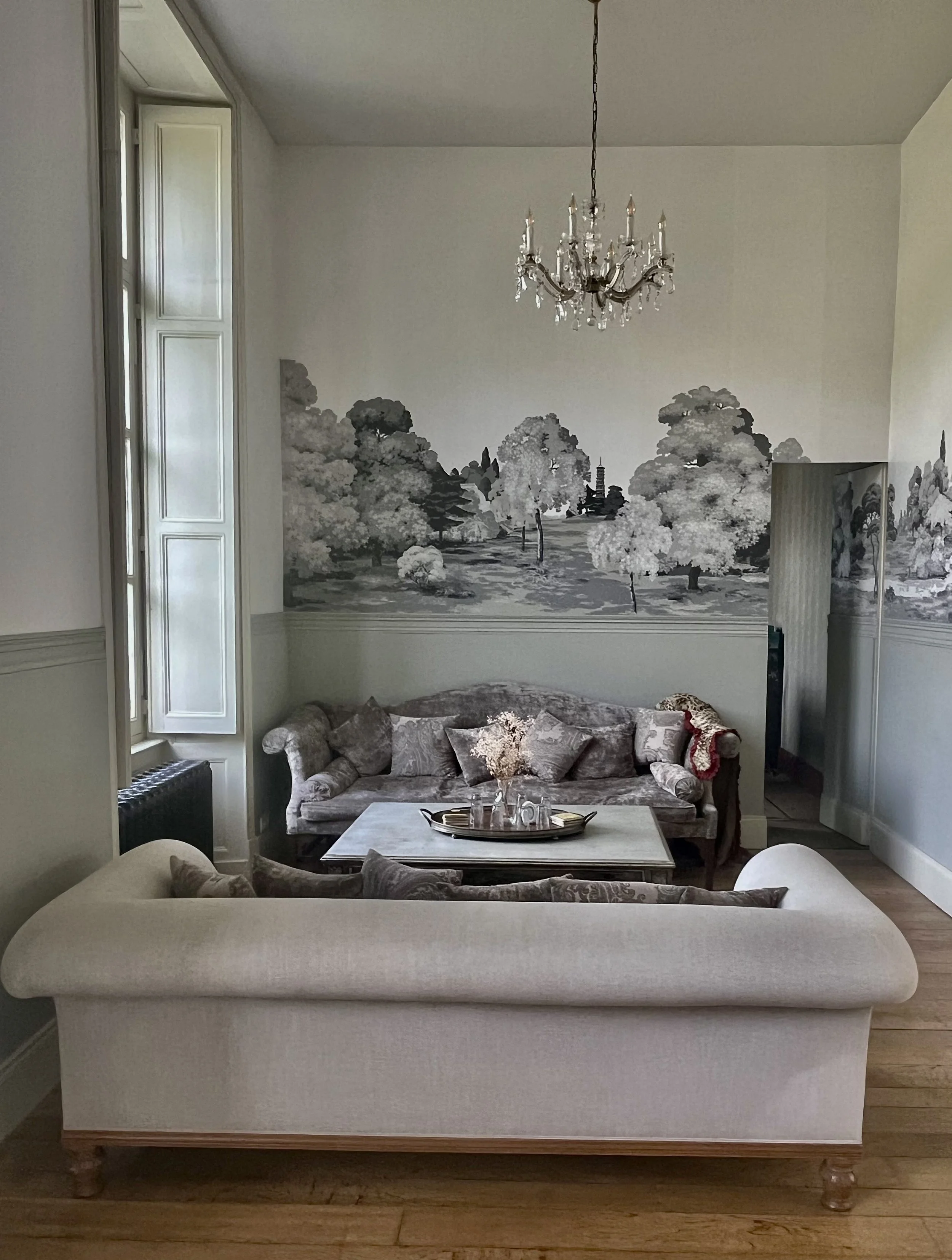
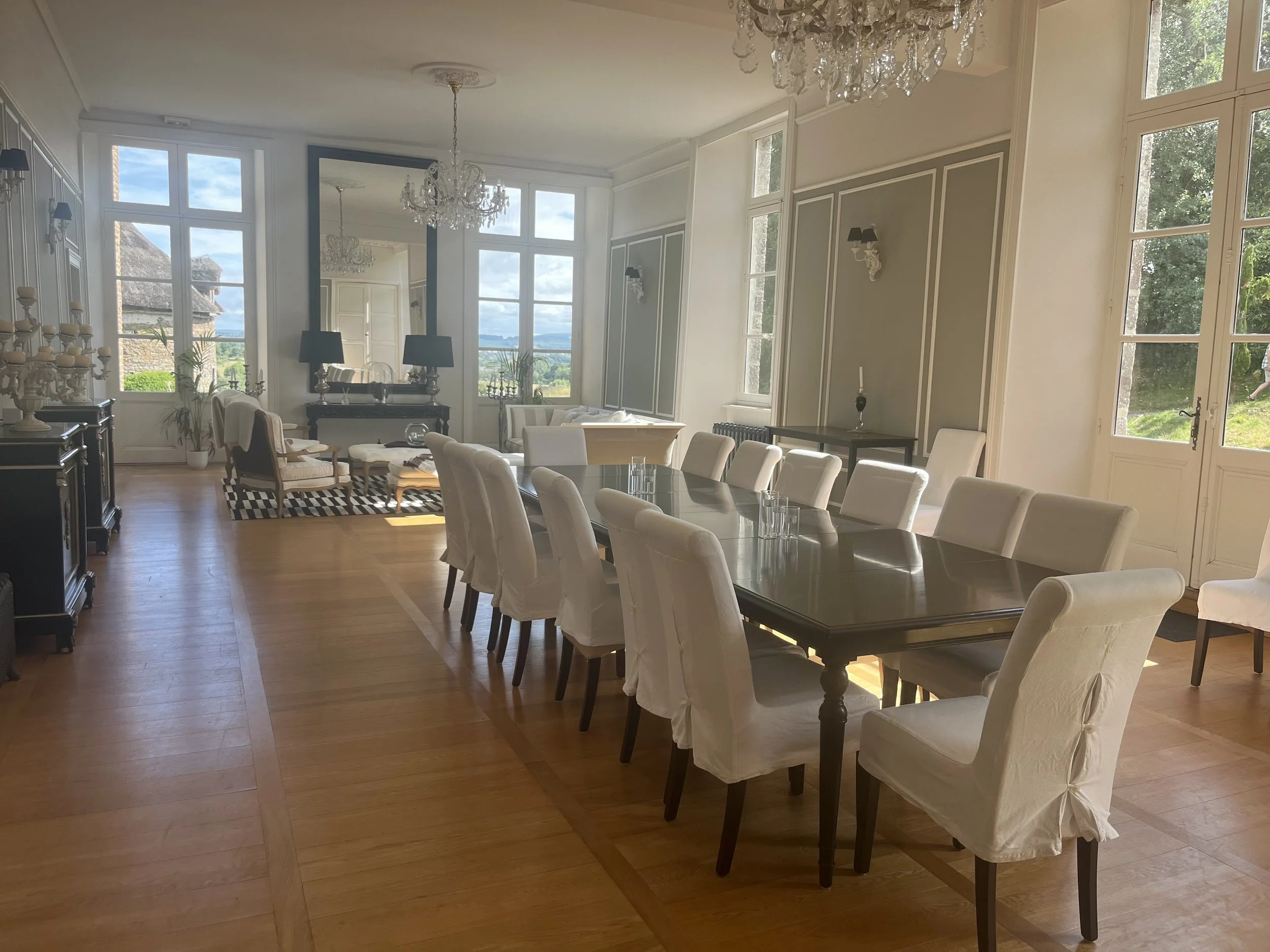
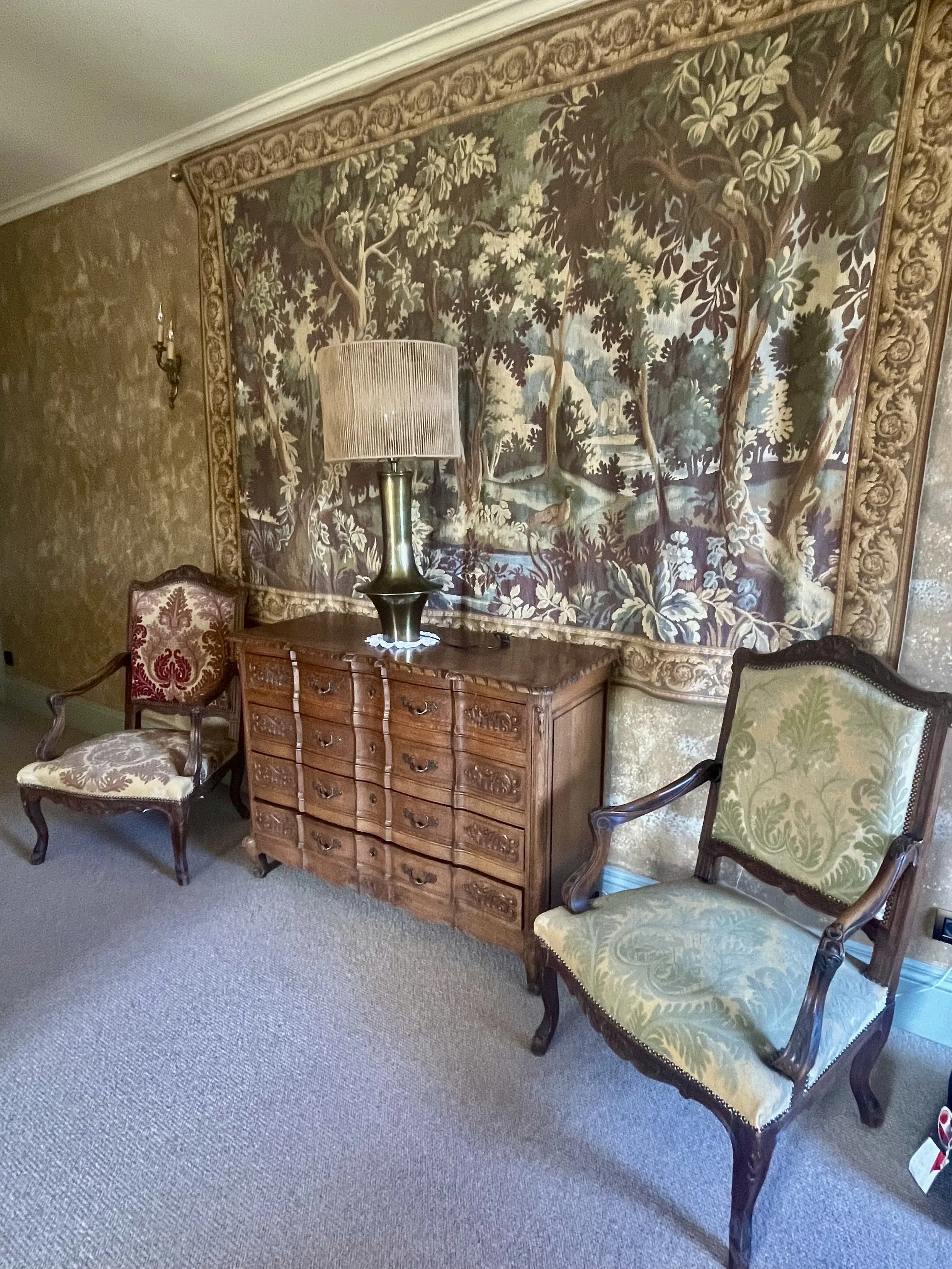
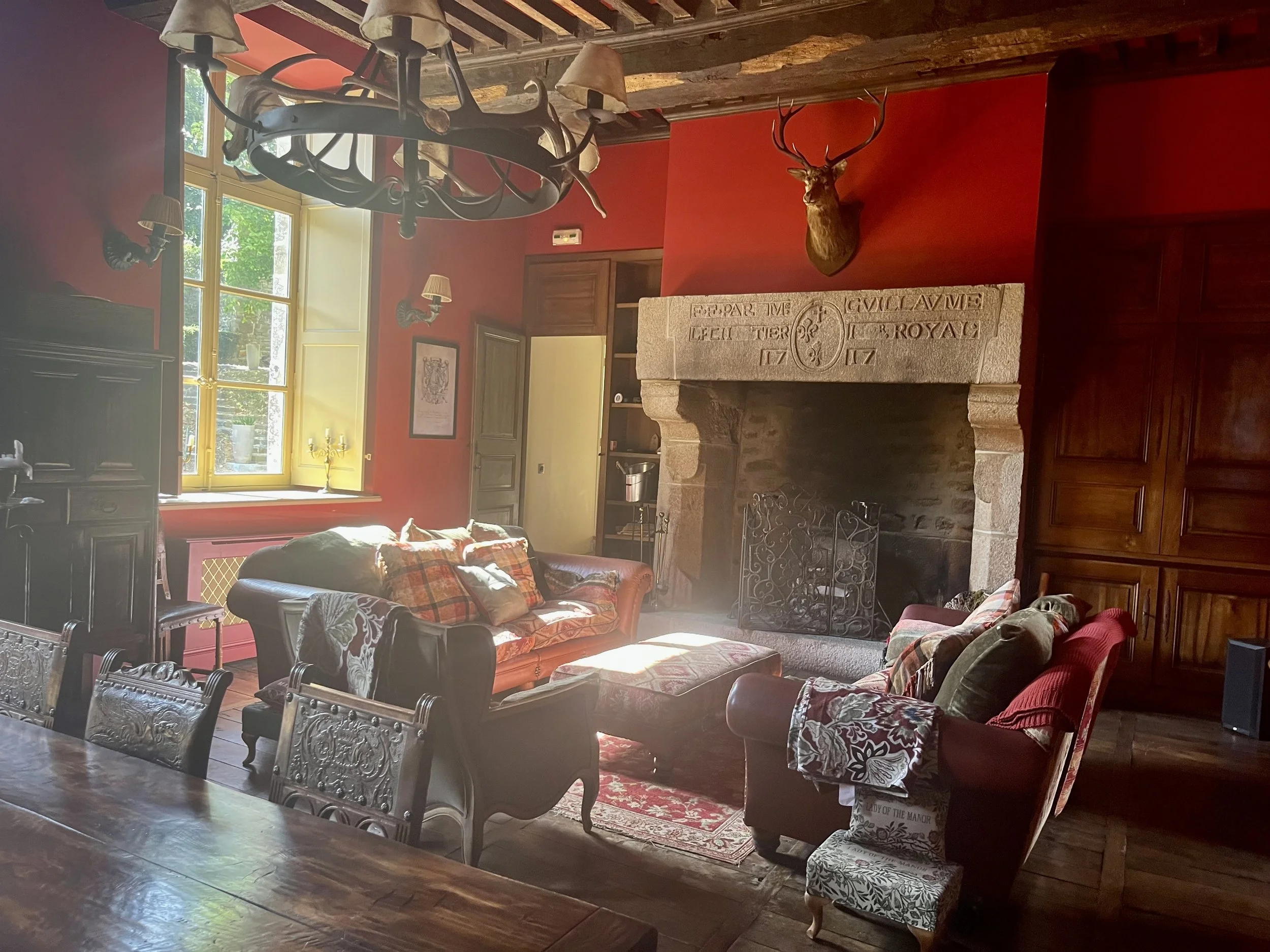
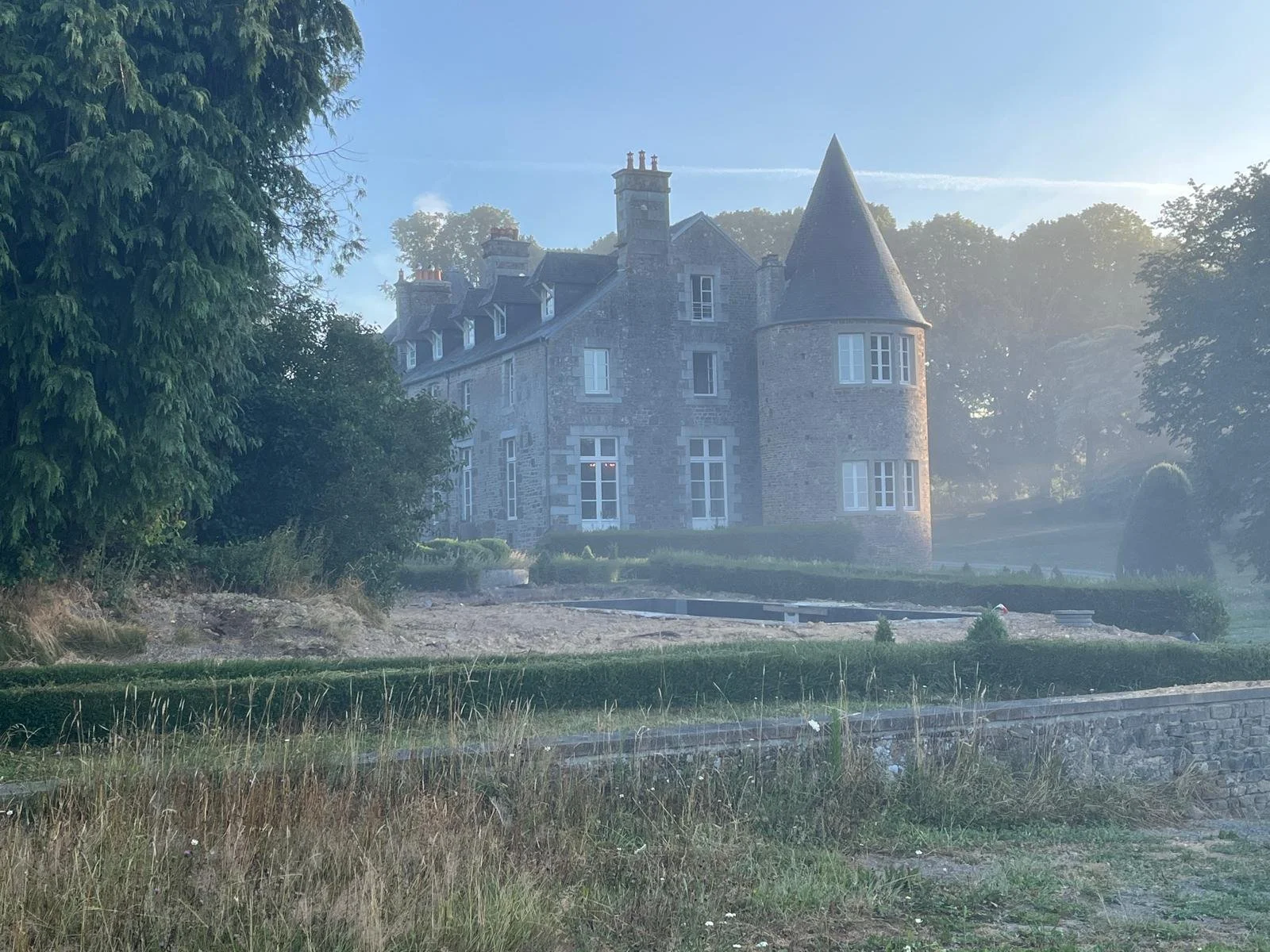
Returning to Normandy for the final week of our French tour has been a fitting finale. Our home is Château Quatre Sassion, tucked into the rolling Norman countryside. We are surrounded by peace and quietness, yet enjoying all the grandeur of a genuine château, complete with turret libraries magnificent reception rooms, vast bedrooms and a dining table long enough to seat seventeen. It is hard not to feel rather spoiled.
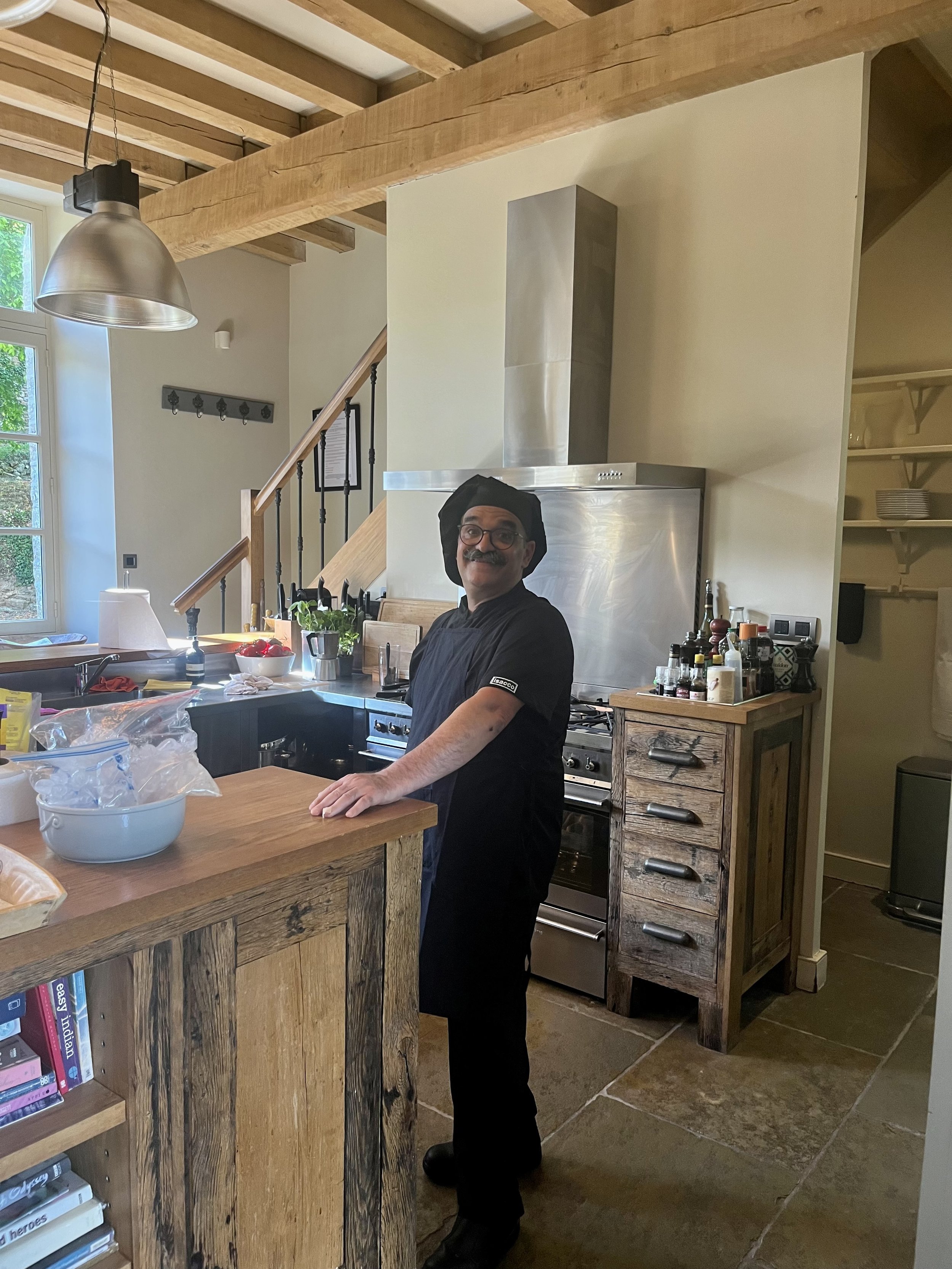
Alessandro has happily settled into his kitchen and, as always, has wasted no time befriending the local butcher, baker, fishmonger, and fruit and vegetable merchant. Before long, we are eating not simply local produce, but the very best the district has to offer.
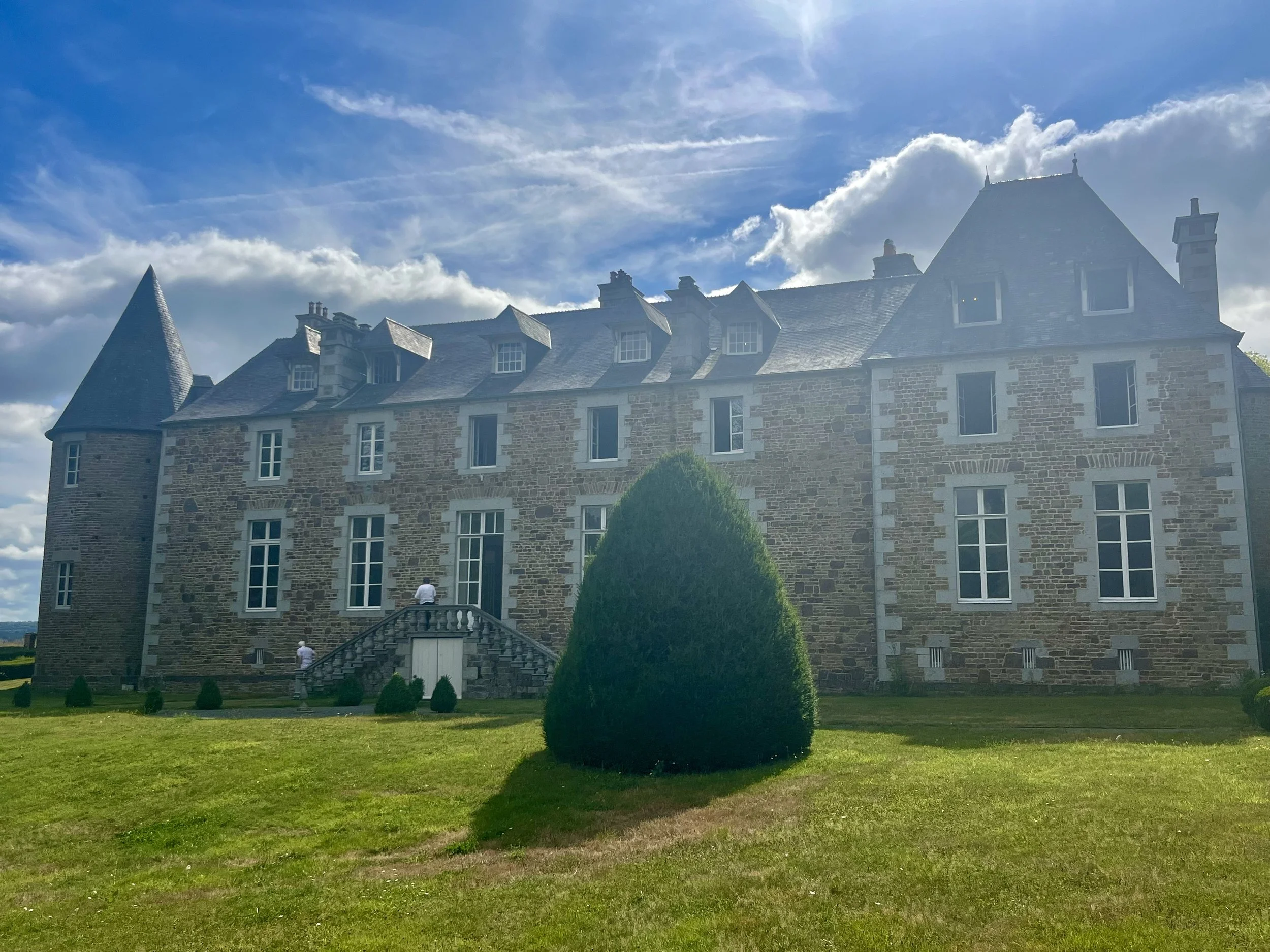
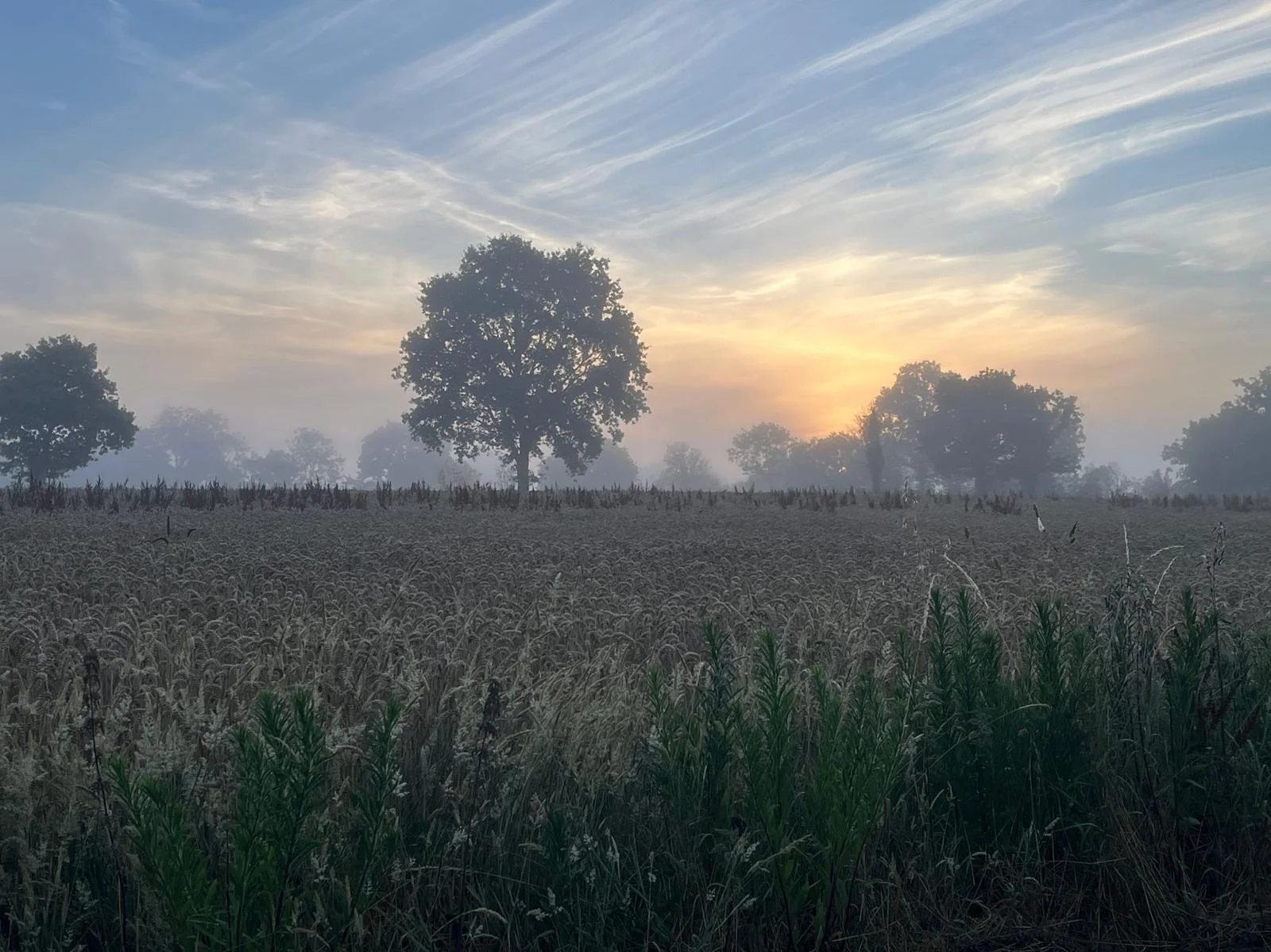
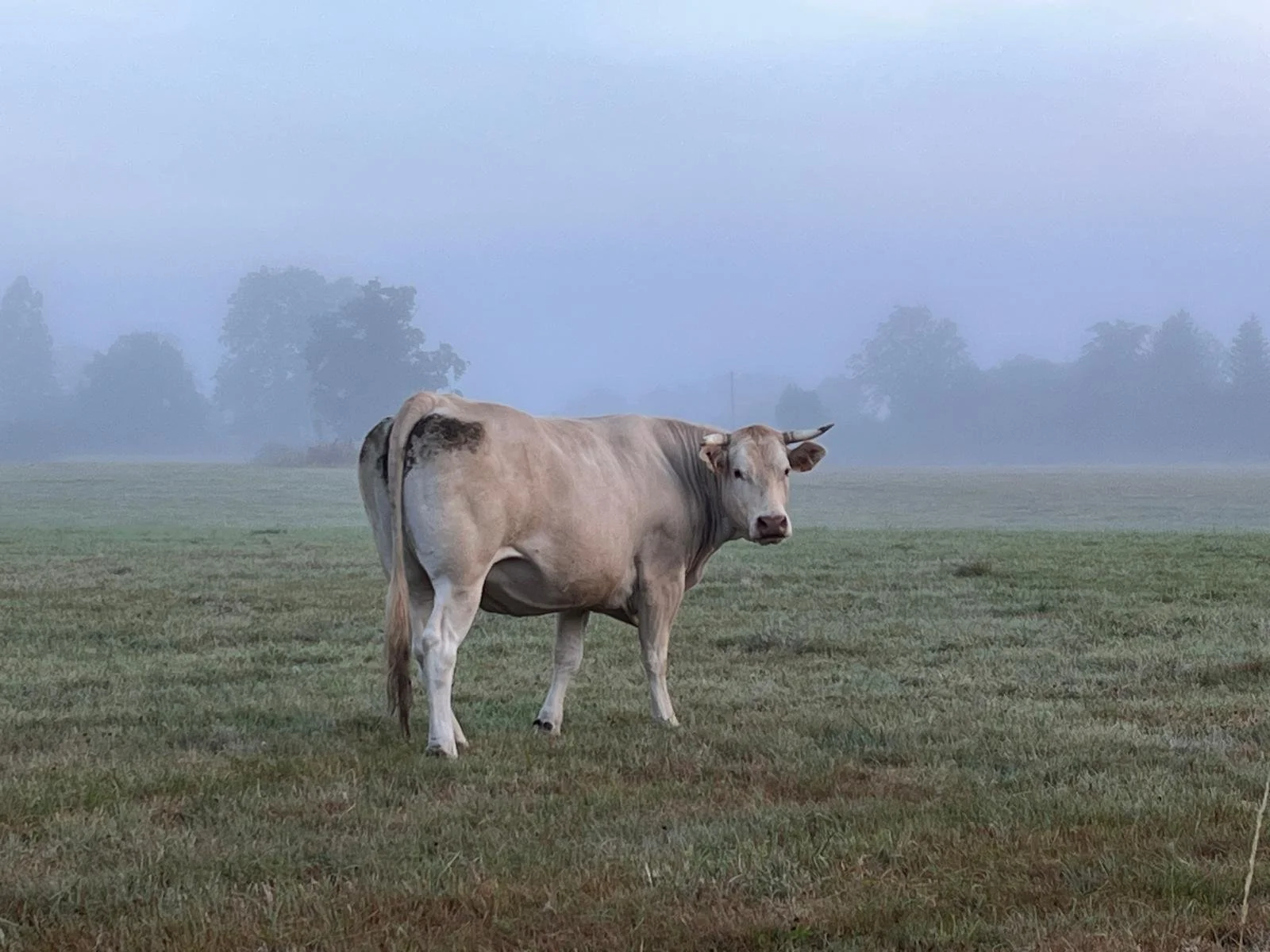
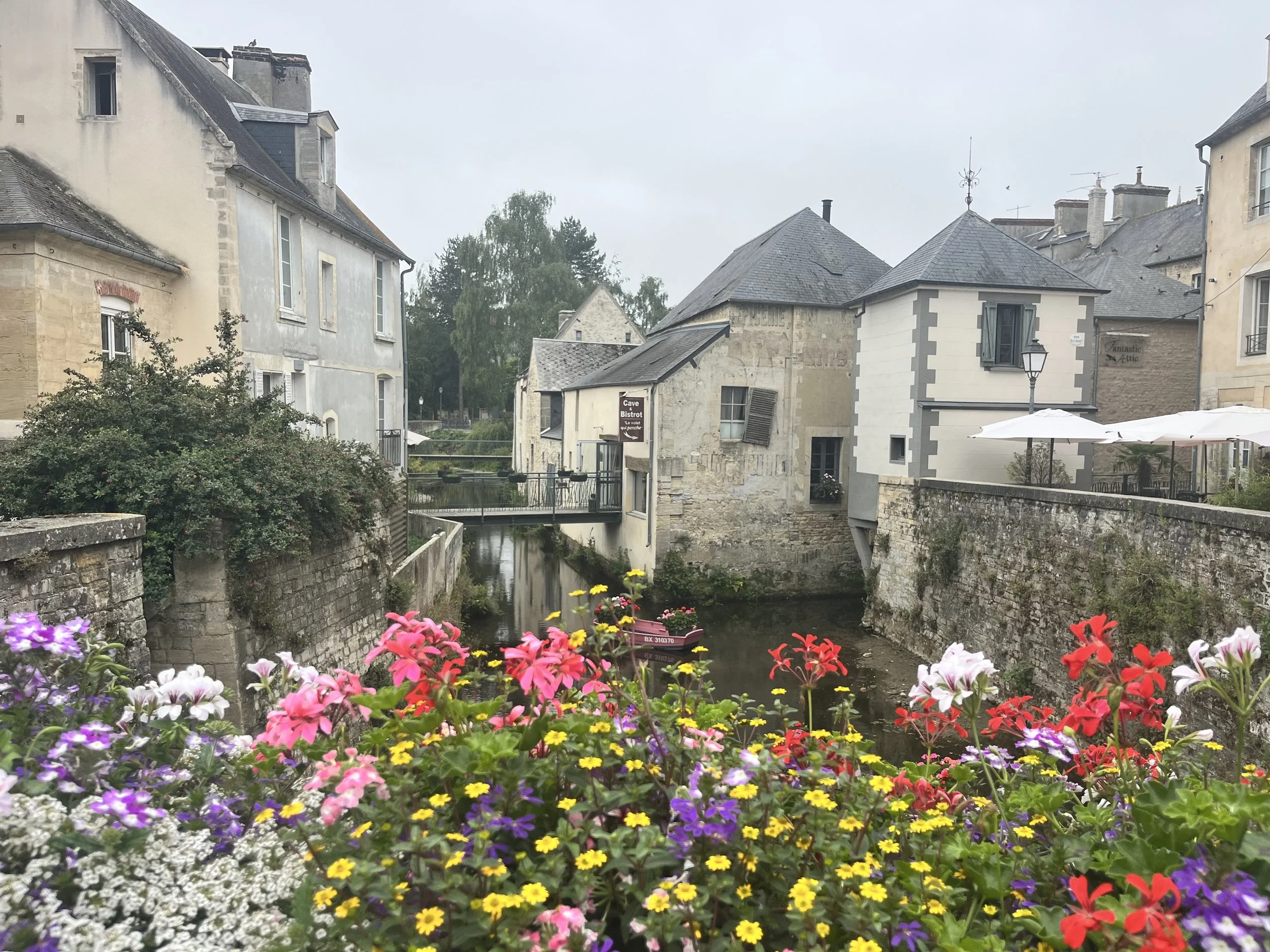
Our daily drives have taken us along Normandy's winding country lanes, where the roads disappear between the famous bocage—the distinctive landscape of thick hedgerows growing atop ancient earth banks that divide the countryside into a patchwork of small fields. It is an ancient farming landscape that has remained largely unchanged for centuries. Around every bend lies another picture-perfect village, each decorated with baskets overflowing with summer flowers.
Yet beneath this peaceful landscape lies one of the most significant battlefields of the twentieth century.
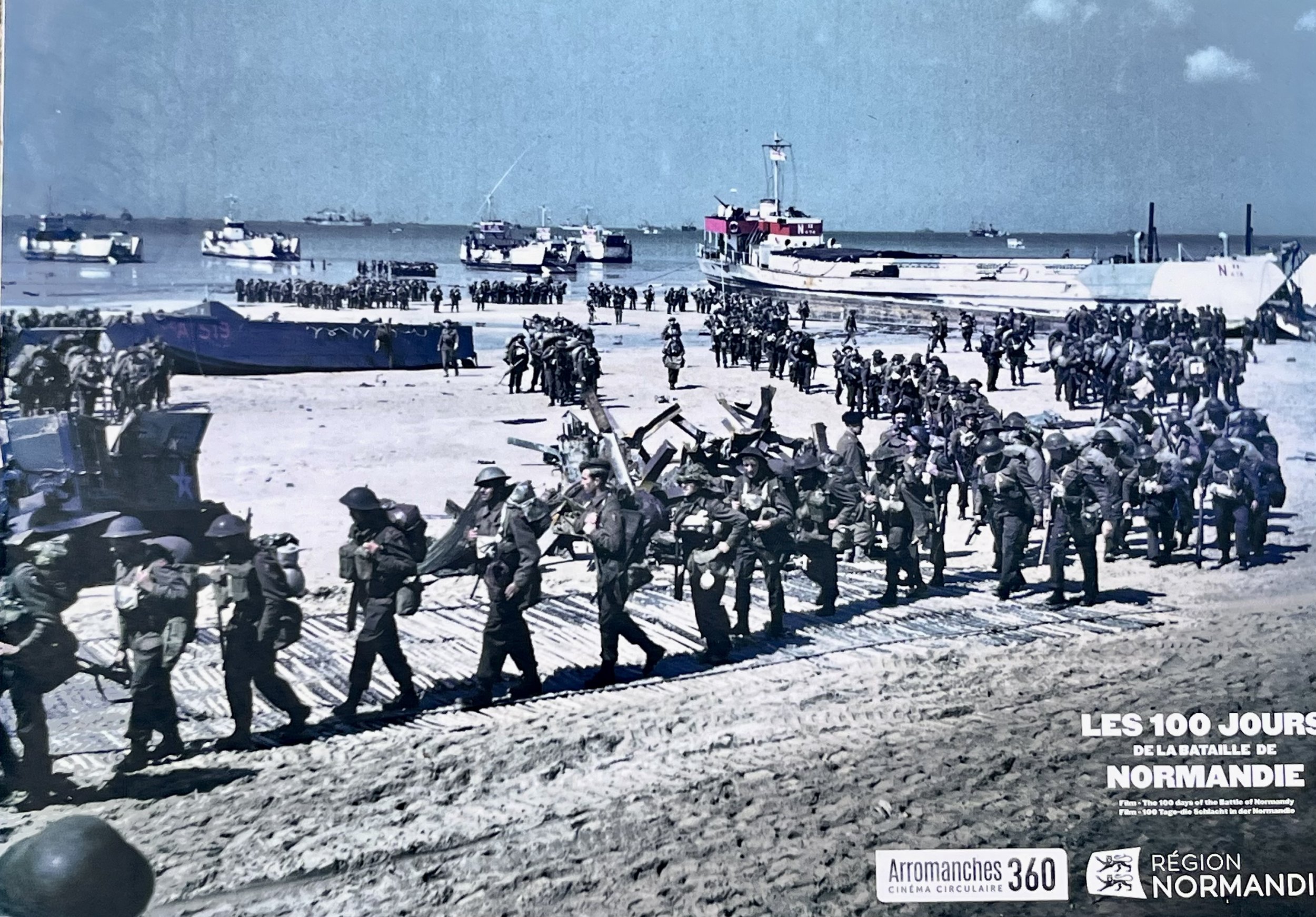
The Allied landings of 6 June 1944 changed not only the course of the Second World War but also marked the beginning of the liberation of Western Europe from Nazi occupation. Standing here today, surrounded by tranquil fields and grazing cattle, it is almost impossible to comprehend the sheer scale of what unfolded. More than 160,000 troops landed on a single day, supported by some 20,000 airborne troops, over 1,200 warships, more than 4,000 transport vessels, 1,600 support ships and almost 11,700 aircraft.
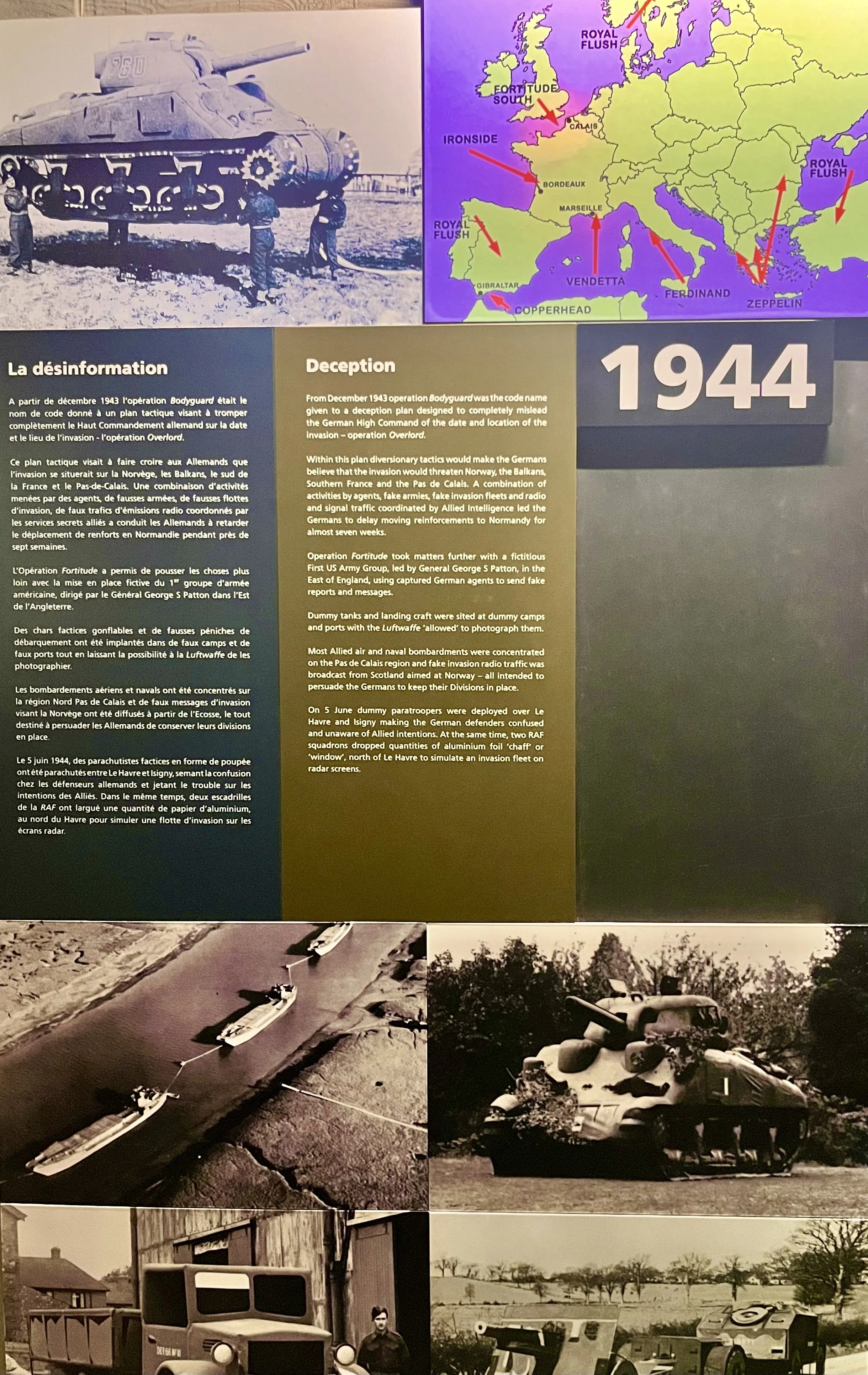
Behind these astonishing numbers was an equally remarkable logistical achievement. Every soldier required food, water, ammunition, fuel, medical care, replacement equipment and constant resupply. The invasion remains one of history's greatest feats of organisation, proving that wars are won as much through logistics as through tactics.
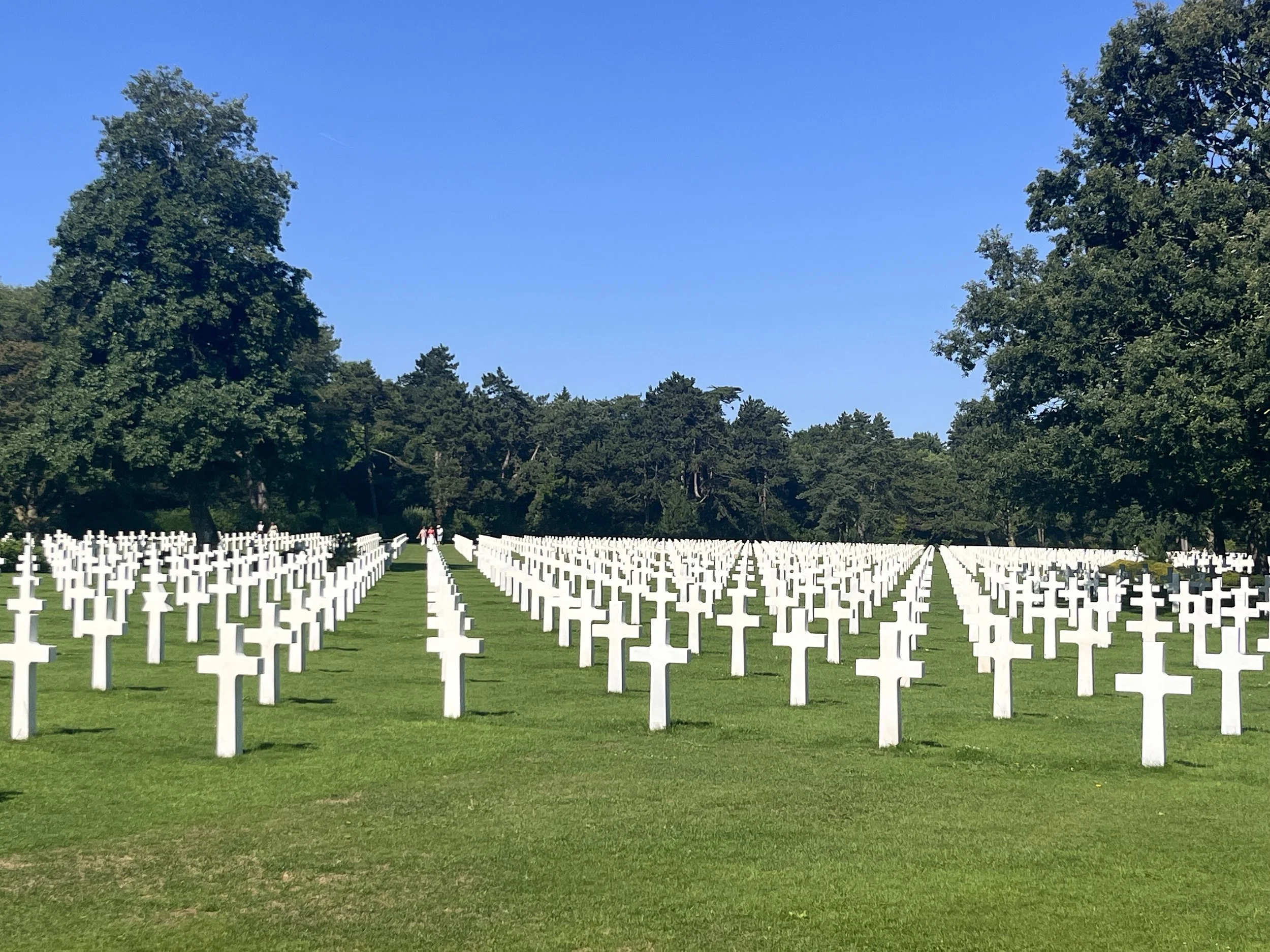
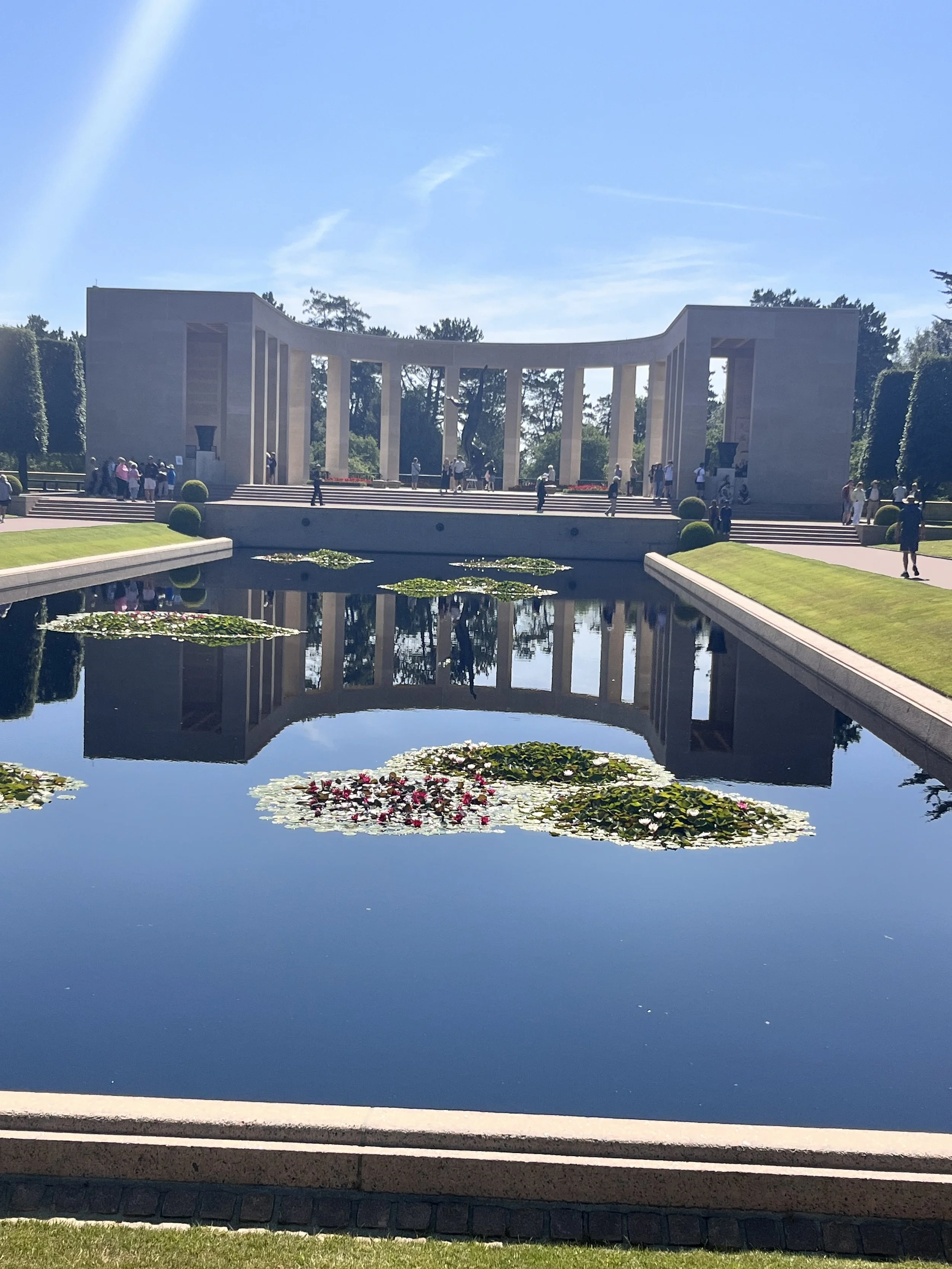
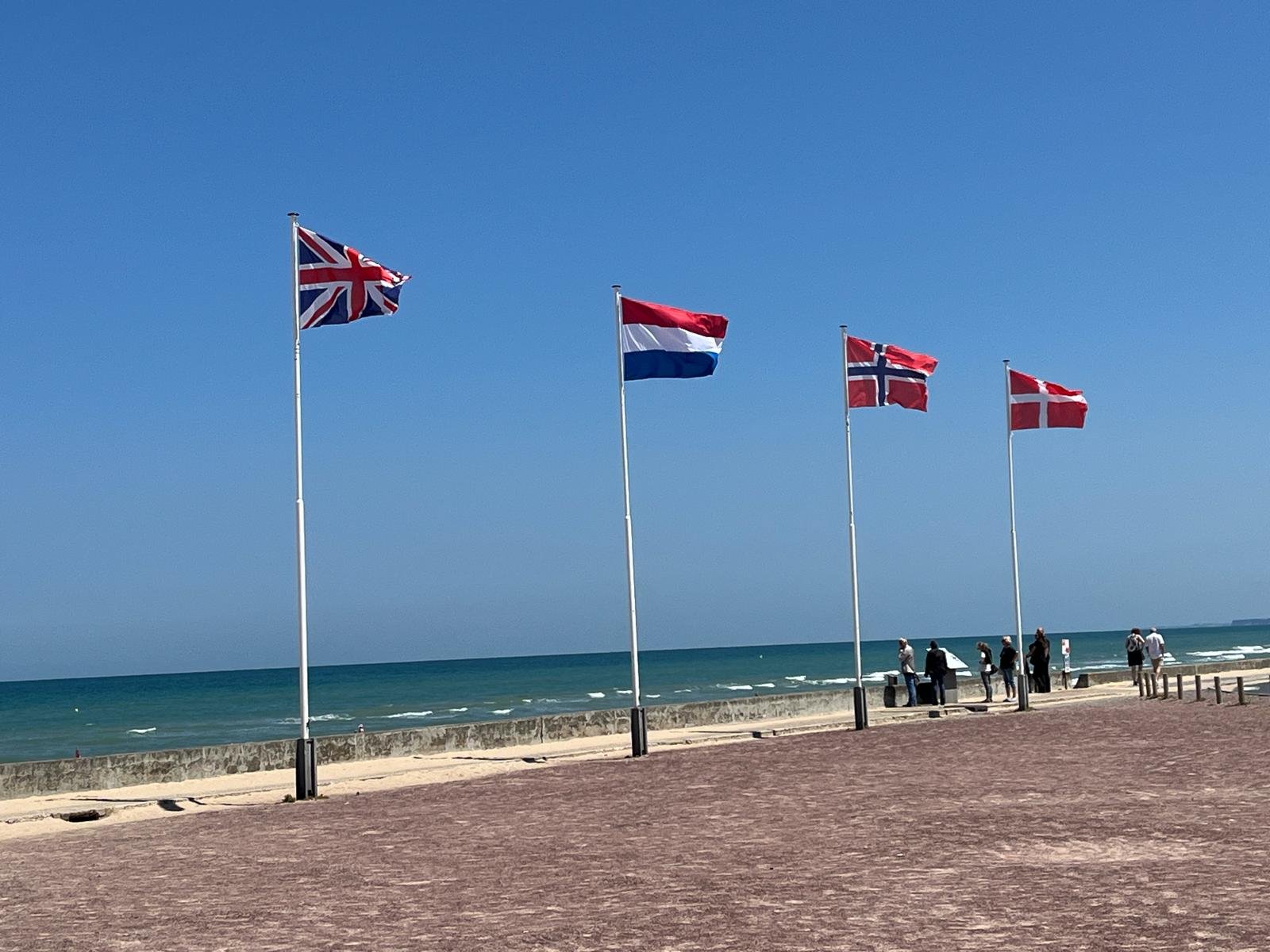
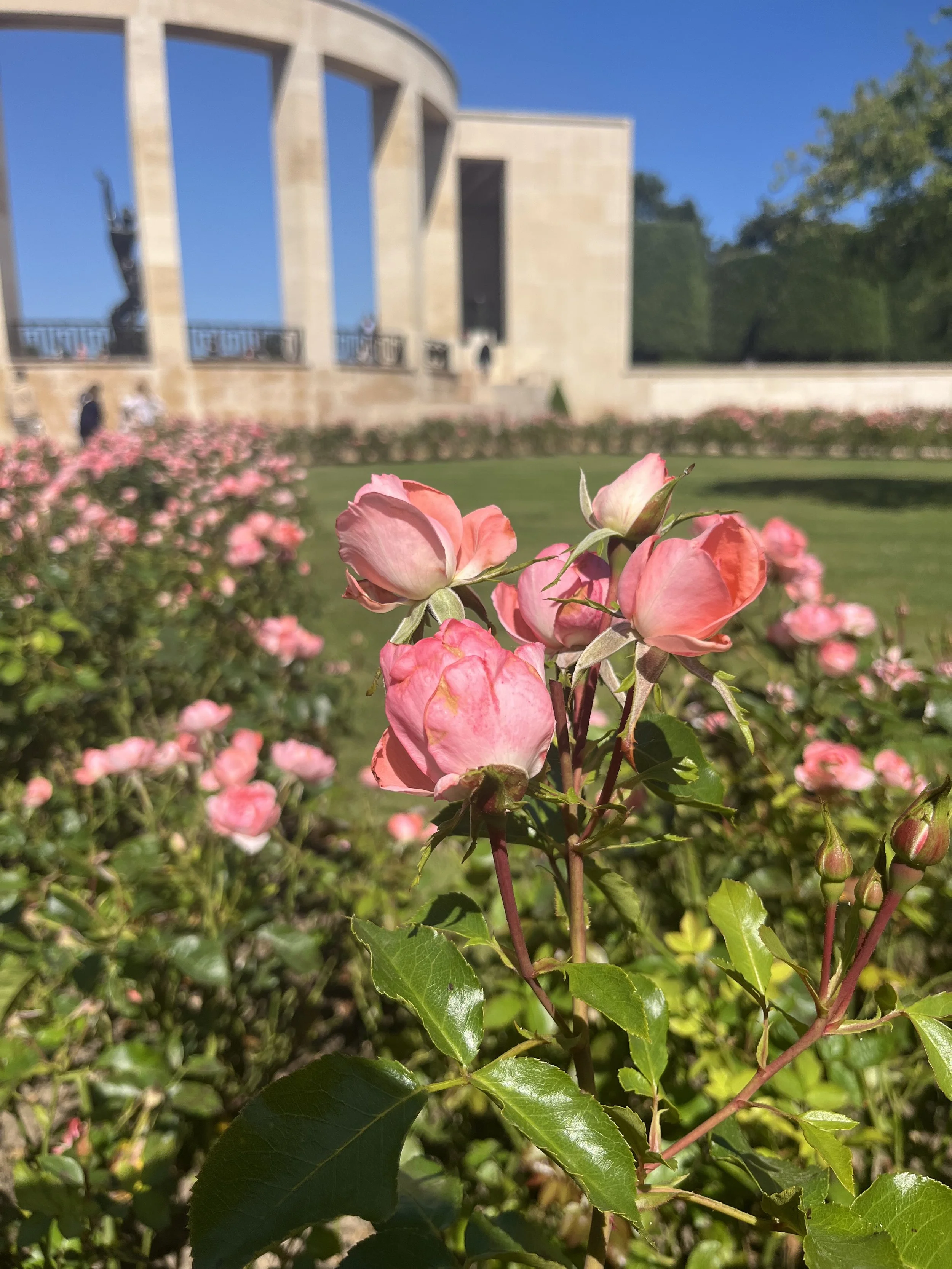
As we travelled through Bayeux, Saint-Lô, Caen, Arromanches and Falaise, history became intensely personal. The American Cemetery overlooks Omaha Beach with quiet dignity. The Overlord Museum tells the military story, while the remarkable 360-degree cinema at Arromanches immersed us in archive film of the invasion. Most moving of all was the Memorial for Civilians in Wartime at Falaise, reminding us that the greatest burden was often carried by ordinary people.
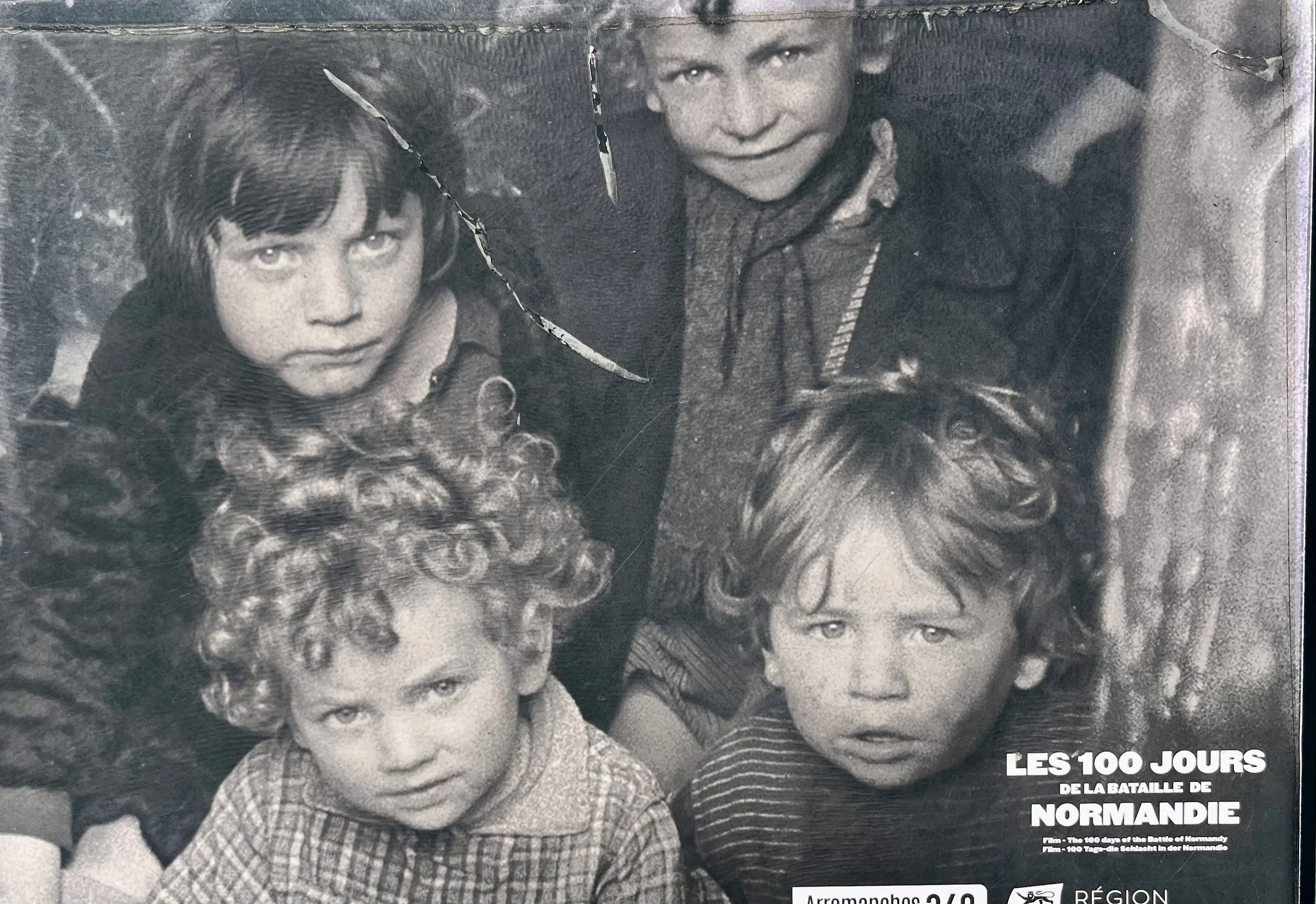
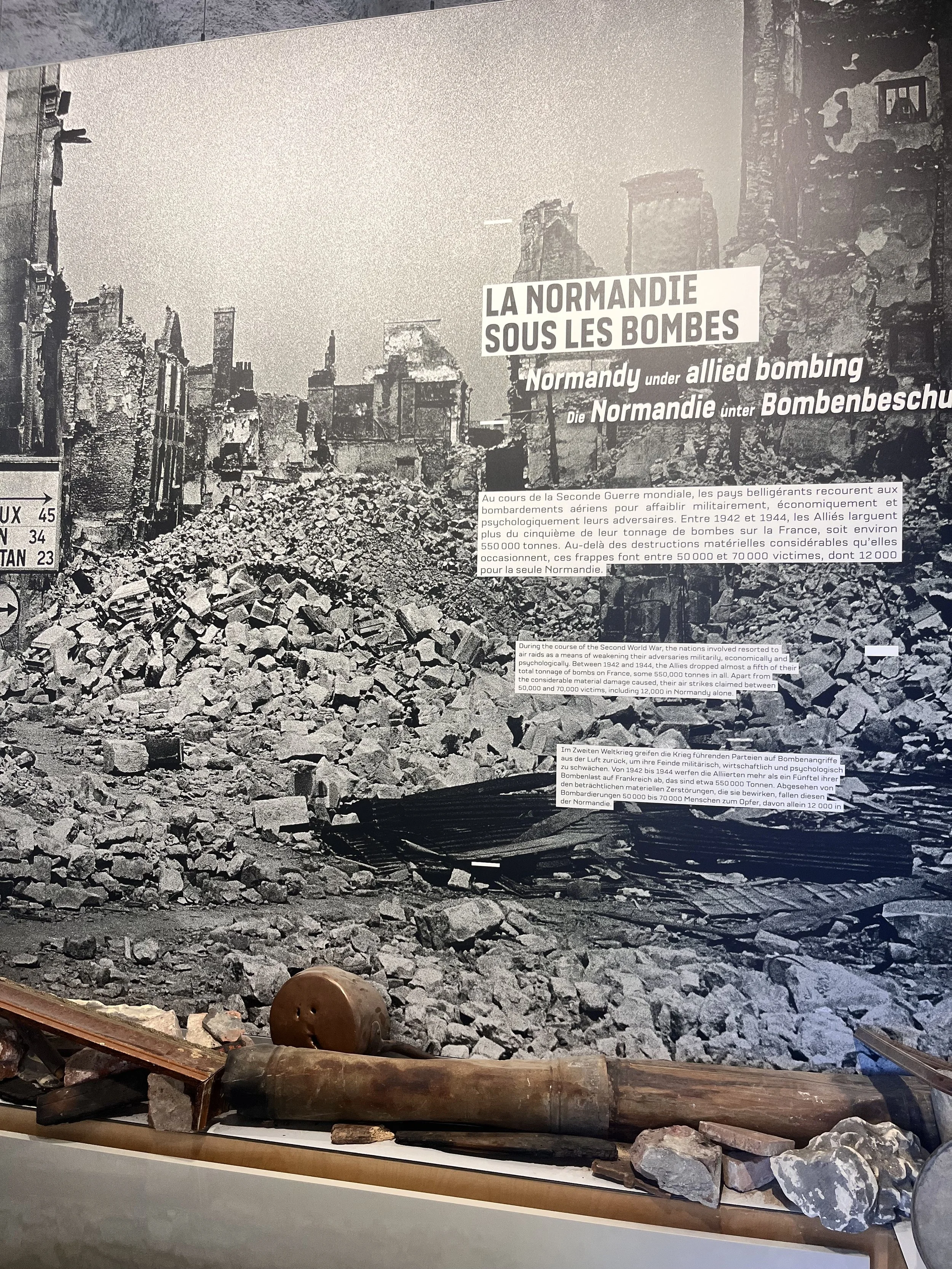
The towns and villages of Normandy suffered enormously. Up to 20,000 Norman civilians lost their lives during the campaign, many caught beneath Allied bombing intended to destroy German positions. Entire communities disappeared, and countless families lost everything. It is impossible to visit this region without feeling both gratitude for the liberation that followed and heartbreak for the terrible price its people paid. Here in Normandy, freedom came at a devastating cost.
Today, however, Normandy has rebuilt with remarkable resilience while retaining its traditions and unmistakable character. Between museum visits we have happily sampled crisp cider, magnificent cheeses, artisan charcuterie and beautifully fresh seafood—simple pleasures that speak of a region proud of its heritage.
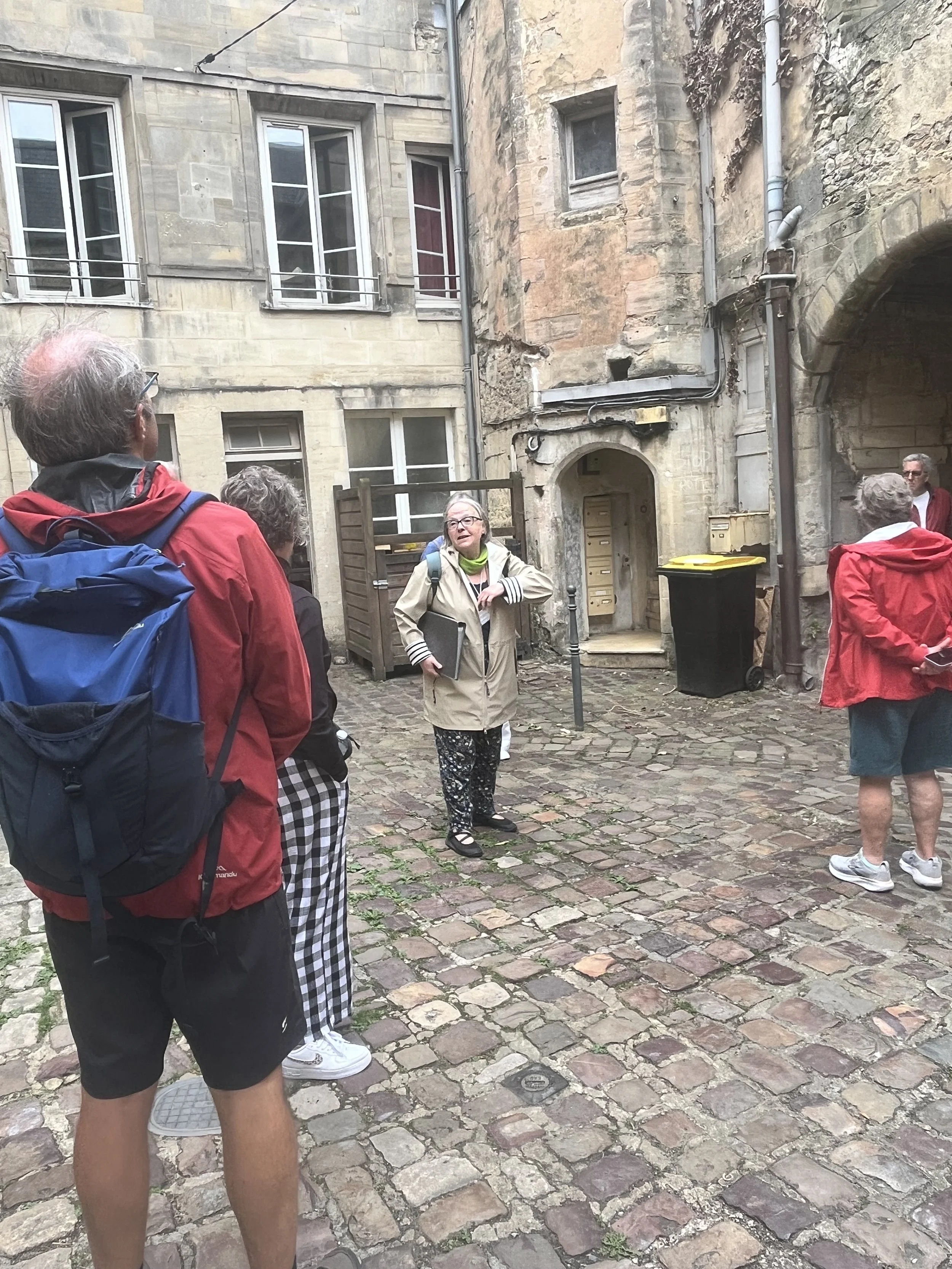
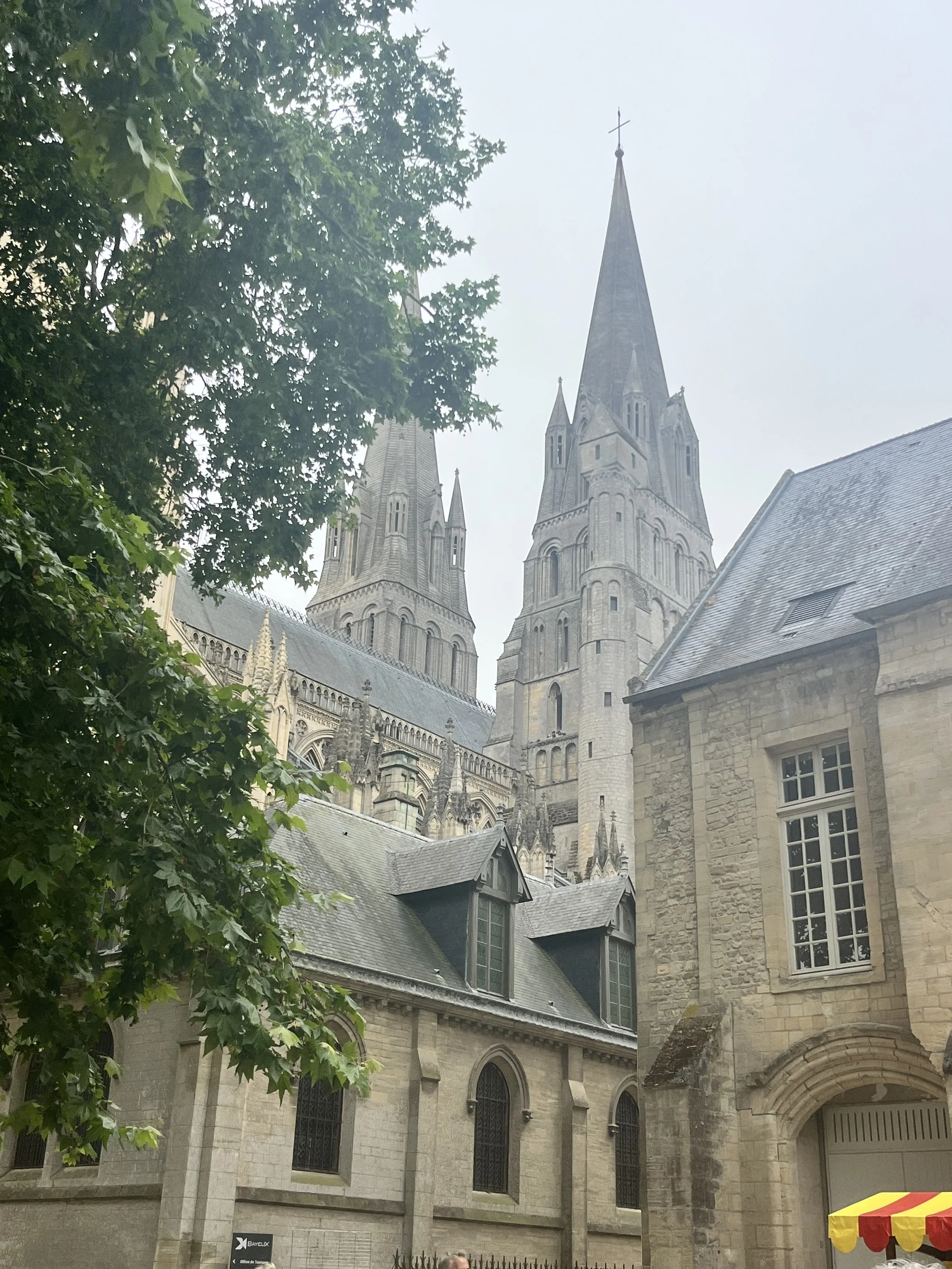
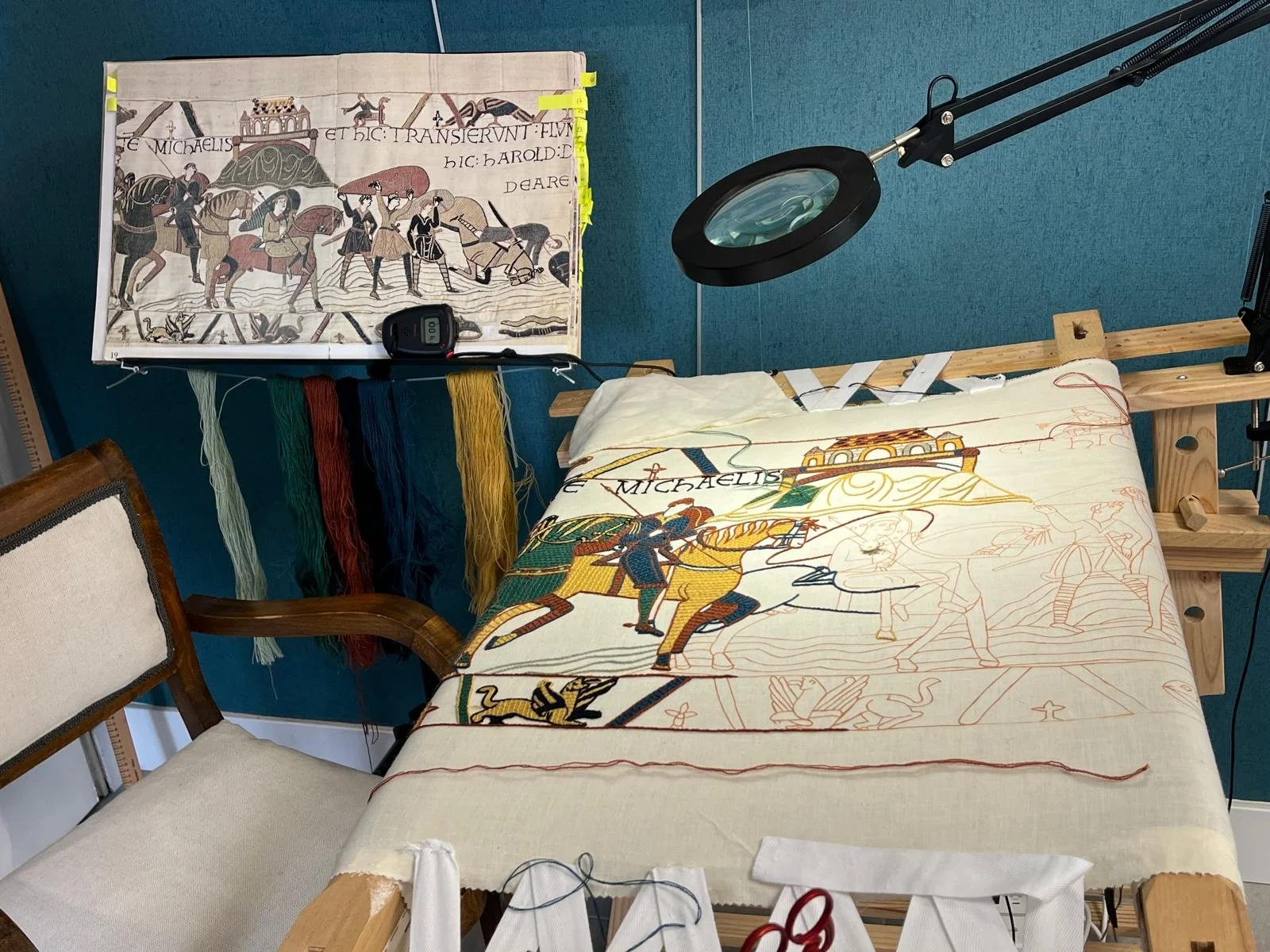
The famous Bayeux Tapestry is preparing for an adventure of its own. Soon it will travel to the British Museum while a new home is created for it back in Bayeux. The extraordinary 450-foot embroidery has been carefully packed, and although the town will undoubtedly miss its greatest treasure, everyone is already looking forward to welcoming it home again. Our guide, Marie-Noëlle, brought medieval Bayeux vividly to life, explaining not only the tapestry but also the fascinating history of this beautiful cathedral city. As we wandered through the streets, preparations were underway for the annual Medieval Festival. Sadly, our timing meant we missed the celebrations by only a few days.
No French journey would be complete without gardens.
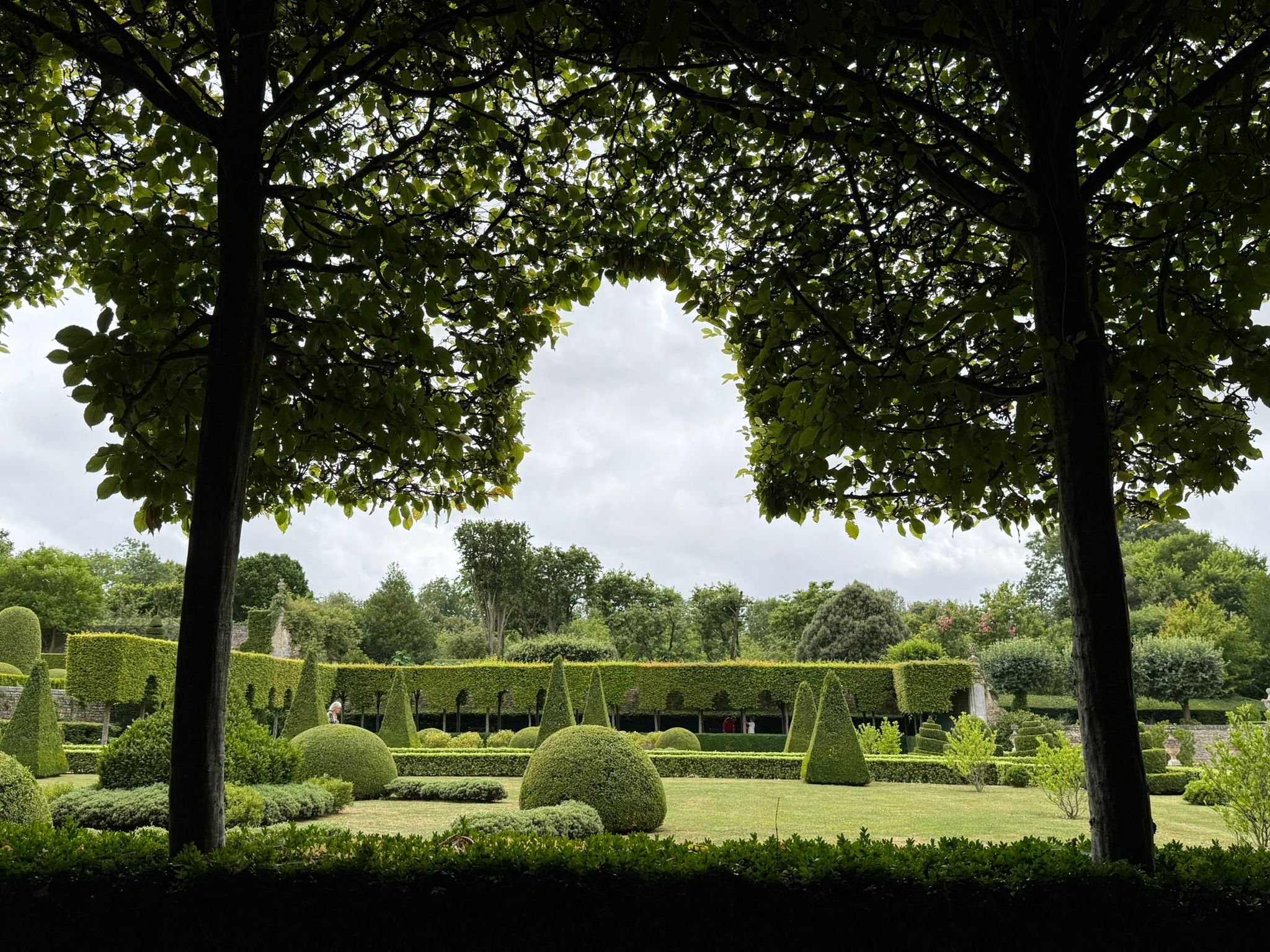
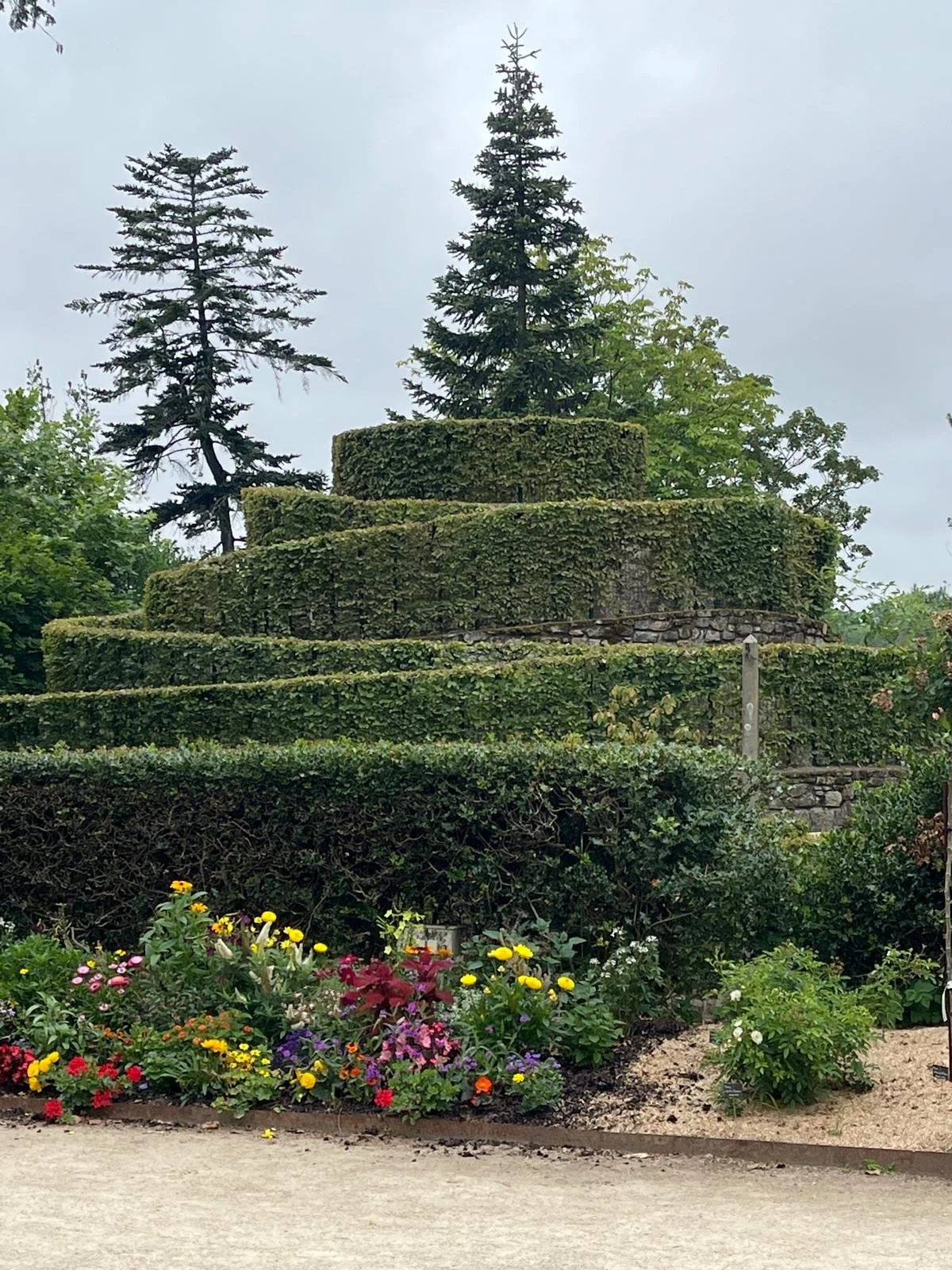
The formal beauty of Jardin du Brécy never disappoints. Entering through an unassuming doorway, visitors are suddenly confronted by perfectly clipped terraces, elegant topiary and a breathtaking sequence of formal garden rooms. It is French garden design at its most refined.
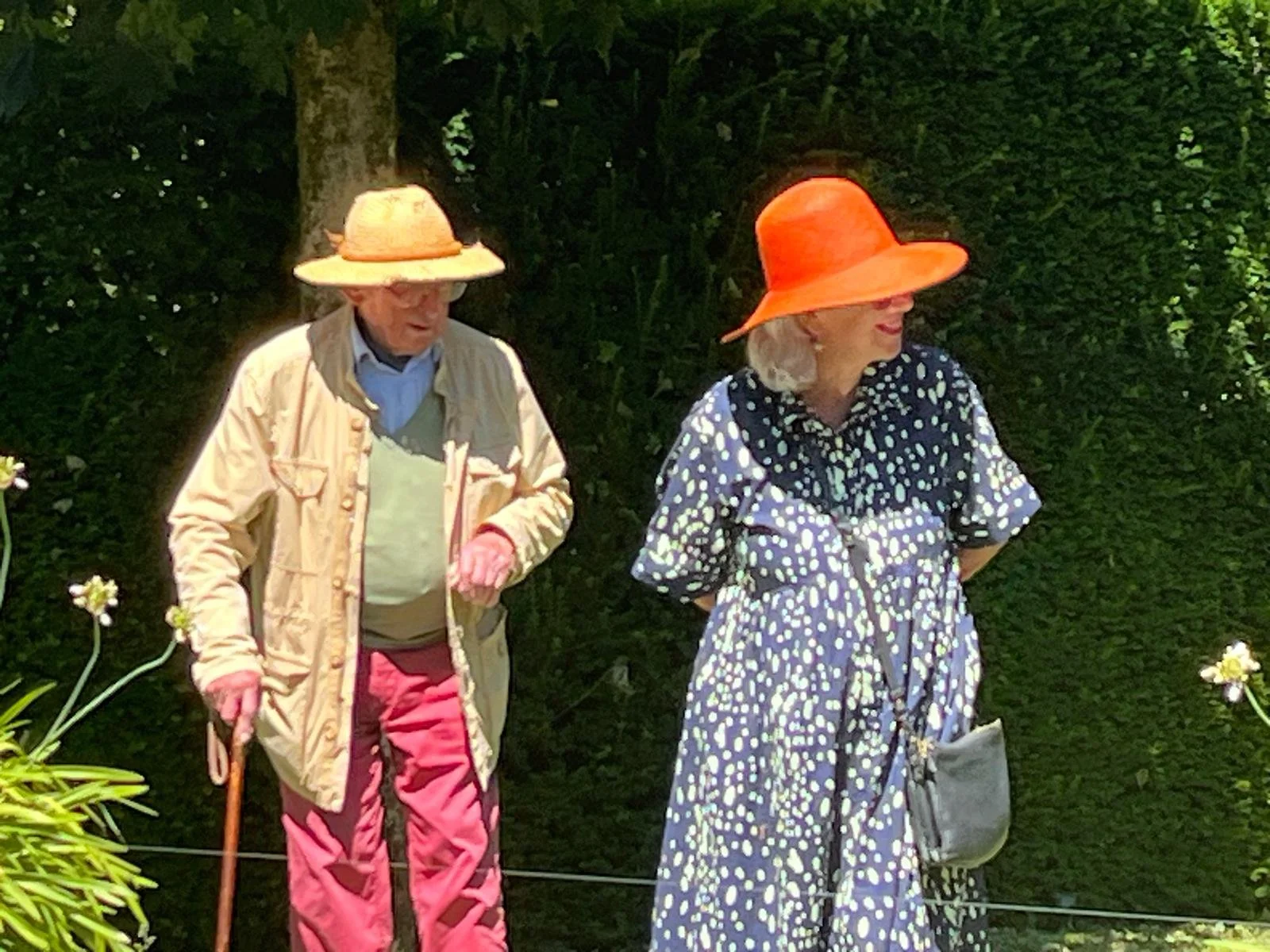
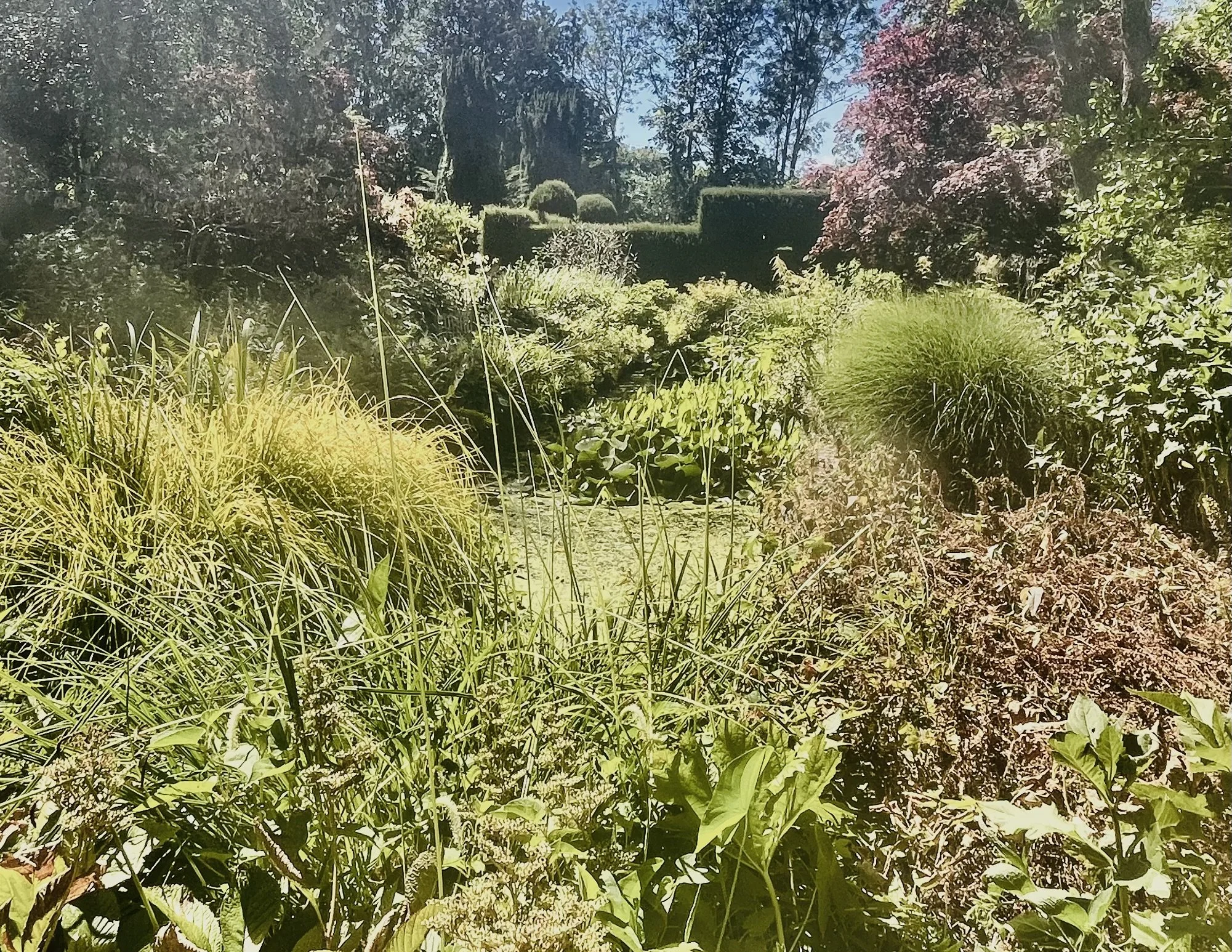
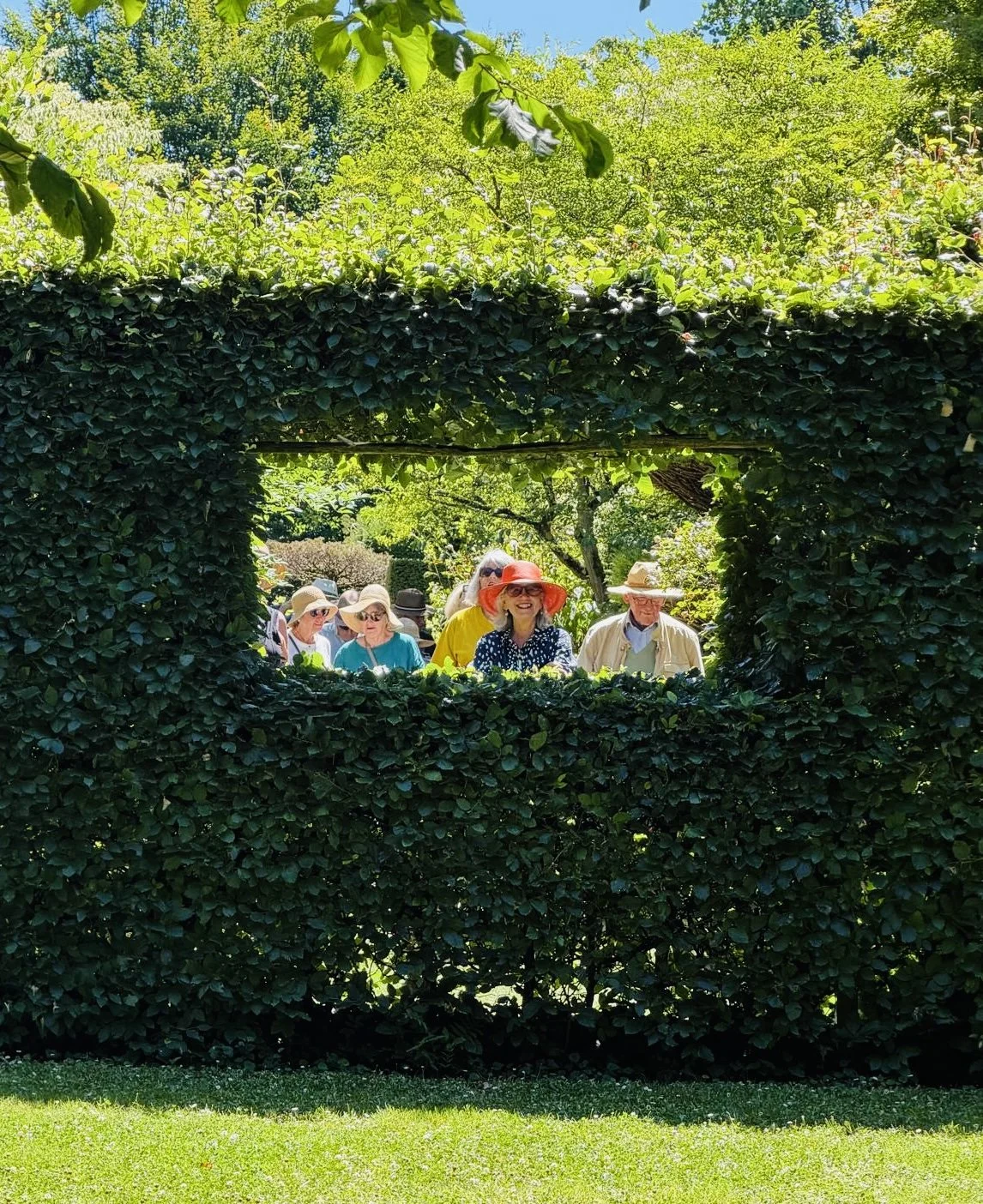
For me, though, the highlight was returning to Jardin des Castillon, a garden that has held a special place in my heart since my first visit more than a decade ago. Colette and Hubert are now well into their later years, and although time has softened the immaculate precision the garden once displayed, it has lost none of its soul. Ninety-four-year-old Hubert insisted on personally guiding us through the garden, proudly introducing favourite trees and cherished perennials. Together they created what was once an internationally renowned garden and nursery. They continue to welcome visitors with extraordinary warmth and generosity. Some gardens are memorable because of their plants; this one is equally memorable because of the remarkable couple who created it.
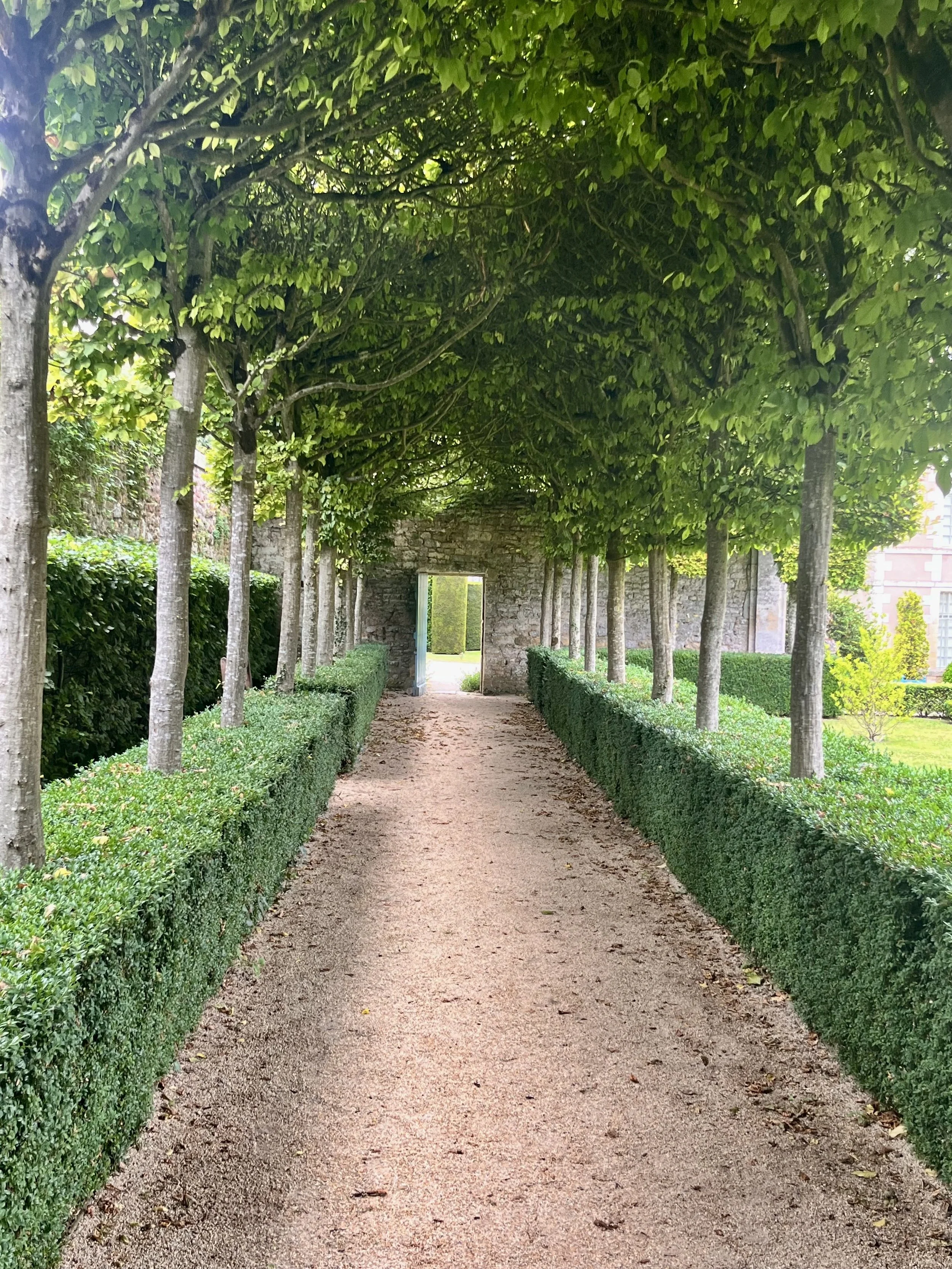
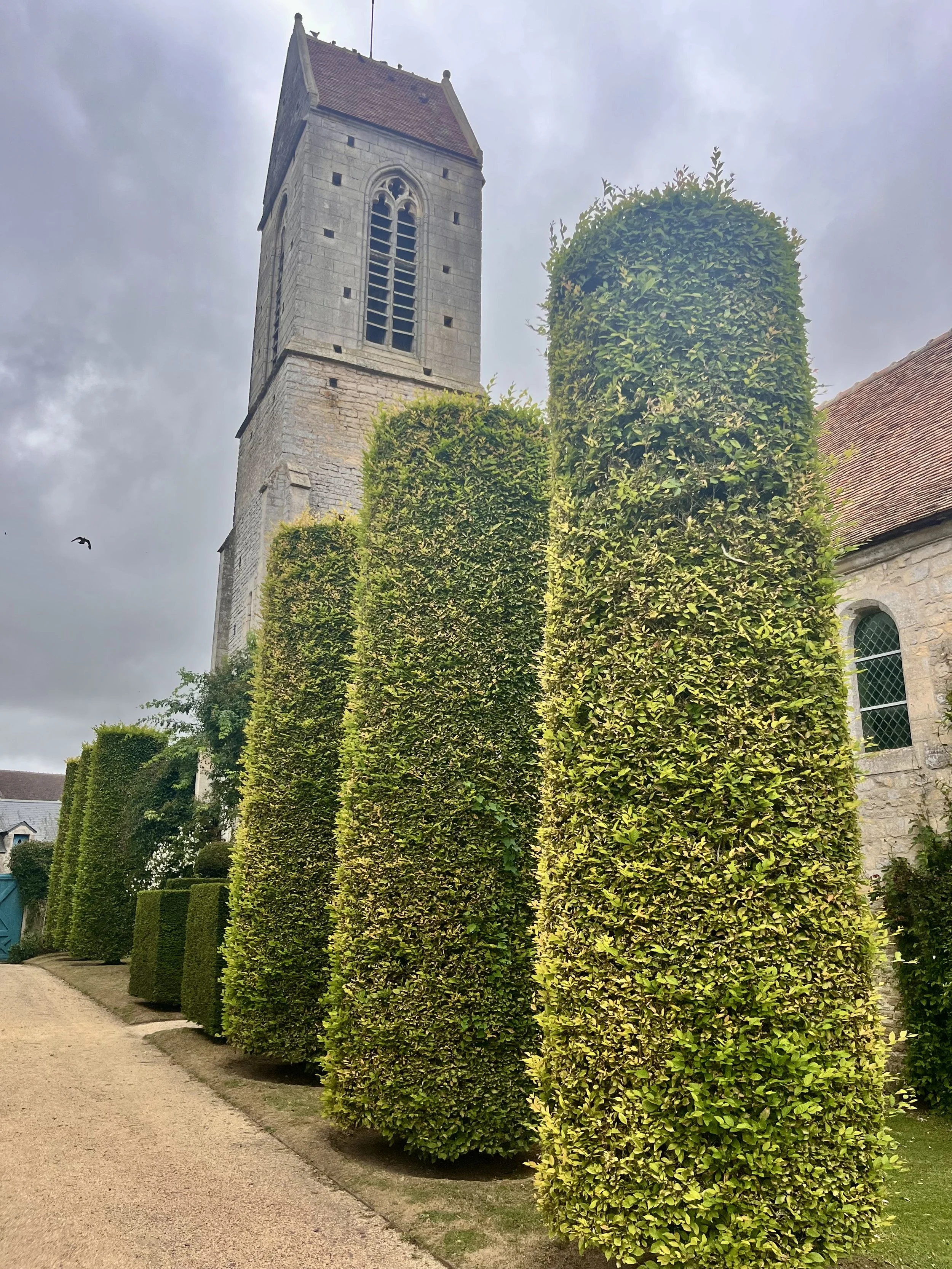
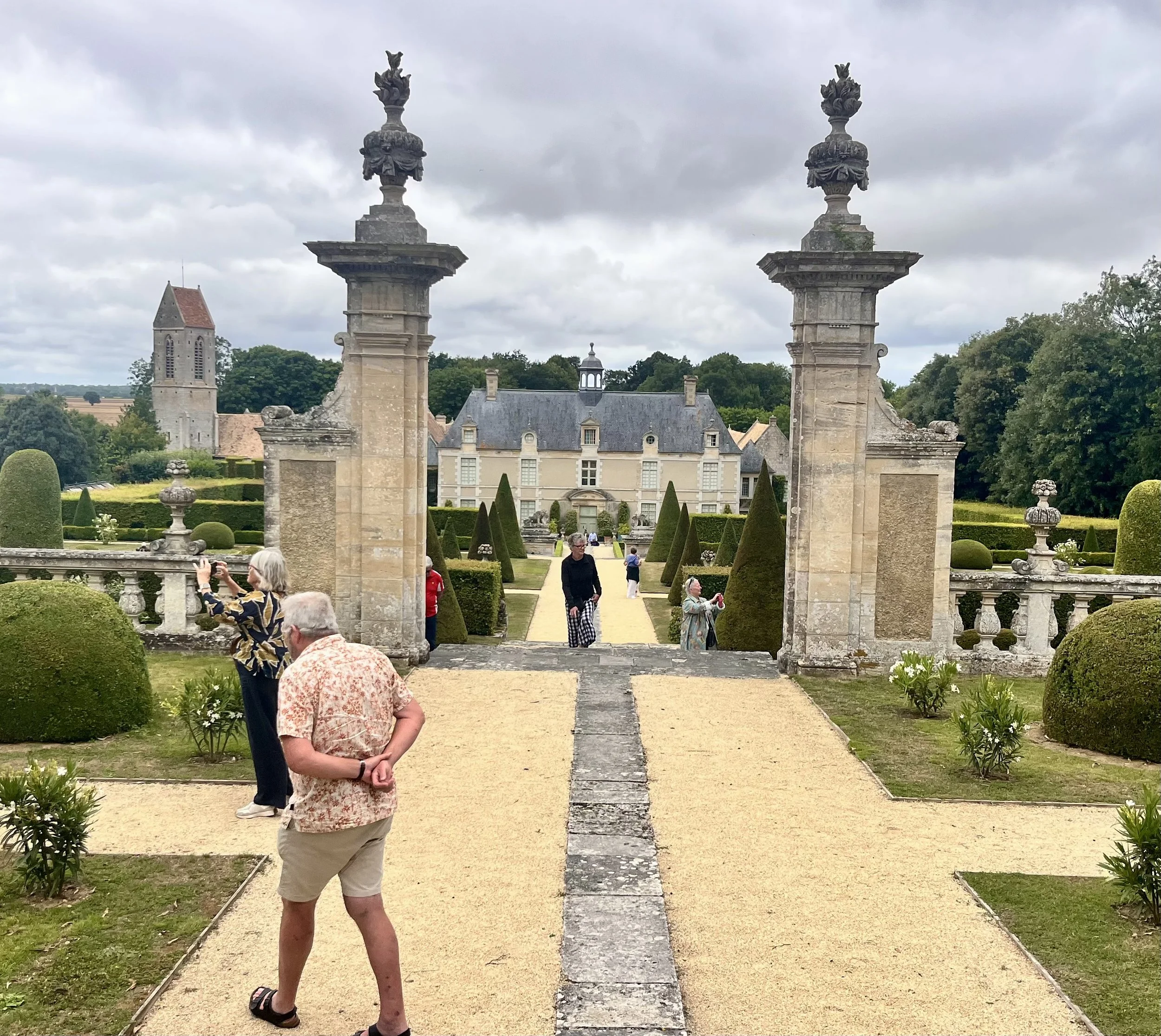
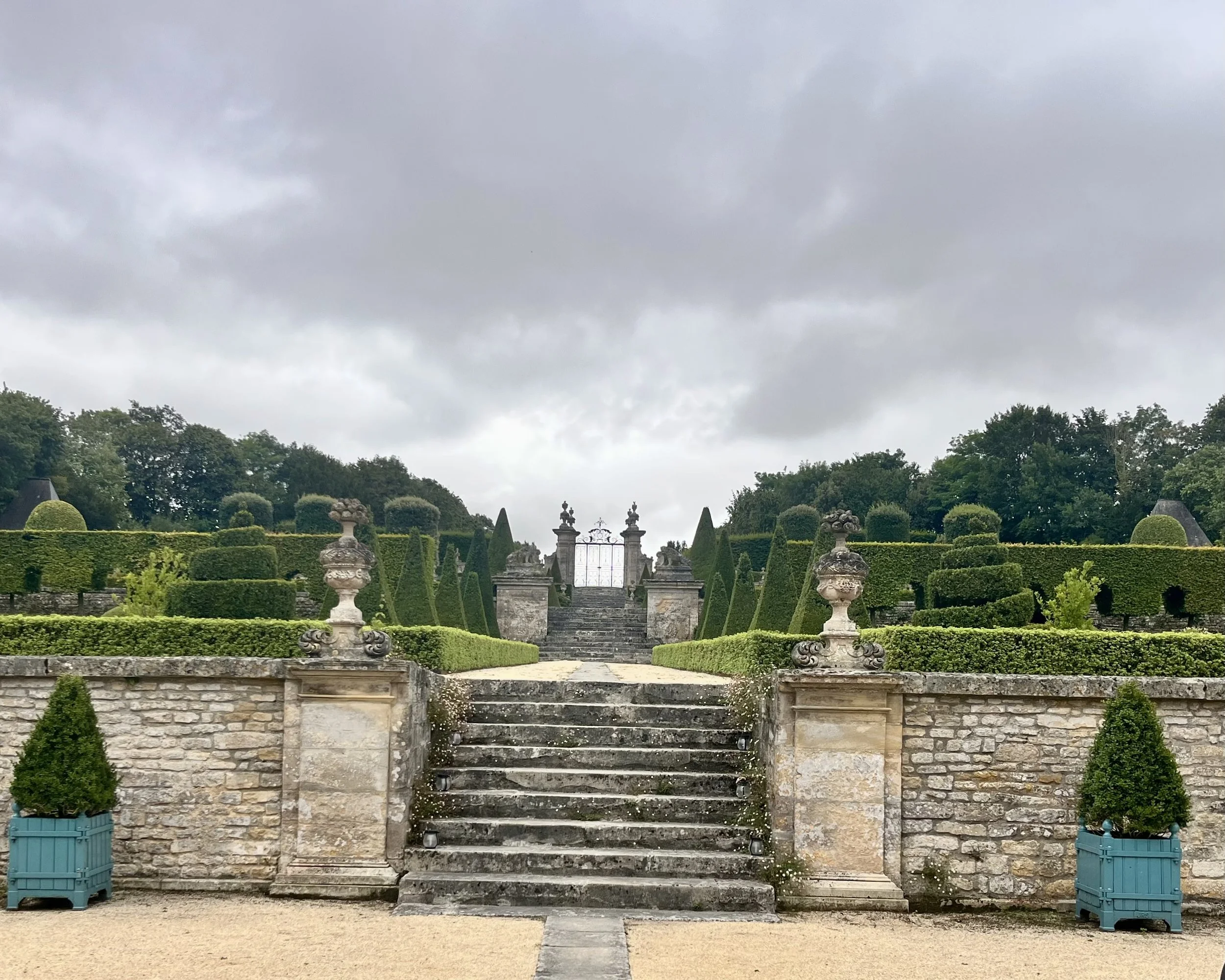
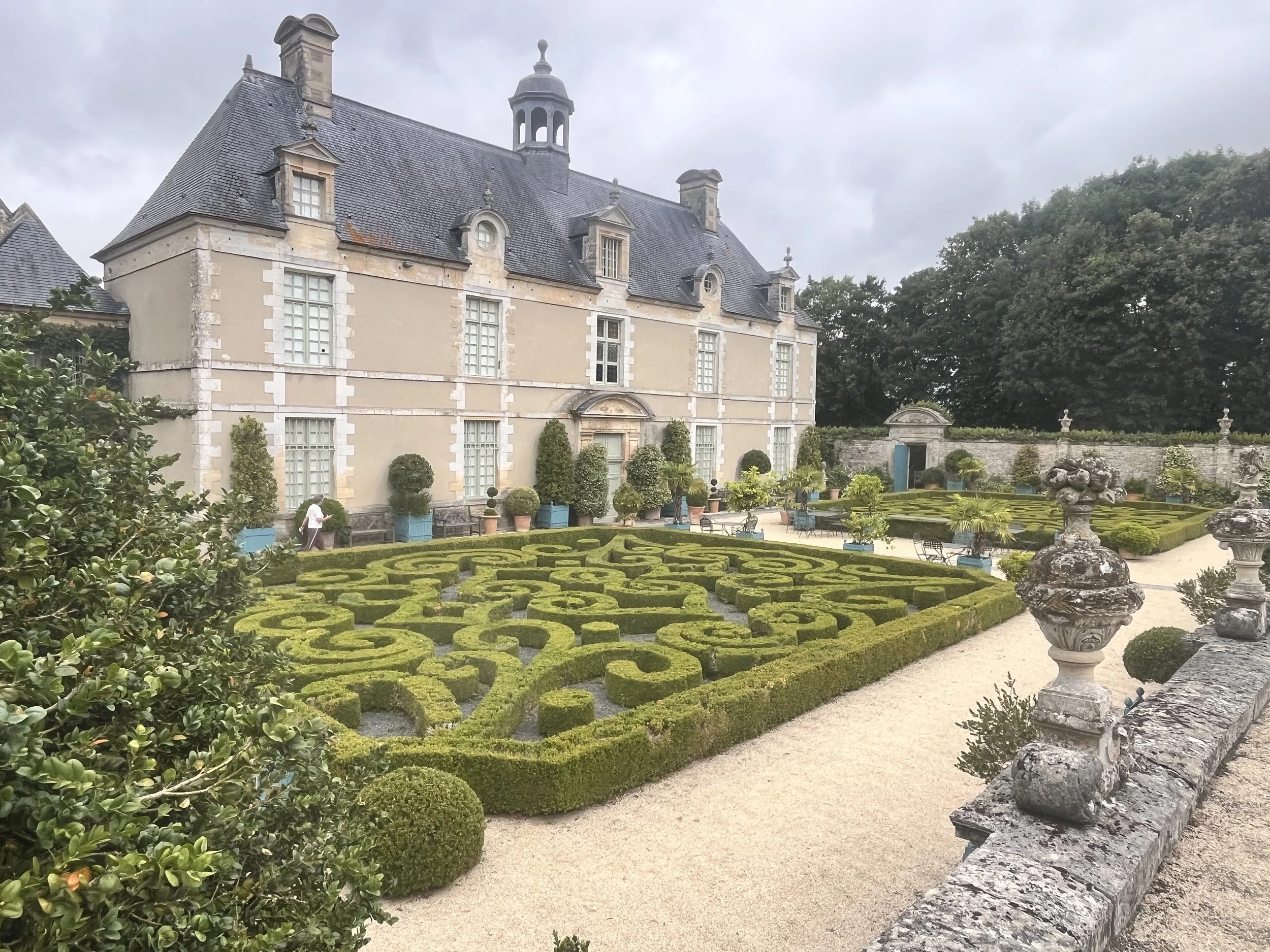
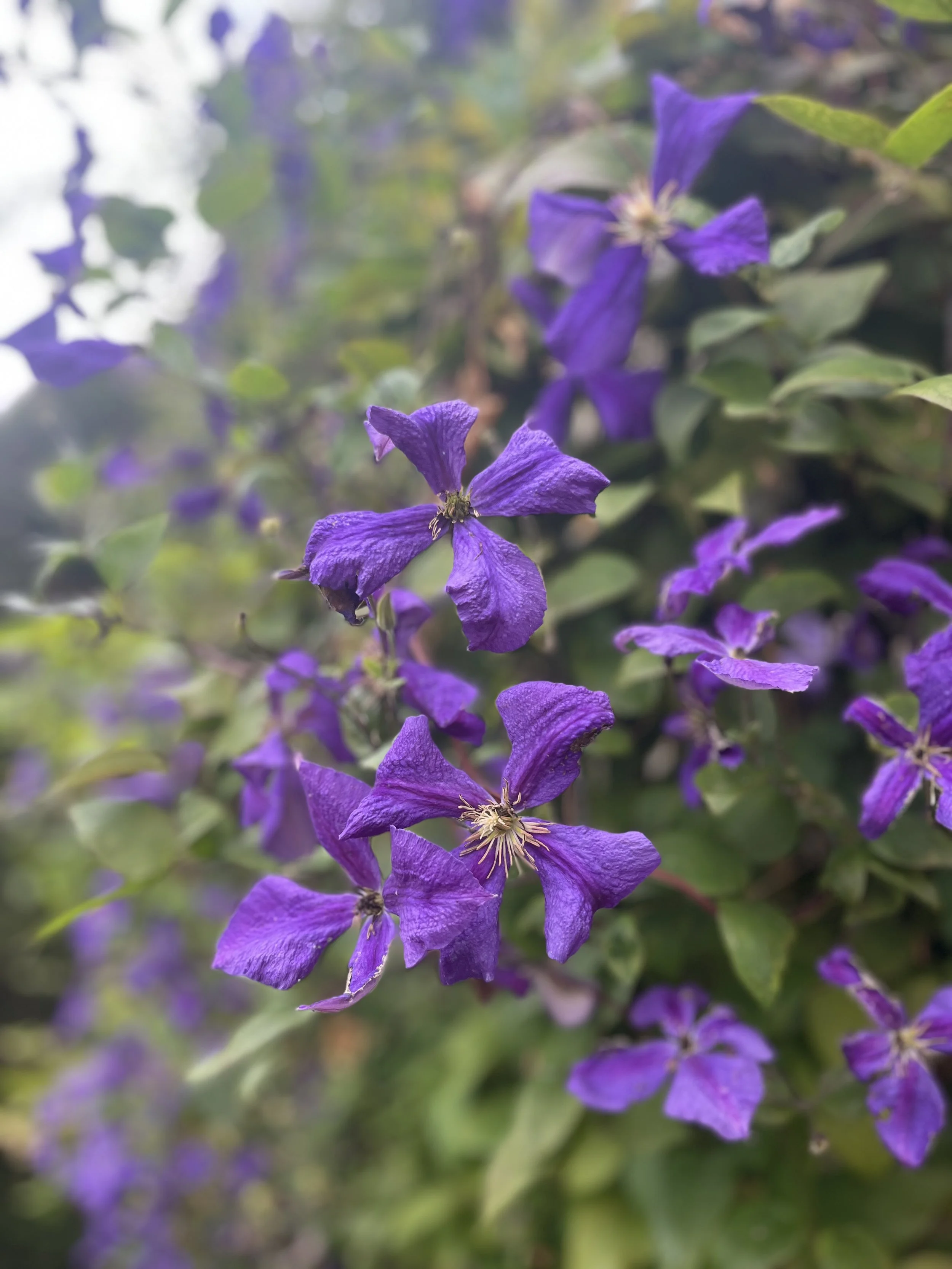
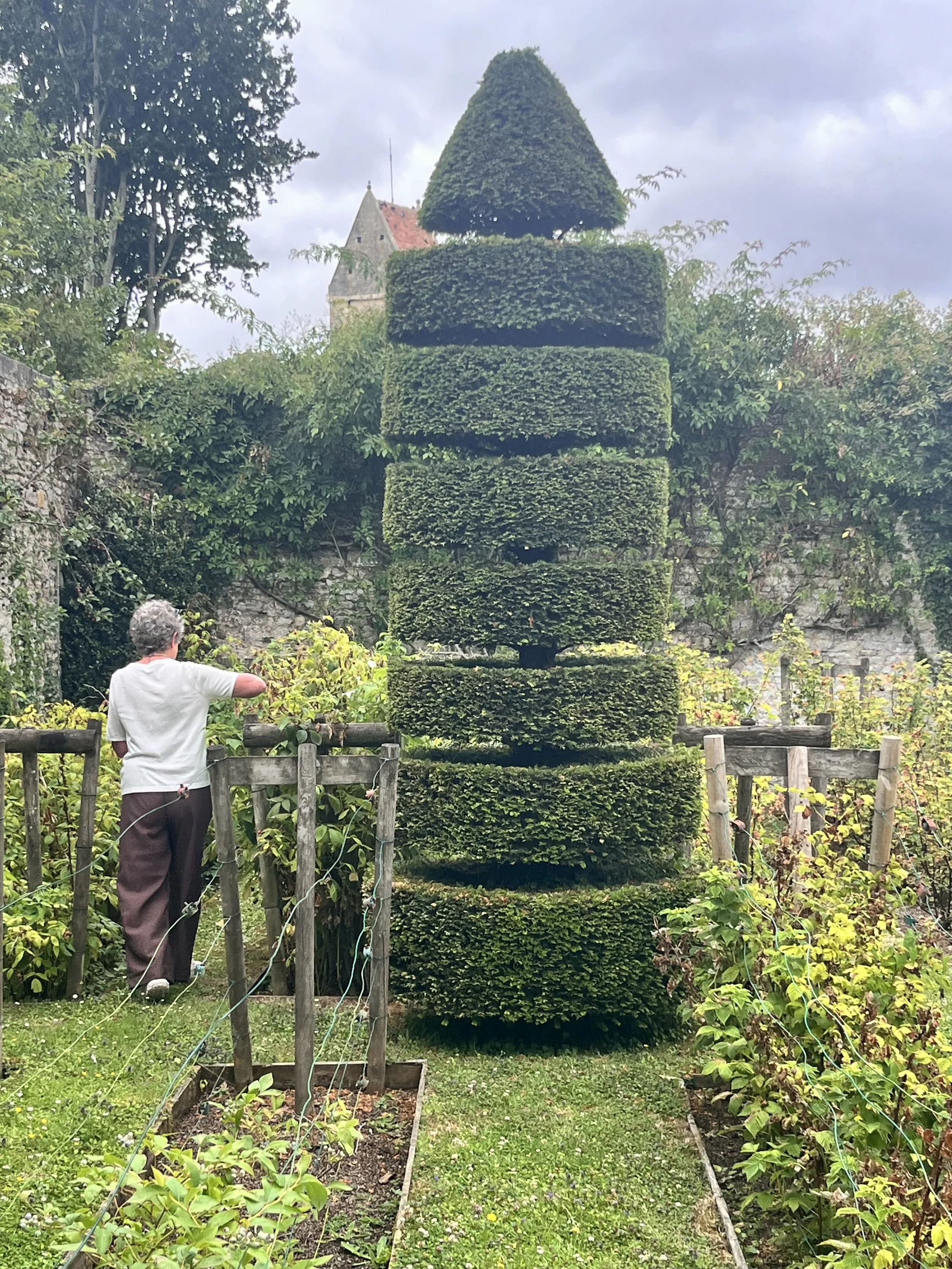
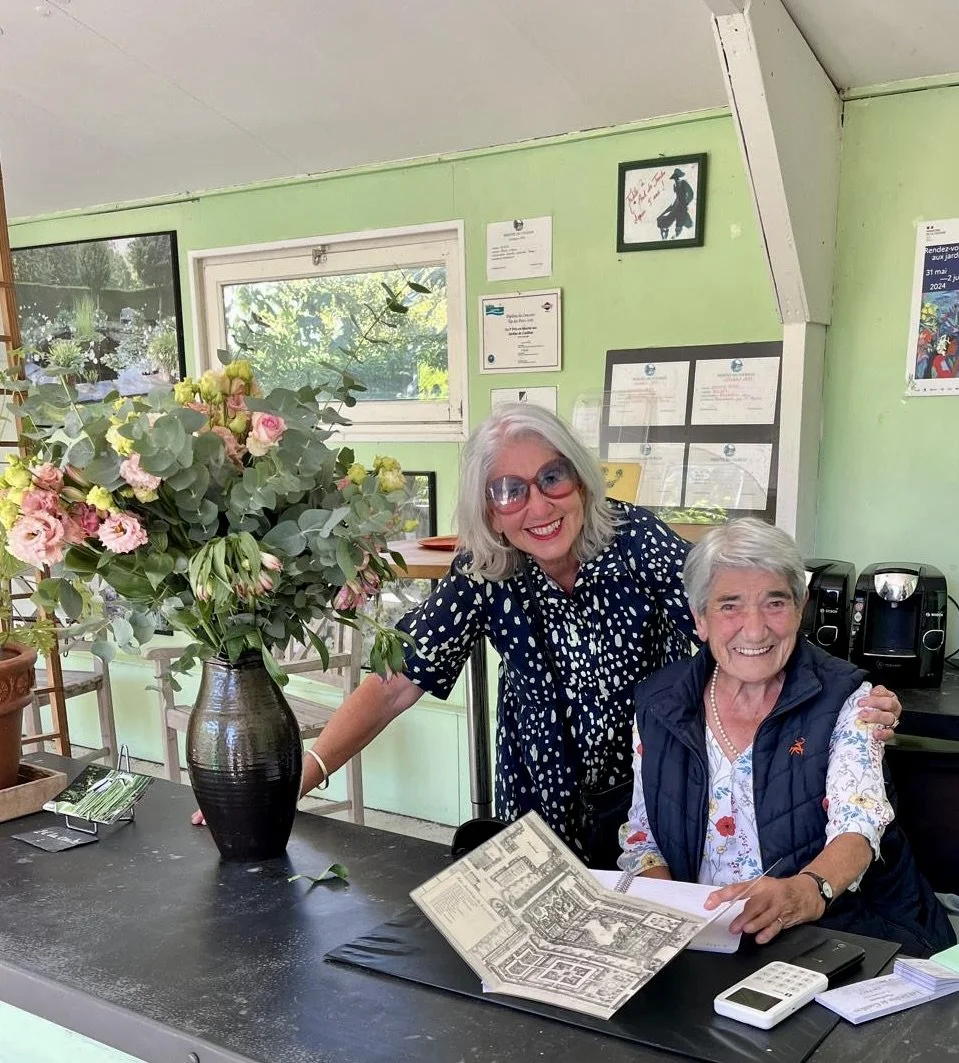
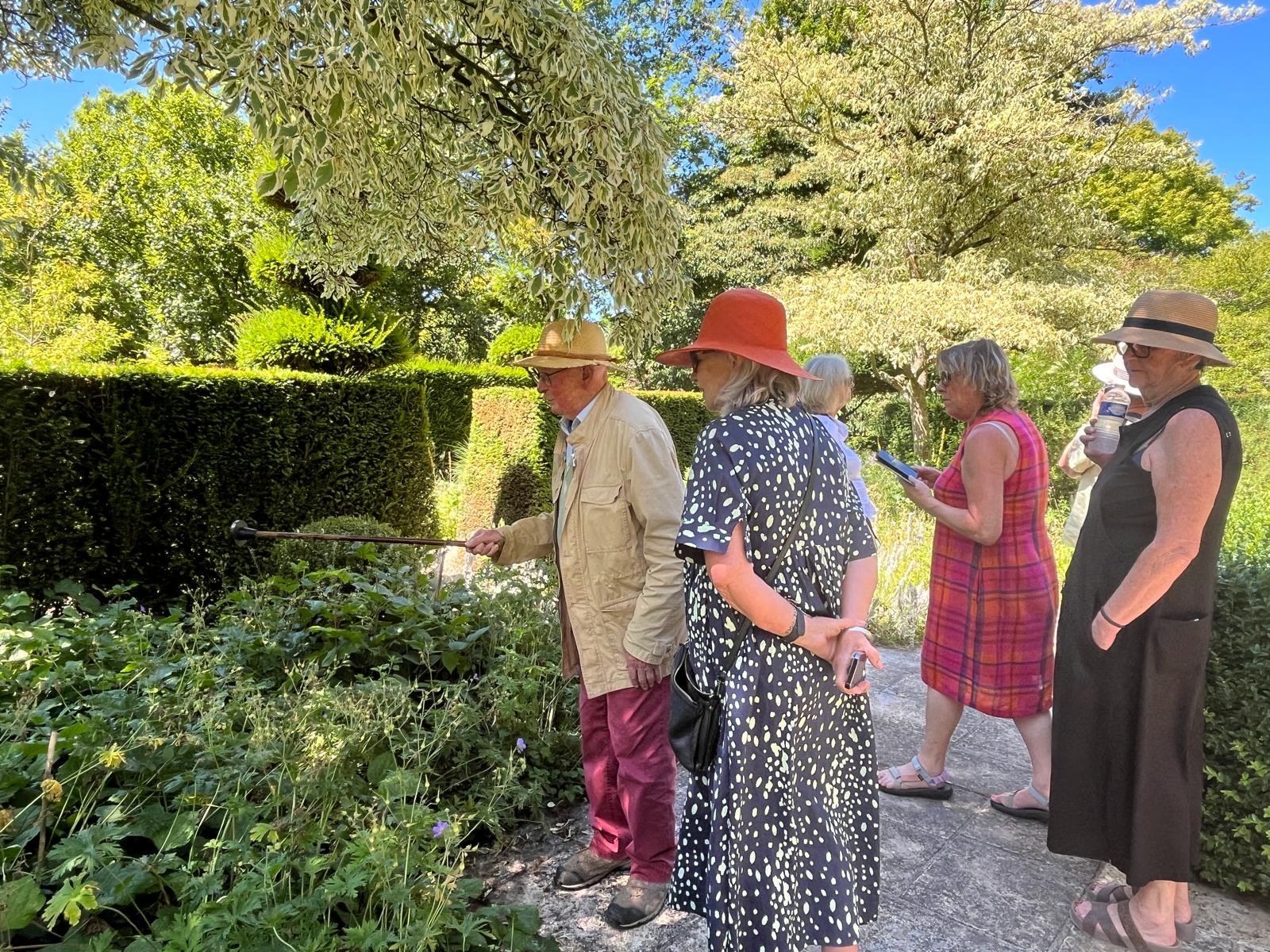
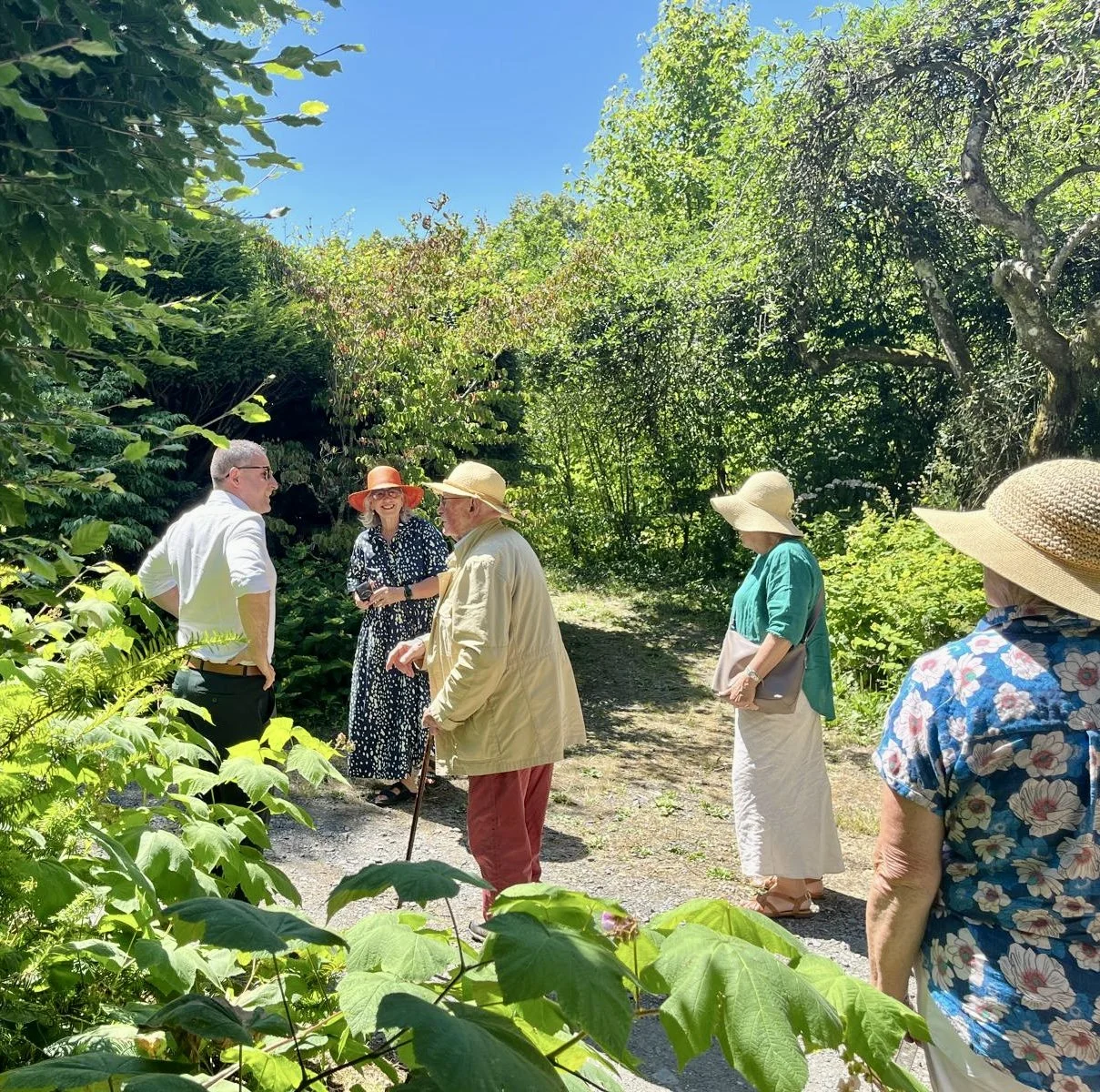
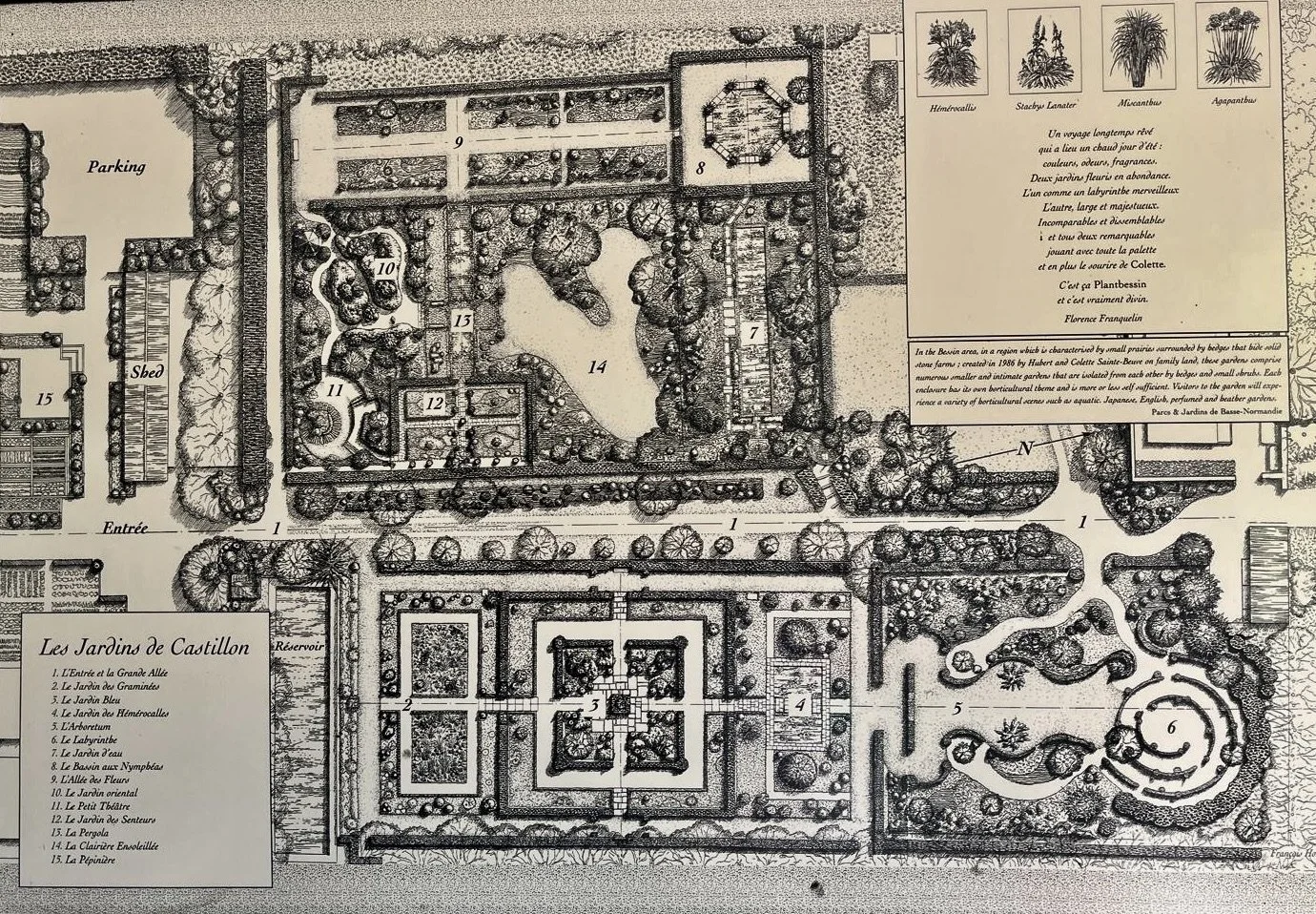
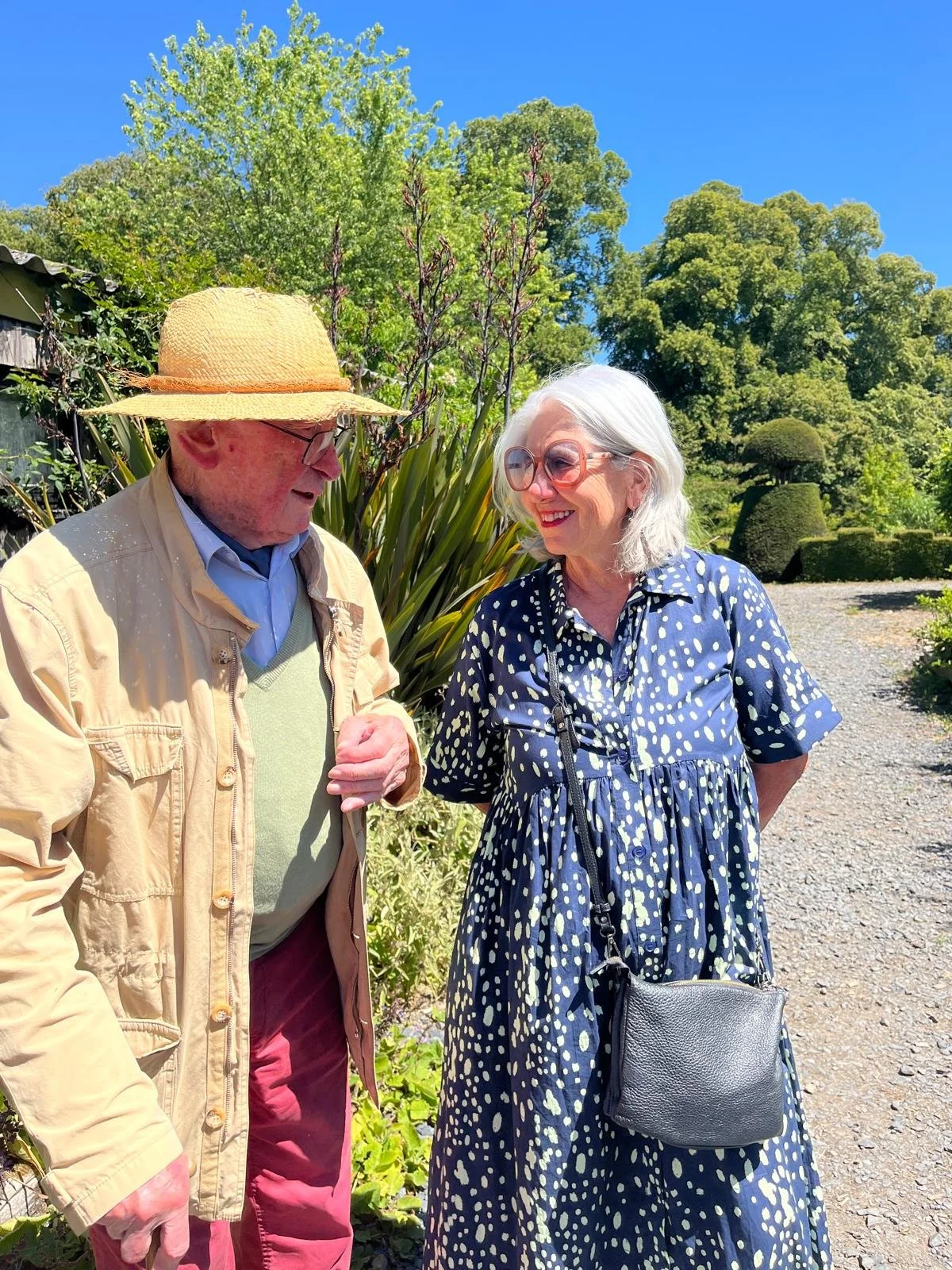
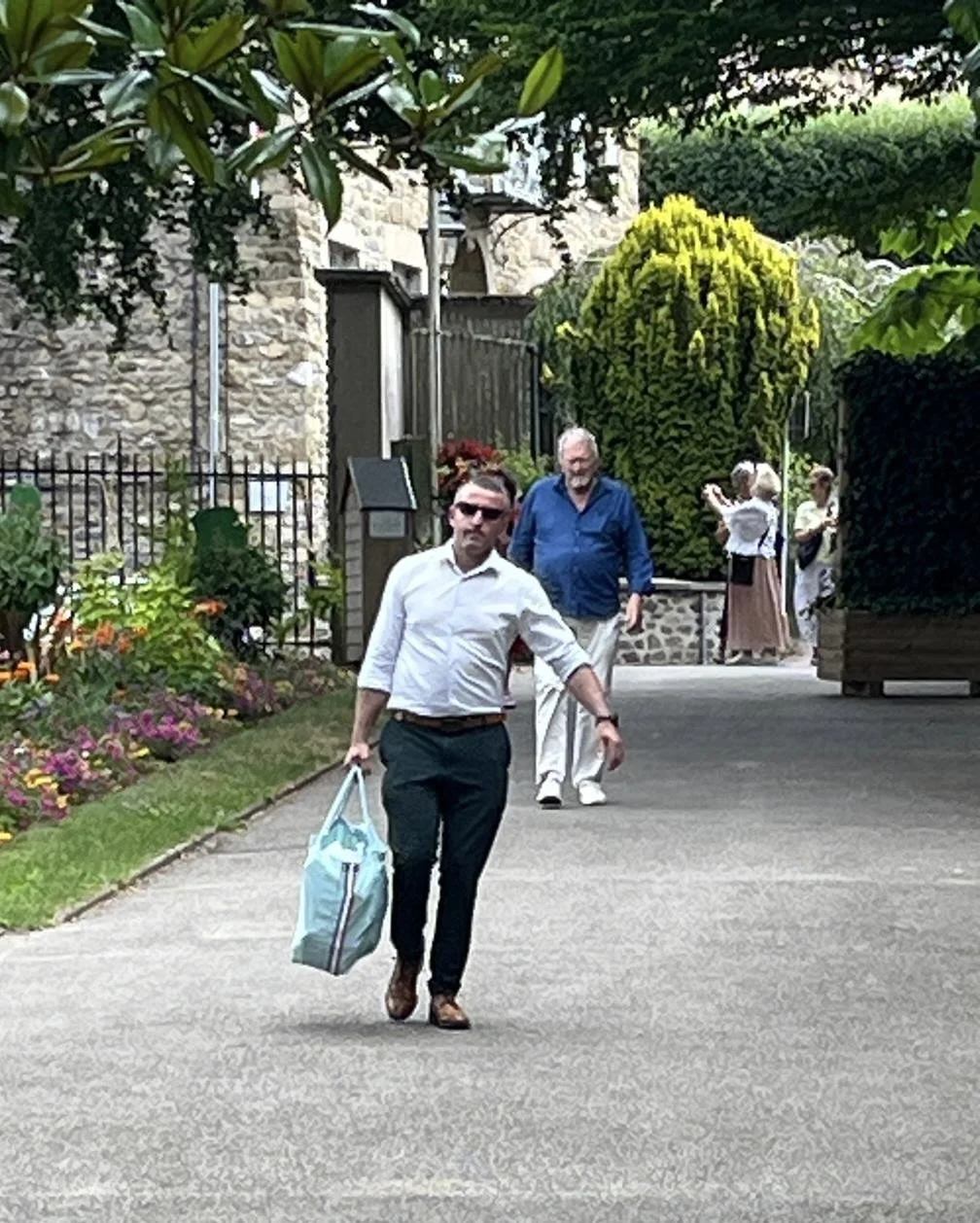
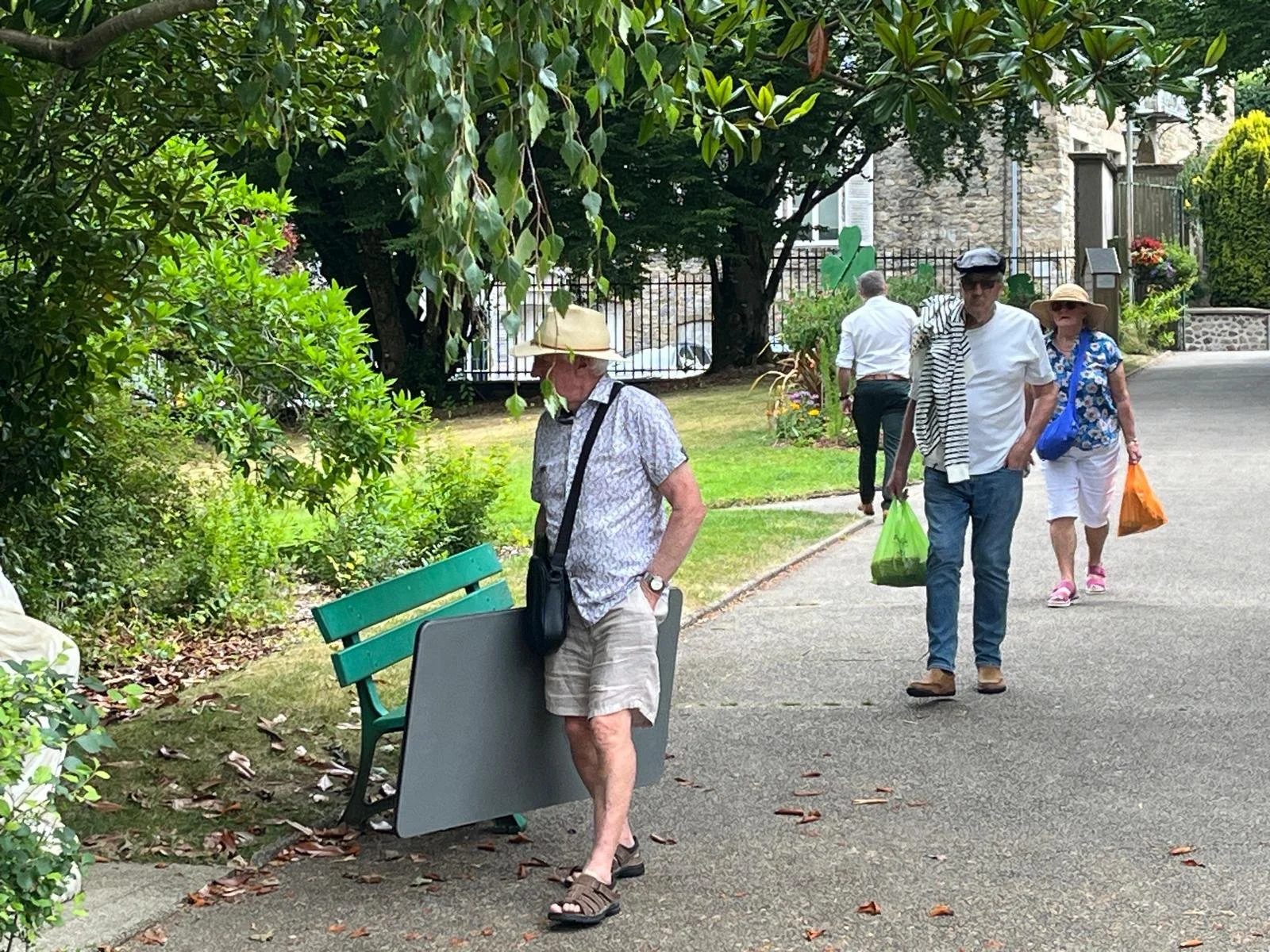
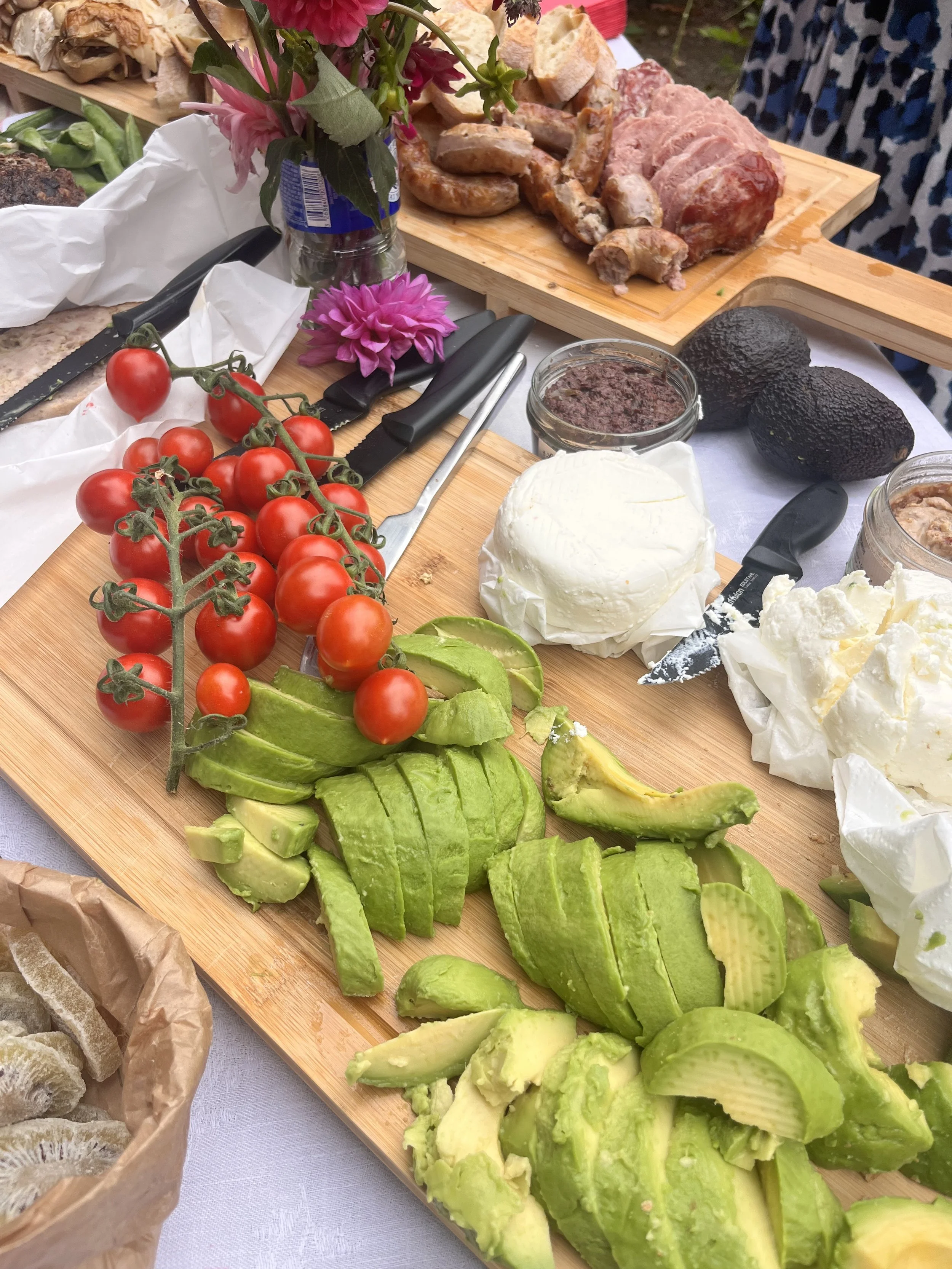
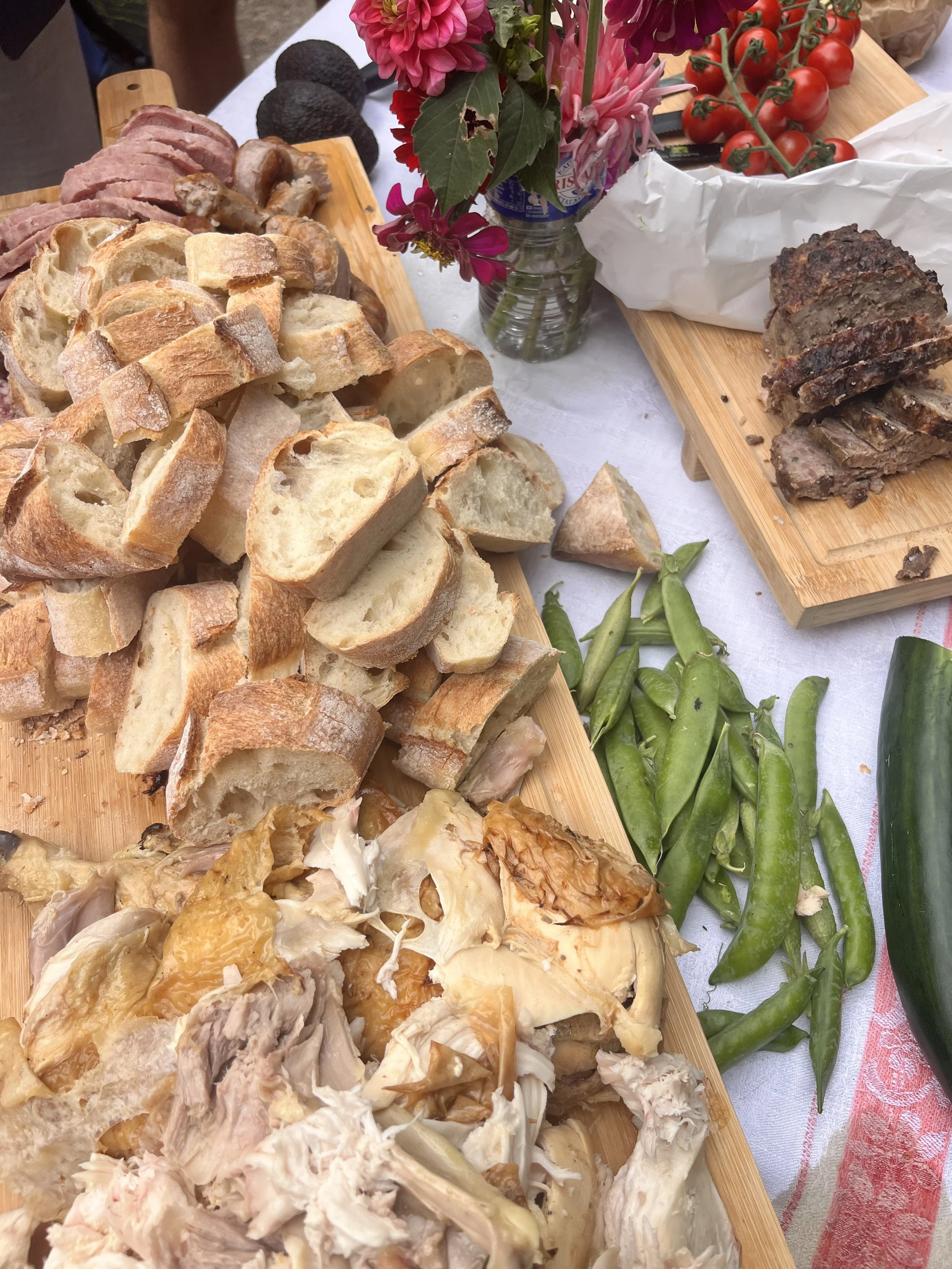
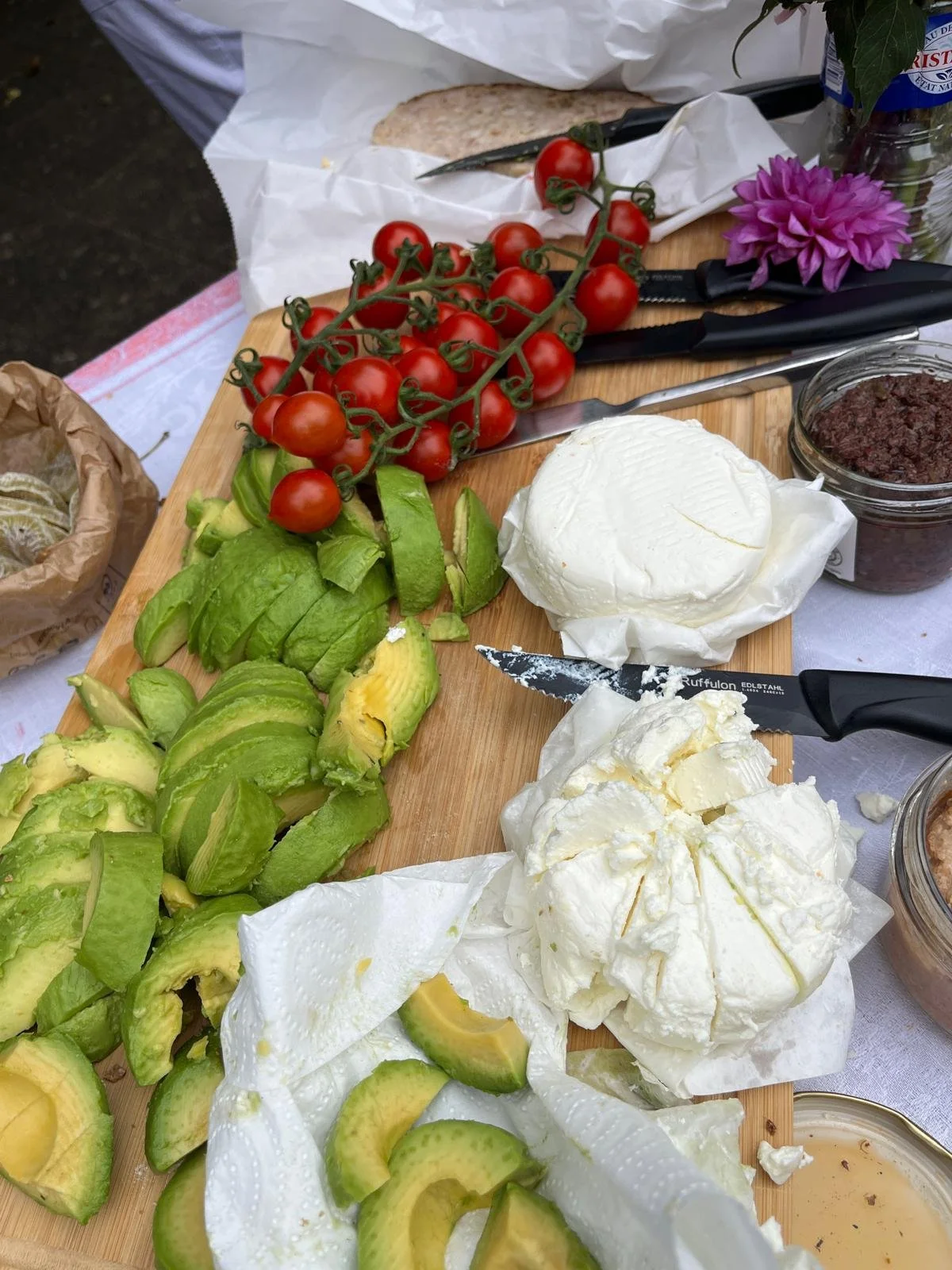
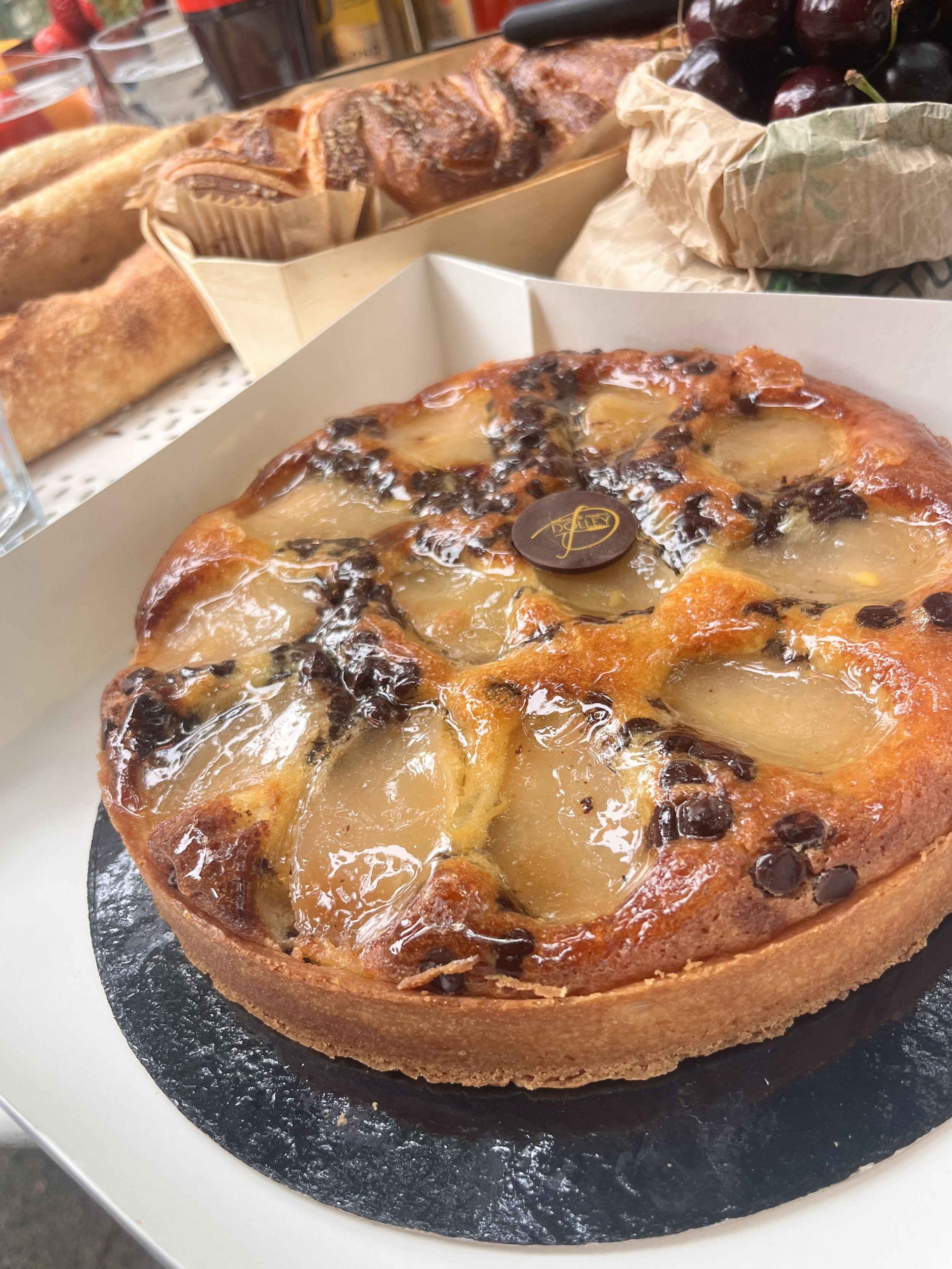
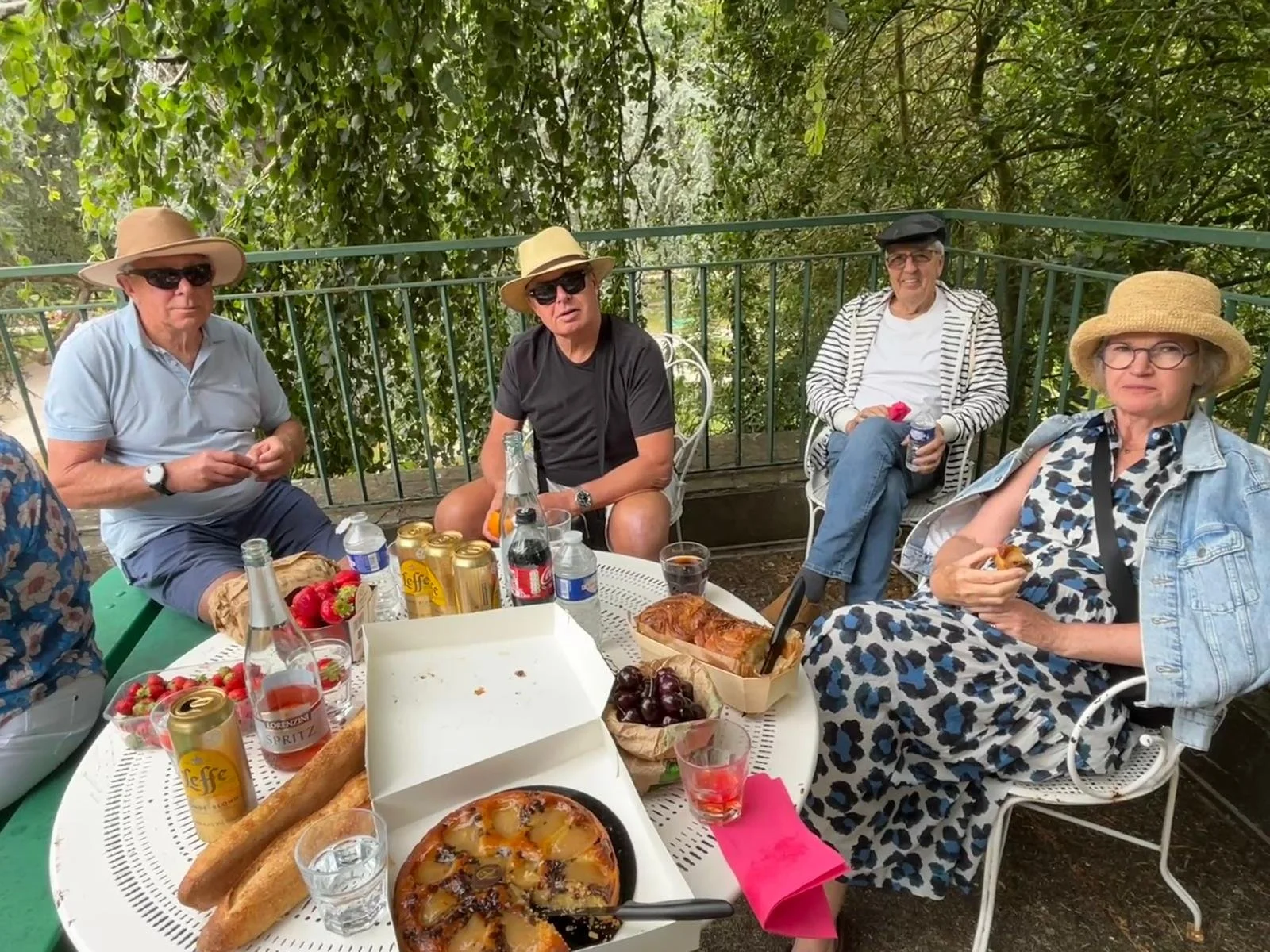
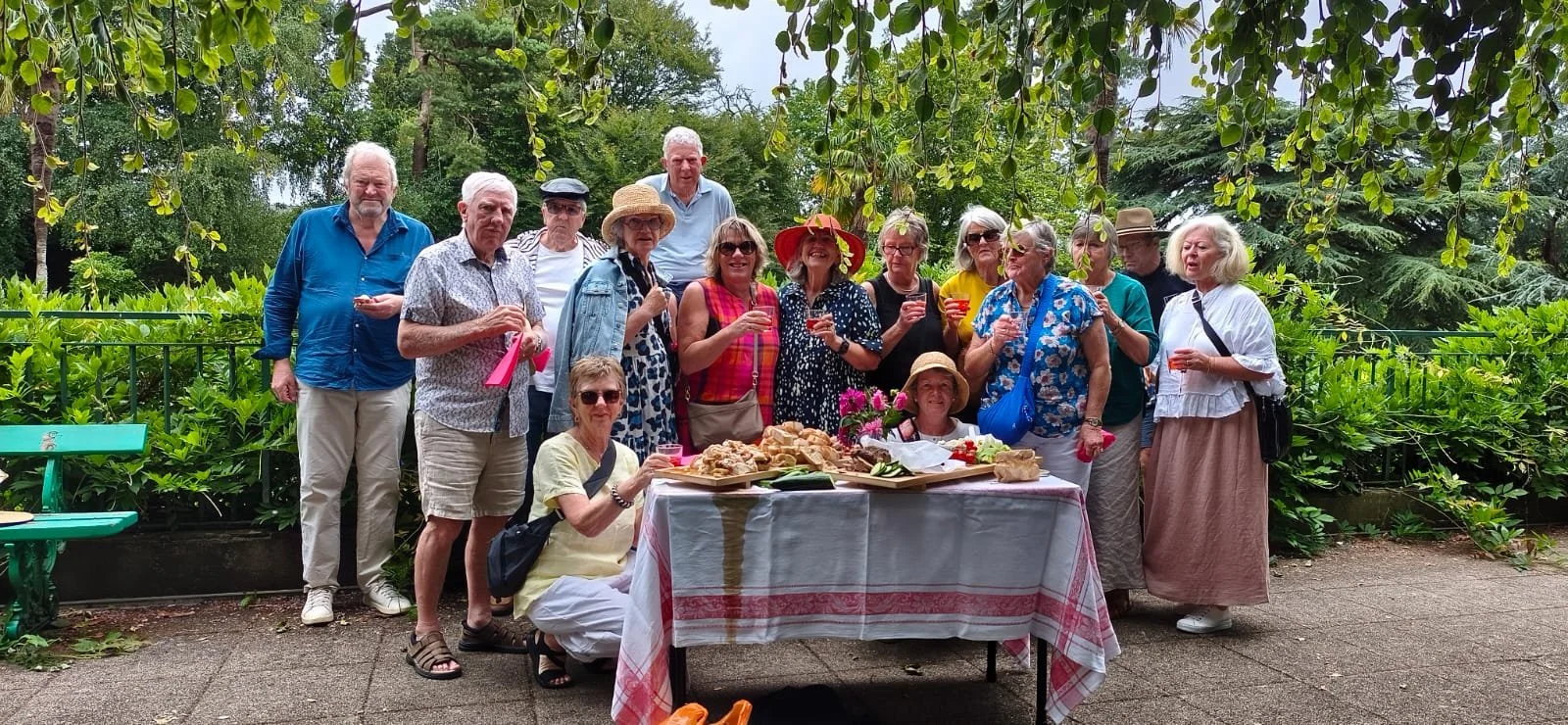
Before visiting Les Castillon, everyone was set the delightful challenge of shopping for our picnic lunch at the weekly market in Saint-Lô. There is no better way to experience French life than wandering through a local market, chatting with stallholders, tasting produce and deciding what to buy. Every selection reflected the personality of its purchaser, and somehow it all came together to create the perfect shared feast.
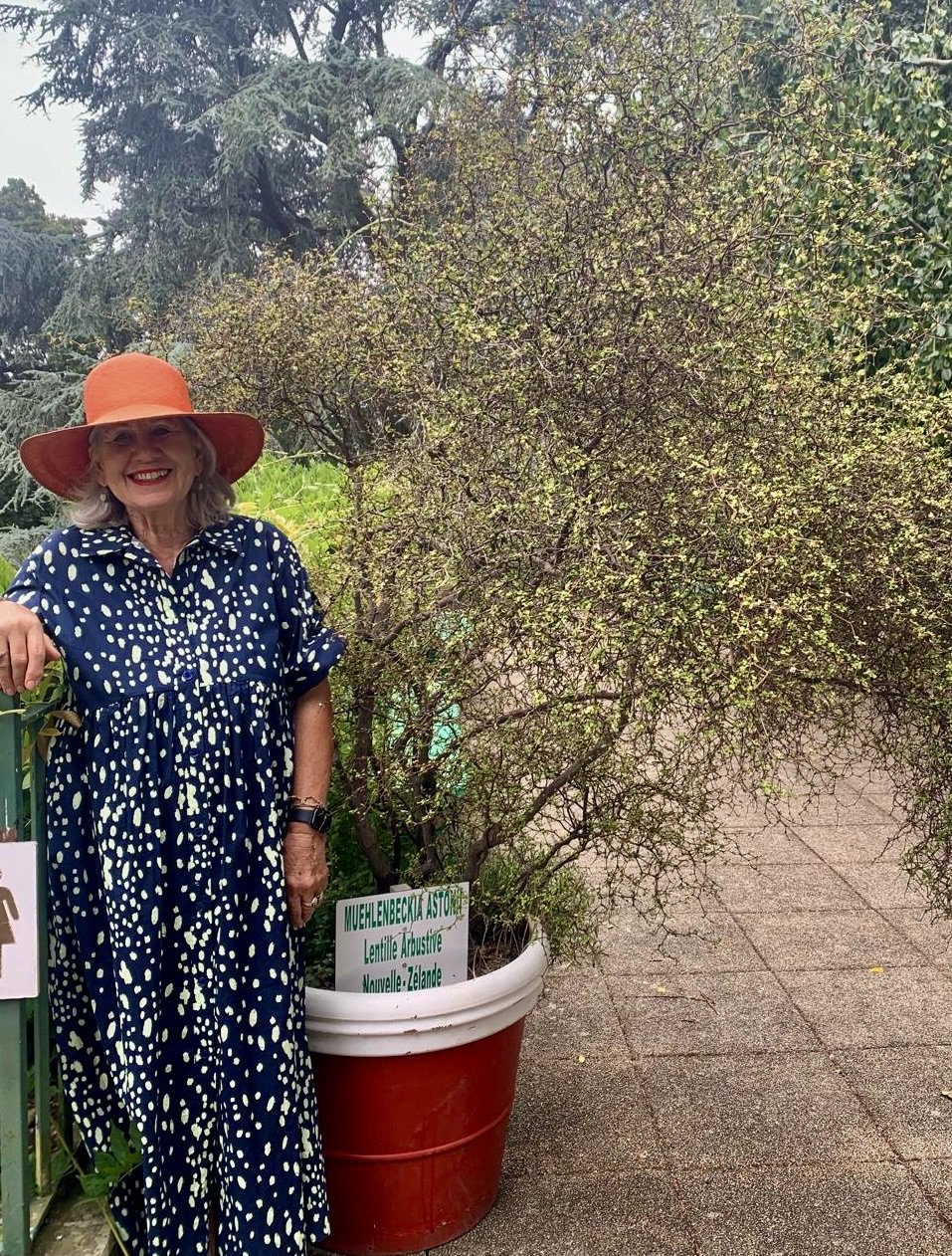
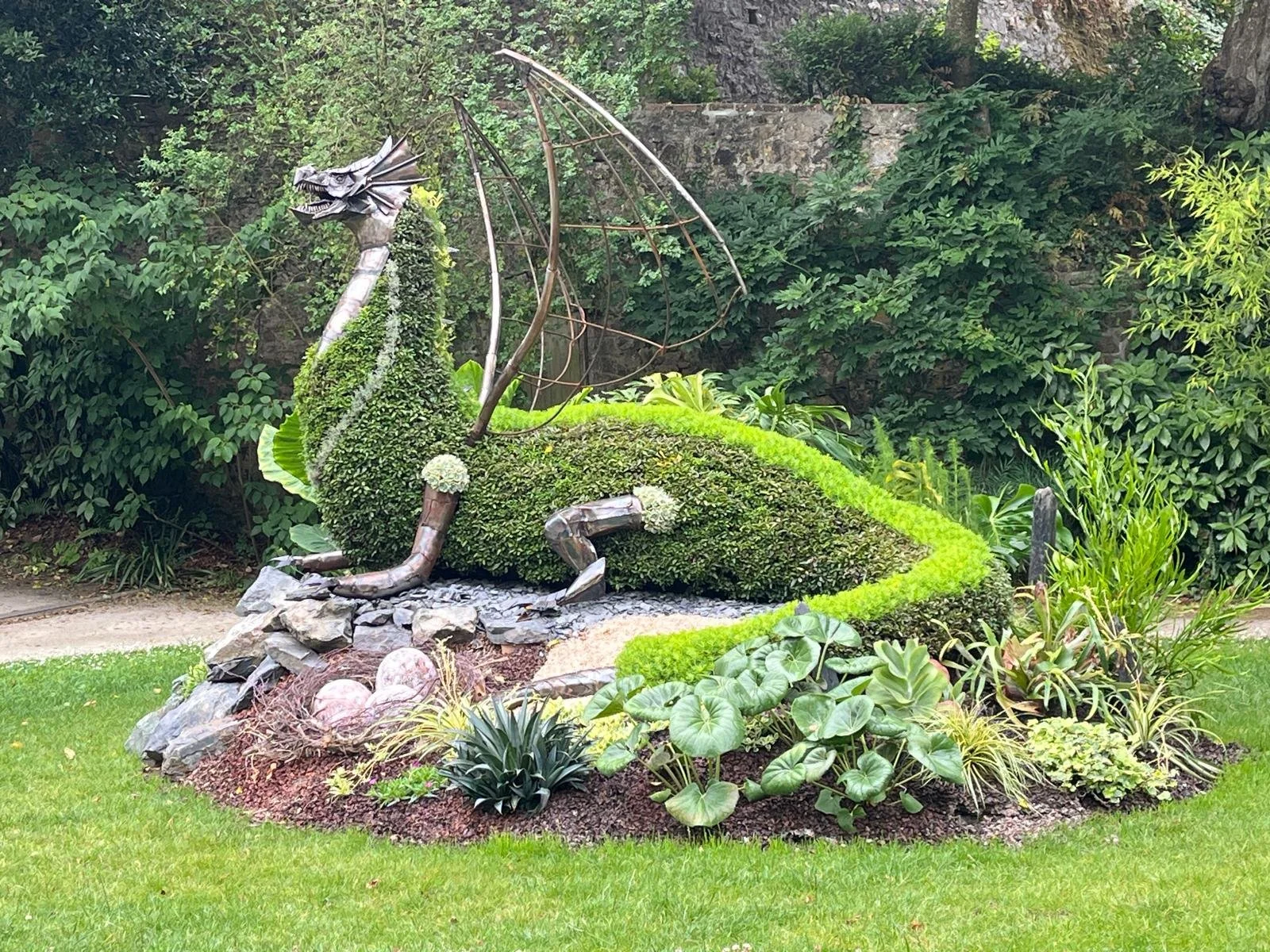
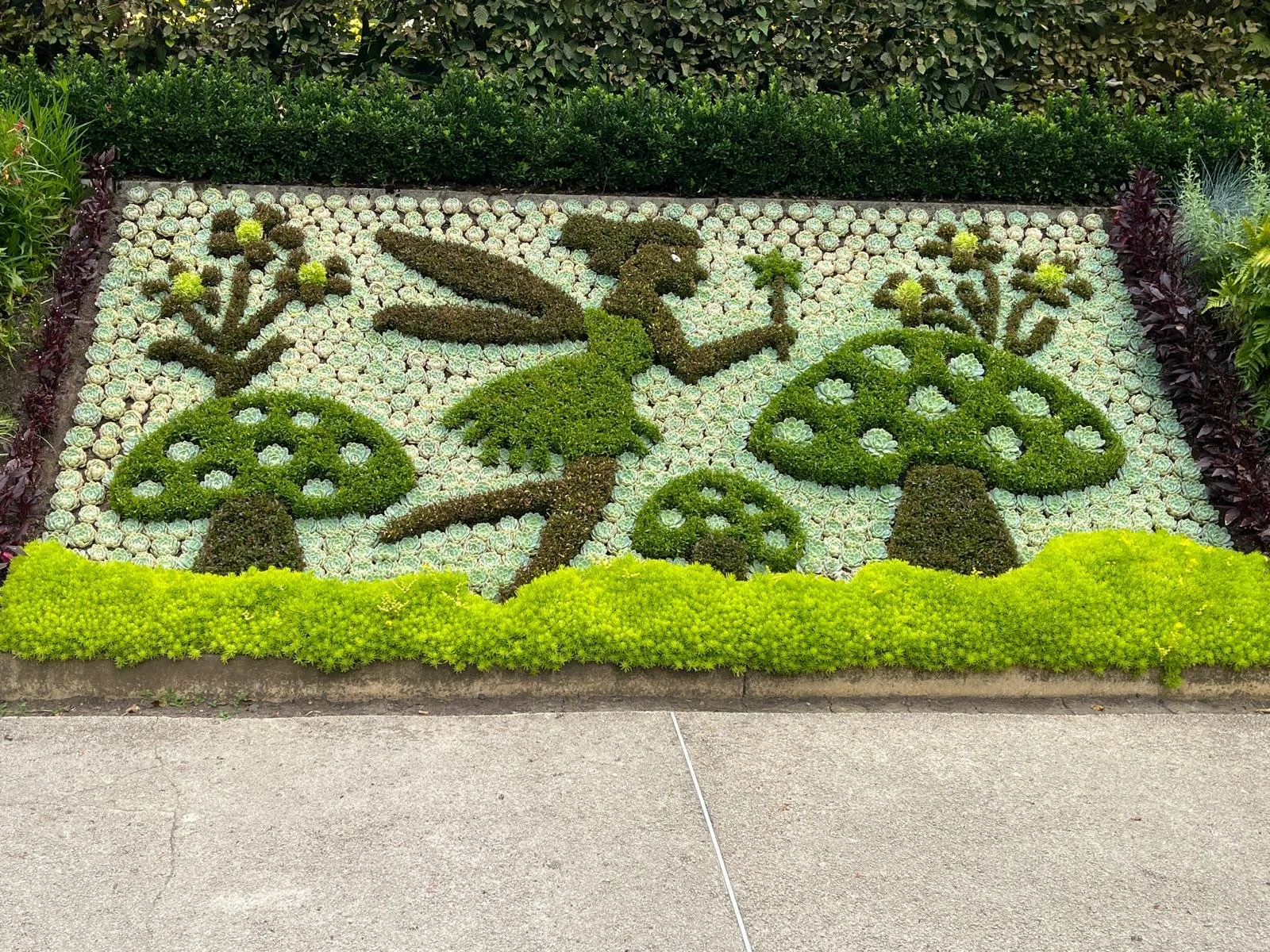
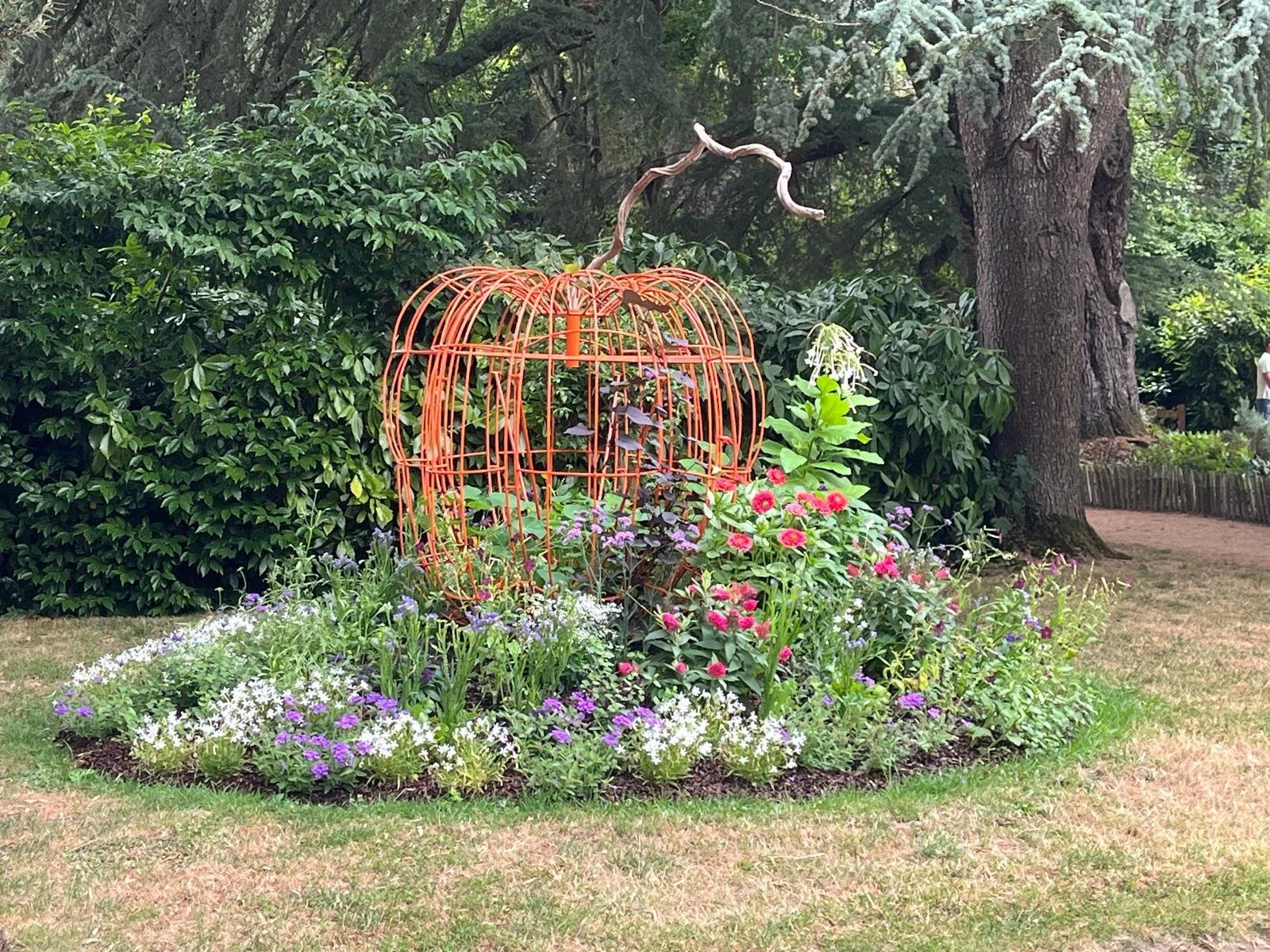
We enjoyed our picnic in the botanical gardens of the lovely cathedral town of Coutances. It felt strangely appropriate to discover a quiet corner complete with a potted Muehlenbeckia from New Zealand—an unexpected reminder of home. Afterwards we wandered through a delightful children's garden inspired by stories including Cinderella and Alice in Wonderland, full of colour, imagination and whimsy.
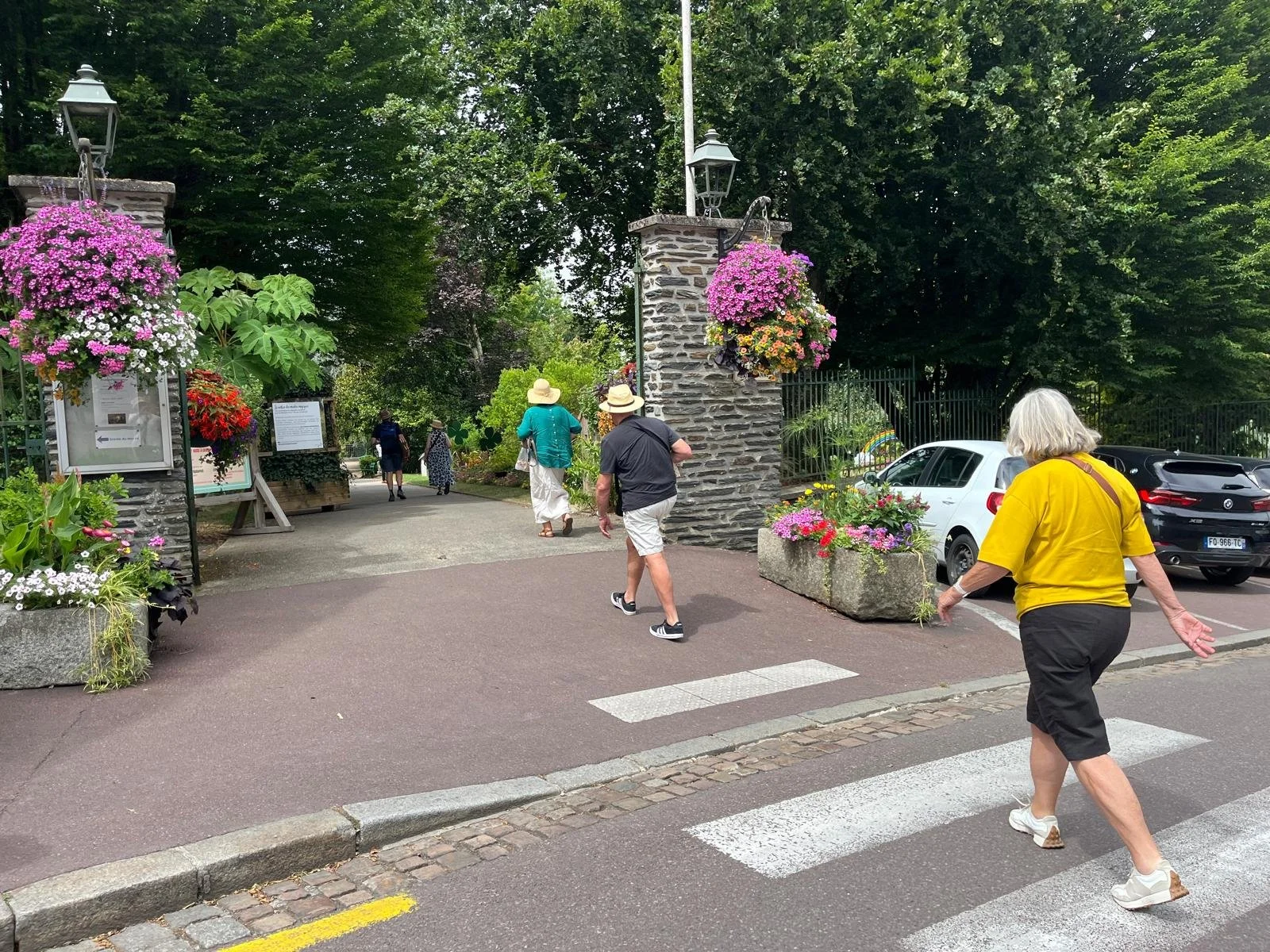
By now, Aimad, our driver, has become one of the group. Always cheerful and unfailingly helpful, he negotiates Normandy's narrow lanes with remarkable skill. Driving our bus between towering bocage requires patience, precision and complete concentration, qualities he possesses in abundance.
Evenings back at the château settle into an easy rhythm. With the windows flung wide open to capture the welcome afternoon breeze, there is time to relax before gathering once more for drinks, conversation and another Allesandro memorable dinner. A swimming pool is currently being built and, although it is not yet complete, it would certainly have been appreciated during this spell of glorious summer weather.
Normandy is a region of contrasts. It is a place of beauty and abundance, of magnificent gardens, generous hospitality and exceptional food. Yet it is also a landscape forever shaped by war and sacrifice. Travelling here is not simply about seeing famous sites; it is about understanding the resilience of the people who rebuilt their lives, their towns and their countryside.
XXX Judith