
The White Glow of Puglia
Puglia is a land of extraordinary contrasts and rich history. Home to more than five million olive trees—many over 2,000 years old, and also produces the most wine in Italy and consequently it is one of Italy’s great agricultural regions. With around 2,500 hours of sunshine each year and over 800 kilometres of coastline stretching along both the Adriatic and Ionian Seas, it is easy to understand its enduring appeal.
We are fortunate to be travelling with Michele, undoubtedly one of the region’s finest guides. His passion for history and his ability to convey Puglia’s importance over thousands of years bring every place we visit to life.
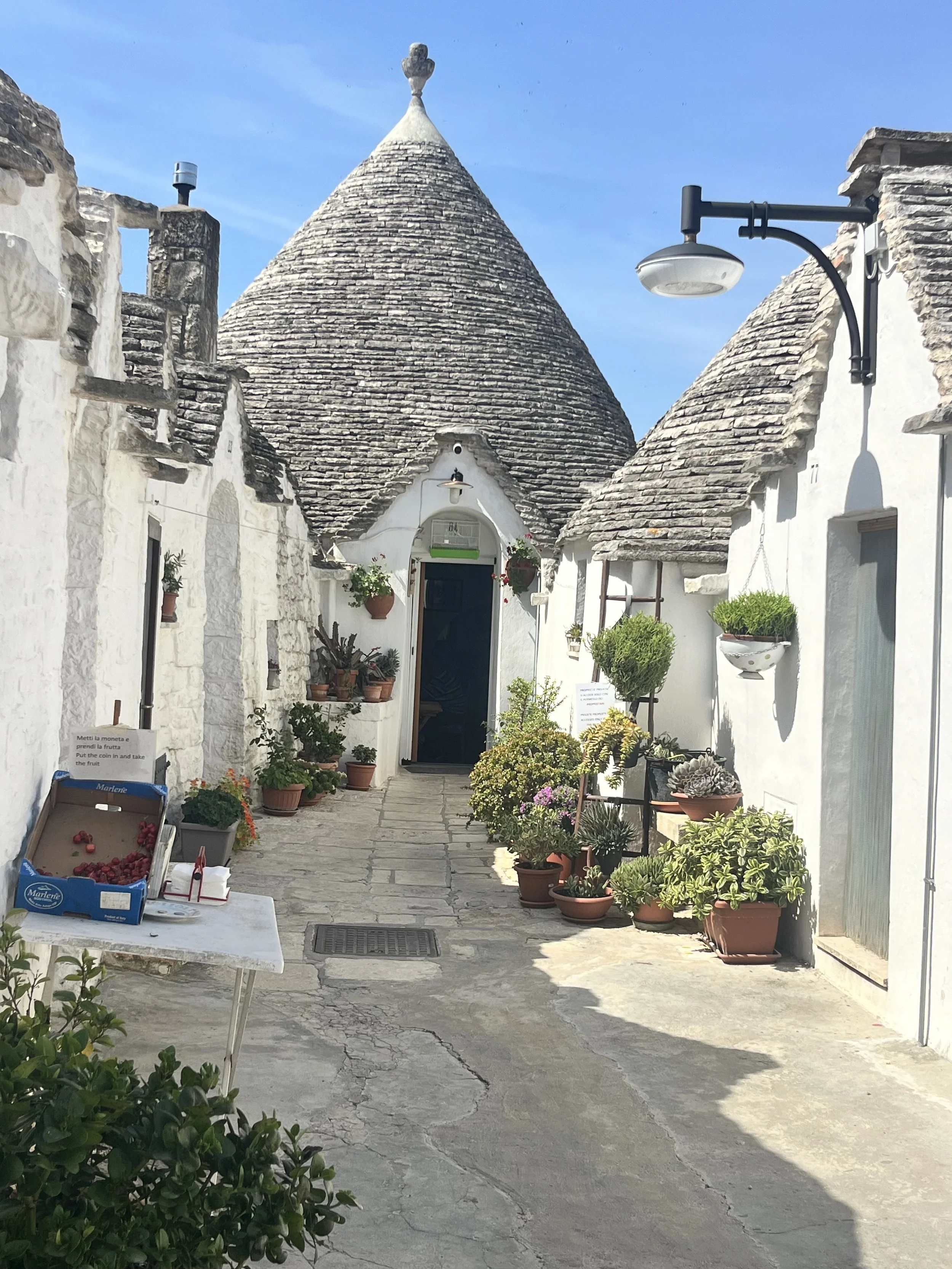
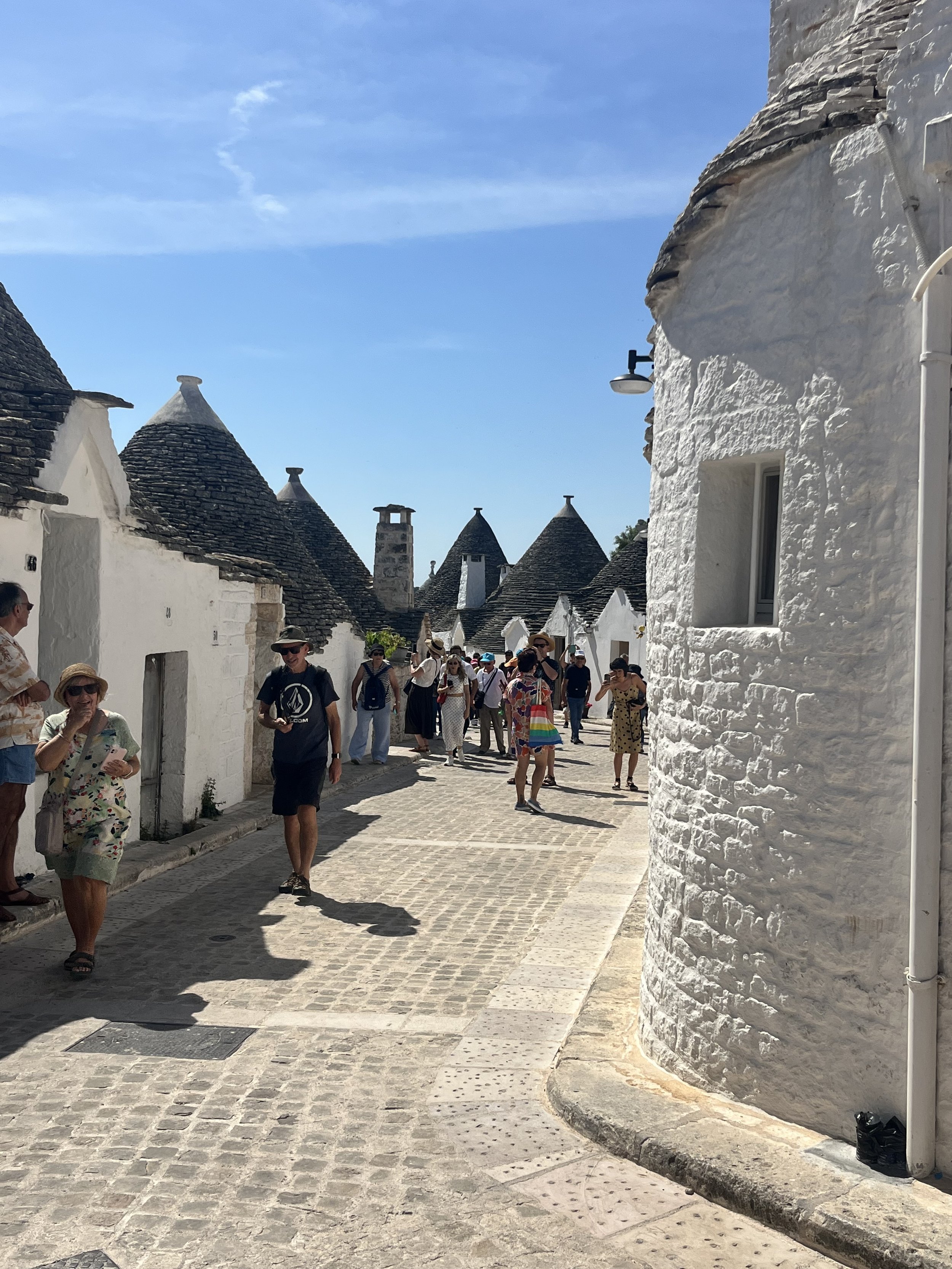
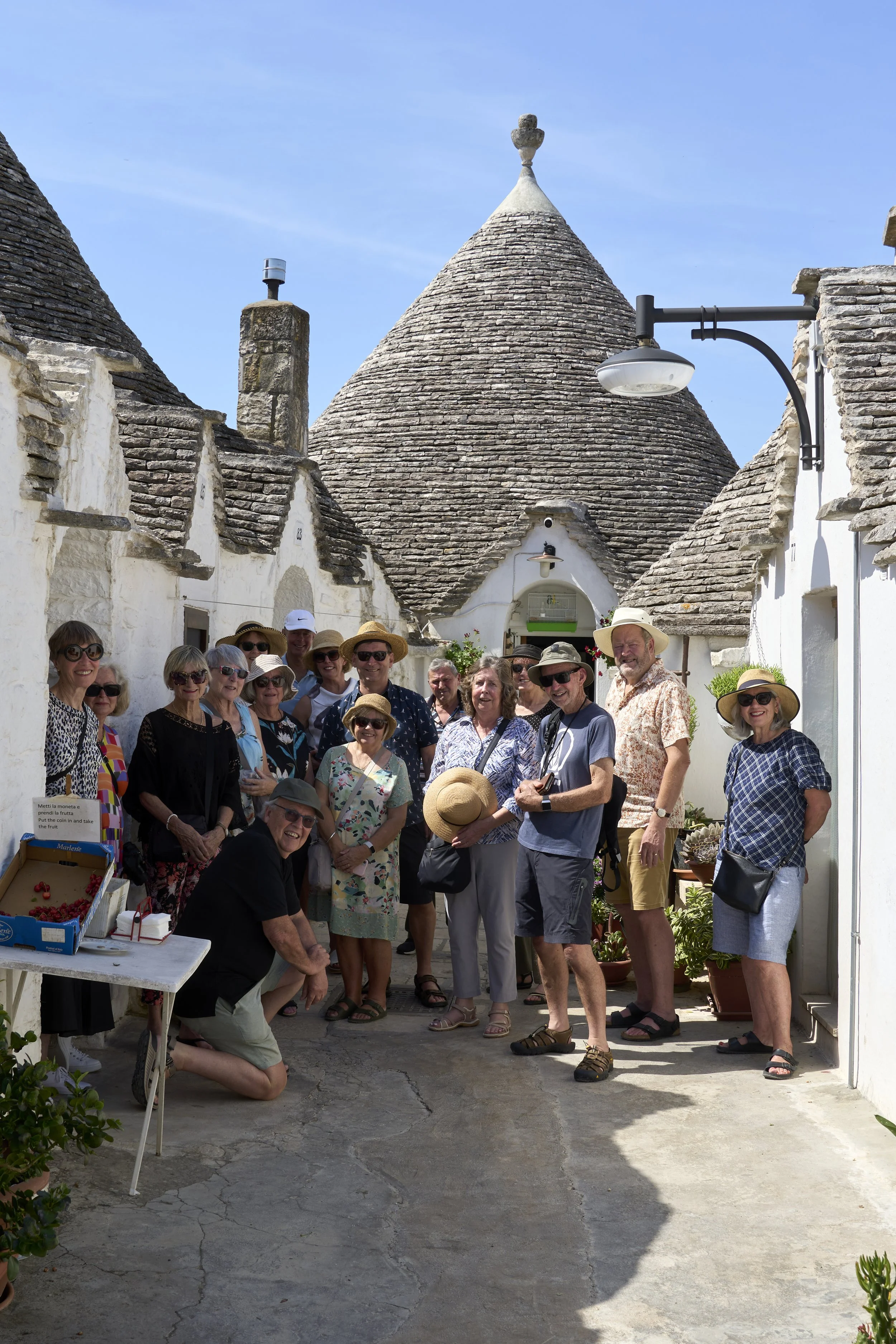
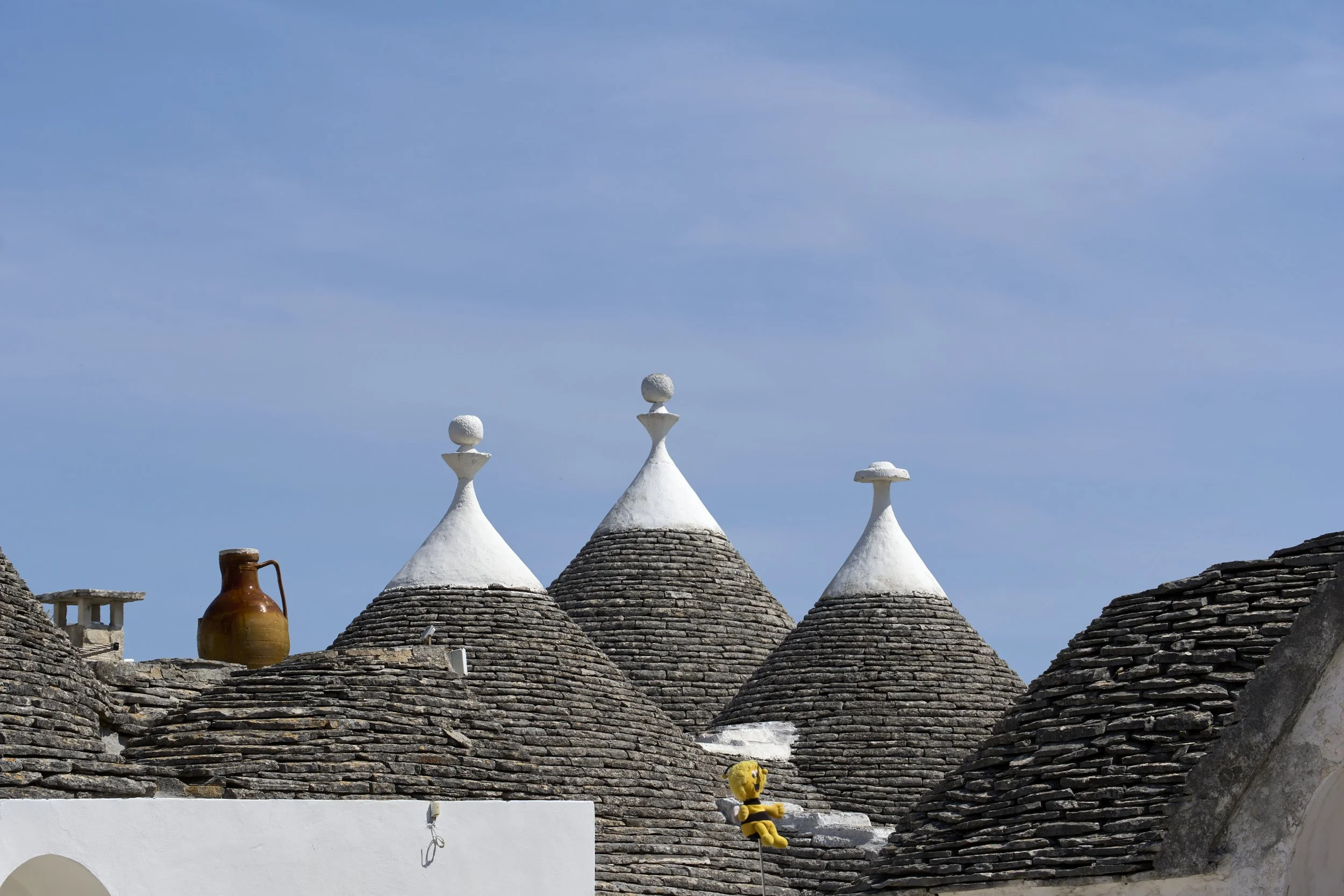
Our journey has taken us to the famous trulli town of Alberobello, where we gained an understanding of how the original inhabitants lived. Once humble peasant dwellings, these unique stone homes are now worth millions of euros, and the artisans who restore them are in great demand.
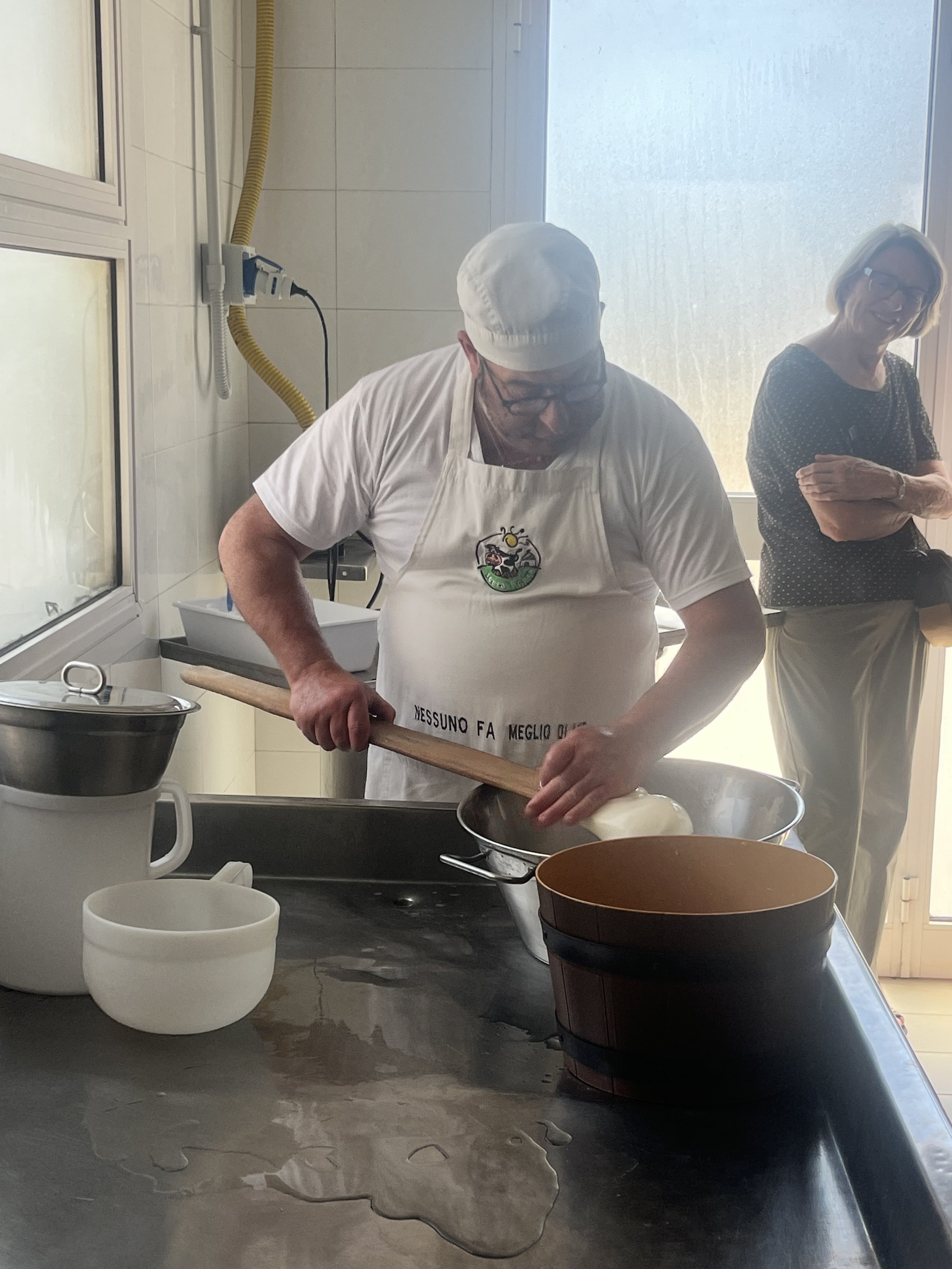
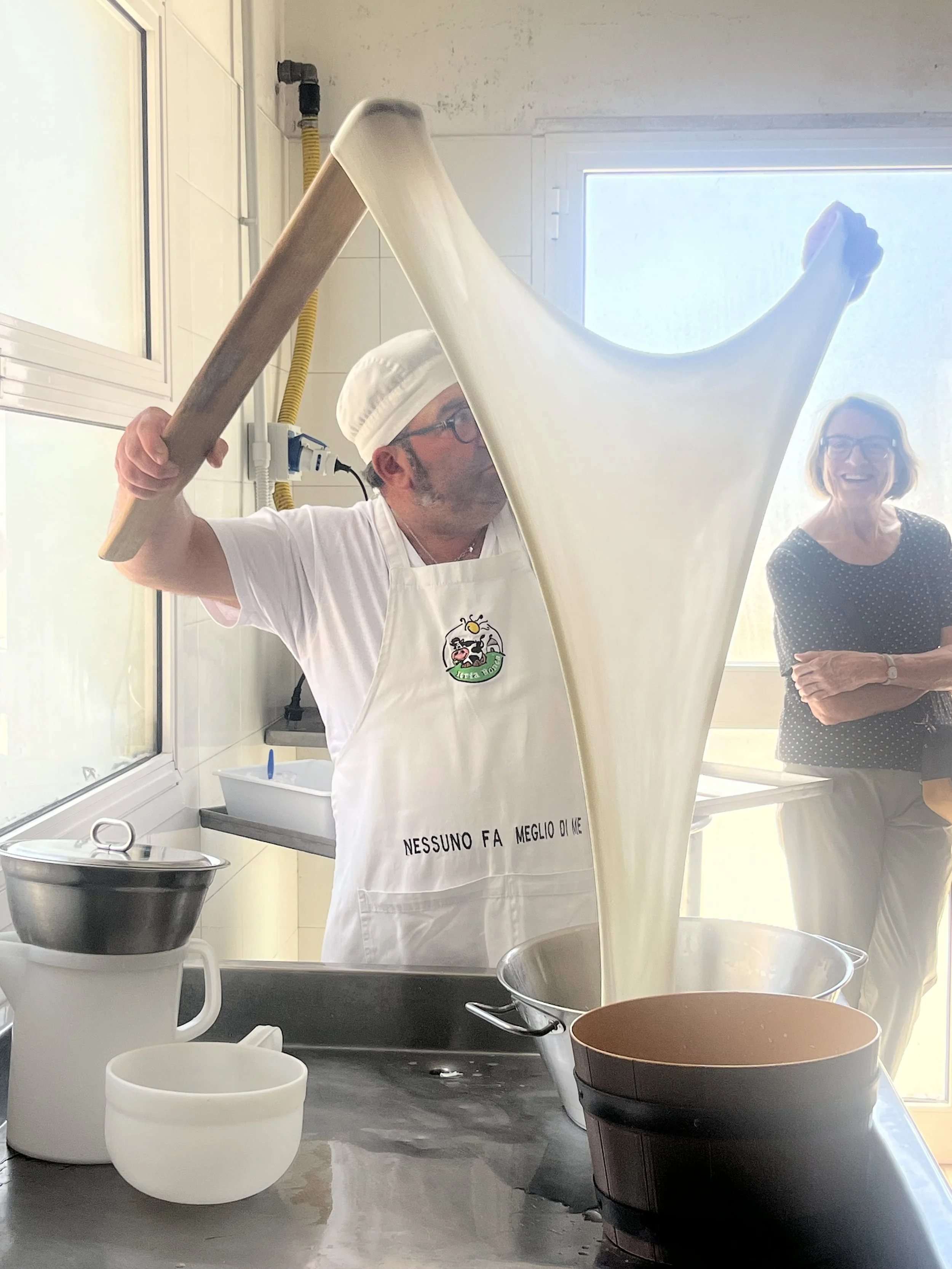
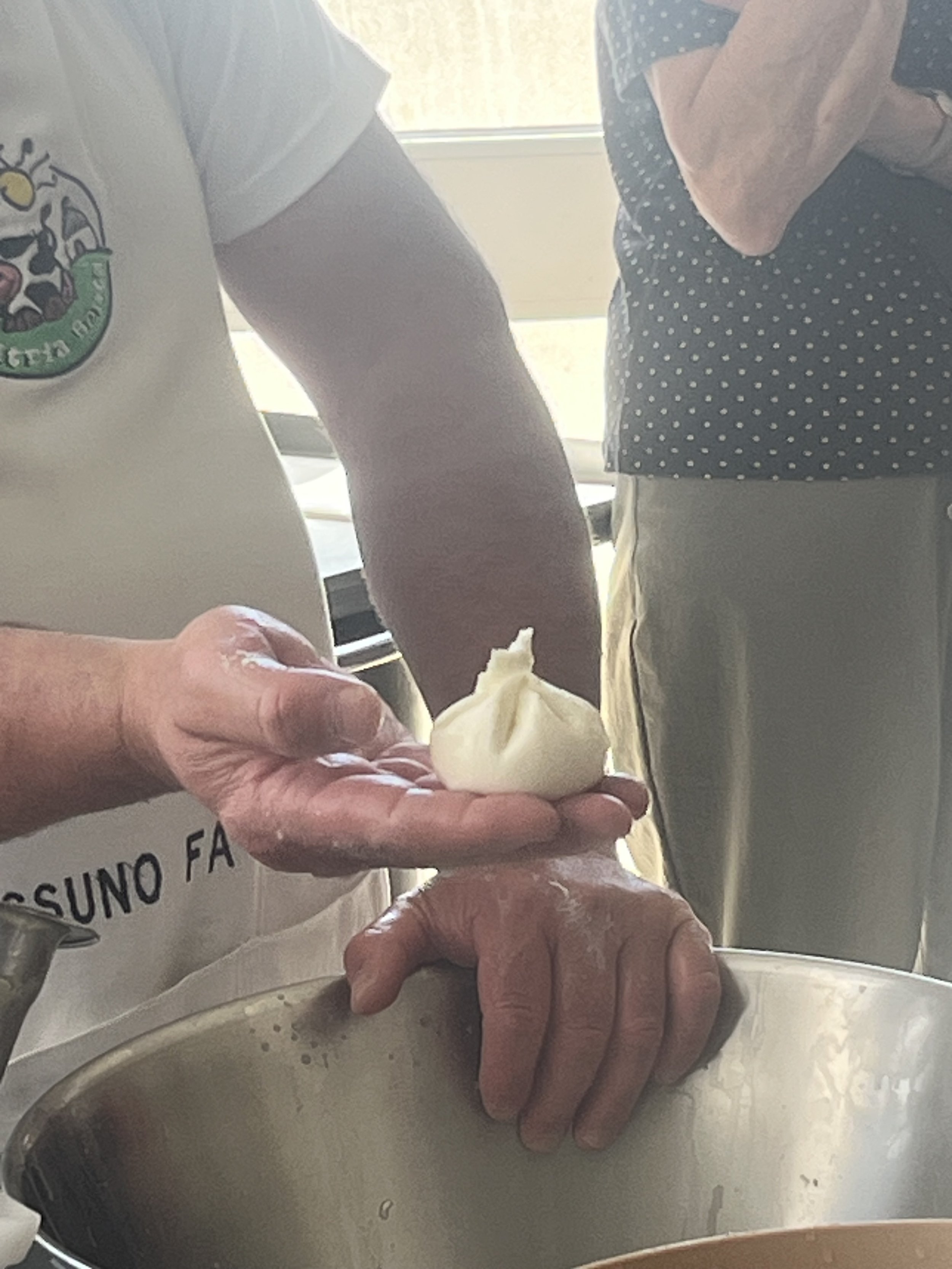
This was followed by a visit to a local farmer who produces traditional cheeses. Watching his demonstration of mozzarella-making was fascinating and mouth-watering in equal measure. Naturally, lunch that followed featured generous servings of freshly made mozzarella and creamy burrata, both showcasing the exceptional quality of local produce.
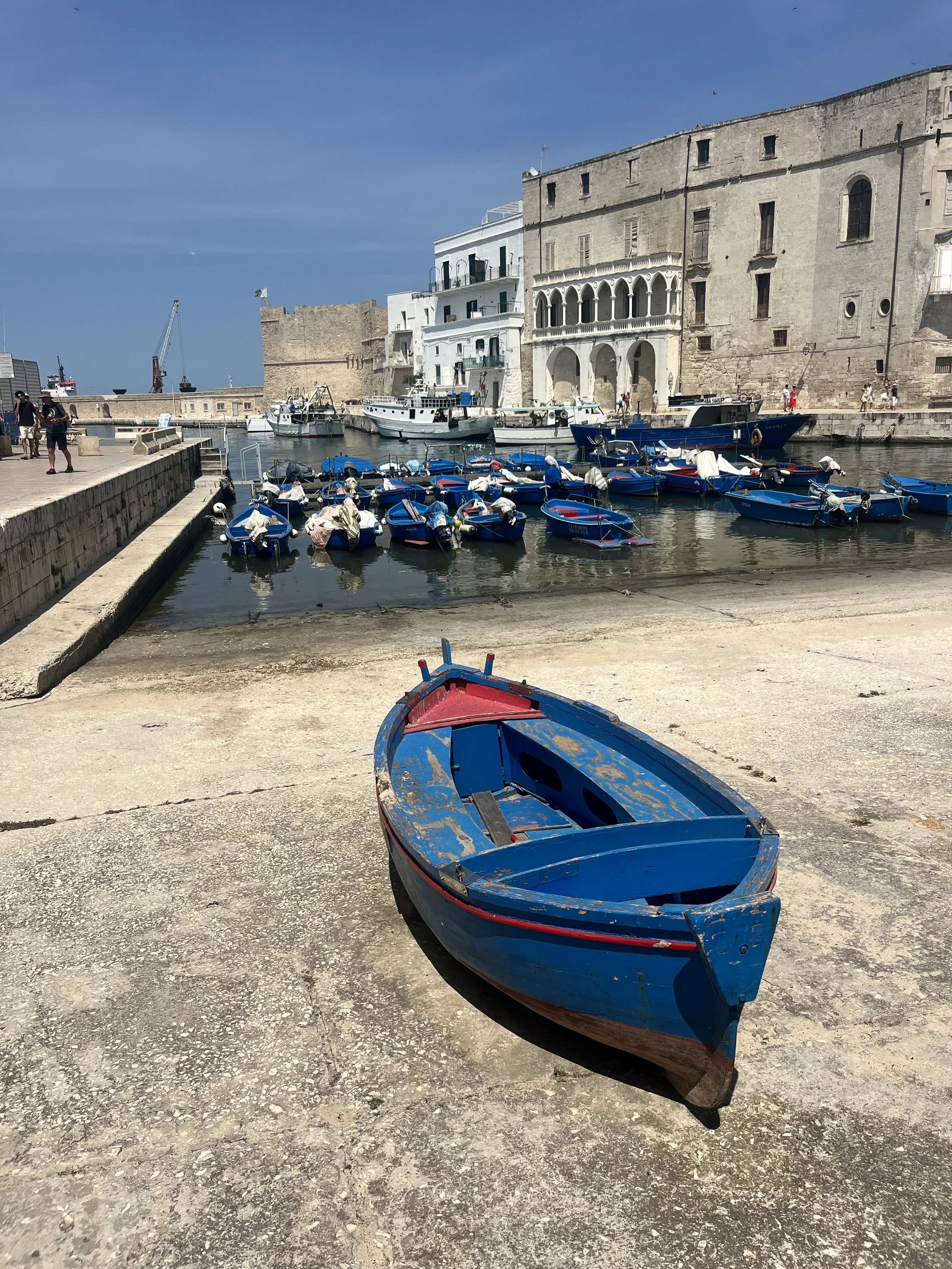
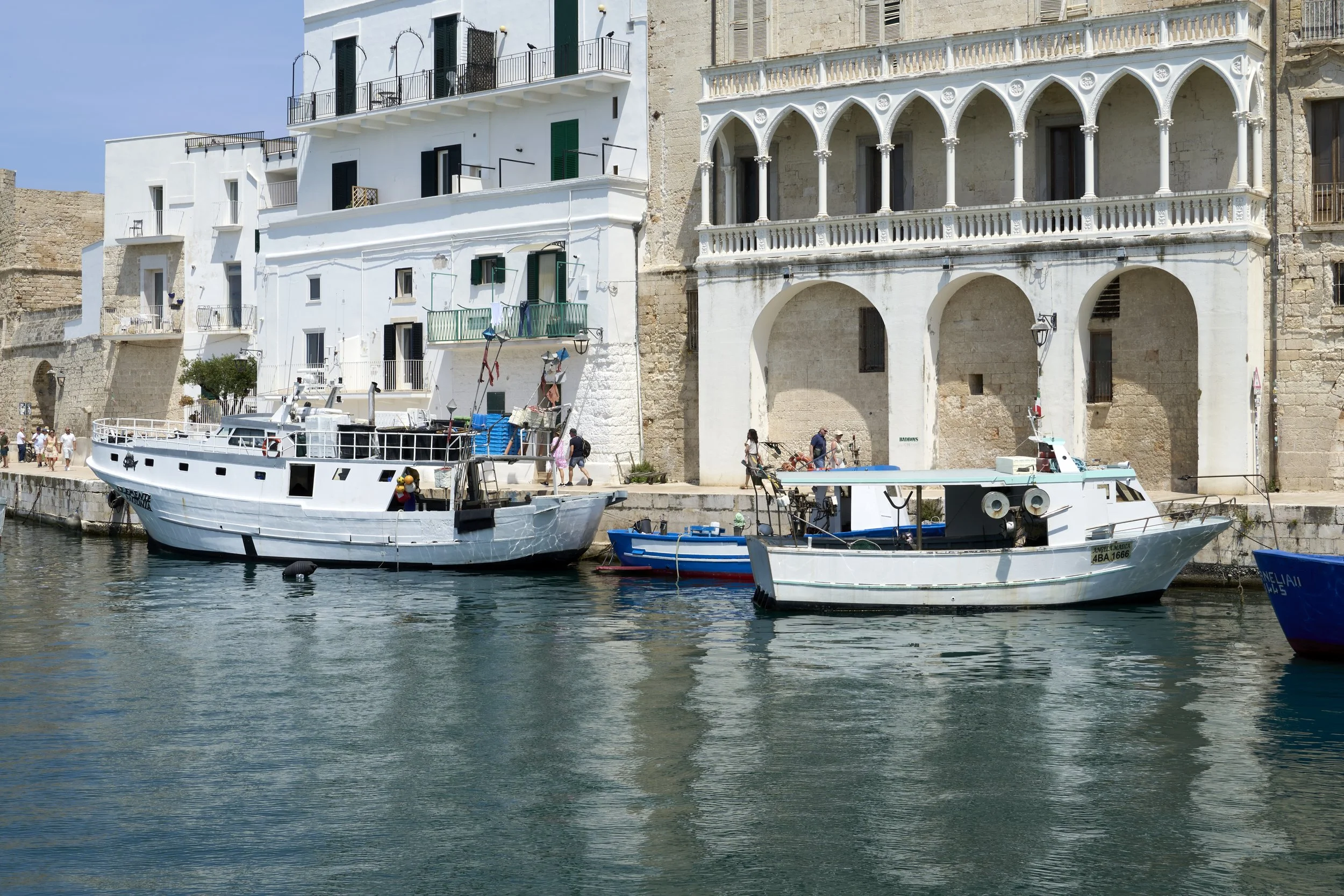
Before returning to the masseria, we enjoyed our afternoon passeggiata through the beautiful coastal town of Monopoli. With its picturesque harbour, narrow streets and lively piazzas, it was the perfect place to pause, sit at a café and soak up the vibrant atmosphere as locals and visitors alike went about their day.
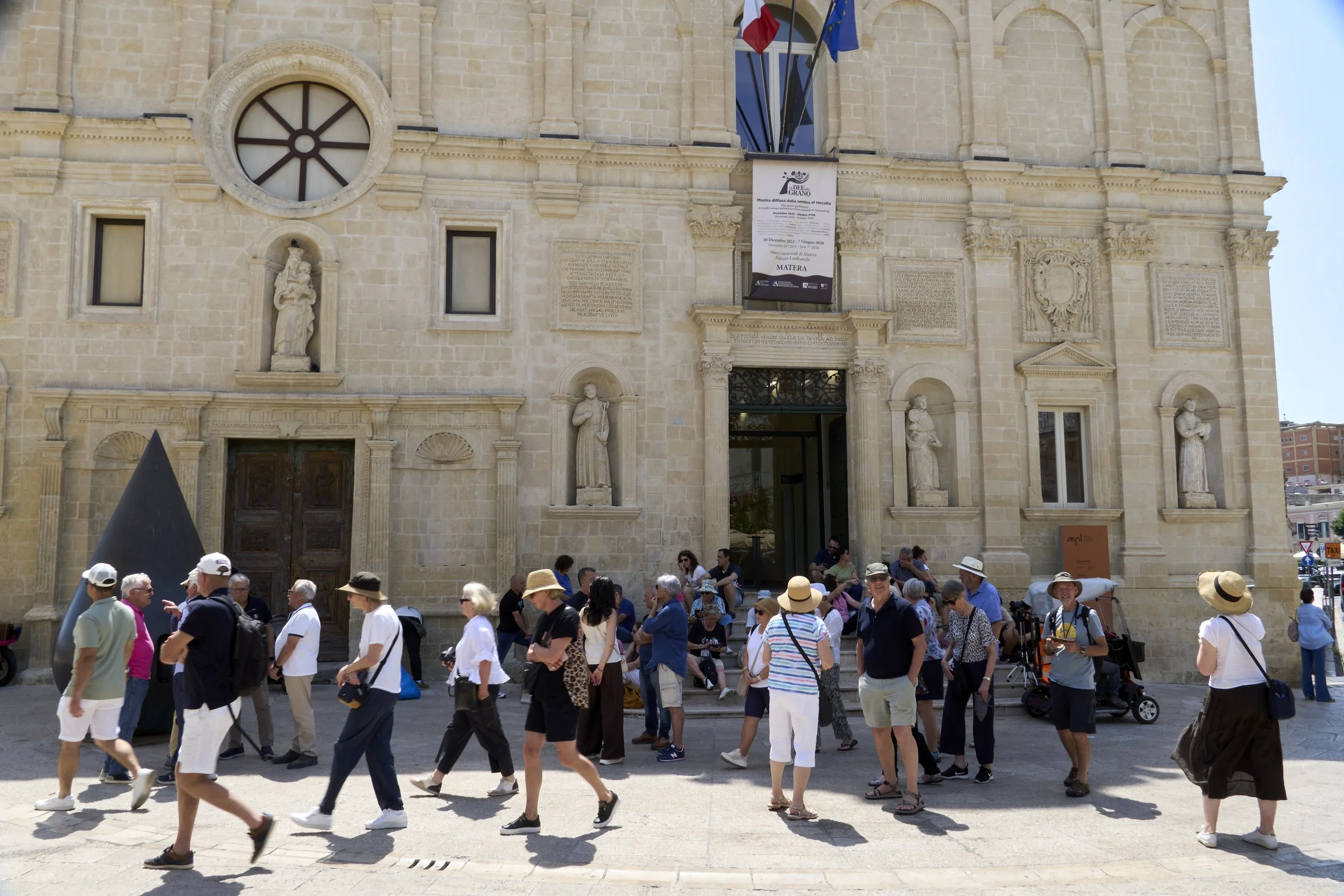
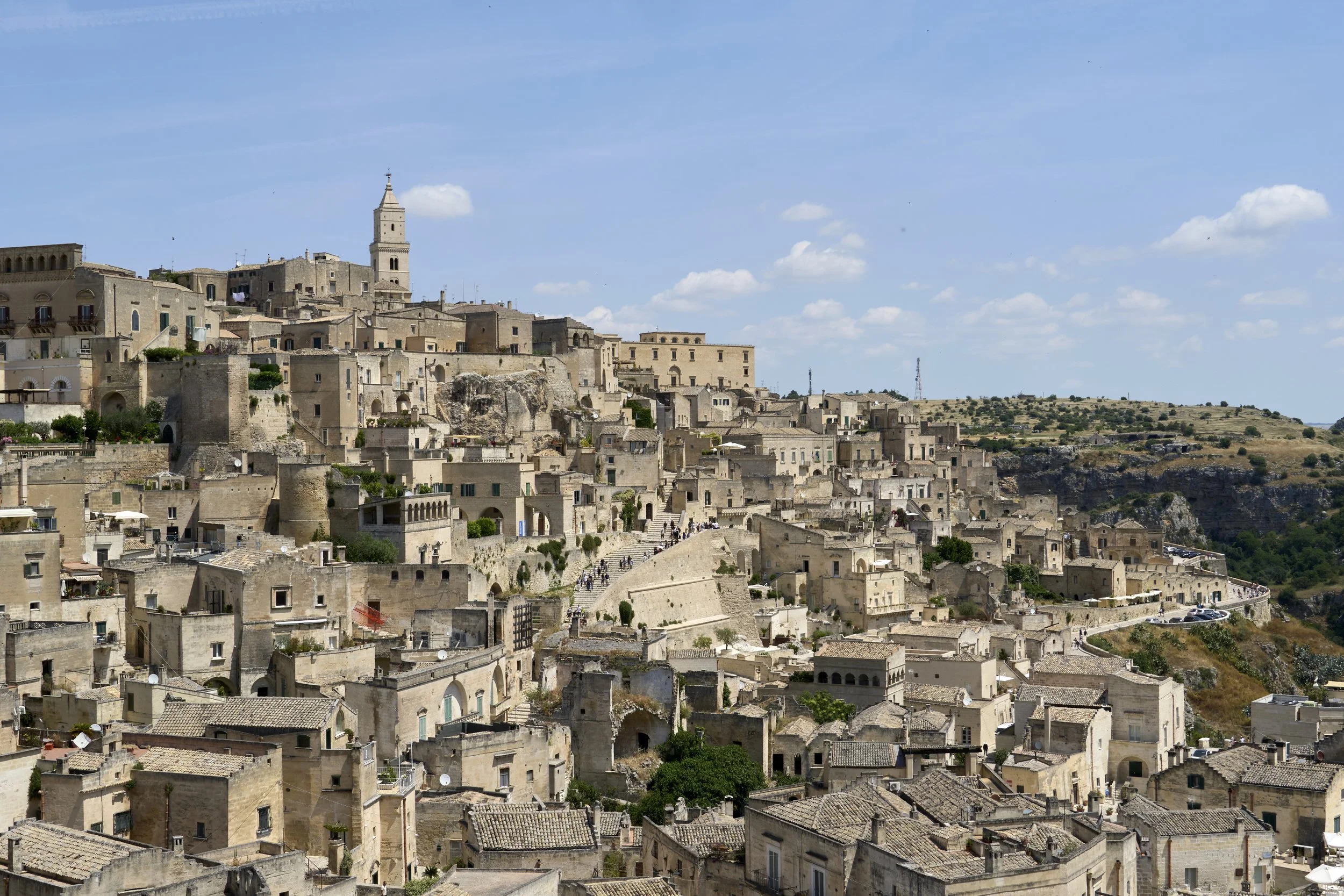
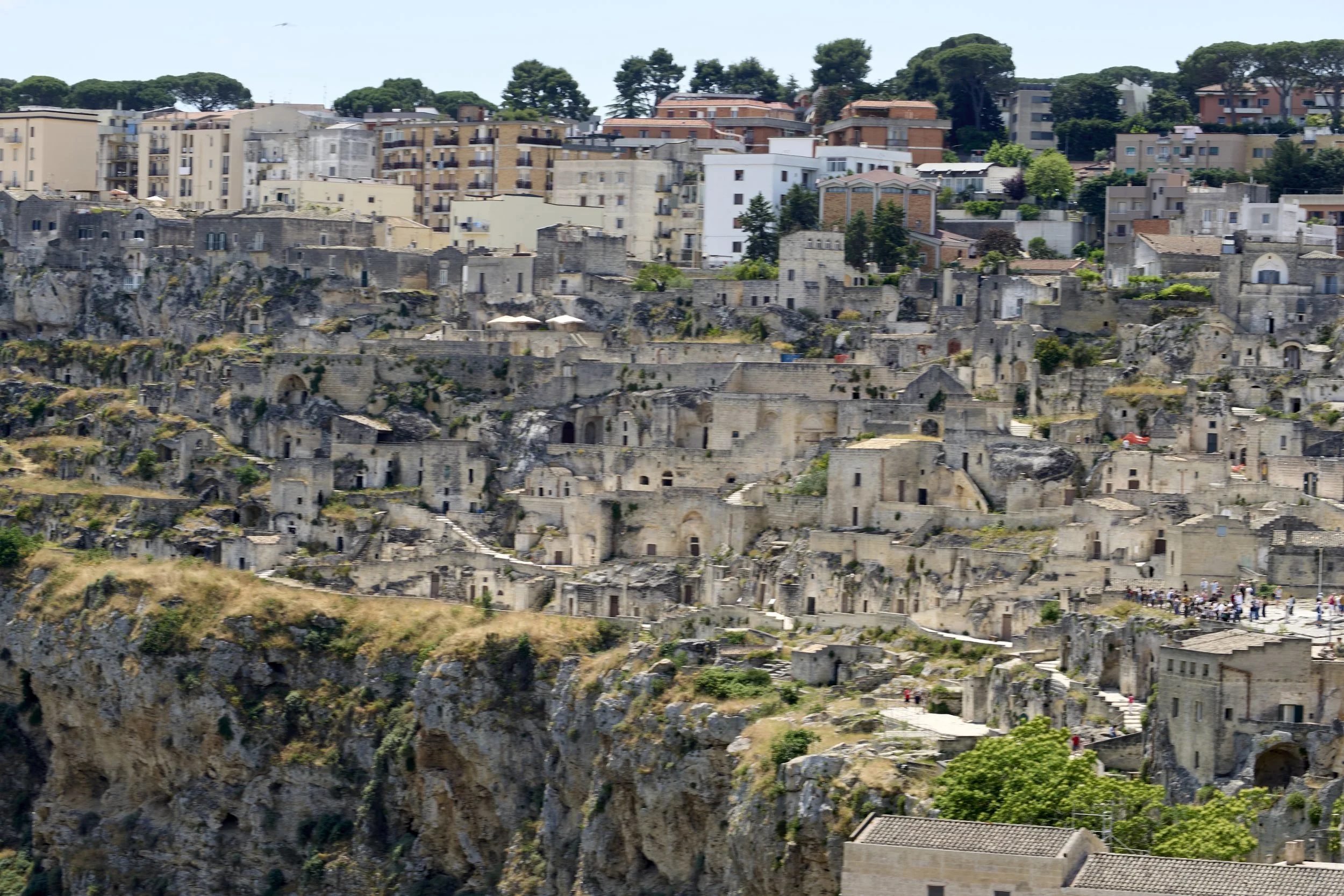
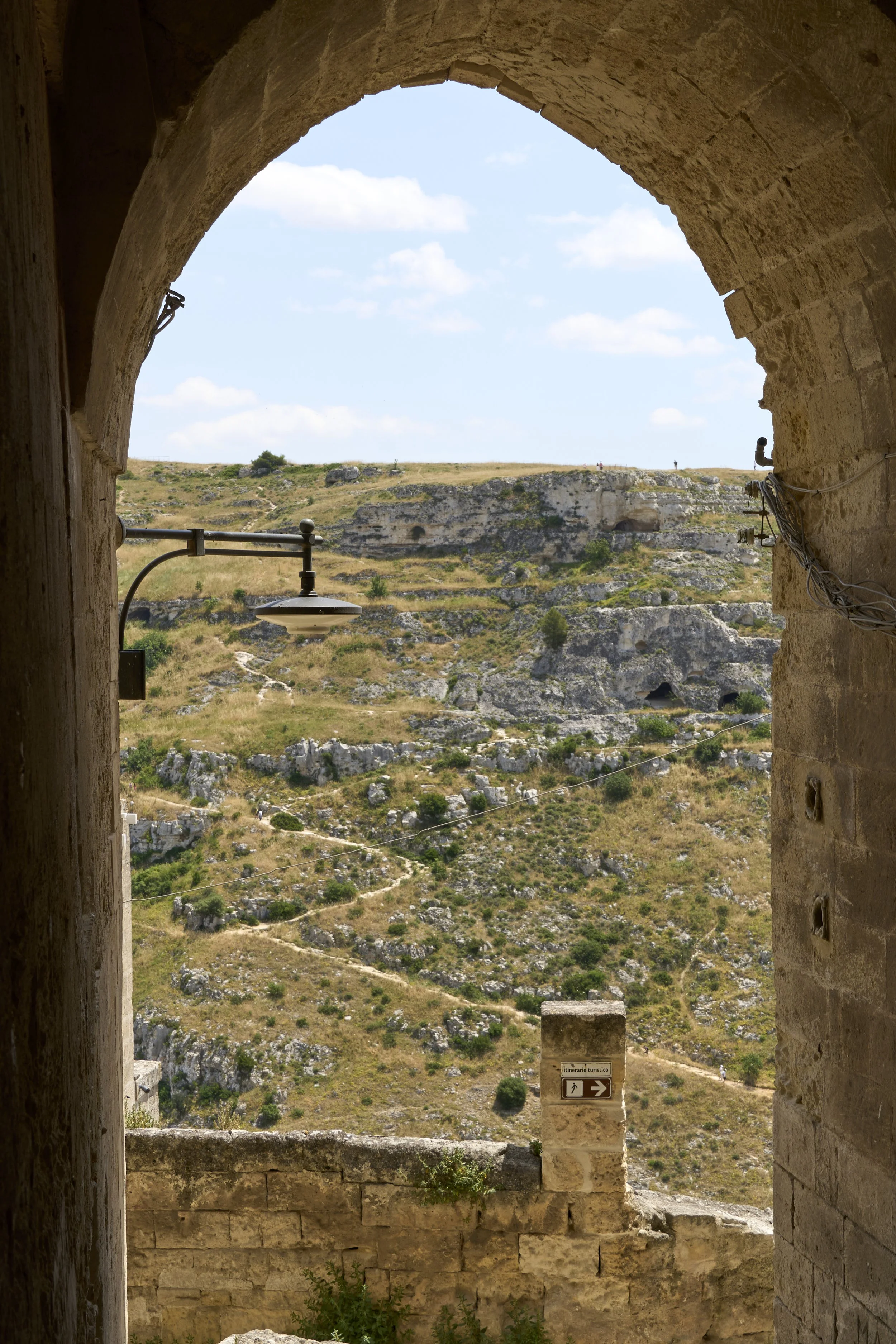
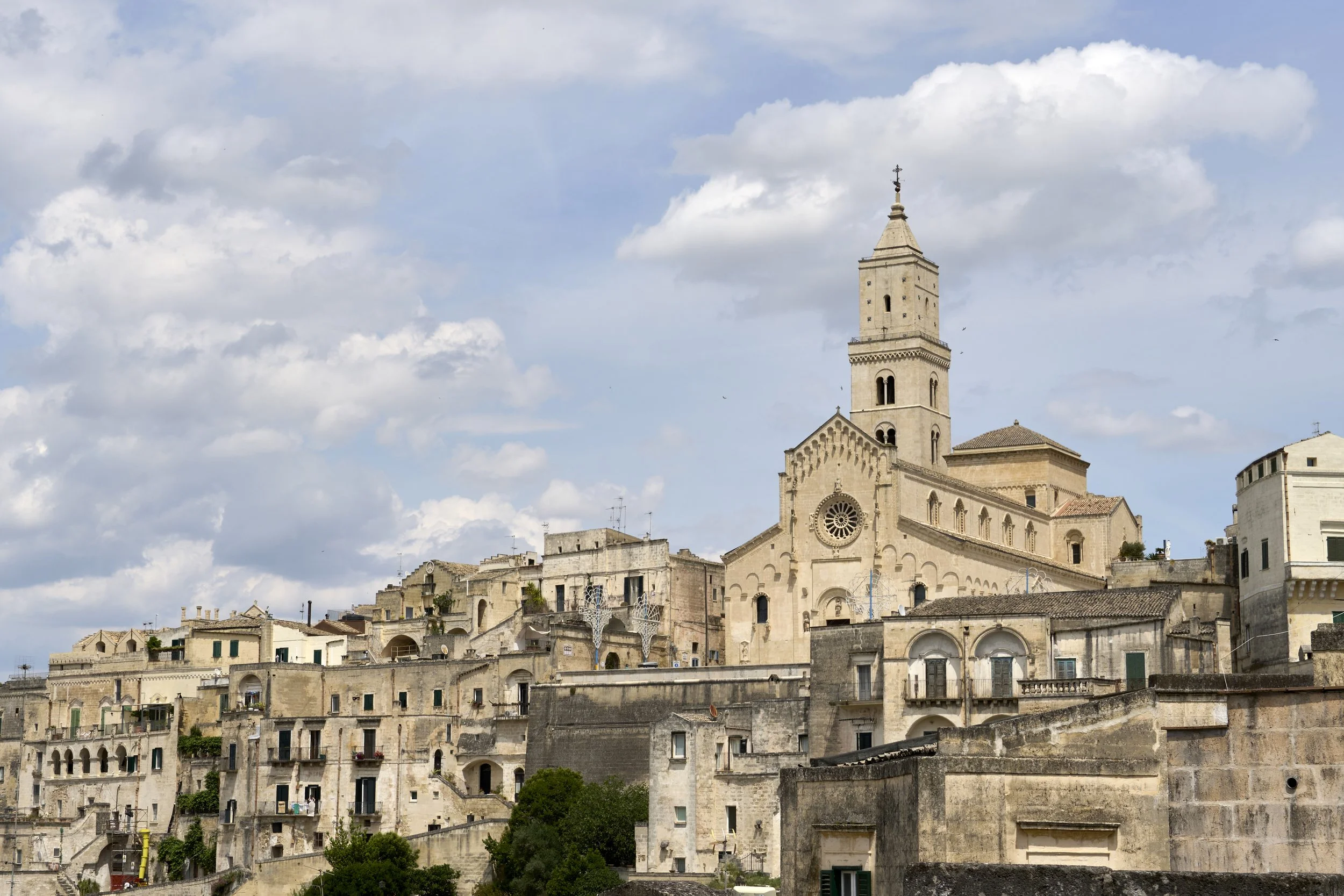
Always humbling is a visit to the Sassiʼs of Matera, a settlement with over 9,000 years of continuous habitation. Once known as the “Shame of Italy”, people lived here in caves without sanitation or running water until the 1950s. Entire communities were relocated to modern apartments, improving living standards but at the same time disrupting long-established social networks. Today, luxury hotels have transformed many of the caves into exclusive accommodation, while visitors from around the world wander through the Sassi in awe of this remarkable place and the resilience of those people who once called it home.
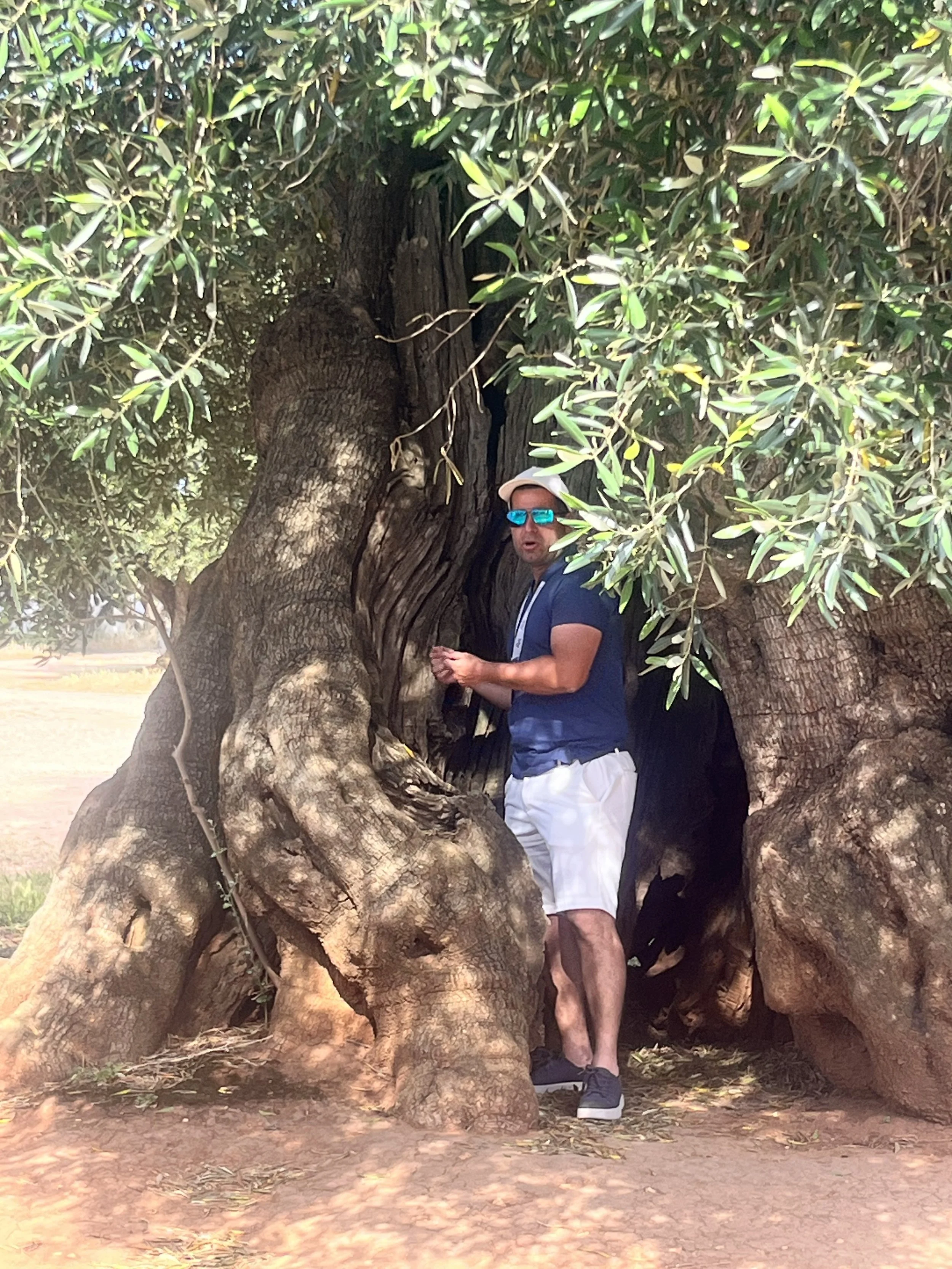
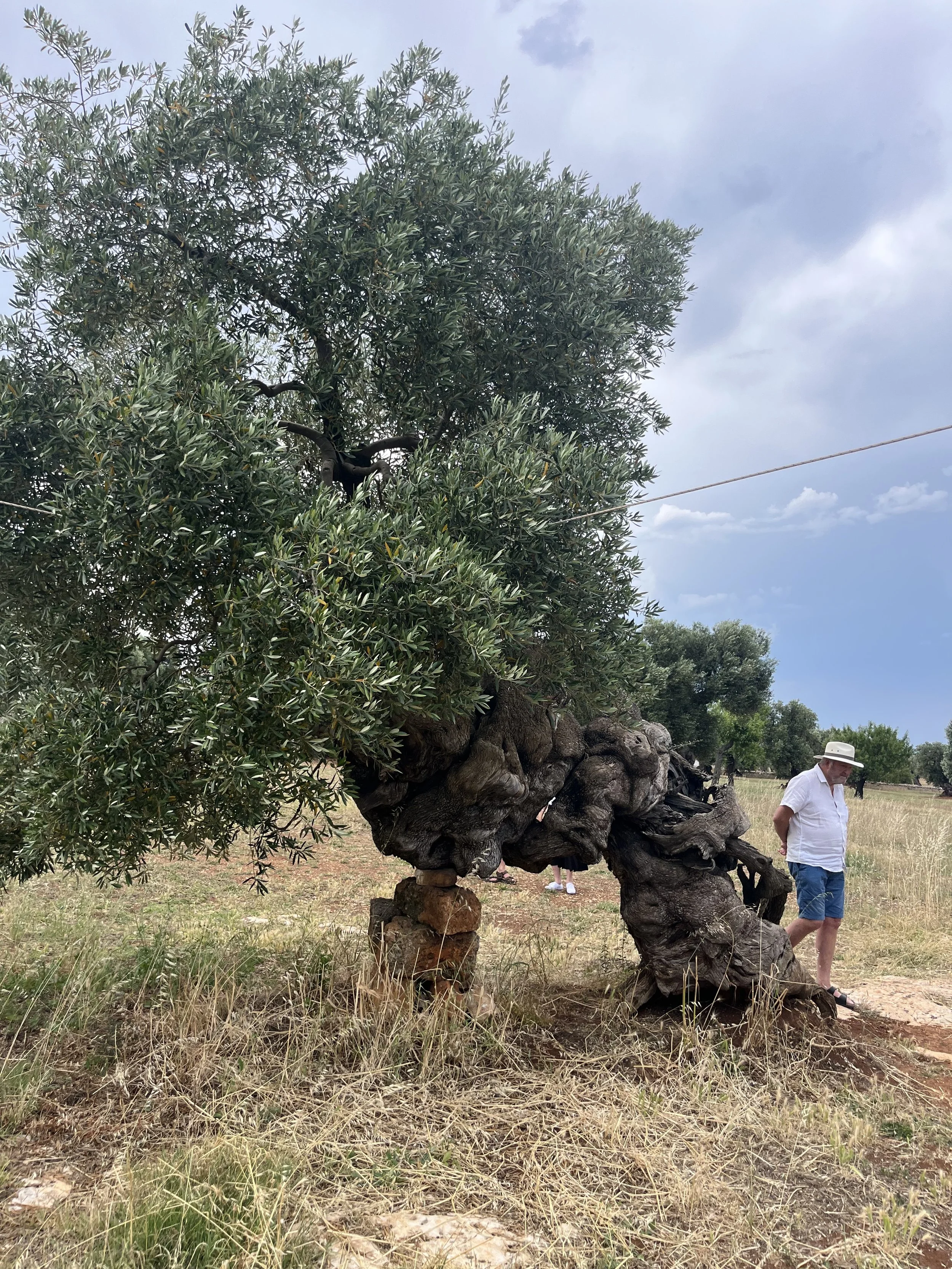
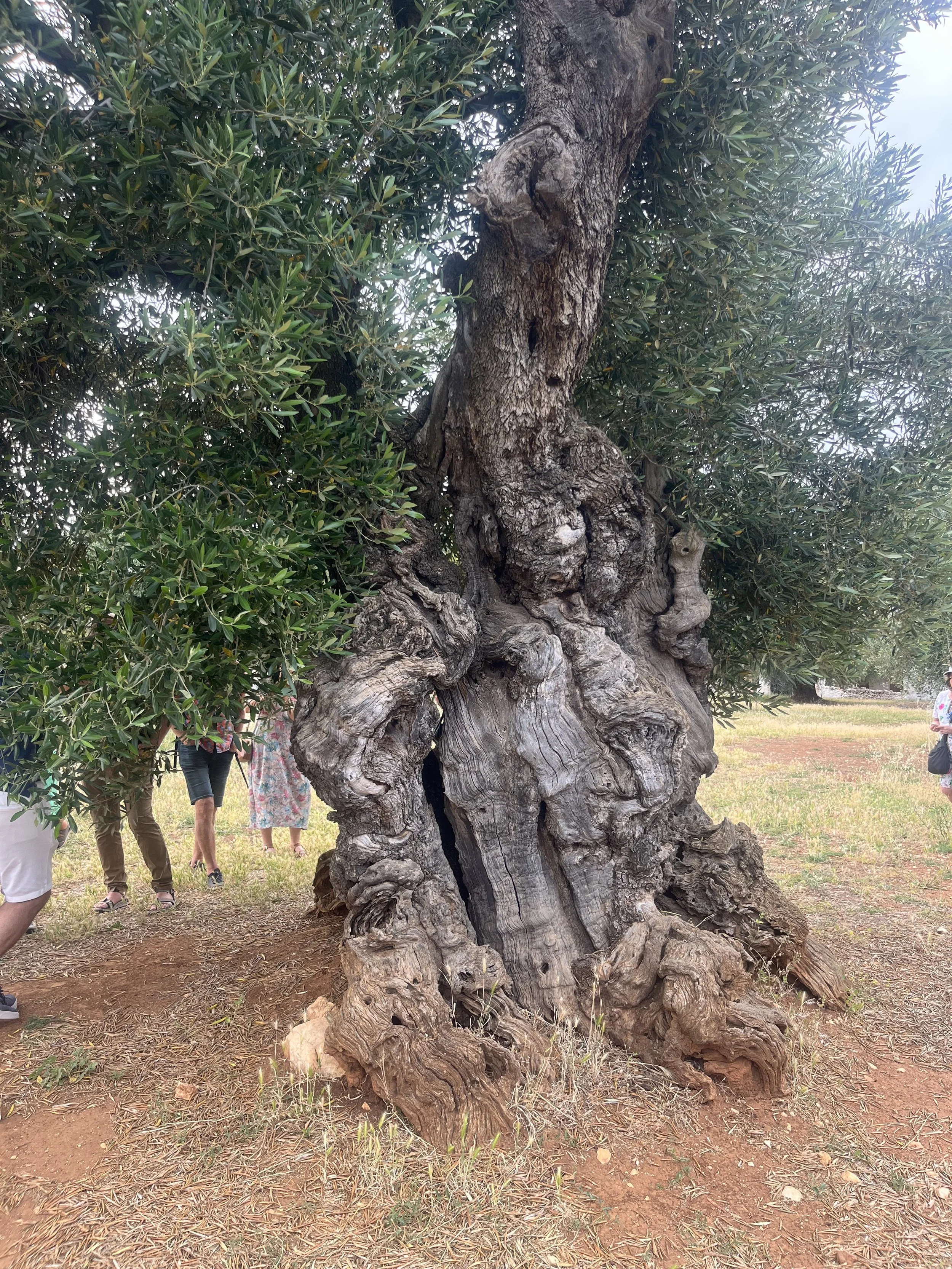
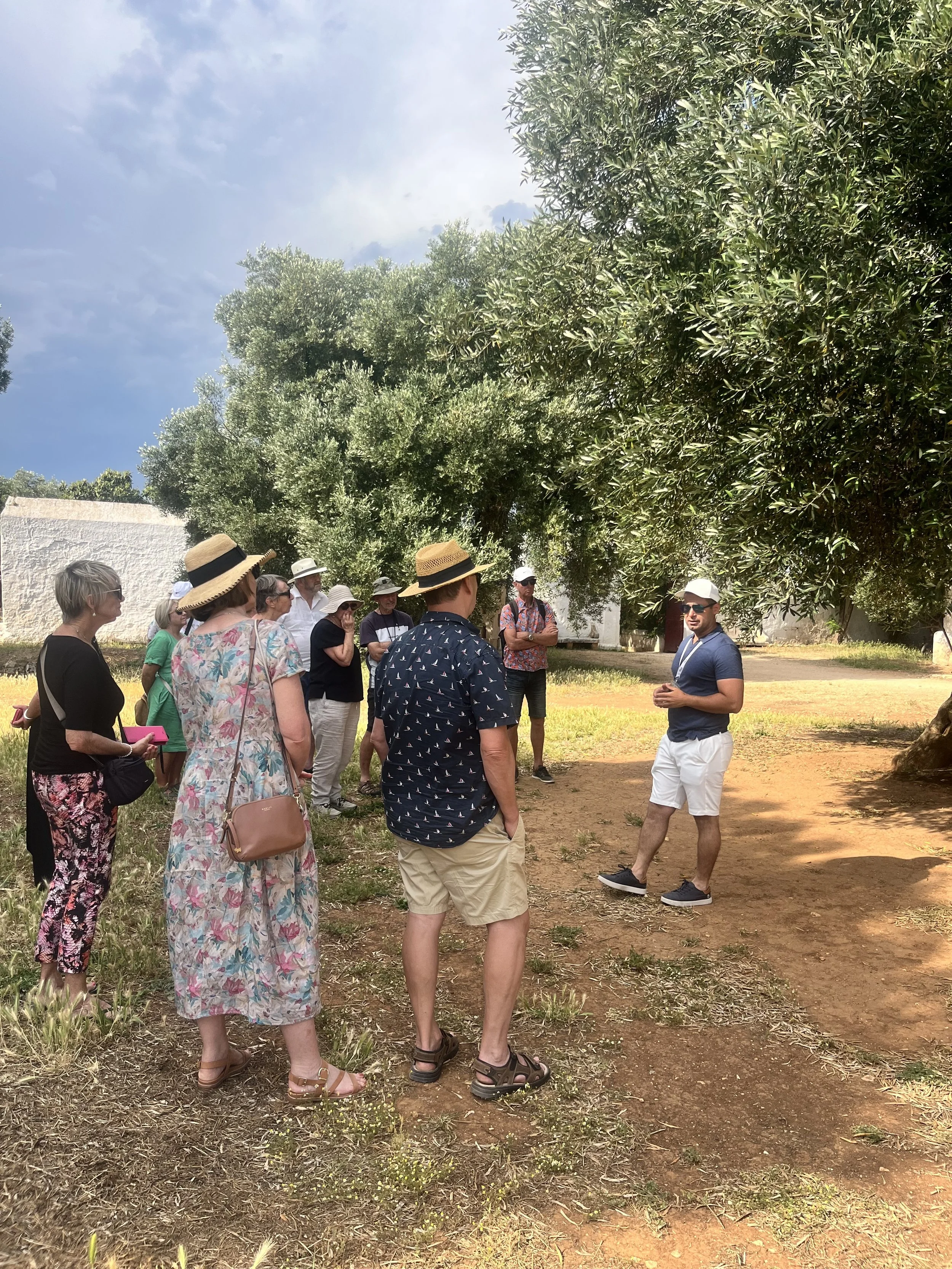
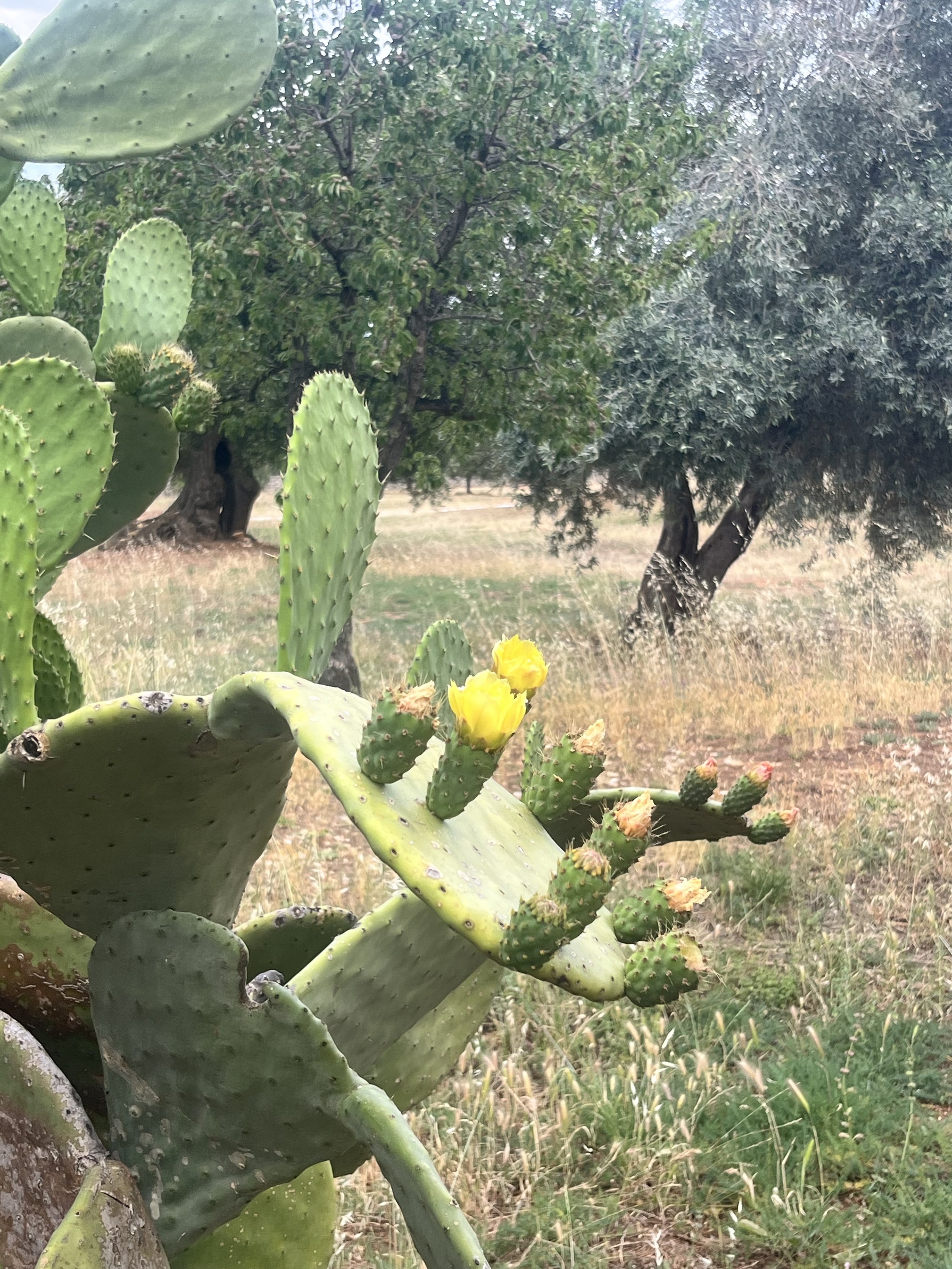
I think one of the most distressing thisngs I have seen here is the desolation of thousands of Puglia’s olive trees which are now destroyed or threatened by the Xylella fastidiosa bacterium. It is particularly bad in the south, where the devastation is heartbreaking. Our visit to Masseria Brangati came late in the afternoon after a relaxed morning spent by the pool, wandering through the gardens, and enjoying a long, leisurely lunch. I have visited this olive grove several times over the years, and it was a delight to see that the little boy I once met there is now helping to host visitors. The trees here are over 2,000 years old—architectural, statuesque, and monumental. Planted during Roman times, they stand as living witnesses to history in this region. Corrado, the owner, lives with the constant fear that the disease may one day claim these precious trees. It is remarkable that they continue to thrive and produce the extra virgin olive oil for Masseria Brangati.
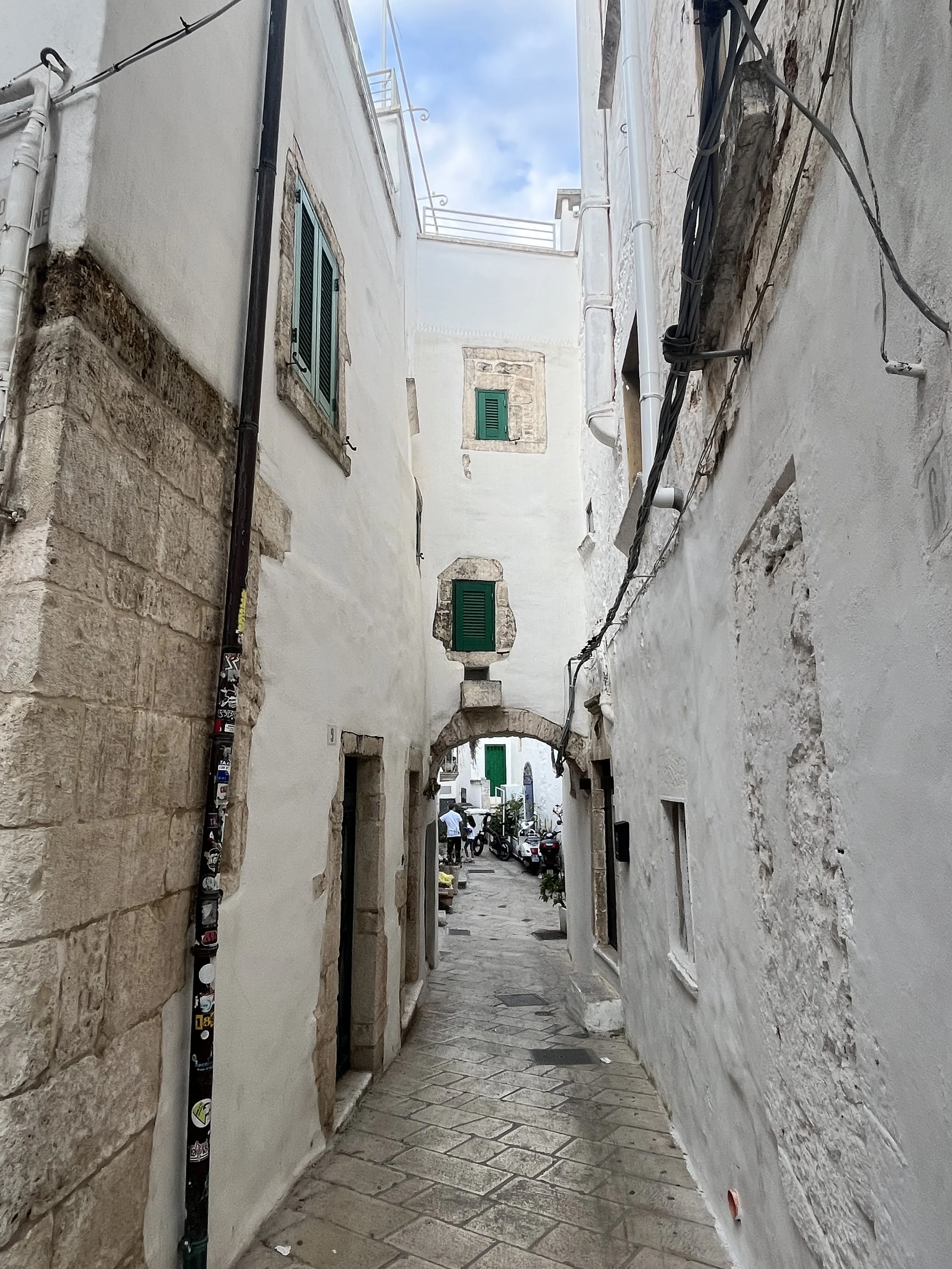
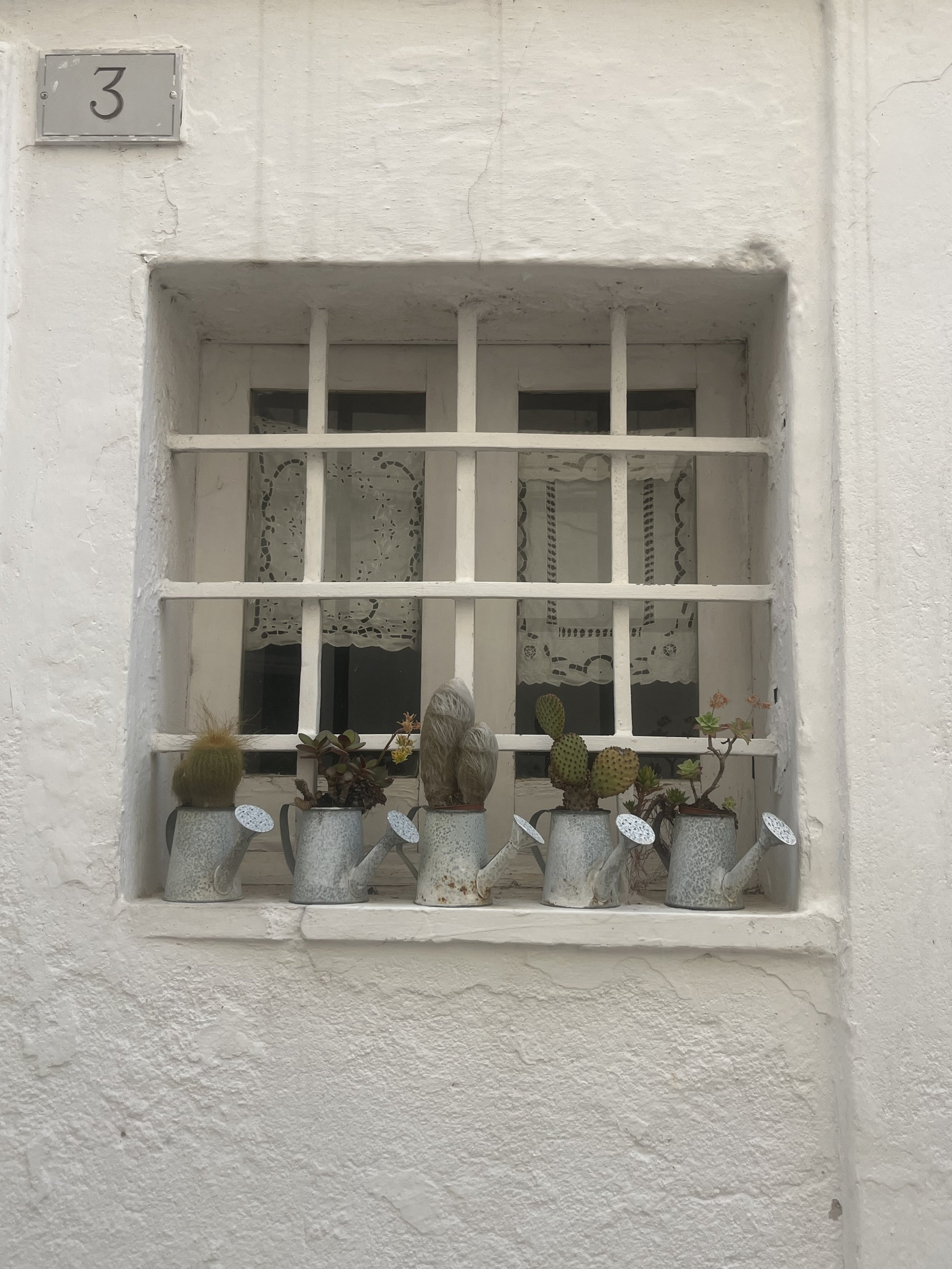
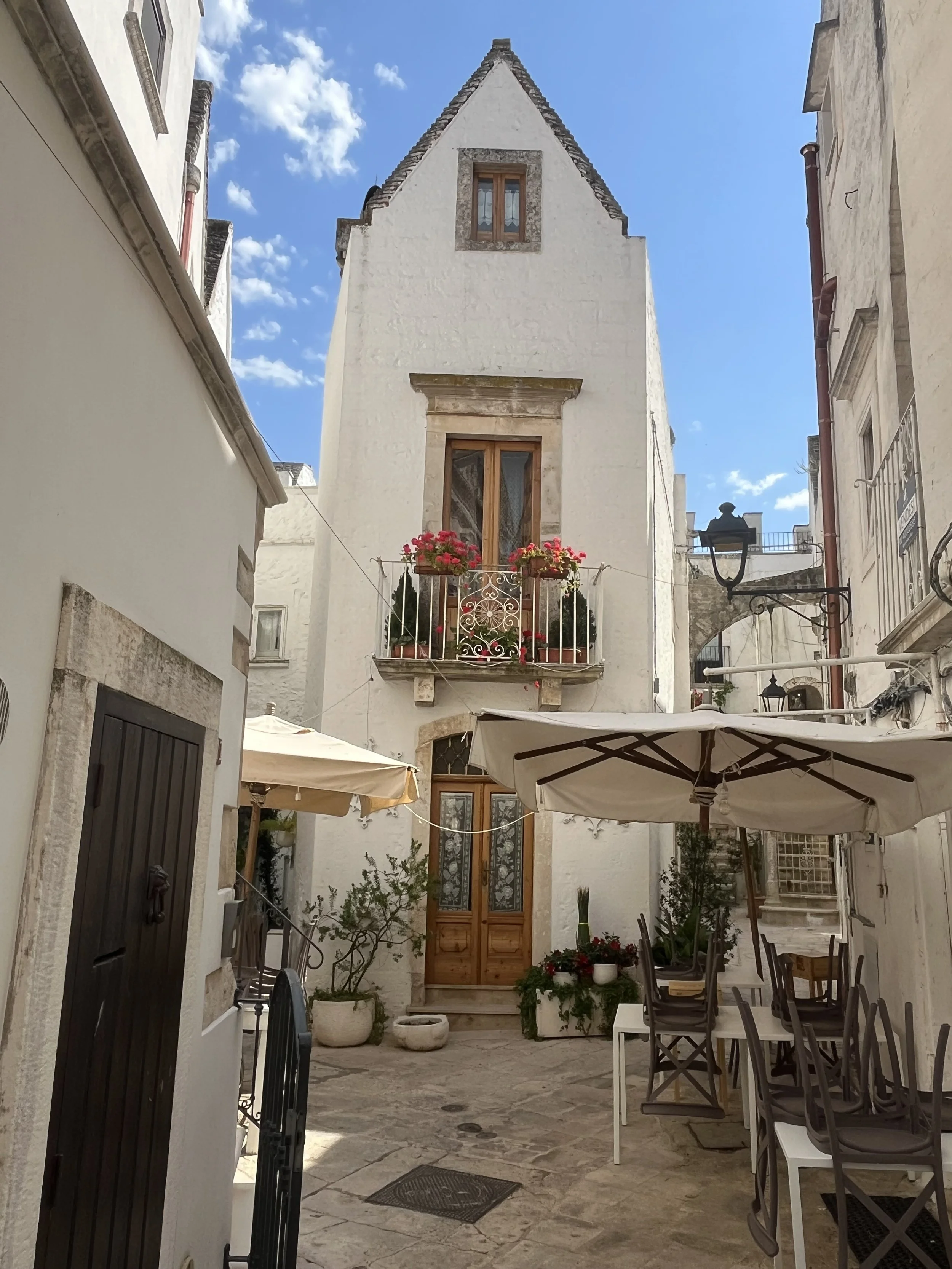
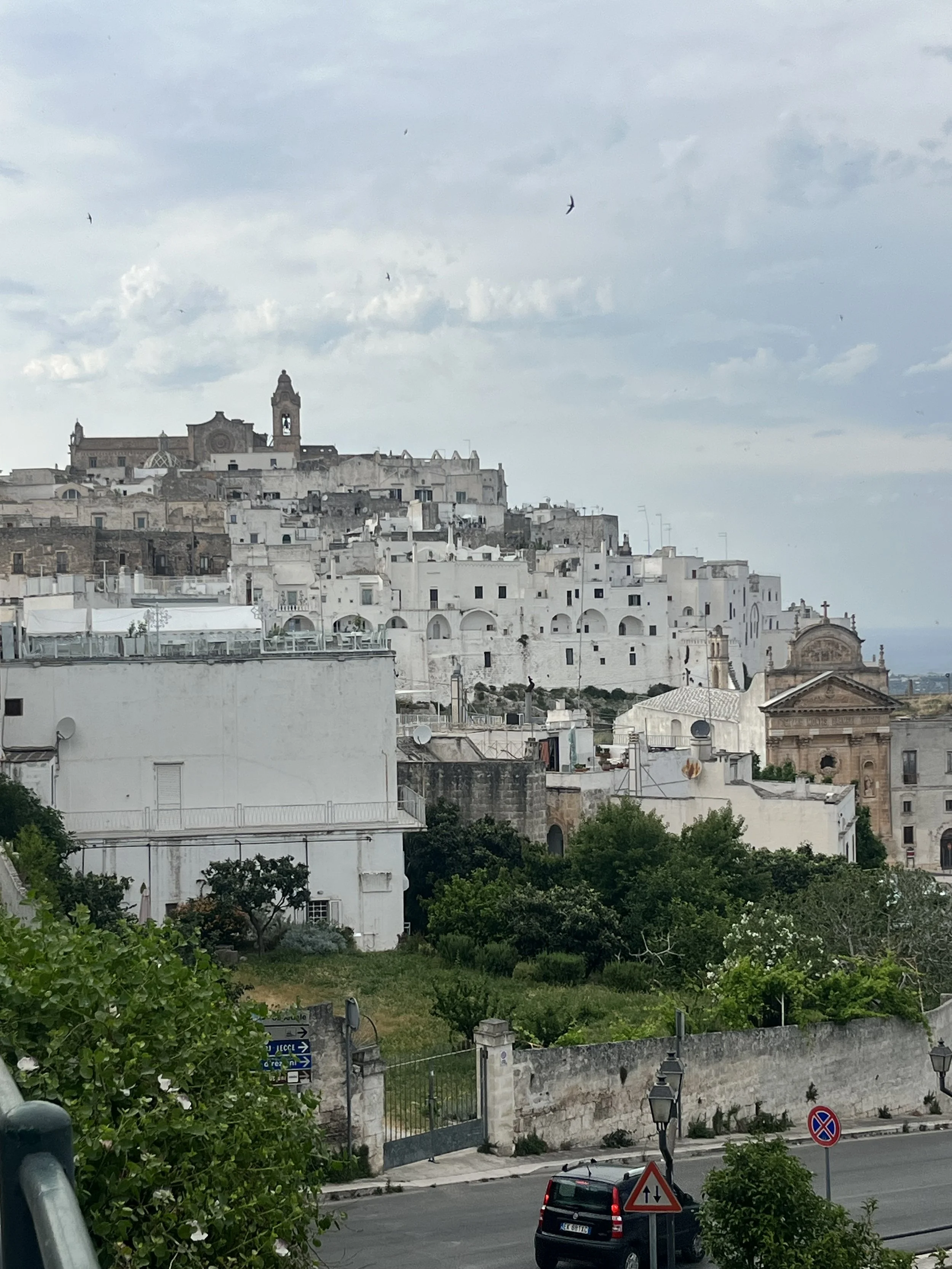
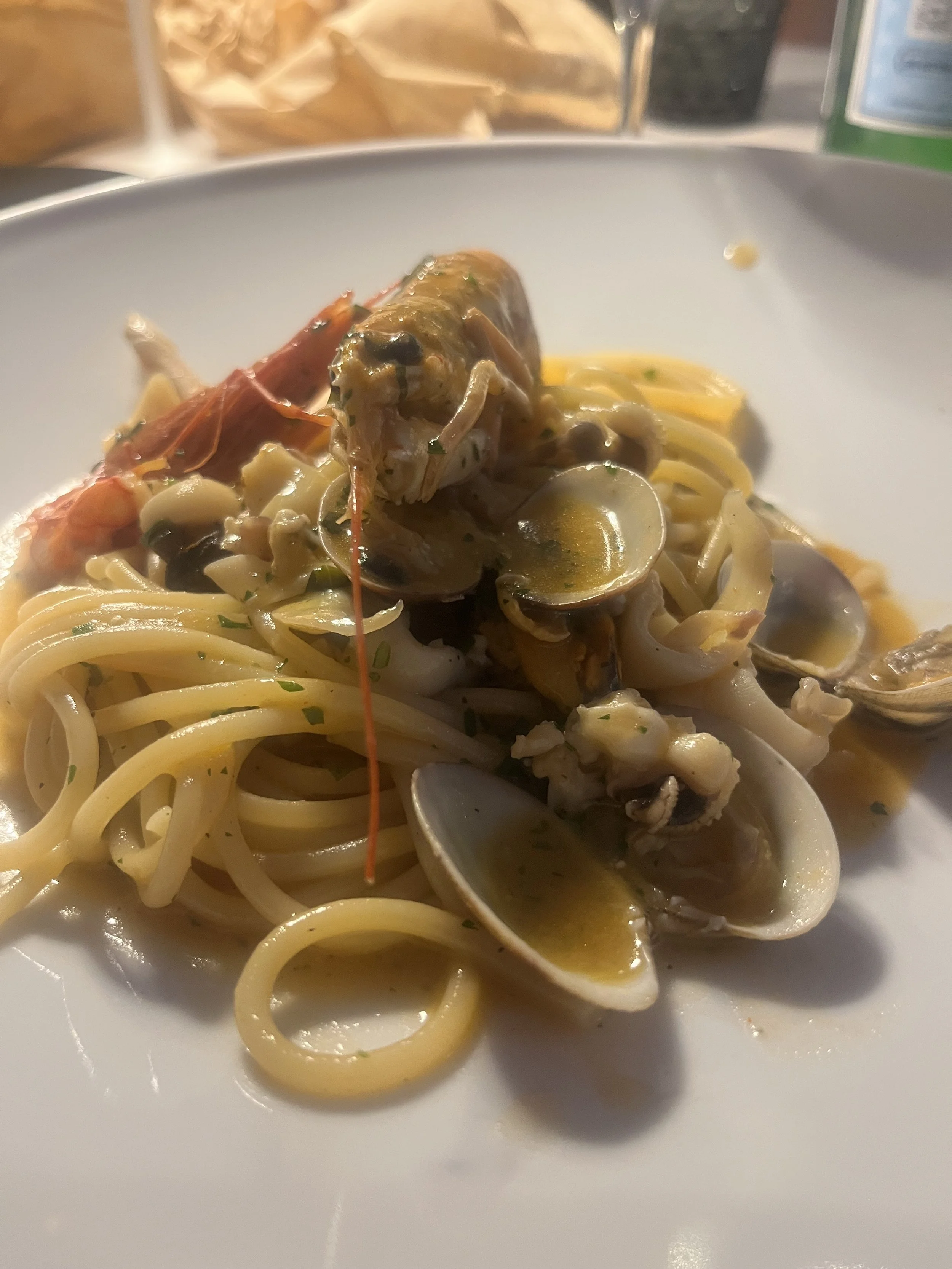
White-plastered villages are a feature throughout Puglia. Traditionally whitewashed to disinfect homes, prevent mould, and reflect the intense summer sunlight, they create some of the region’s most beautiful landscapes. Earlier in the afternoon we wandered through Locorotondo before spending the evening in Ostuni. .A guided walk with Michele was followed by a superb dinner at Opera Prima. Sitting outdoors overlooking the olive groves stretching towards the Adriatic coast, we enjoyed an outstanding meal: octopus salad, deep-fried stuffed zucchini flowers, seafood pasta, whole calamari, and white chocolate mousse with red berries.
So simple. So good.