
The Colour of Gold
It actually seems strange writing about events from ten days ago.
After our French tour finished in Giverny and Monet's Garden, we waited an hour for our train to Rouen while the wonderful Aimad escorted our group to Gare Saint-Lazare in Paris, where everyone dispersed to hotels, trains and taxis to continue their travels—or, for some, to begin the long journey back to New Zealand.
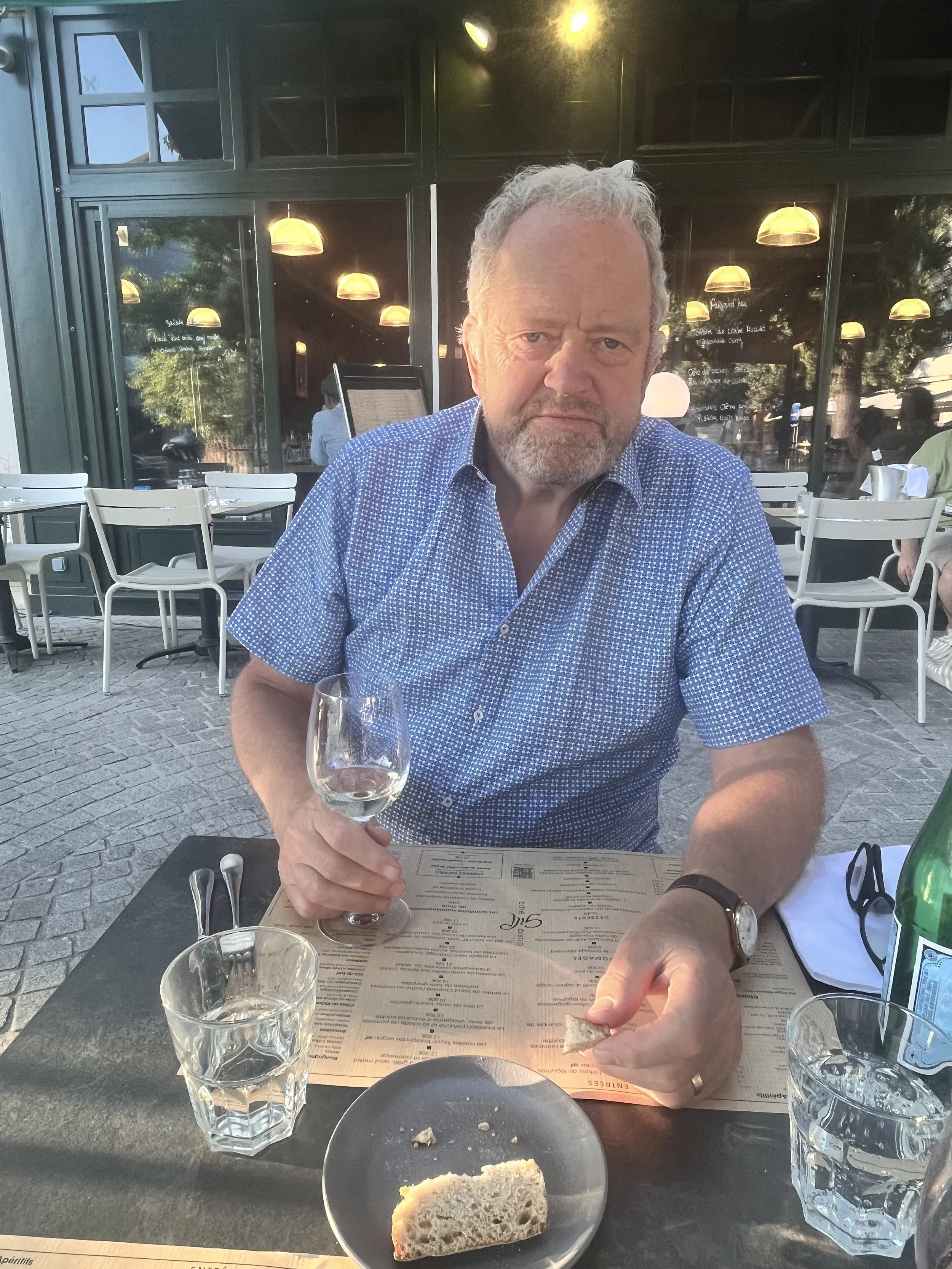
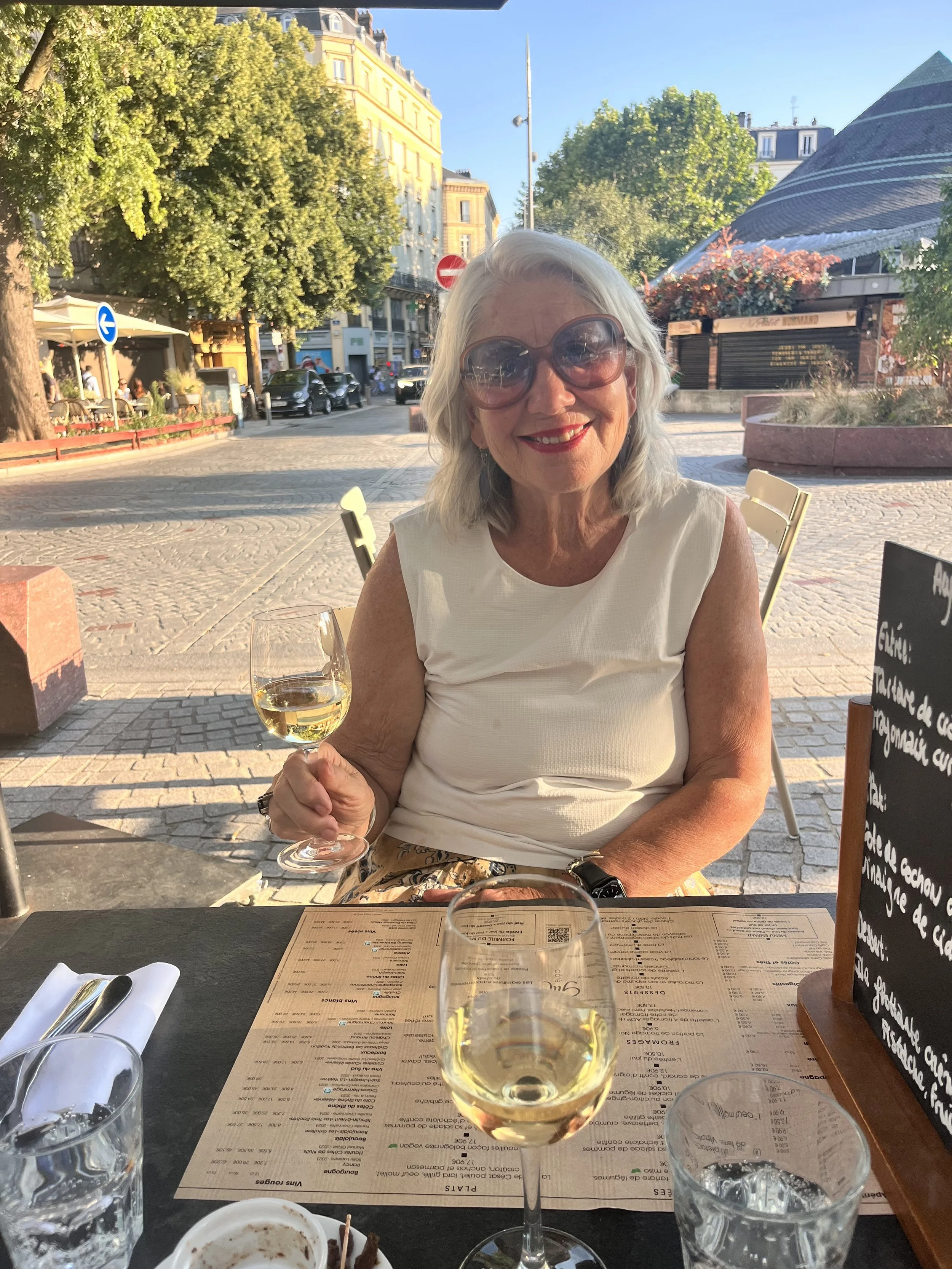
For us, it was a simple evening. The choice for dinner was easy—Restaurant Gill was nearby and, of course, was named after a favourite cousin!
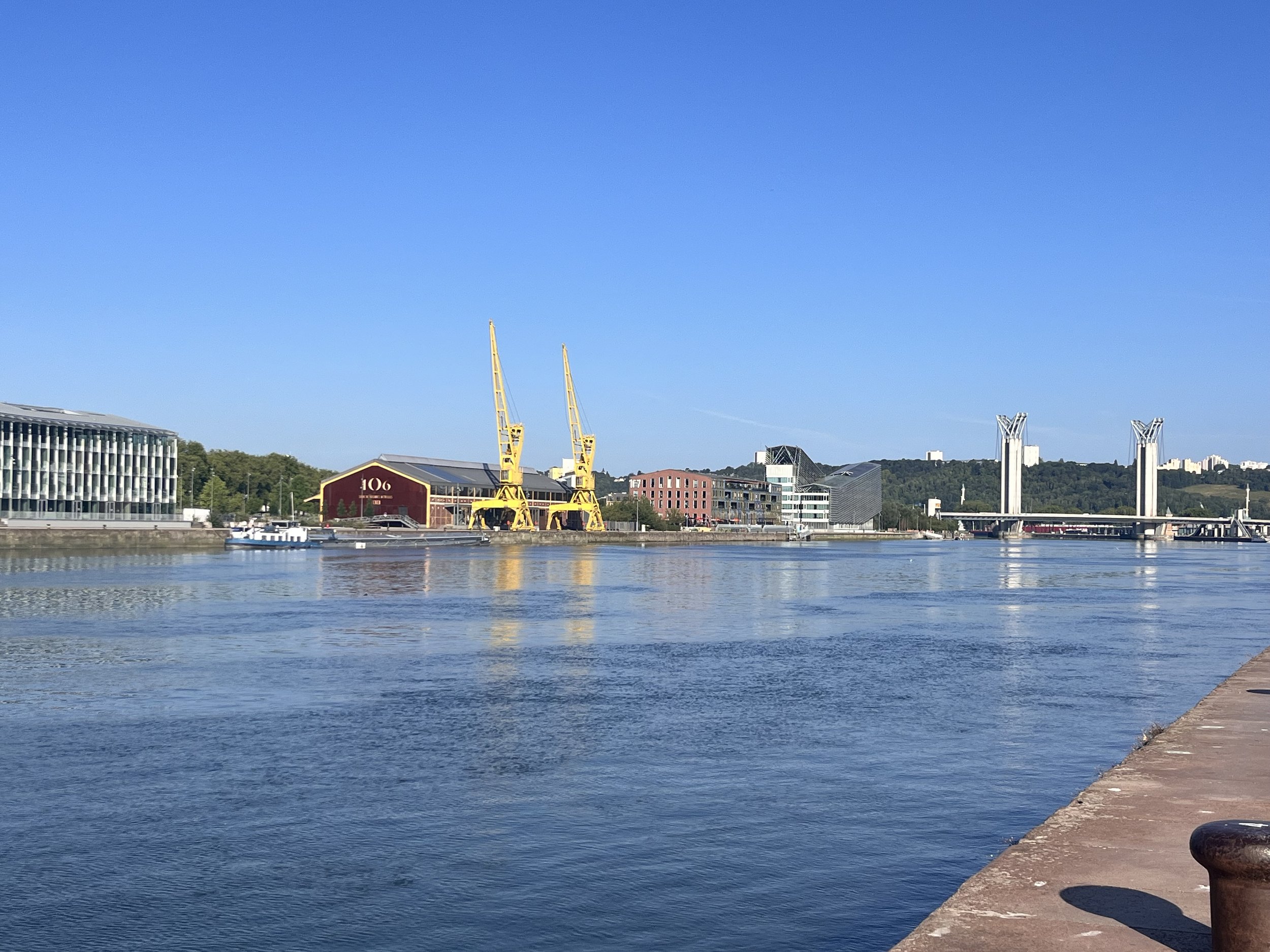
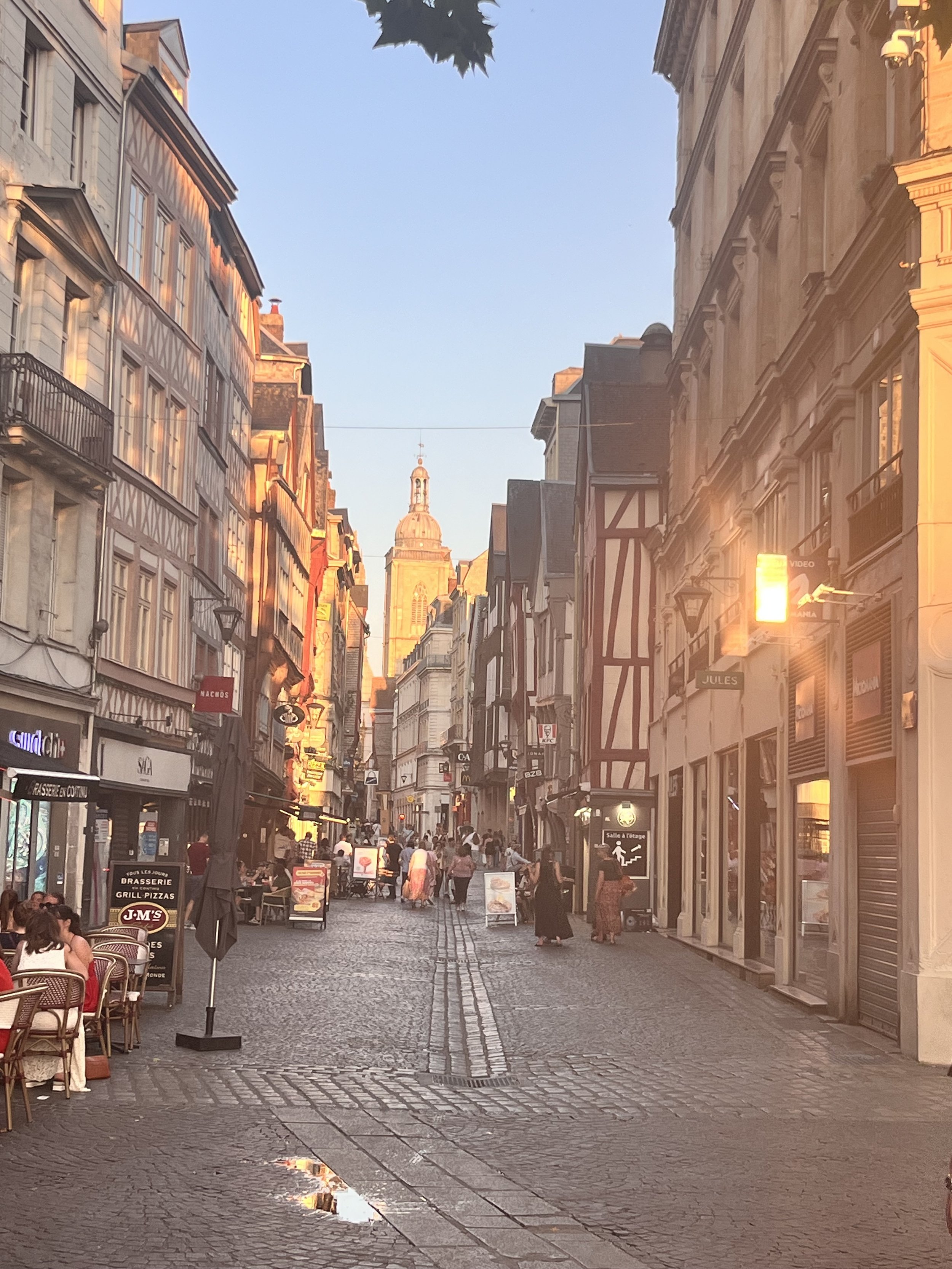
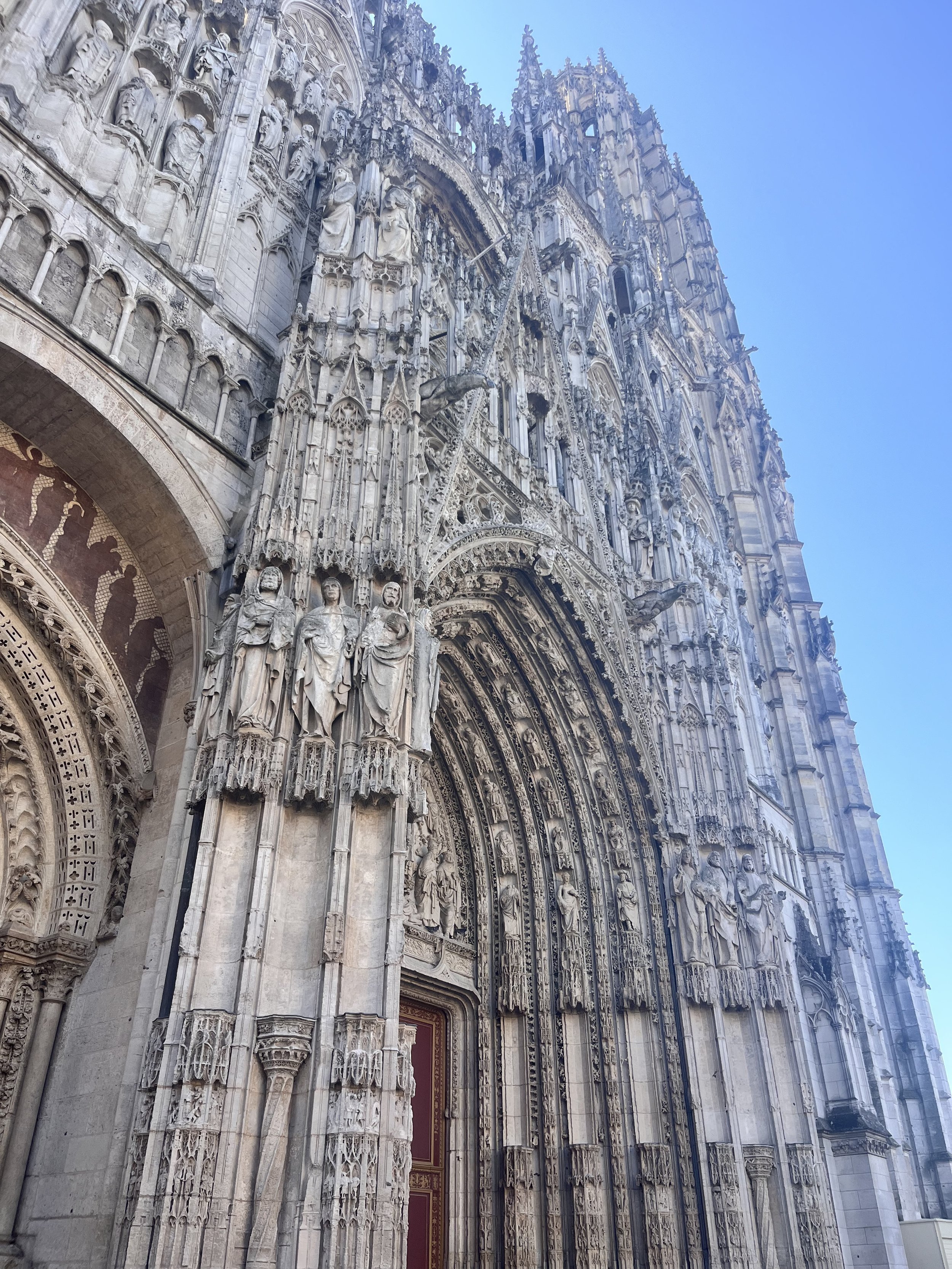
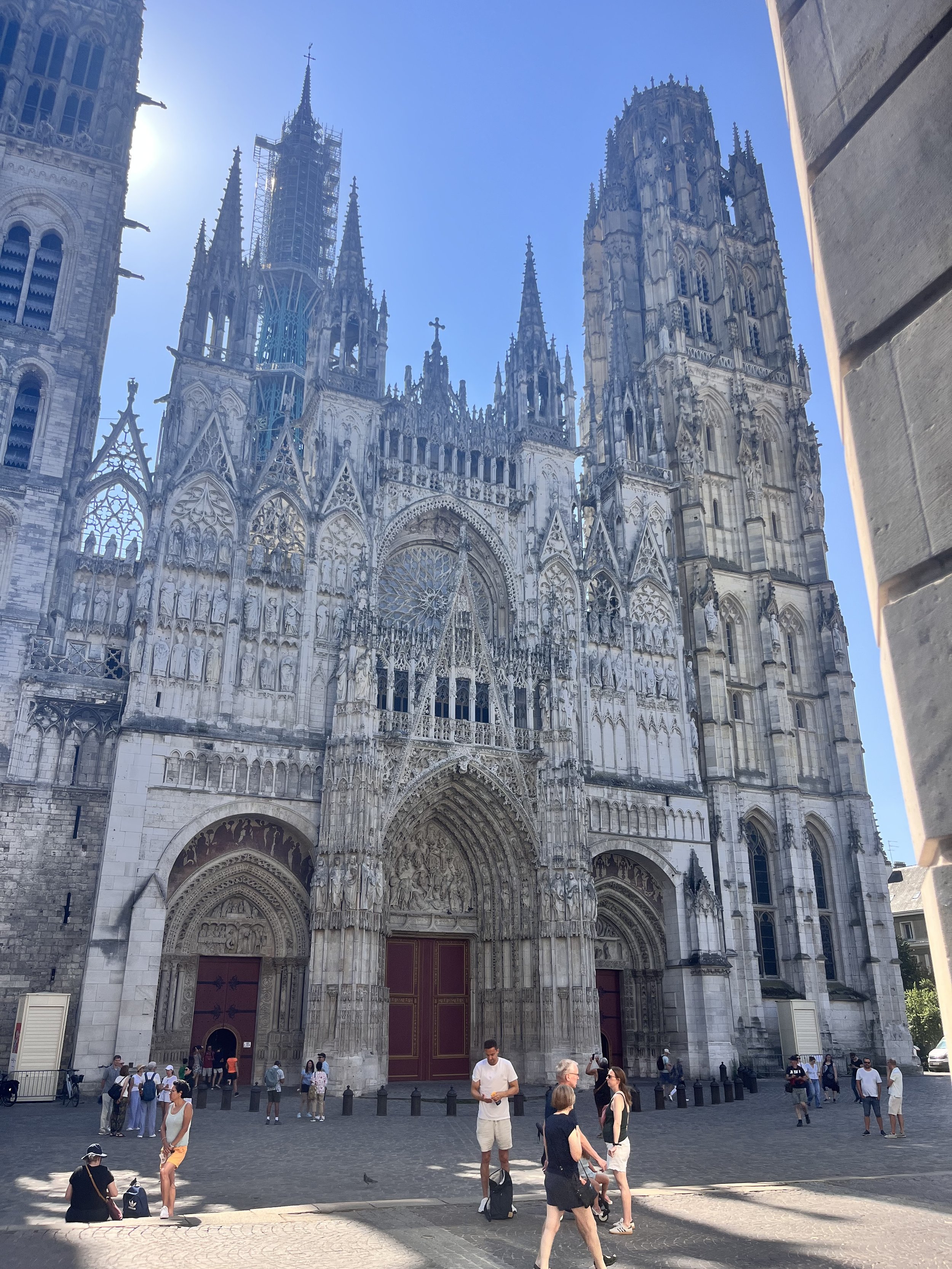
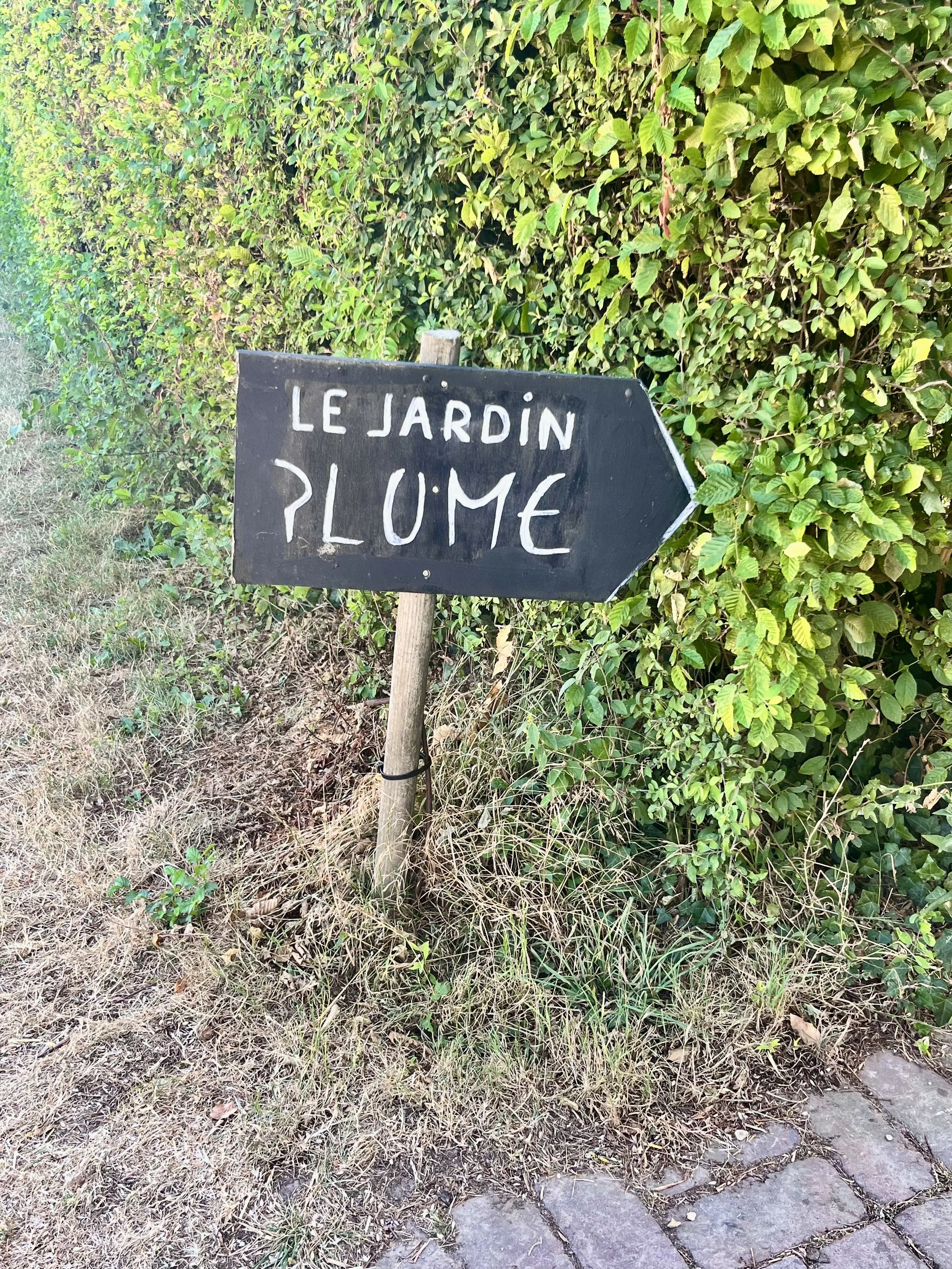
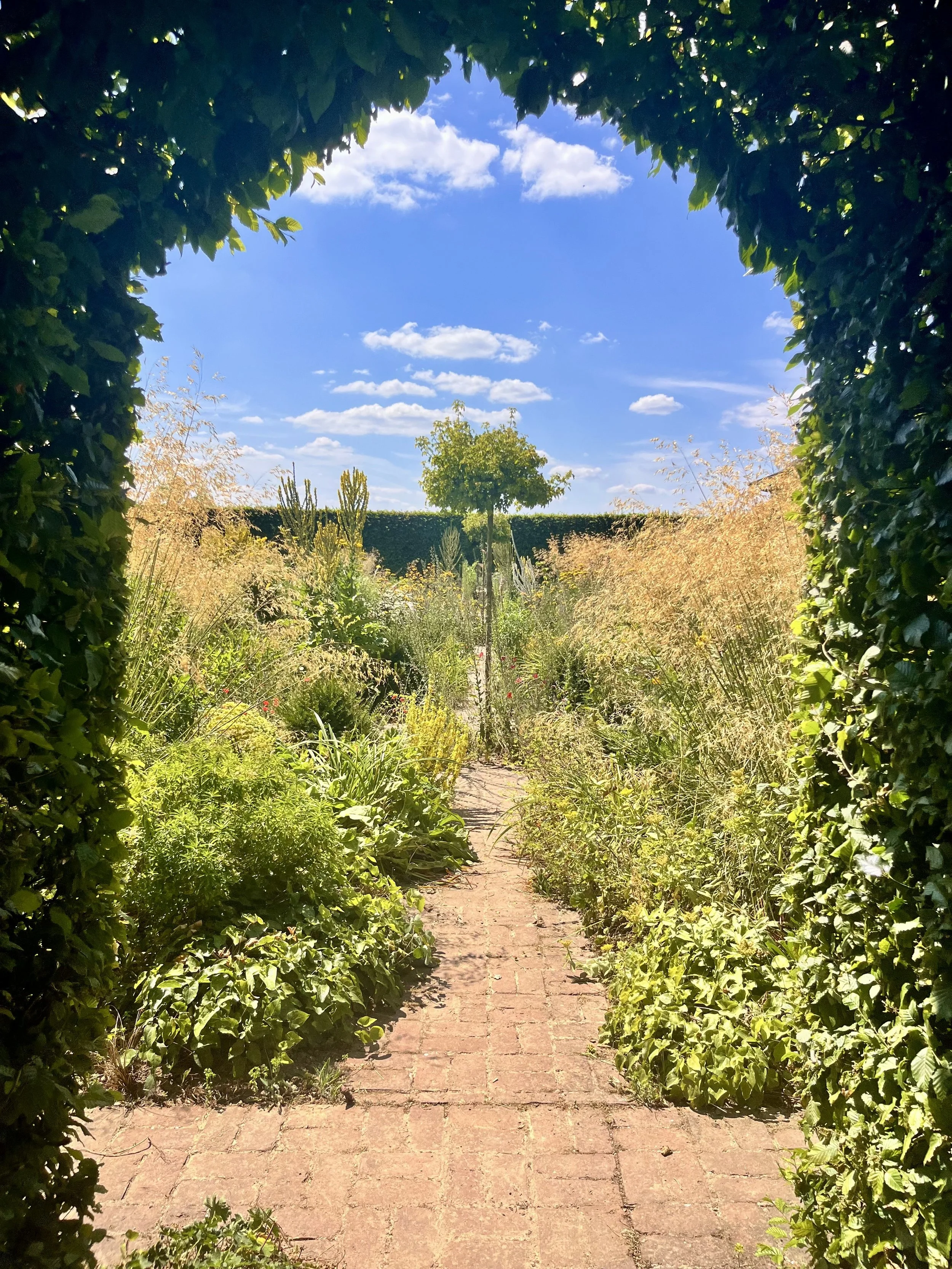
We had only one night in Rouen, but our walk along the Seine the following morning to collect our rental car was really interesting . Then there was time for a walk through Rouen - a gogeous historic city with its own enormous Cathedral. Our goal for the day was to visit Jardin Plume, a garden I had dreamed of seeing for many years.
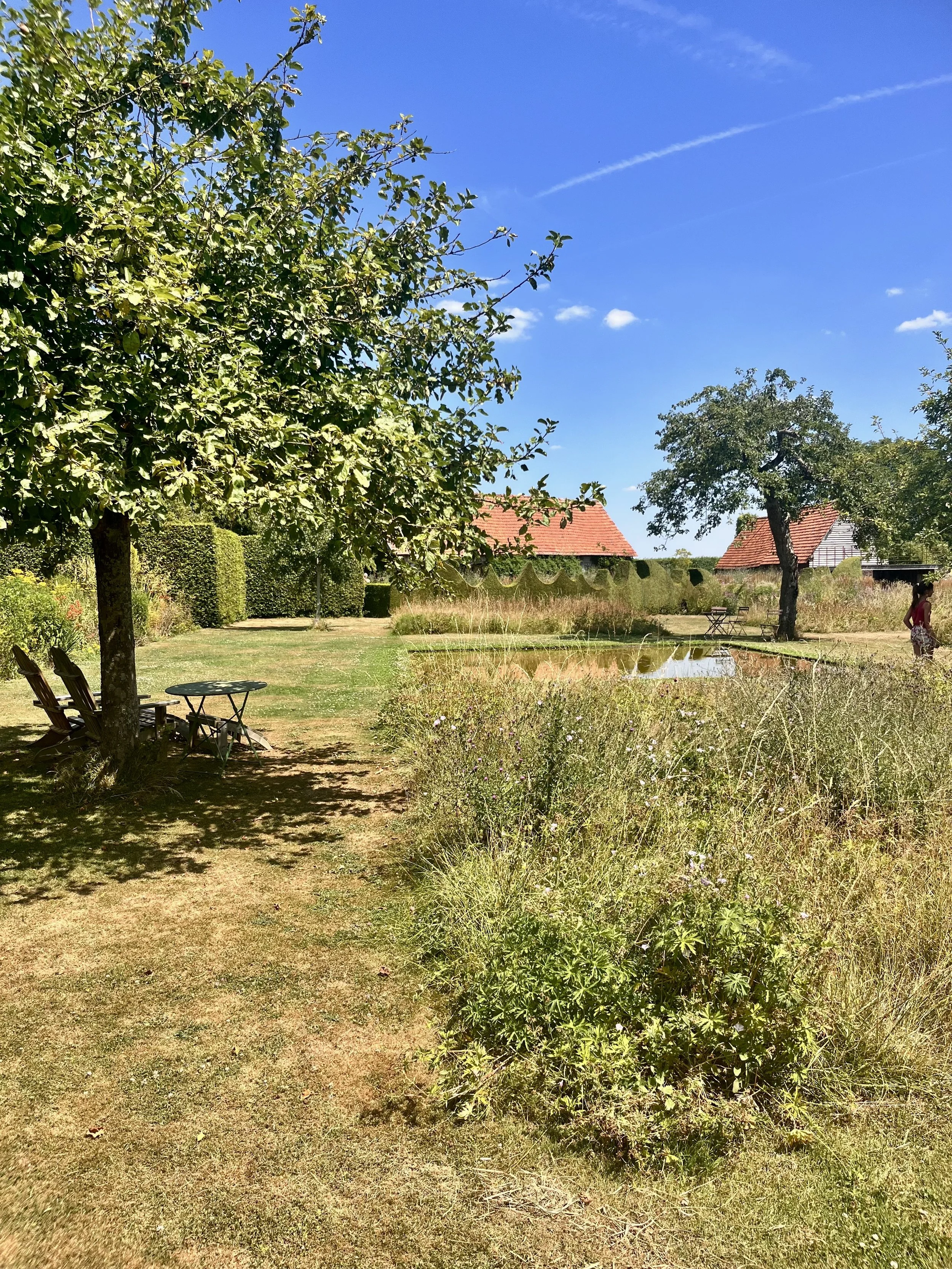
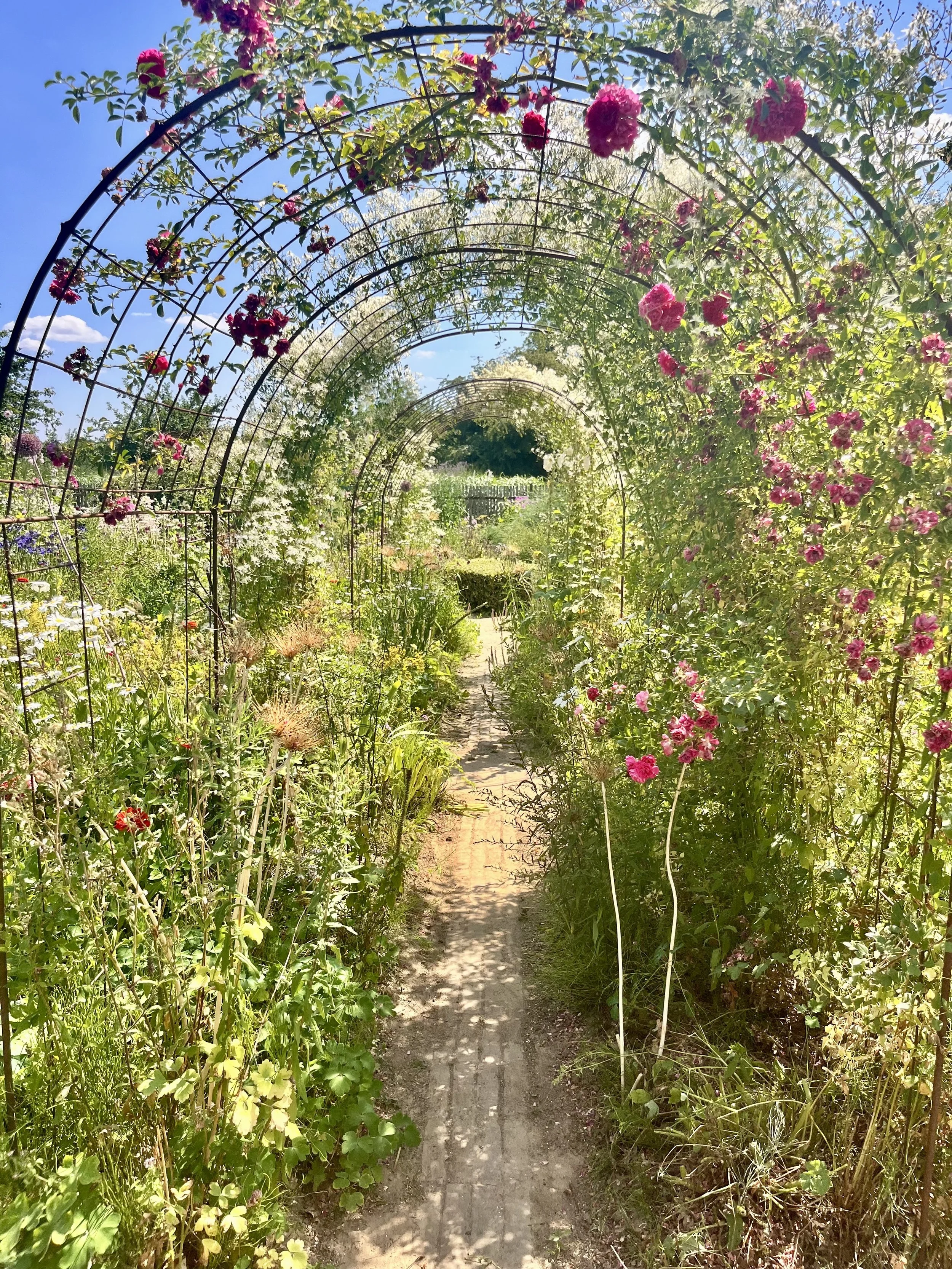
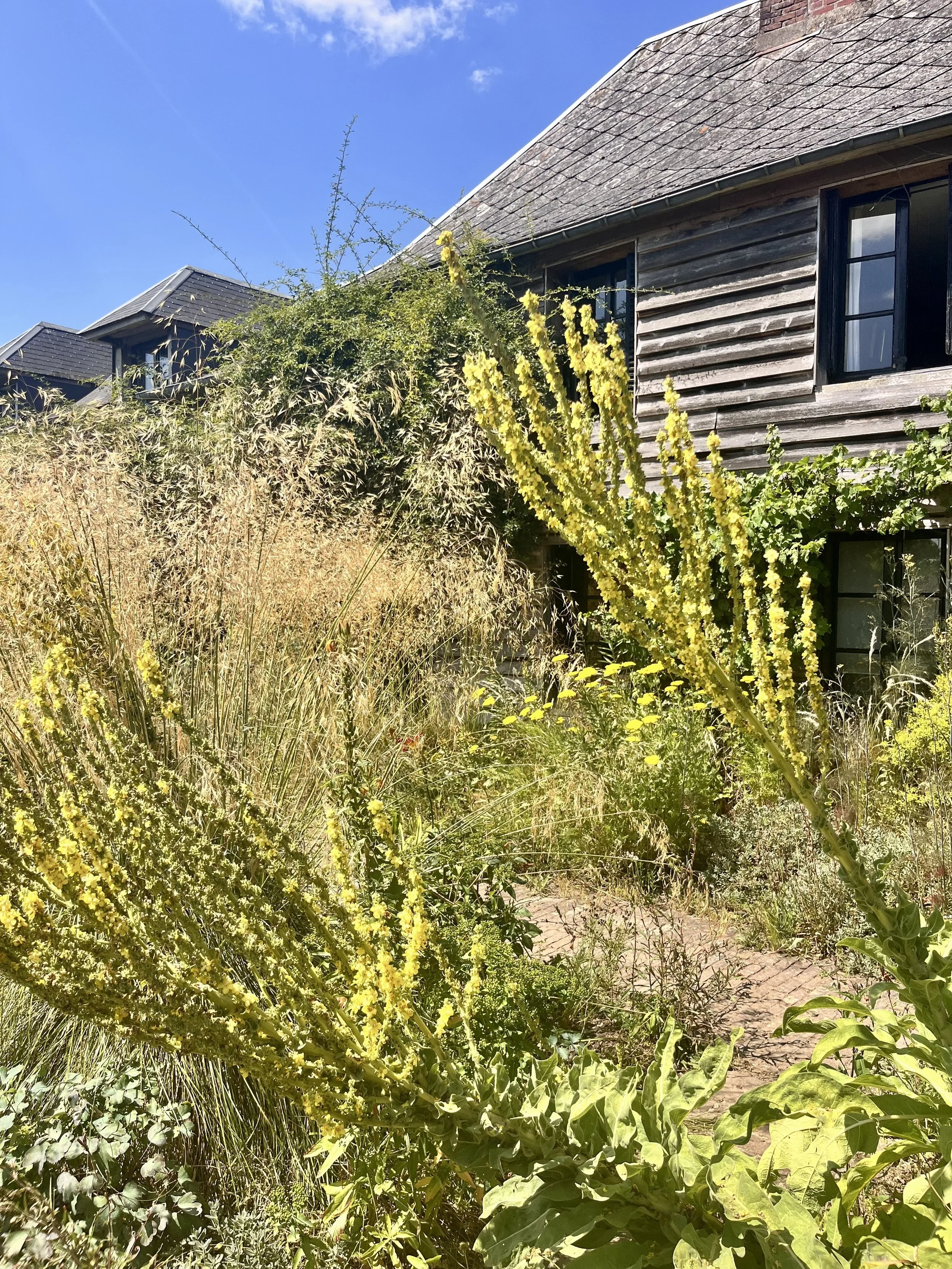
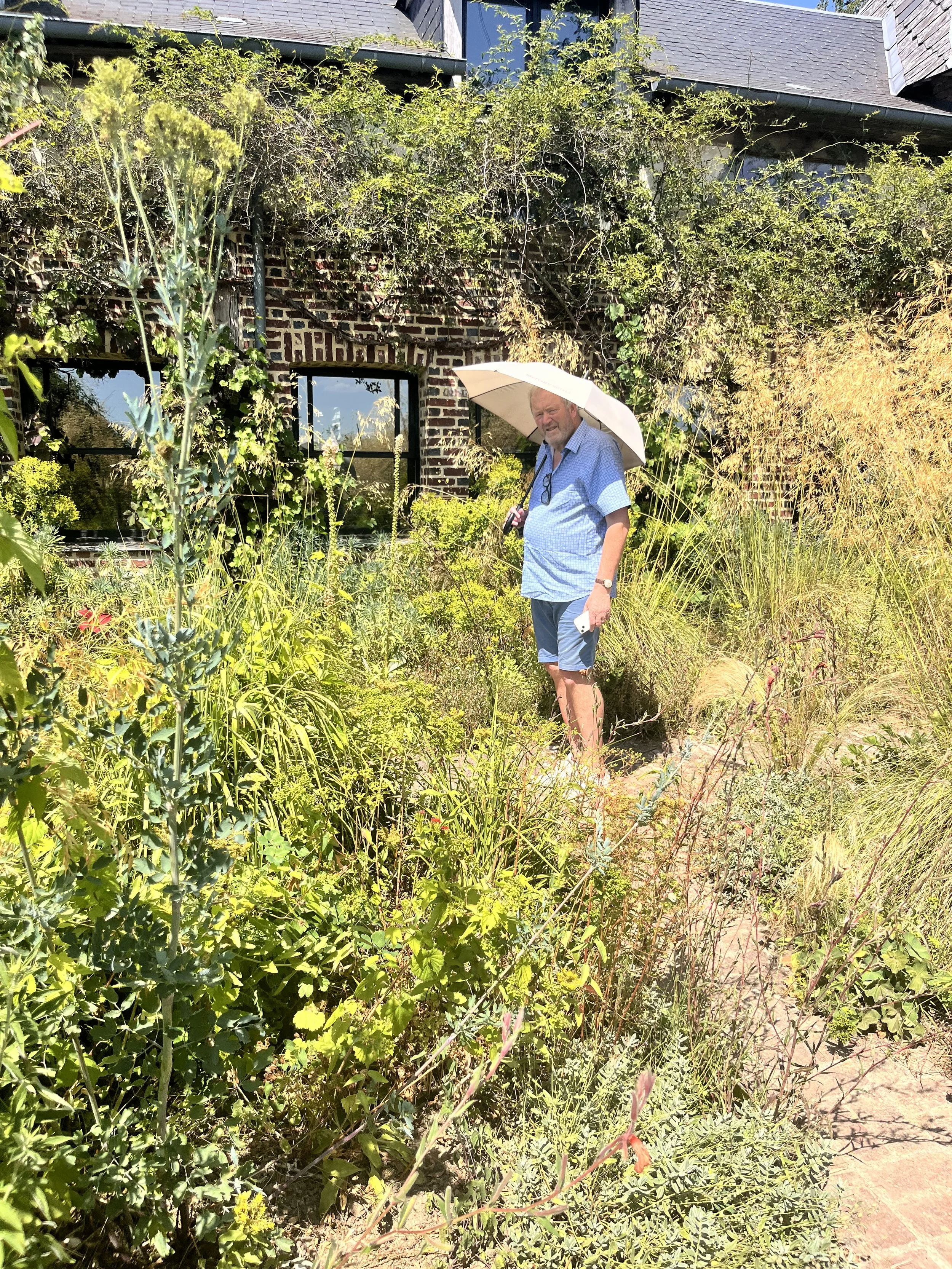
The temperature was well over 35°C, and we were each given an umbrella, which certainly made walking from one extraordinary garden room to another much more comfortable. It was an inspiring lesson in gardening for hot, dry conditions. The beautiful grasses, perennials, immaculate hedging and orchards, sympathetically mown, demonstrated perfectly how to garden according to your climate rather than against it.
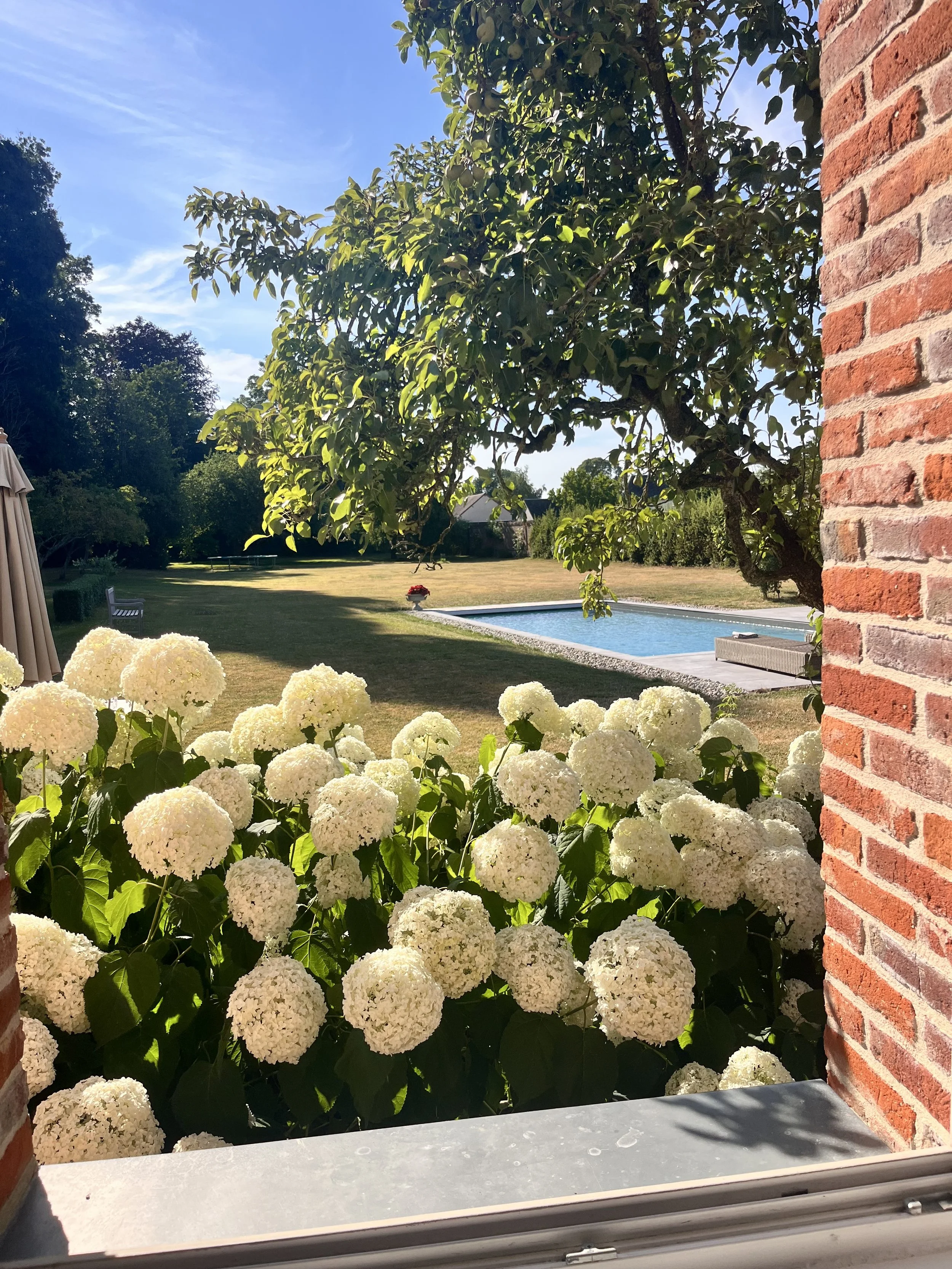
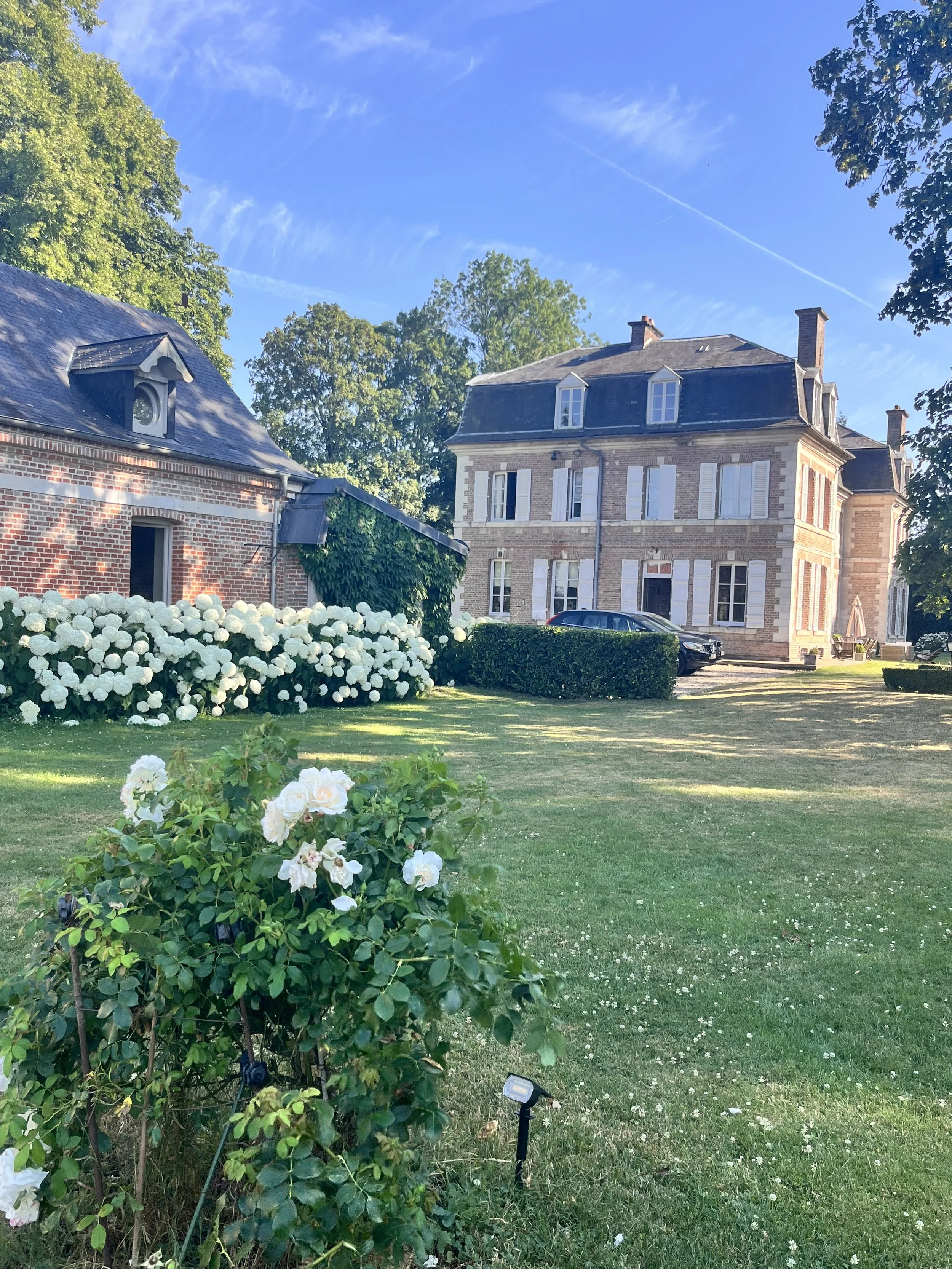
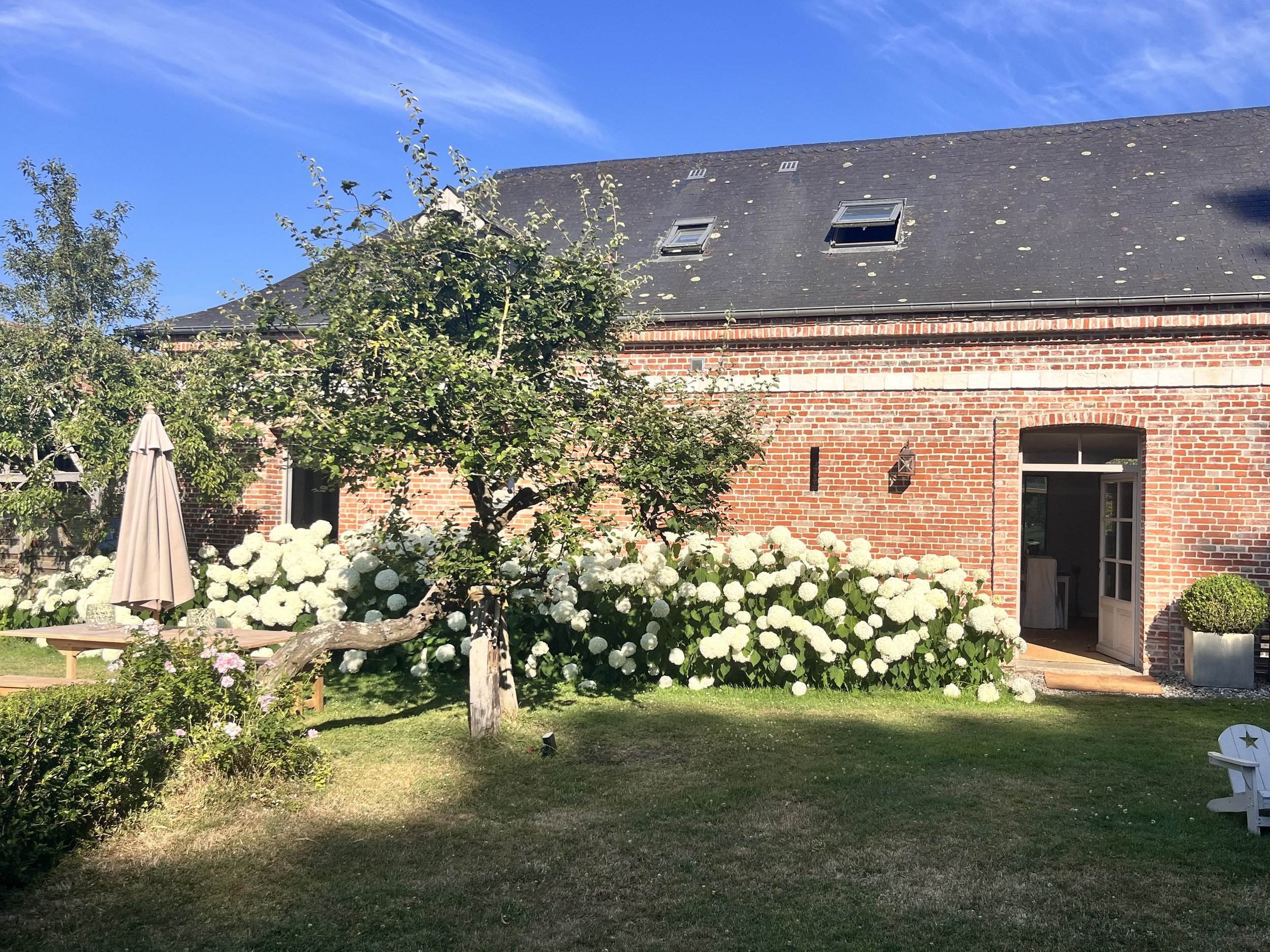
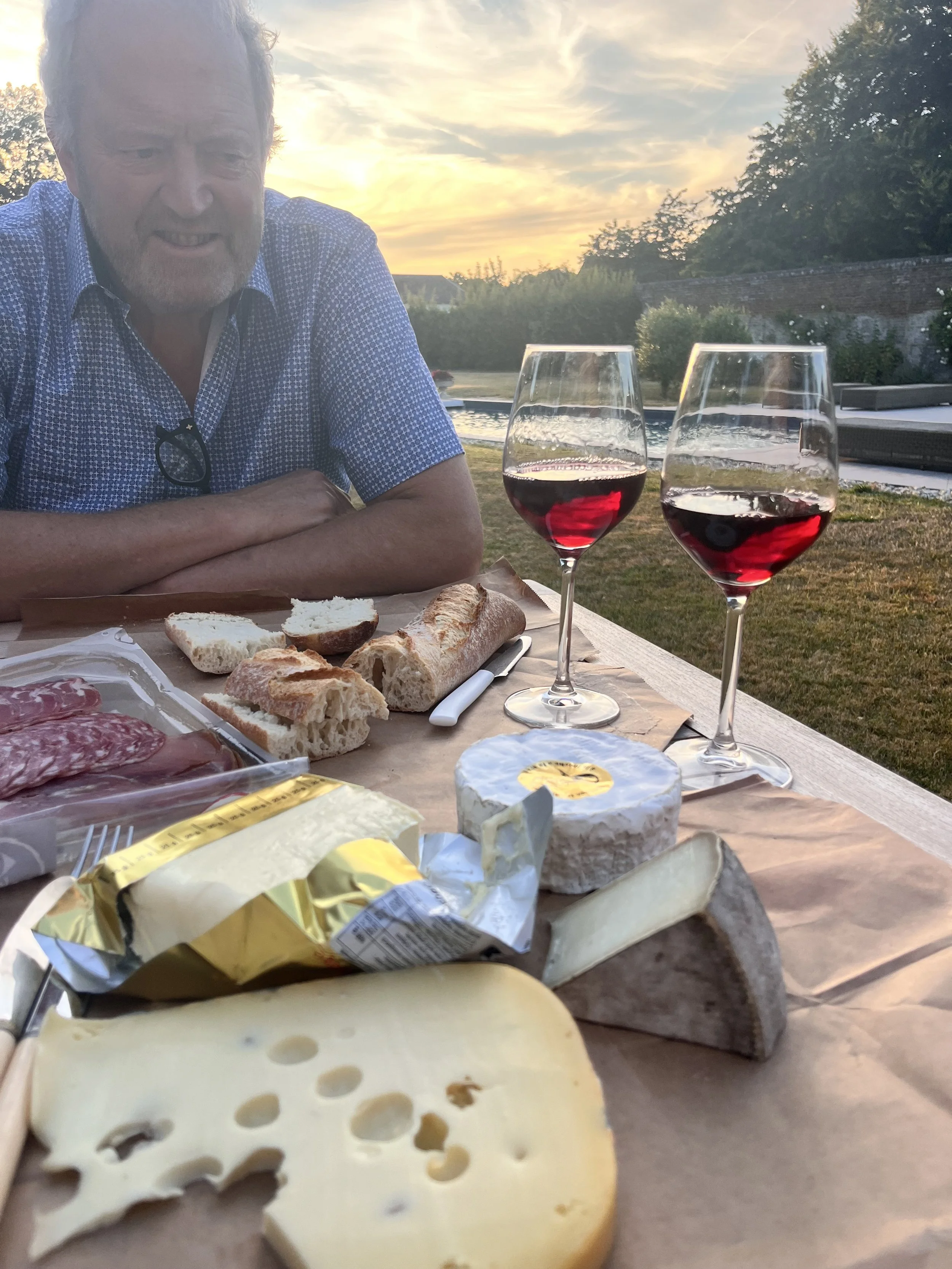
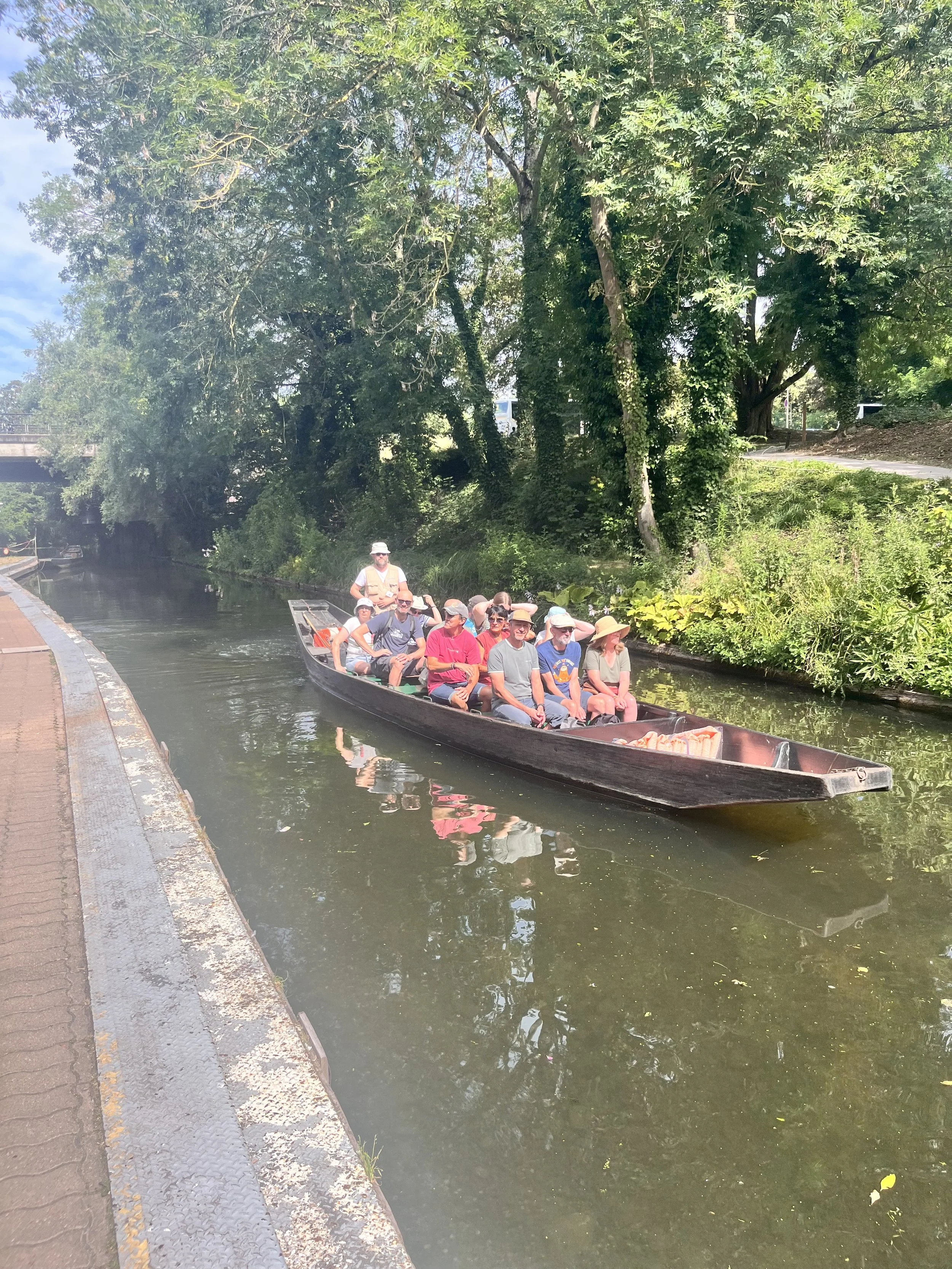
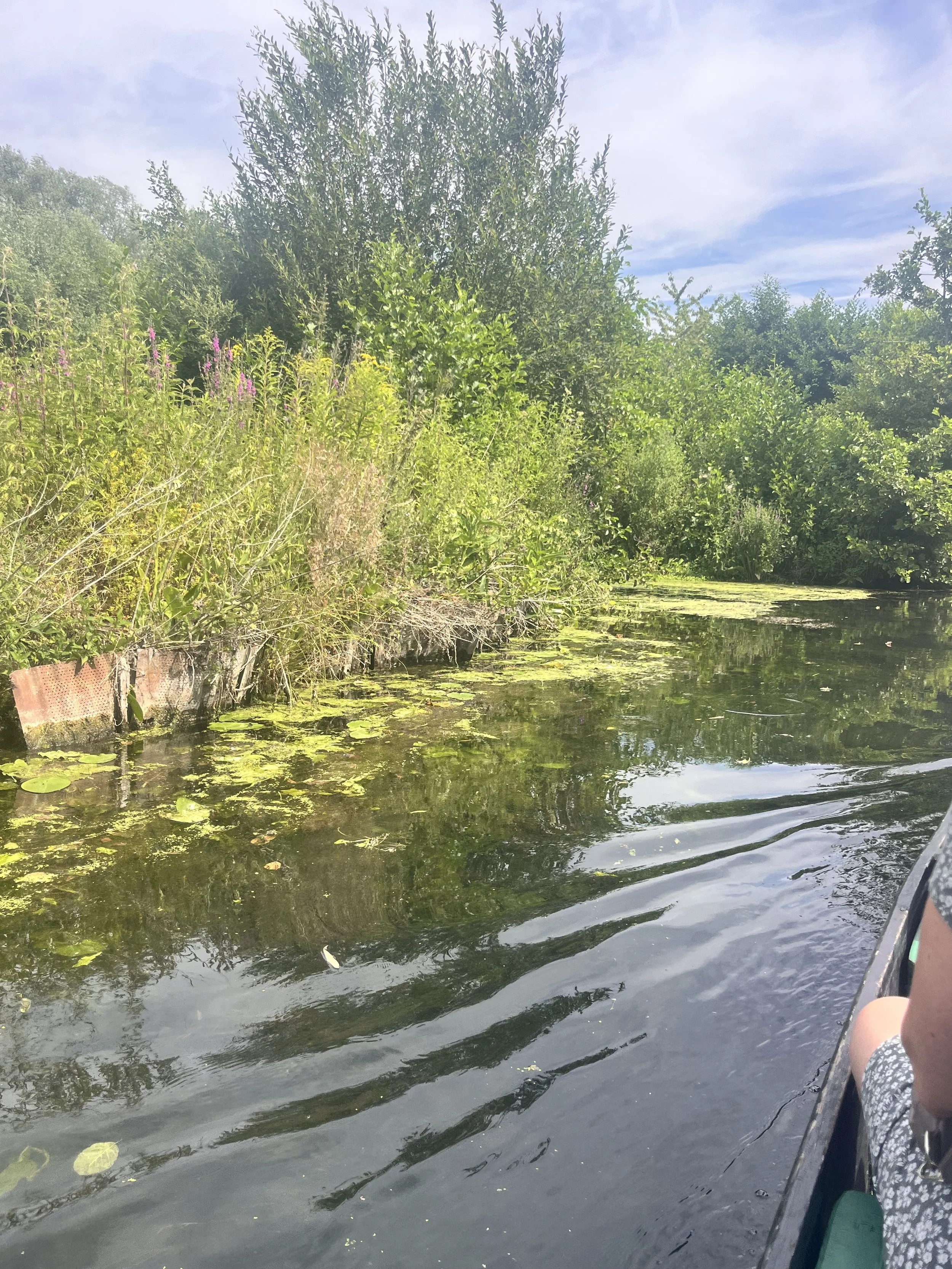
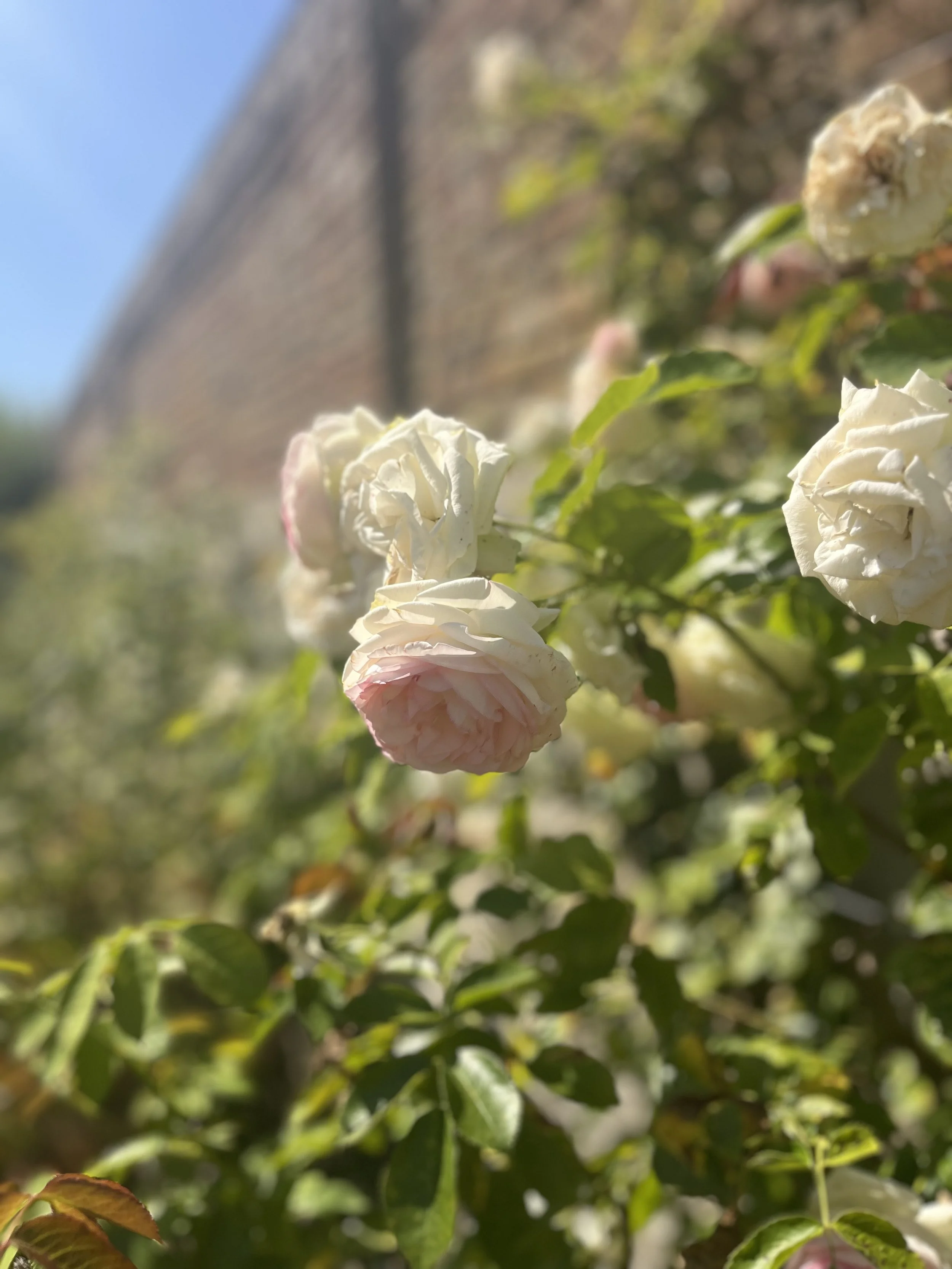
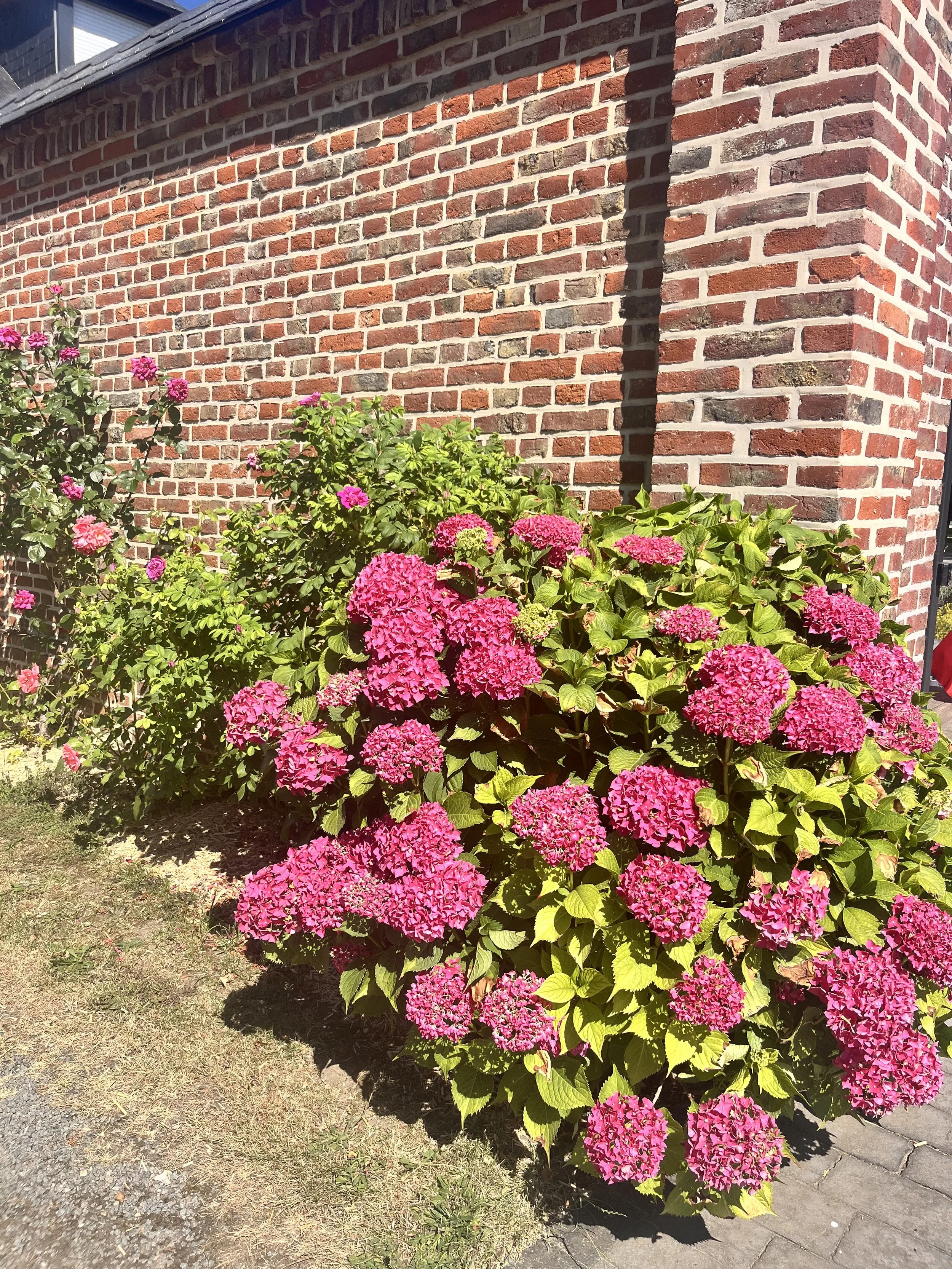
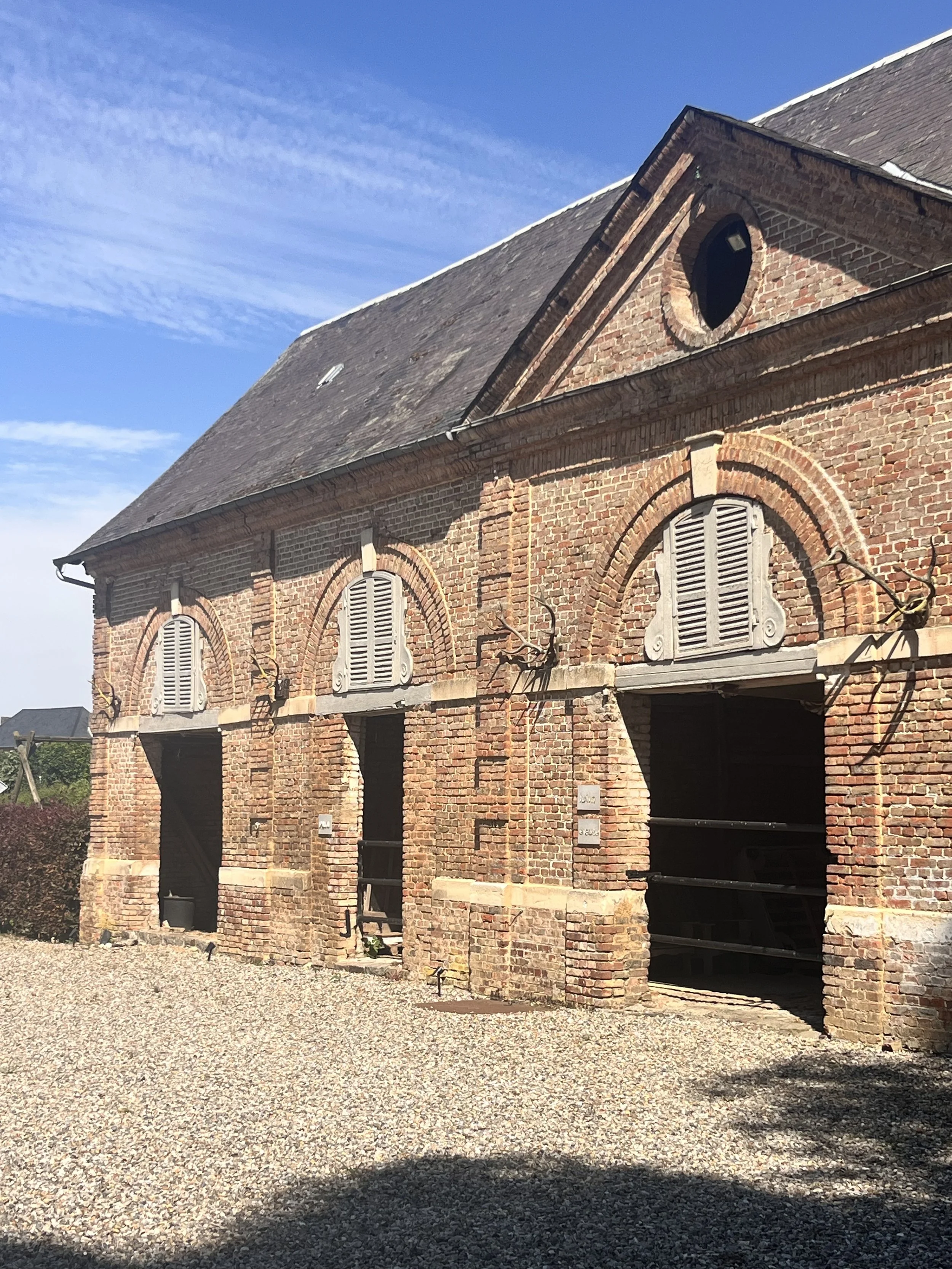
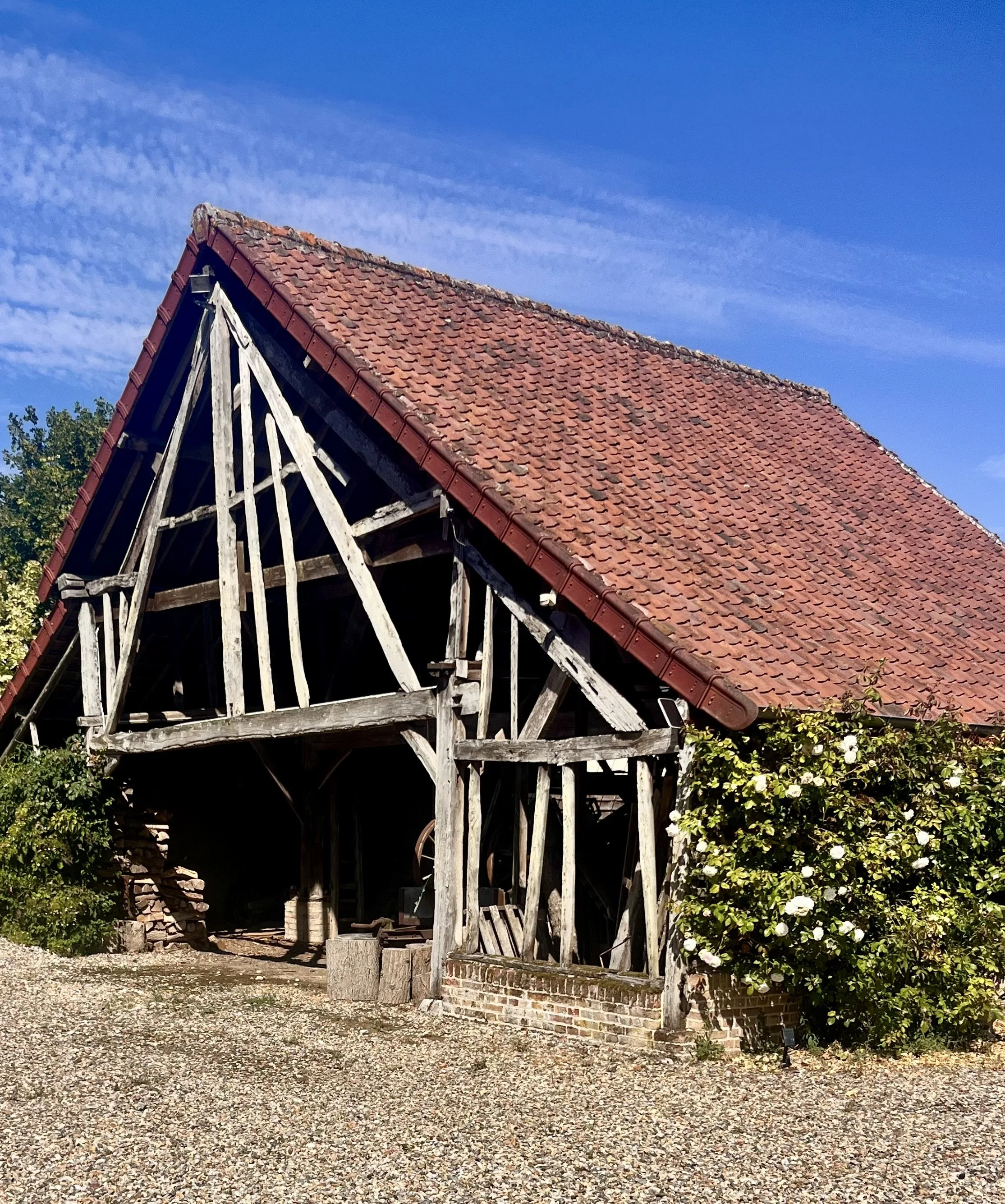
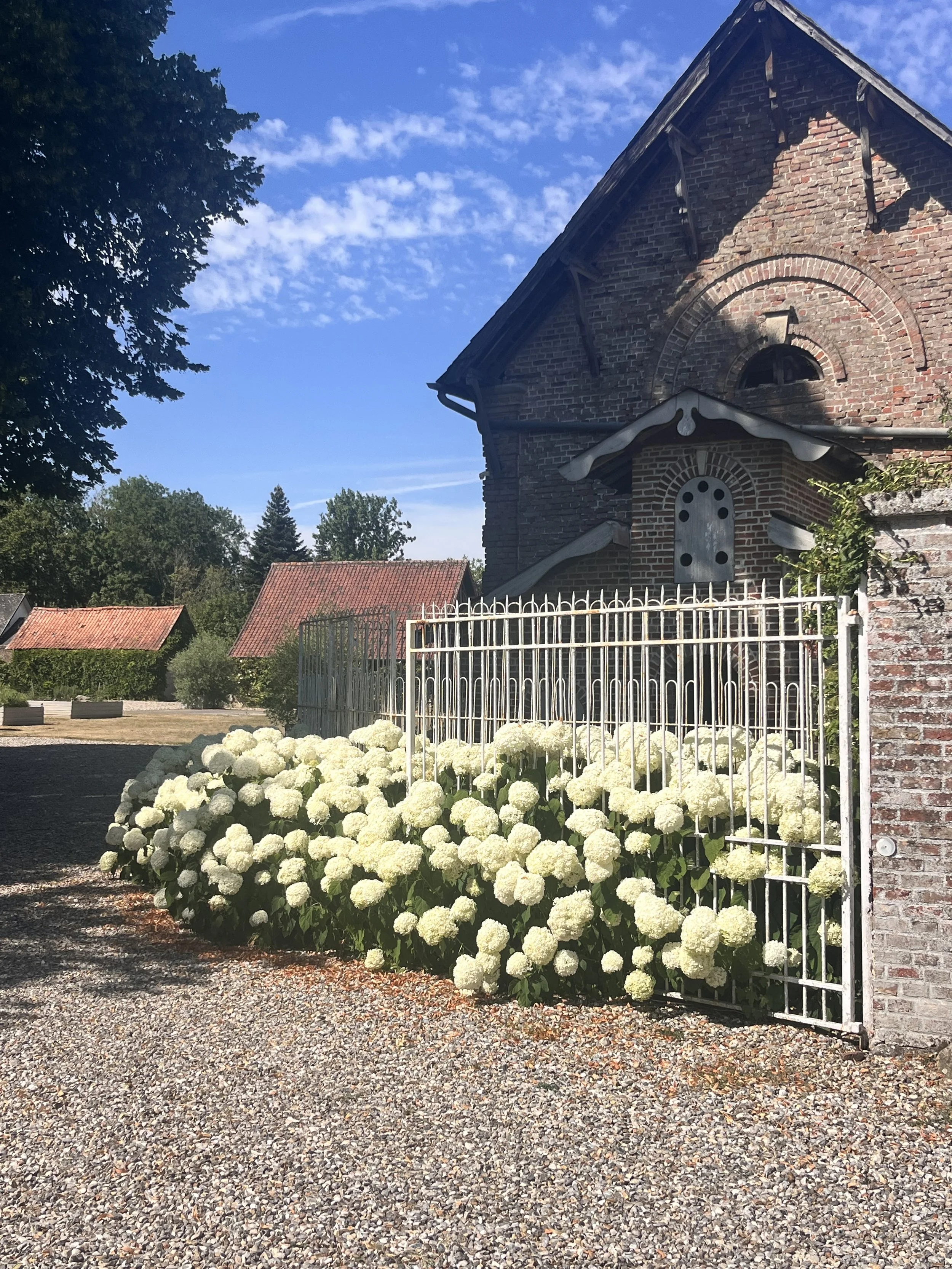
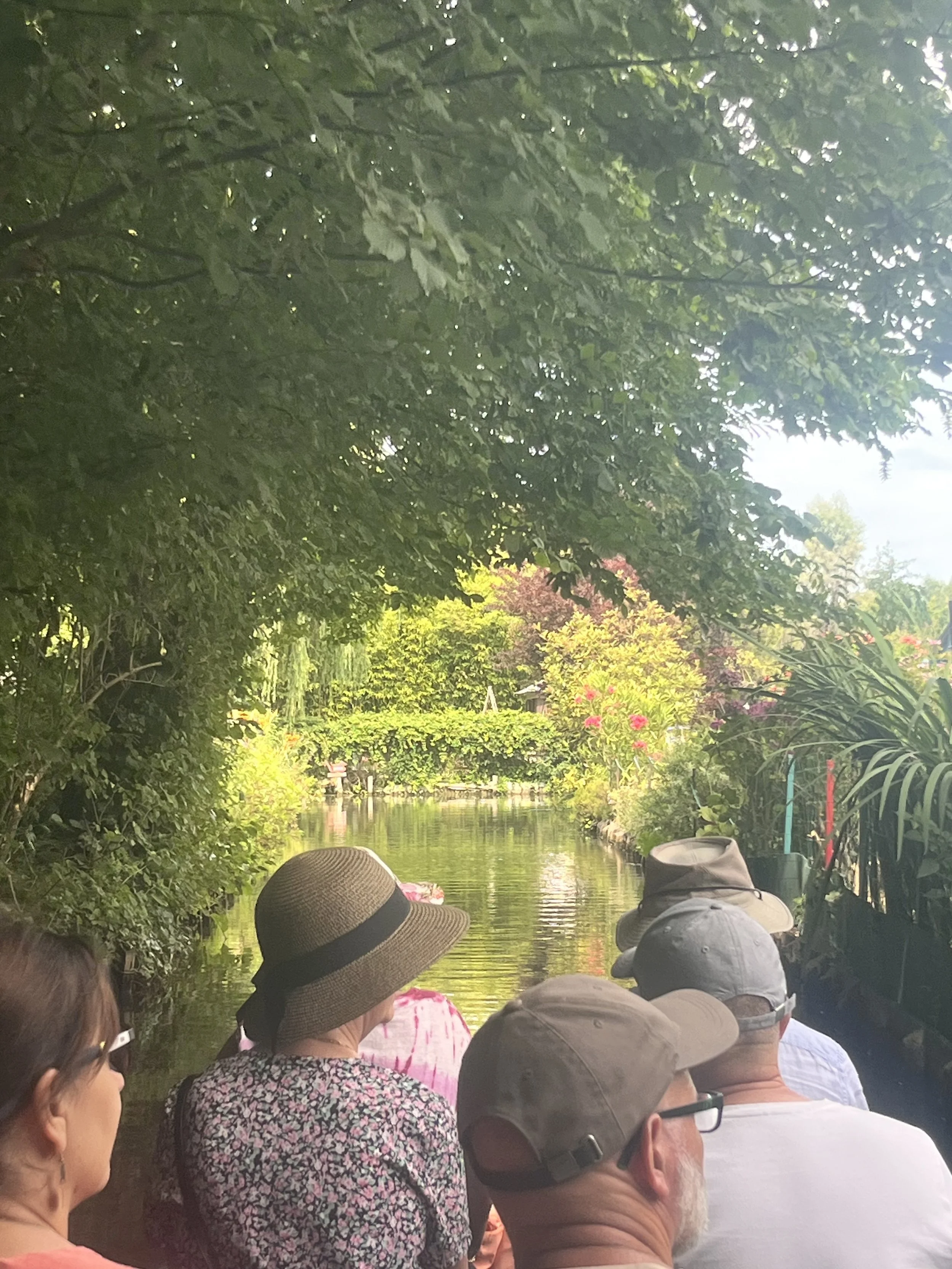
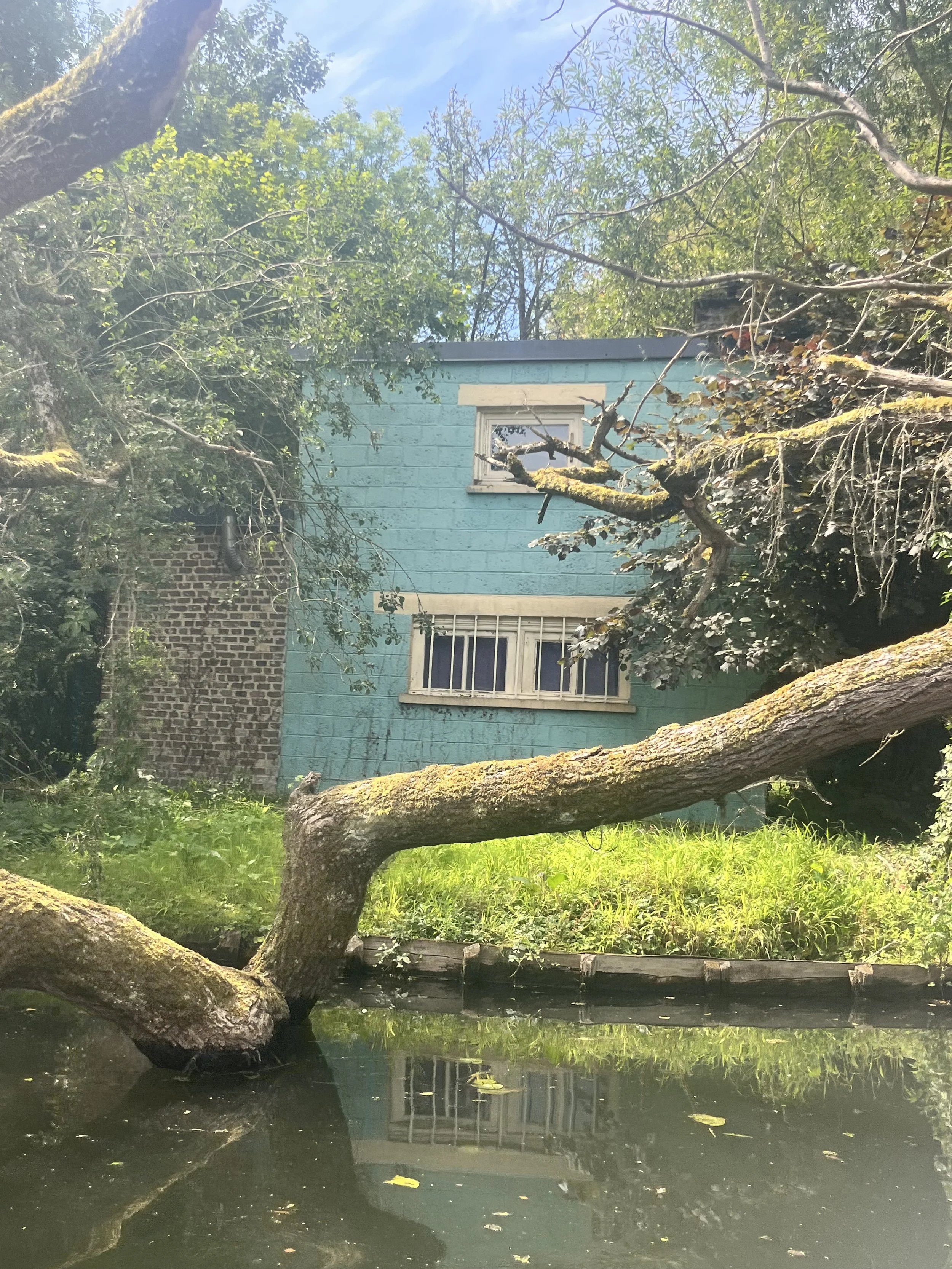
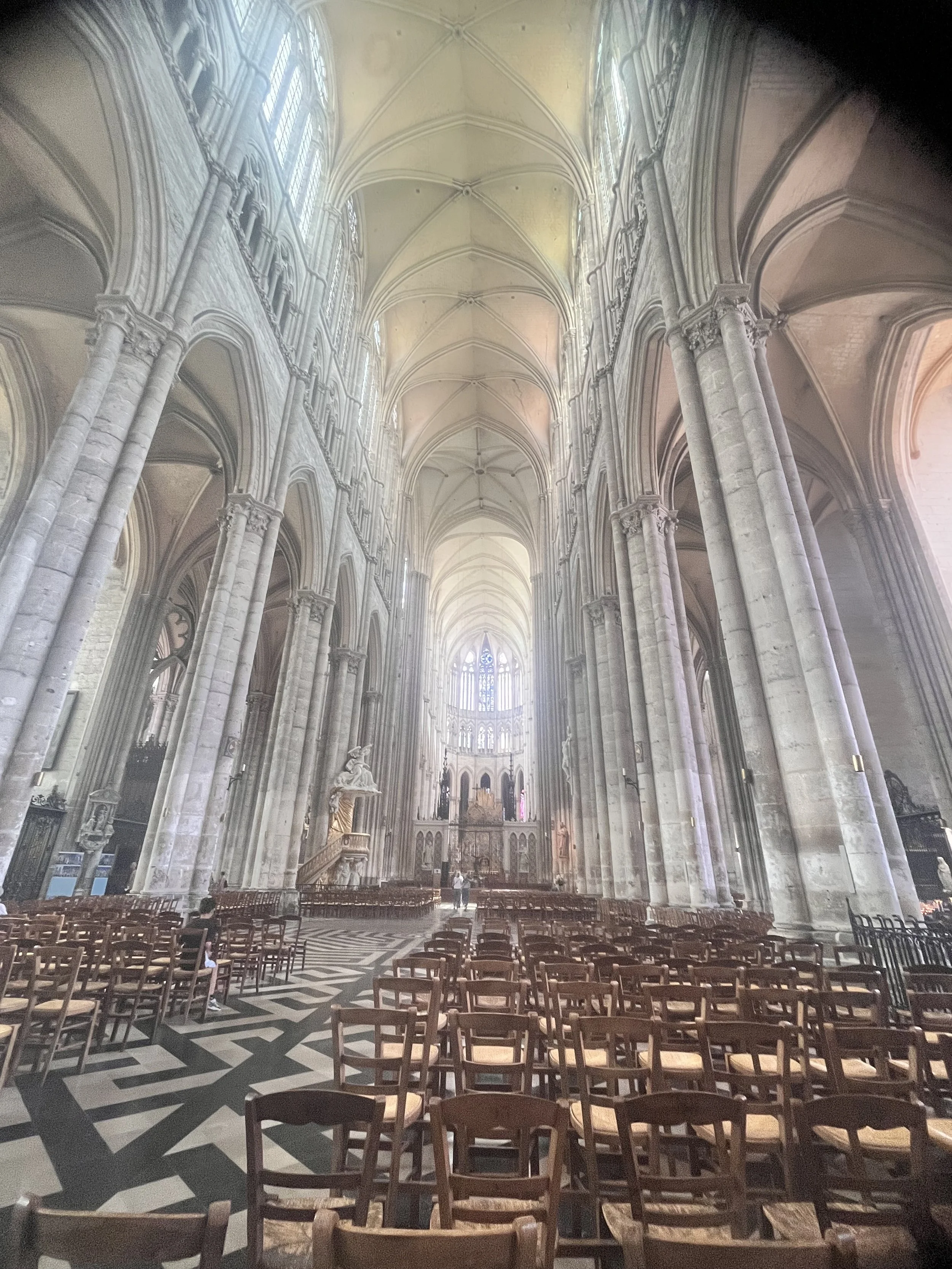
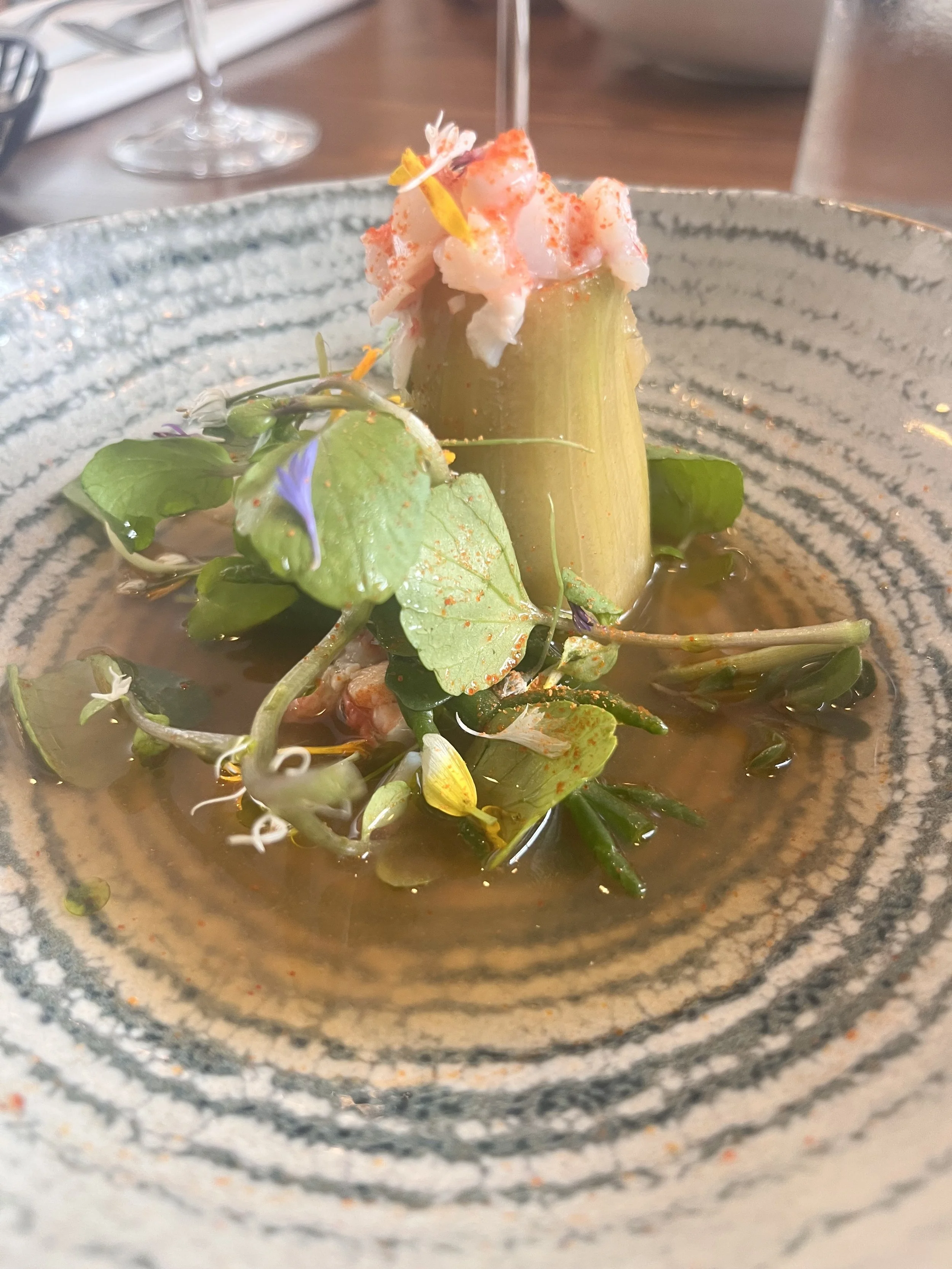
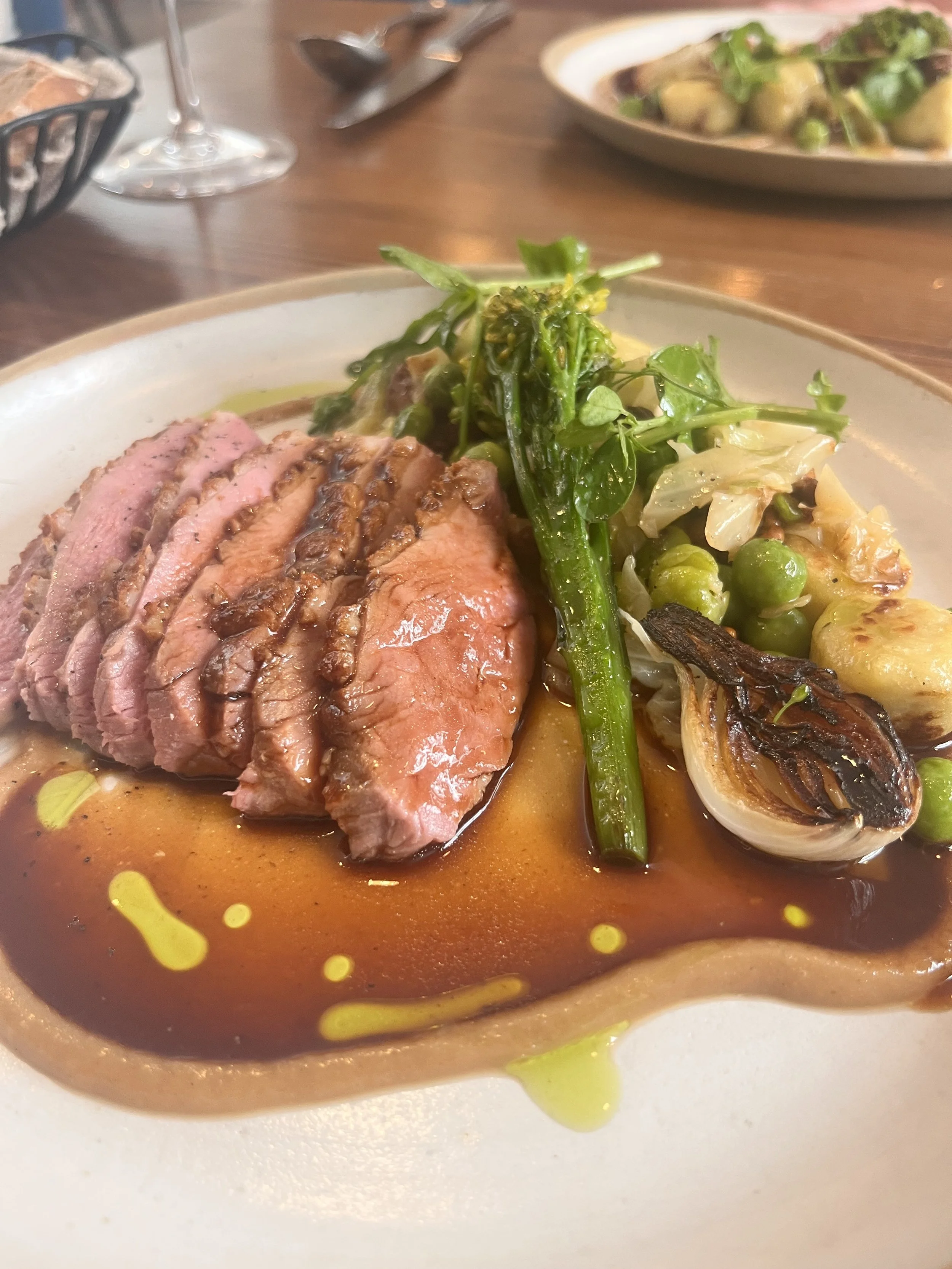
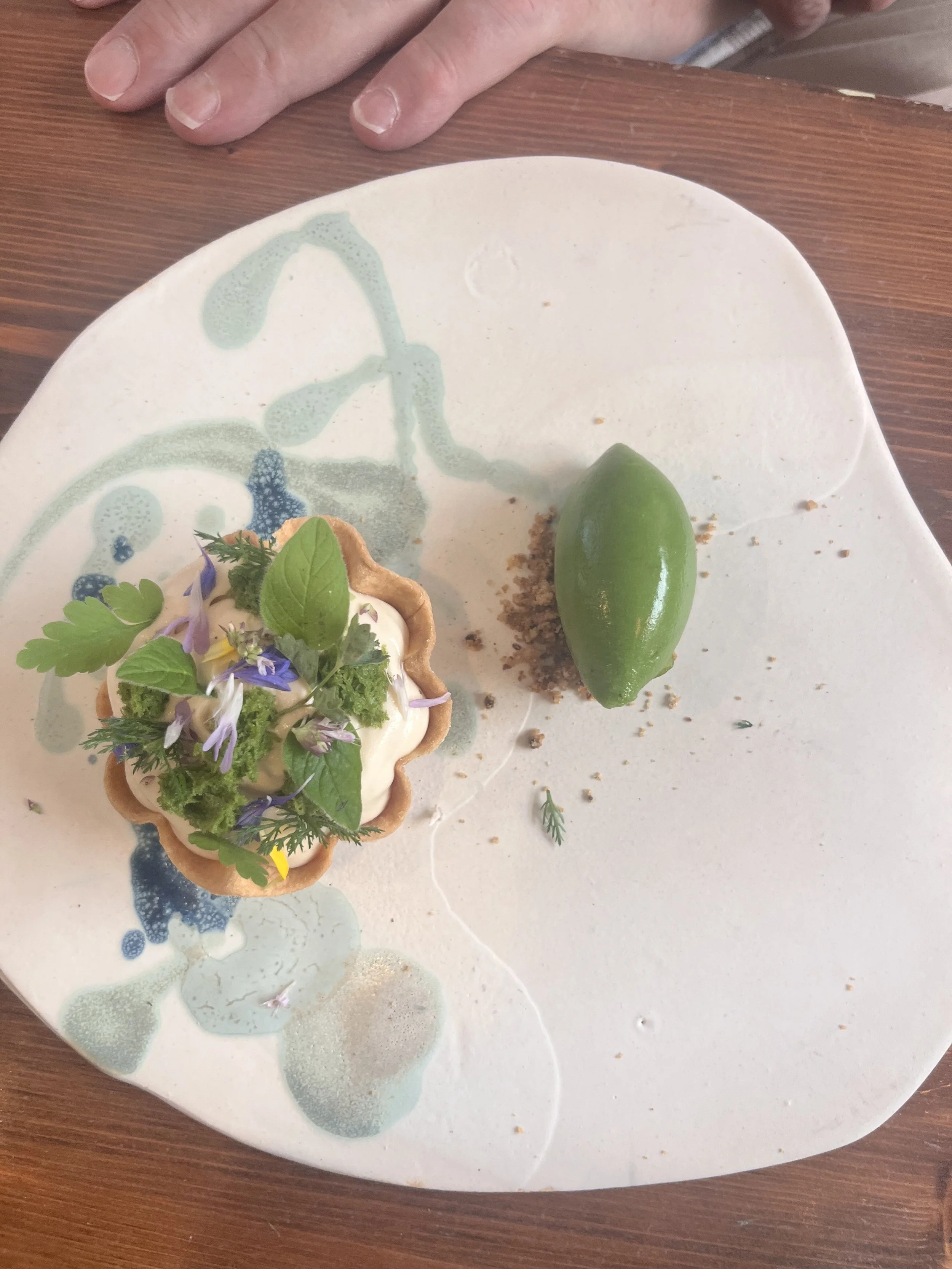
For the next two nights we stayed in the tiny French village of Aumont, in the Somme. Like so many French villages, it had once been built around a château and was home to the farmers, household staff, butcher, baker and everyone else who supported the estate and village life. Today, many of the old farm buildings have been transformed into boutique accommodation, and Chambre Aumont was simply a dream. It had been in the same family since the 1700s. Both evenings we happily dined on cheese, fresh bread and wine beside the pool. Our only day was spent exploring Amiens. We took a gentle flat-bottomed boat tour through the remarkable hortillonnages—the floating market gardens that once supplied much of Amiens with fruit and vegetables. We have visited many magnificent cathedrals during this trip, and Amiens Cathedral certainly joined that impressive list. Being Saturday, much of the town closed during the afternoon. Thankfully, I had booked lunch, it turned out to be a classic French lunch, based on locally sourced ingredients and excuted by a very clever local kitchen team.
This region is rich in history and particularly meaningful for many New Zealanders whose relatives fought in the Somme during the First World War. Time was against us and we had to make choices, so we reluctantly decided to leave much of that history for another visit. We will definitely be back.
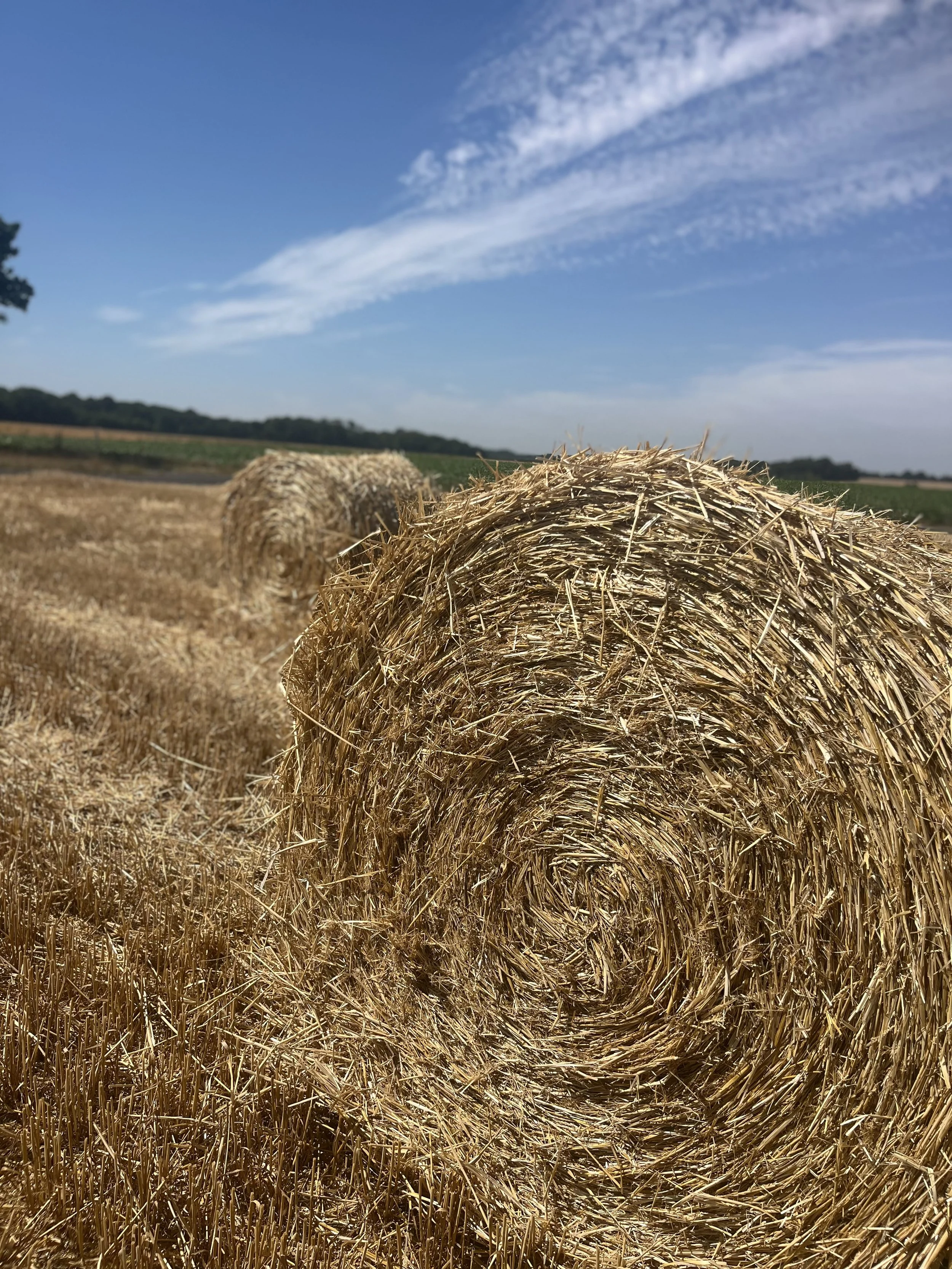
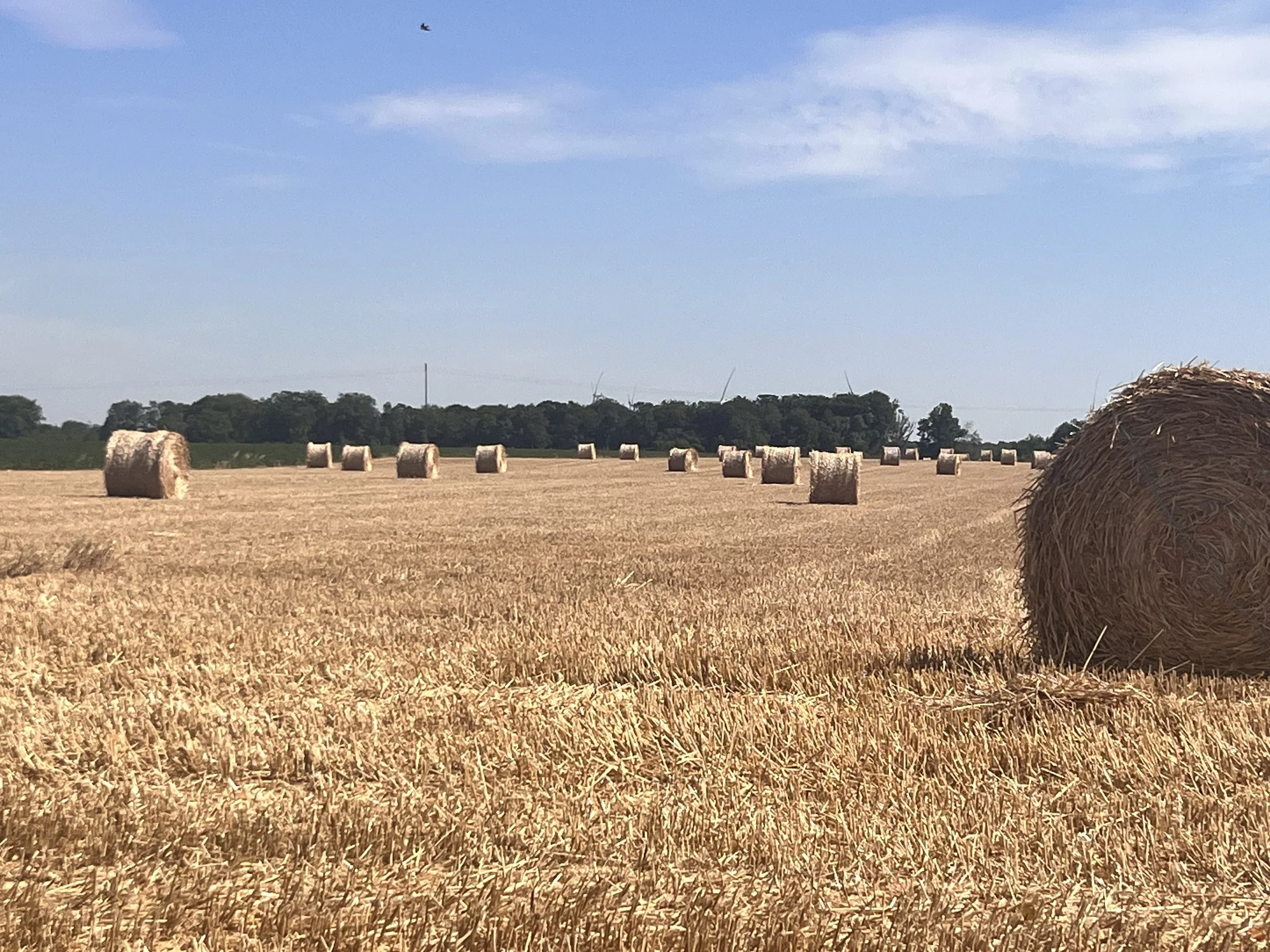
The only invasion taking place during our visit, however, was by harvesters and tractors towing enormous trailers. This is truly the food bowl of France, with vast wheat fields stretching as far as the eye can see. The roads were filled with convoys of contractors moving from one farm to another, harvesting around the clock.
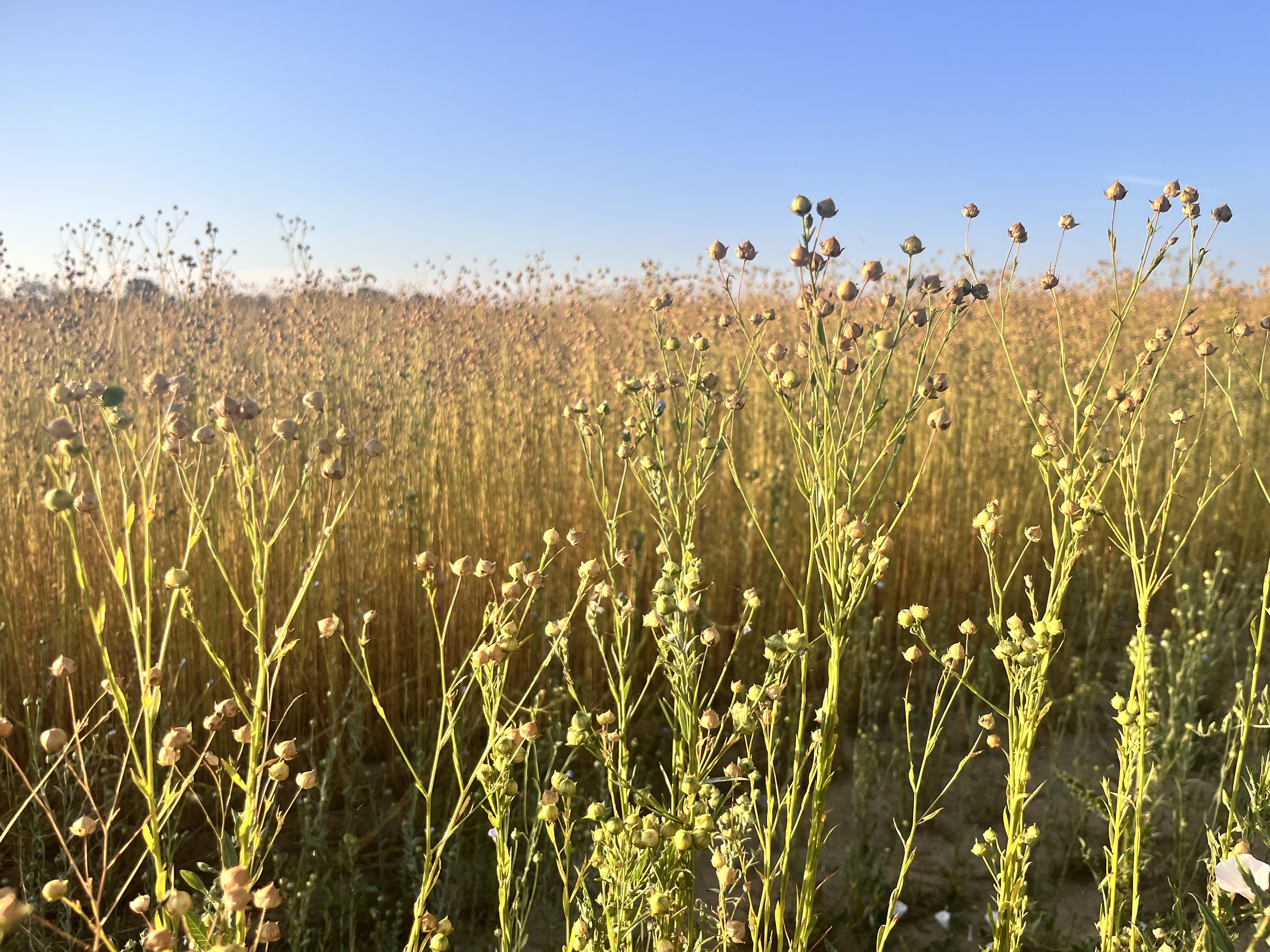
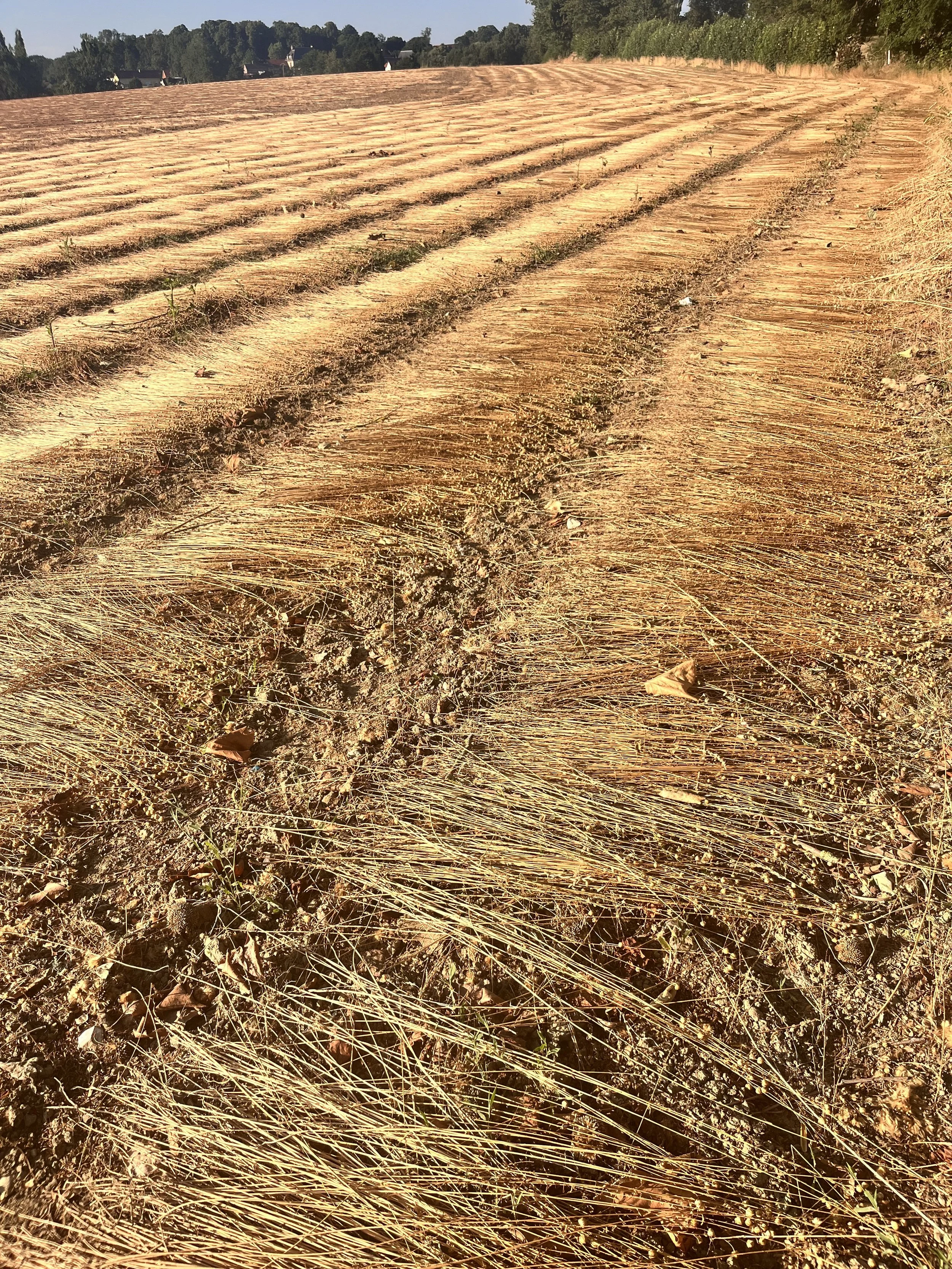
What really intrigued me, though, was another crop—a brilliant golden field that had been harvested and the sheaves left lying in neat rows. It turned out to be flax, grown for linen. Flax is the crop that's harvested and processed into linen.This region is one of the world's major producers, making linen a significant competitor to cotton. We could easily have spent another two or three days here. We had completely underestimated just how much we would love this part of France.
Our next deadline was to be in Calais for the 10.30 ferry to Dover. Unlike the Cook Strait ferry in New Zealand, "walk-on" passengers are collected by bus and taken aboard before the hundreds of trucks. Unfortunately, once we arrived in Dover, we discovered that the reverse also applies—we were among the last passengers allowed off after all those trucks! We needed to collect our rental car by 1.00 pm, but we arrived just twenty minutes after every rental company had closed for the afternoon, including Europcar. There was absolutely no flexibility or compassion, and we, along with several other travellers, were simply left stranded.
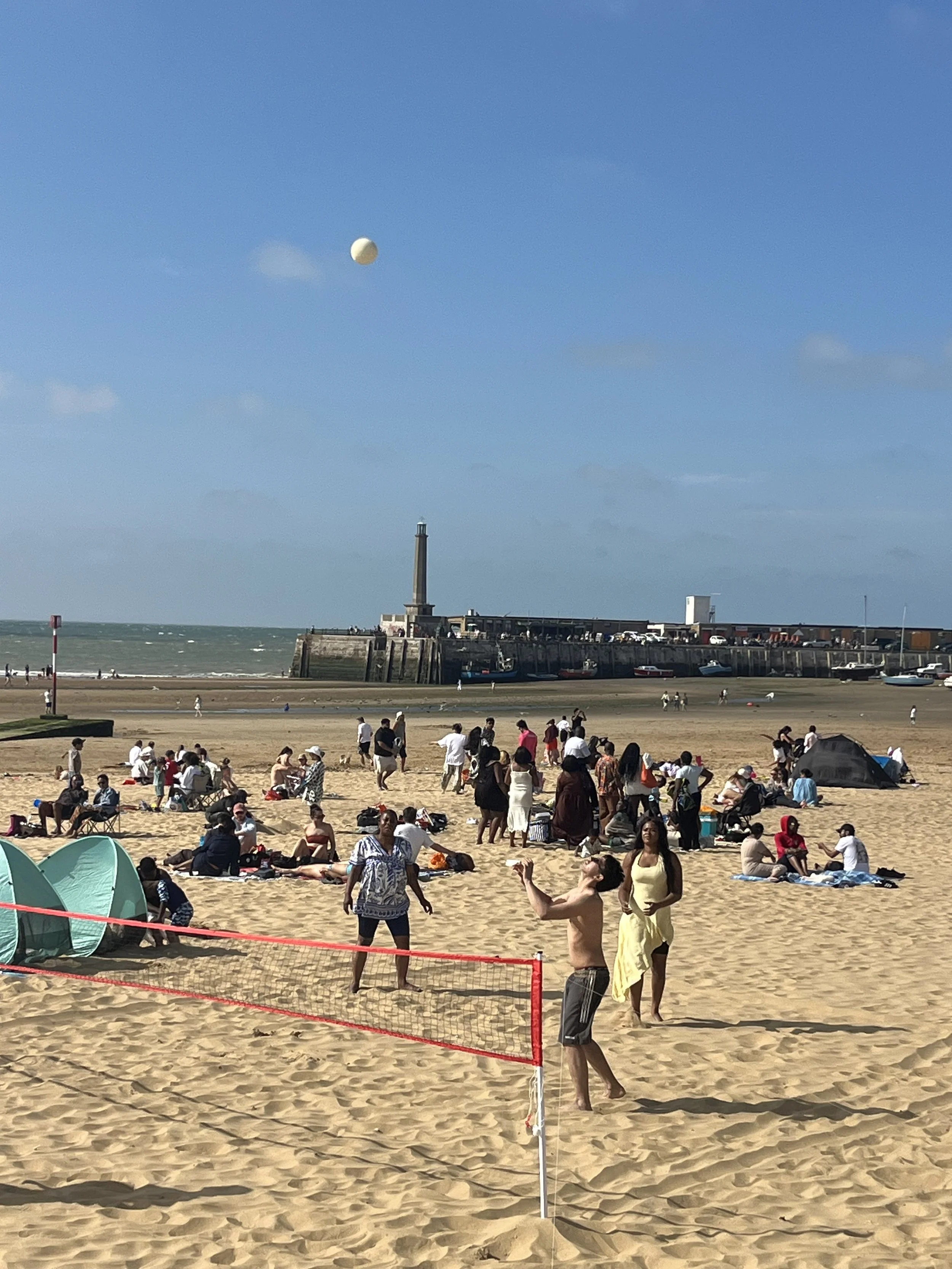
For some Iʼm sure perfectly good reason!!! I I decided we should head to Margate, about thirty minutes away. An expensive taxi delivered us to what turned out to be rather wonderful accommodation, in an otherwise surprisingly ghastly seaside town. Thankfully, I had done some research beforehand and booked dinner at the contemporary Sete restaurant. They completely rescued what had been a very frustrating day.
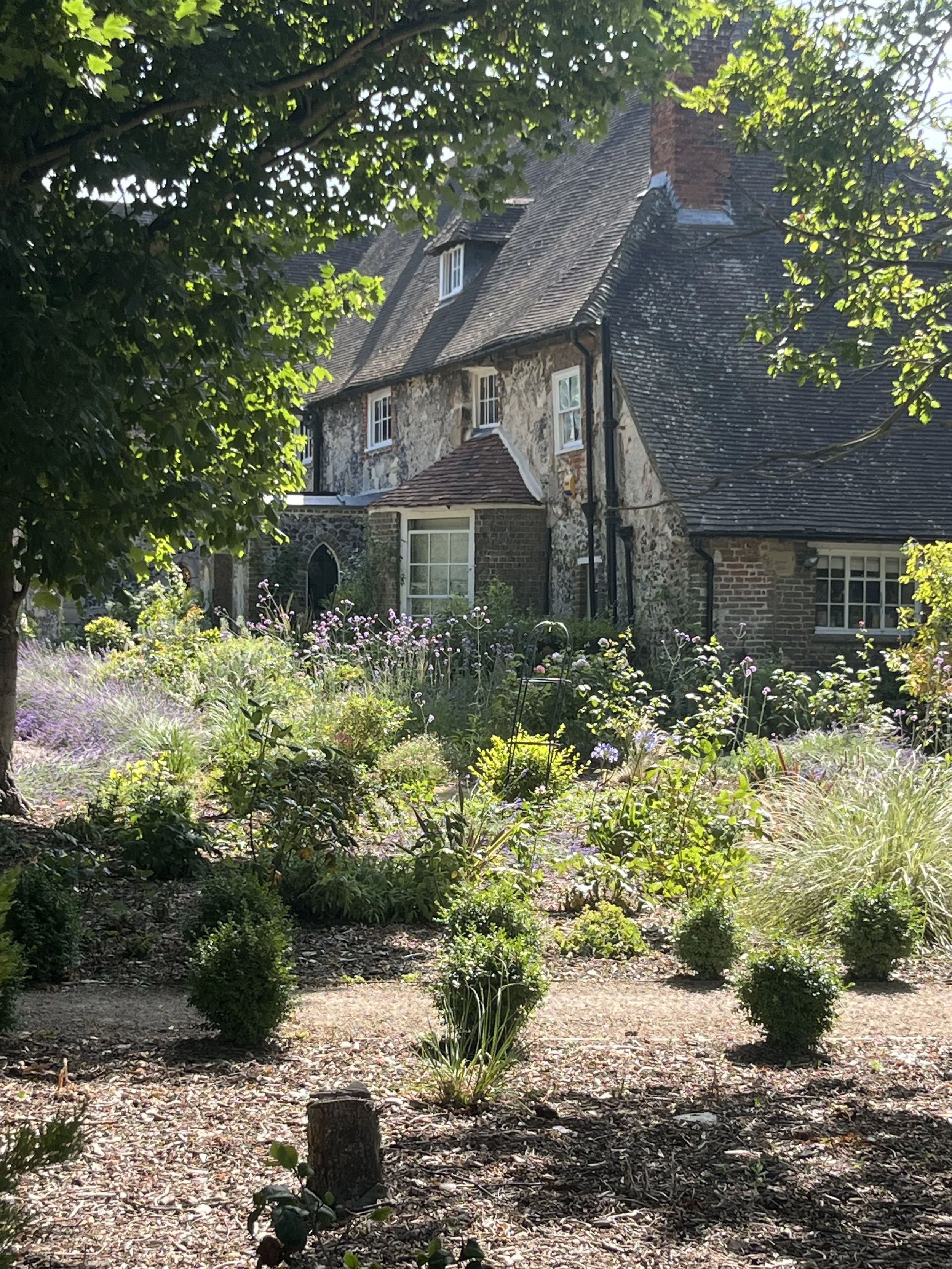
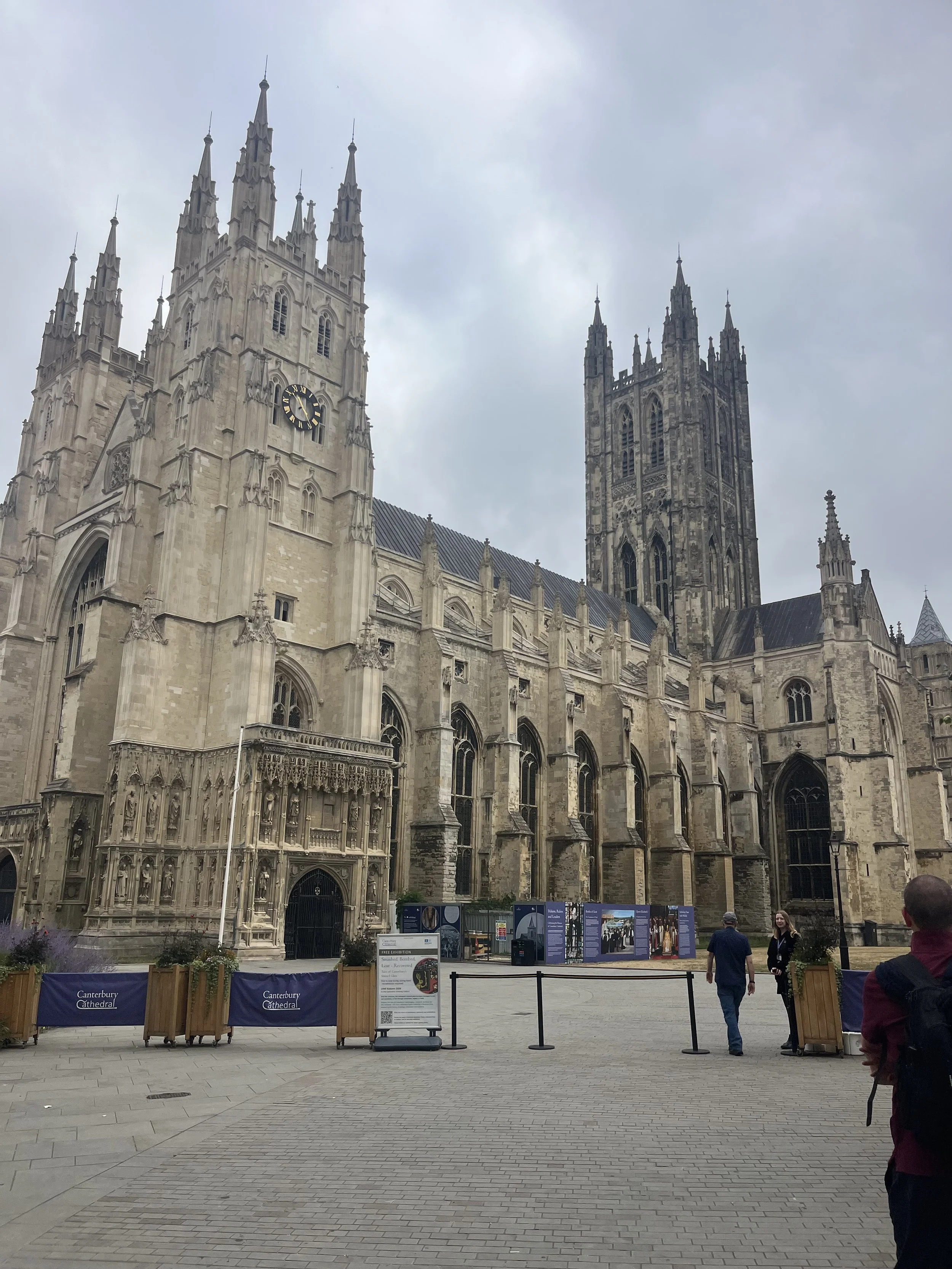

Without a car for the following day, our original plan to visit Canterbury became wonderfully simple by train. It was a no-brainer to attend the 10.30 service at Canterbury Cathedral and listen to the cathedral choir. I was instantly transported back to my childhood and the Anglican Sundays of my upbringing. Instead of my mother's traditional Sunday lunch, we thoroughly enjoyed a classic British Sunday roast at a lovely local pub.
It turned out to be a rather wonderful day—and, in hindsight, probably even better because we didn't have to worry about finding a car park! Plus, on an even brighter side the over 10,000 steps you manage to do everyday as a tourist has to be good for you.
xx Judith