
From Gothic Towers to a Moorish Palace
Valencia was only a short flight from Mallorca and then just a short taxi ride to the old city, where our Hotel Axel was located on the corner of four very narrow streets. It was midday and too early to check in, so we had a few hours to explore our neighbourhood.
Within a two-minute walk we came across one of Valencia's major historical monuments – the Torres de Serranos (Porta dels Serrans), once the city's principal gateway through the medieval walls. We climbed the impressive Gothic twin towers and, although their stonework appears impressively simple, they have had a fascinating history, serving as a defensive fortress, a ceremonial entrance to the city, a prison and even an art gallery. At 35°C it was a hot climb, so on our walk back through the maze of narrow streets we found the perfect restaurant for a cold beer and a salad.
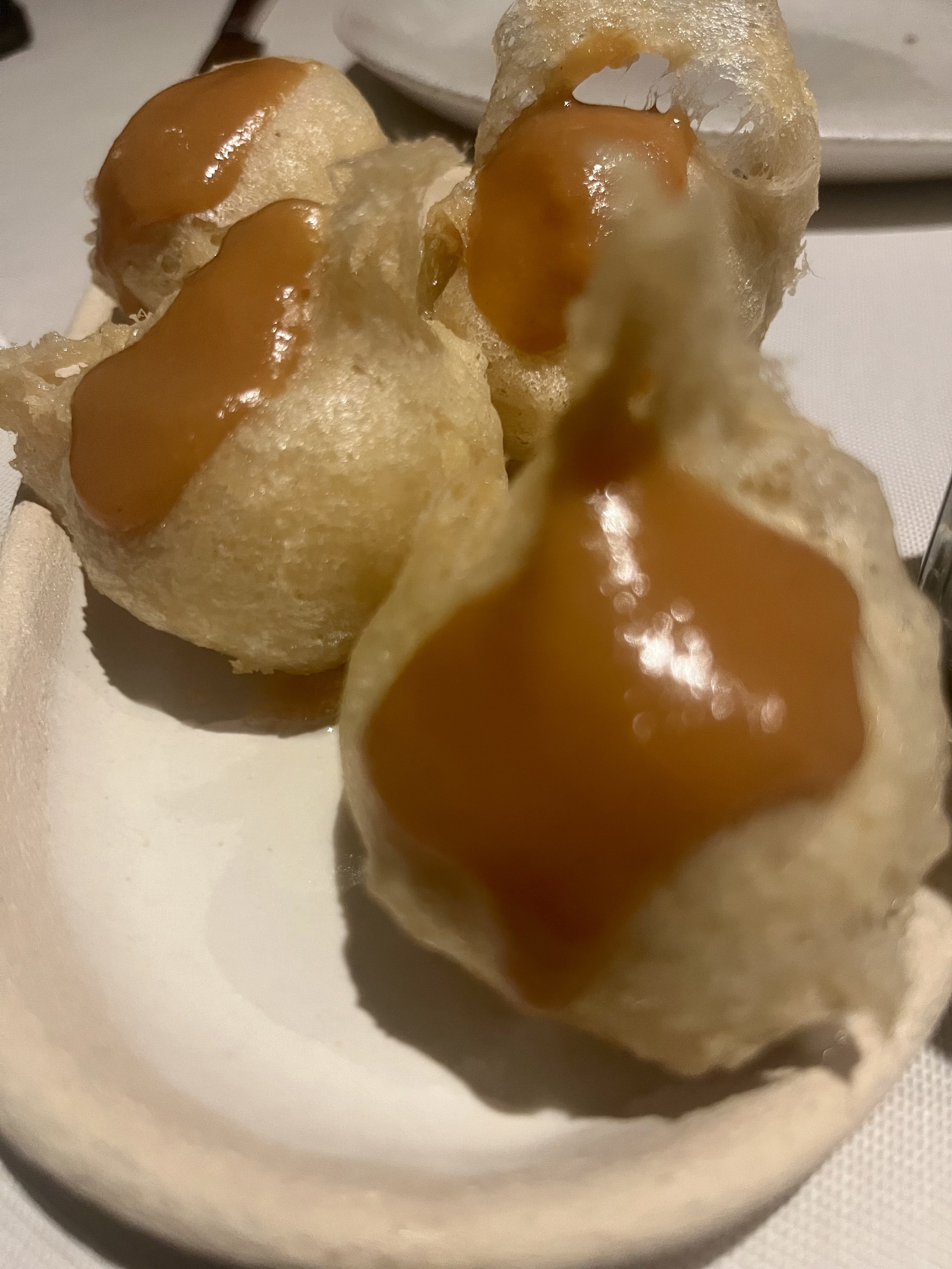
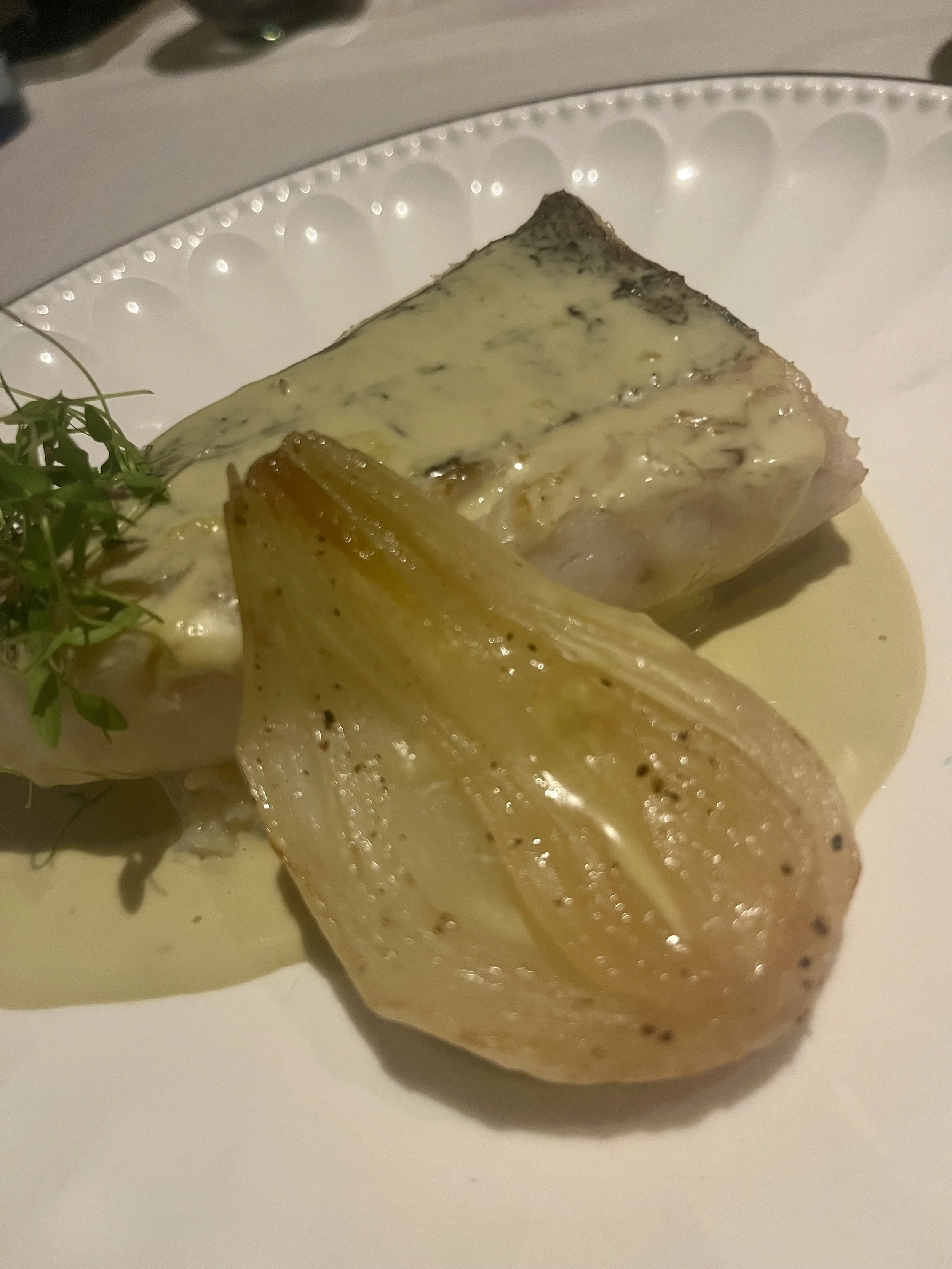
There are beautifully renovated boutique hotels throughout Spain's old cities, and Hotel Axel was no exception. Our room was upgraded and, amusingly, I think this is the only hotel where we've been offered two complimentary condoms alongside the tea and coffee! The reception staff were wonderfully helpful, recommending dinner restaurants, even though each involved about a 30-minute walk. Their suggestions were exceptional. The first was Habitual, located downstairs in the beautiful Mercado de Colón and owned by renowned chef Ricard Camarena. Every tapa was a delight, as was the paella the following evening at Barravas, tucked away in a little alley beside the cathedral. It was another memorable meal.
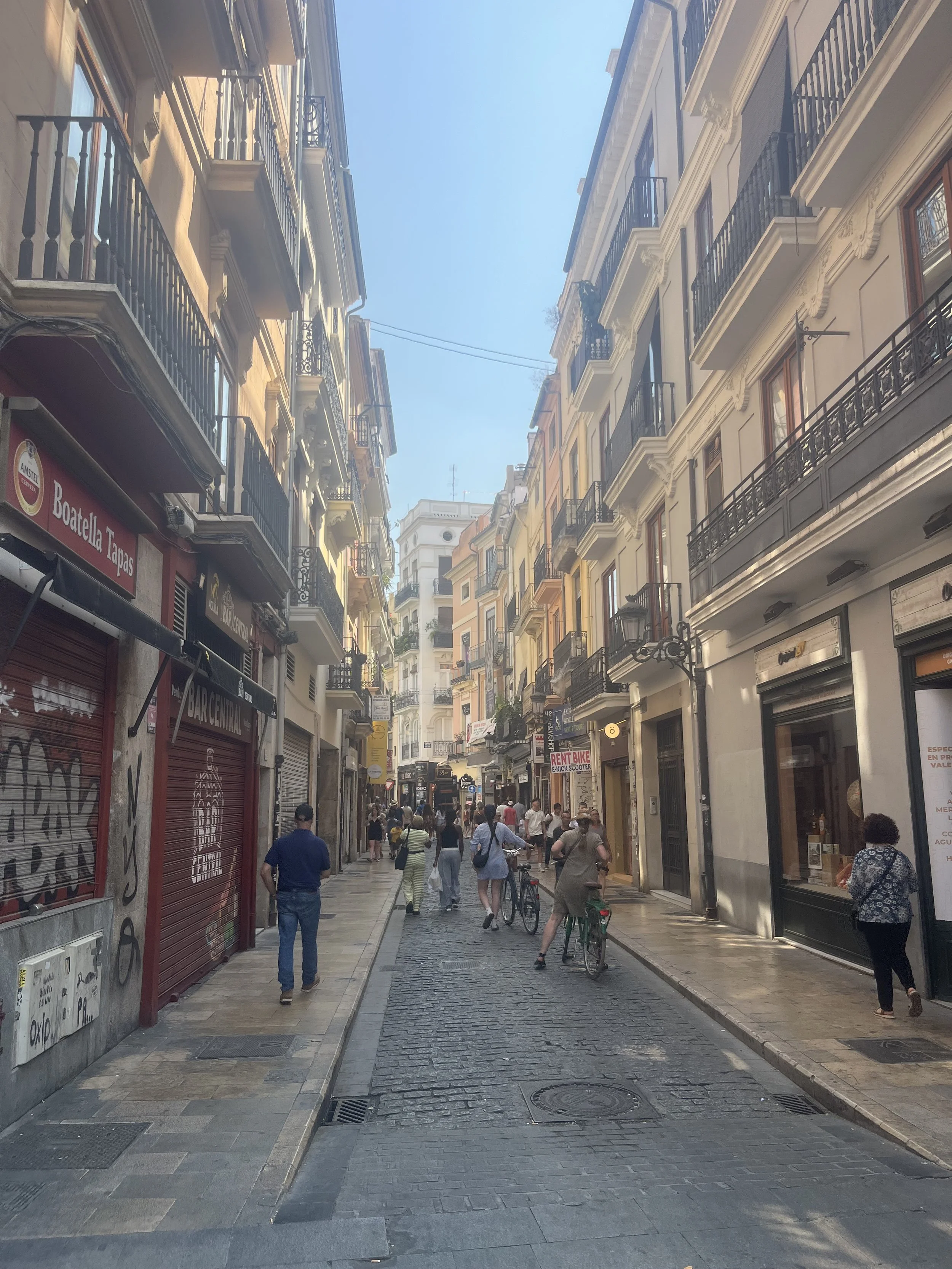
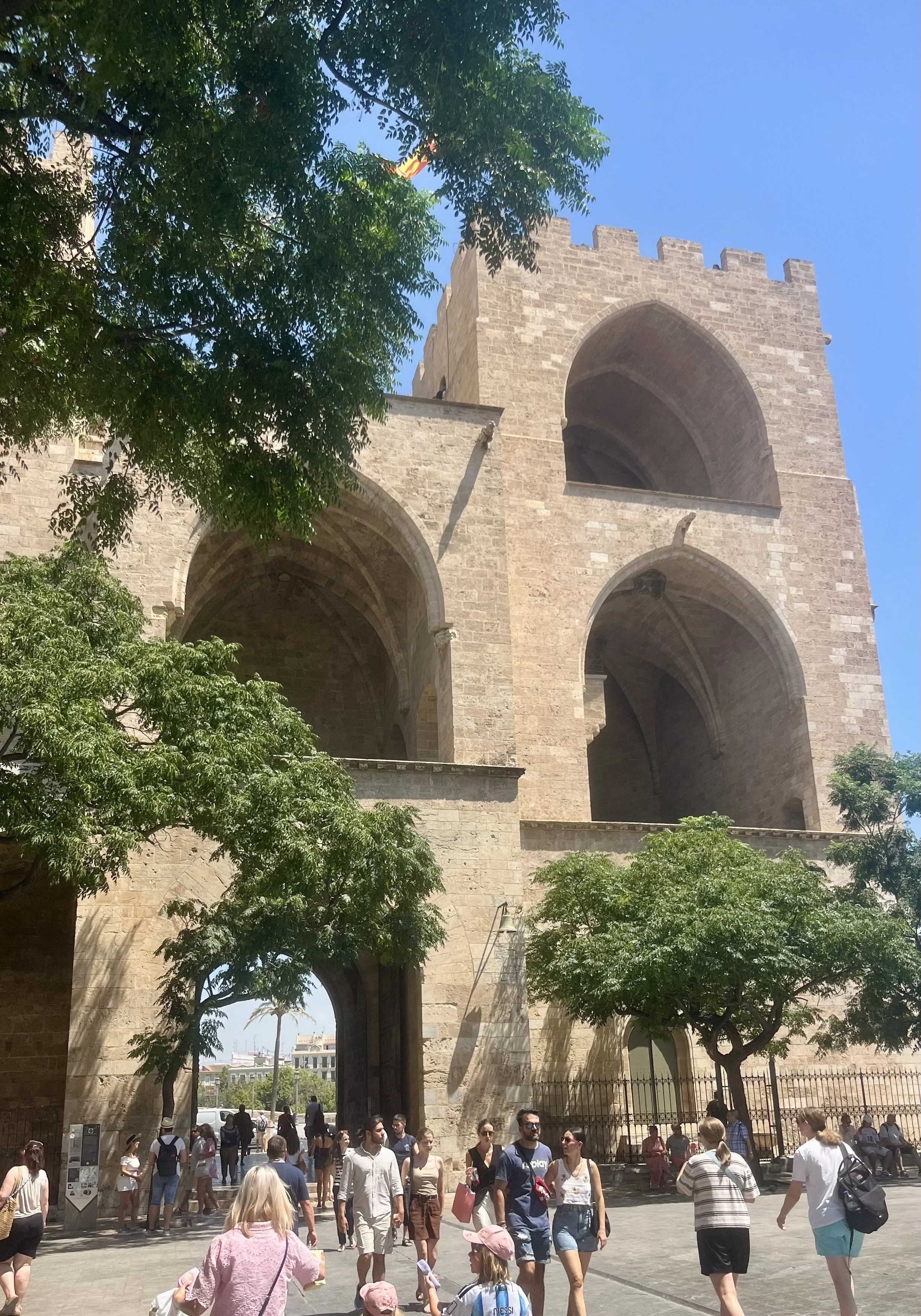
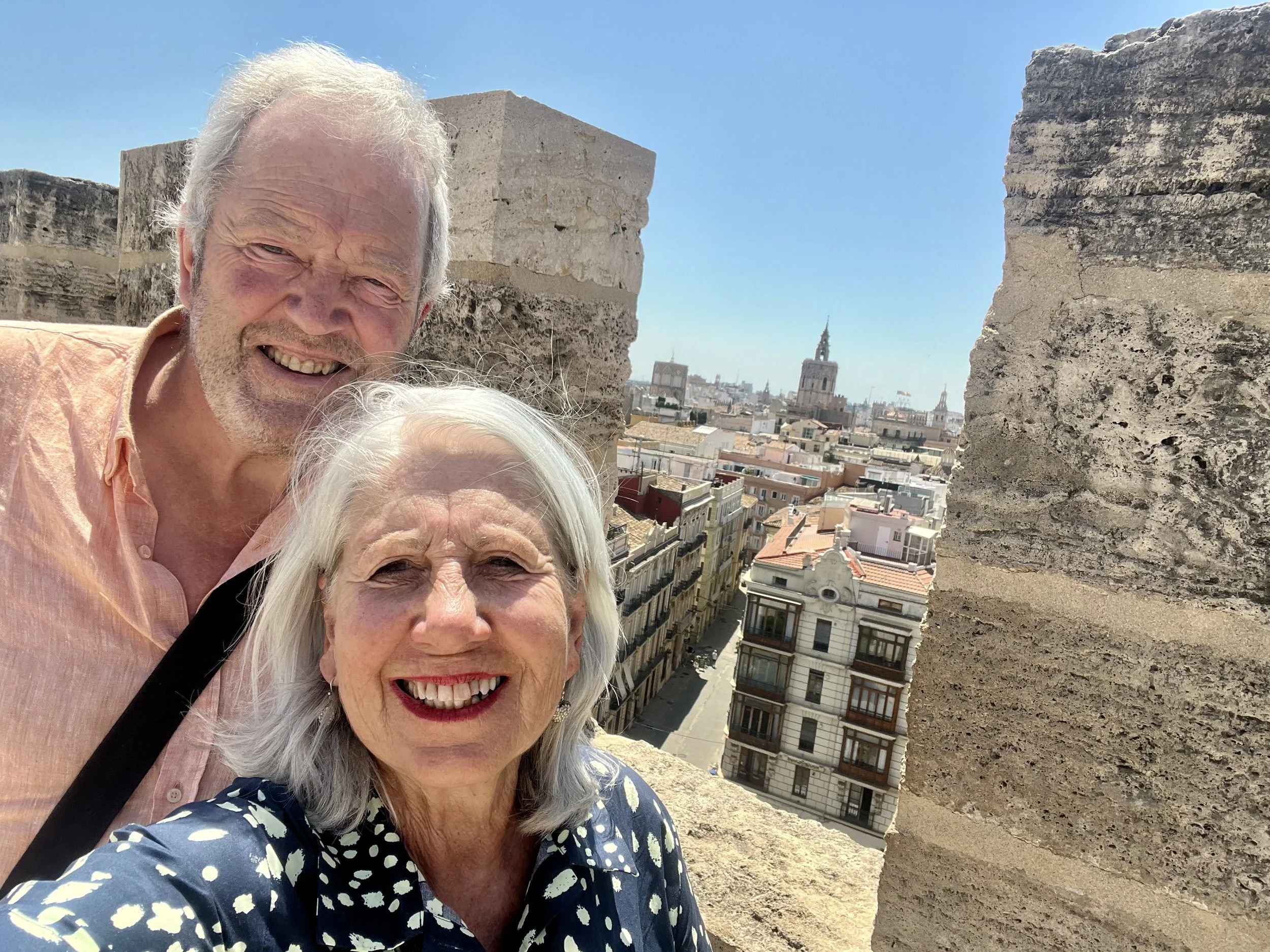
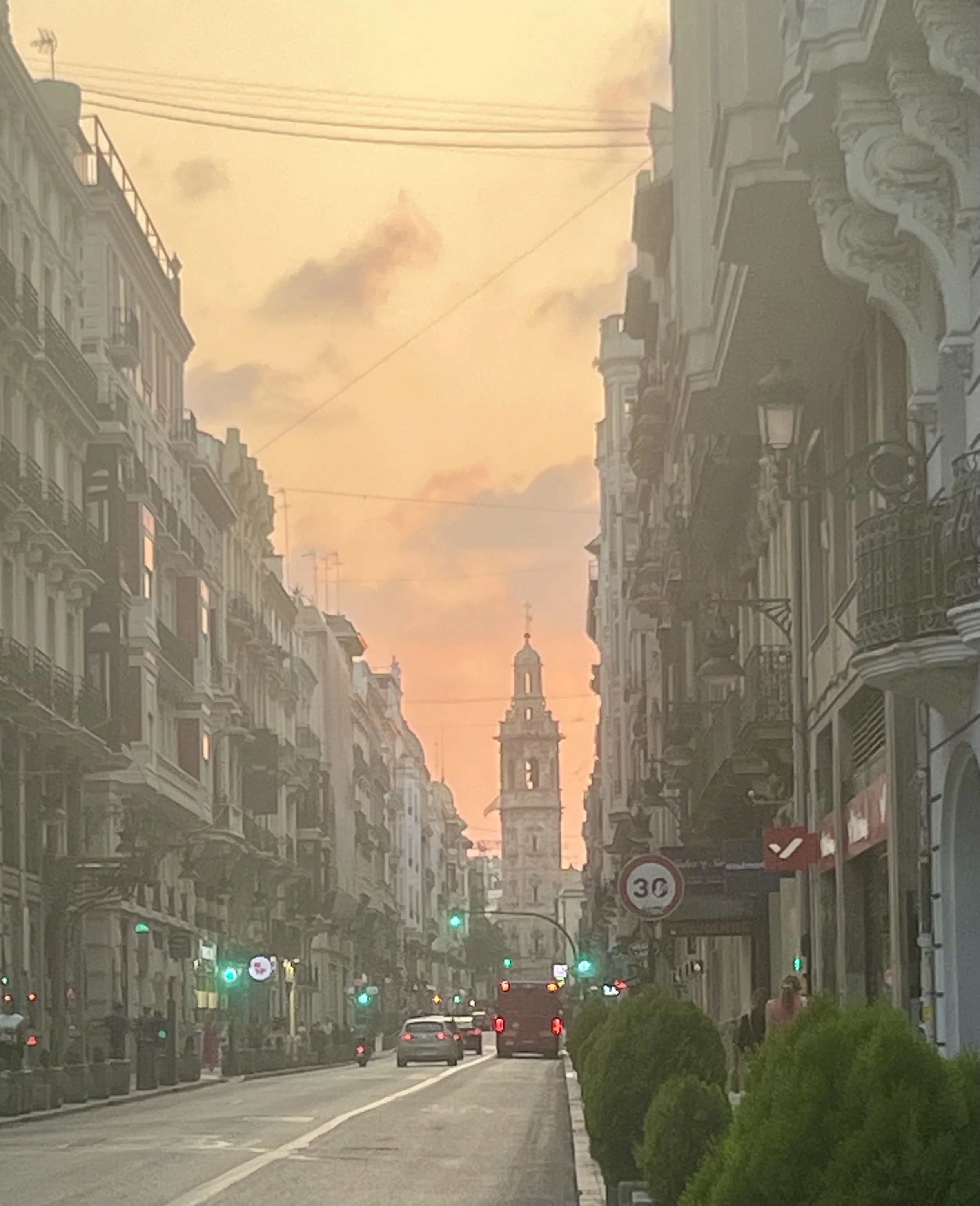
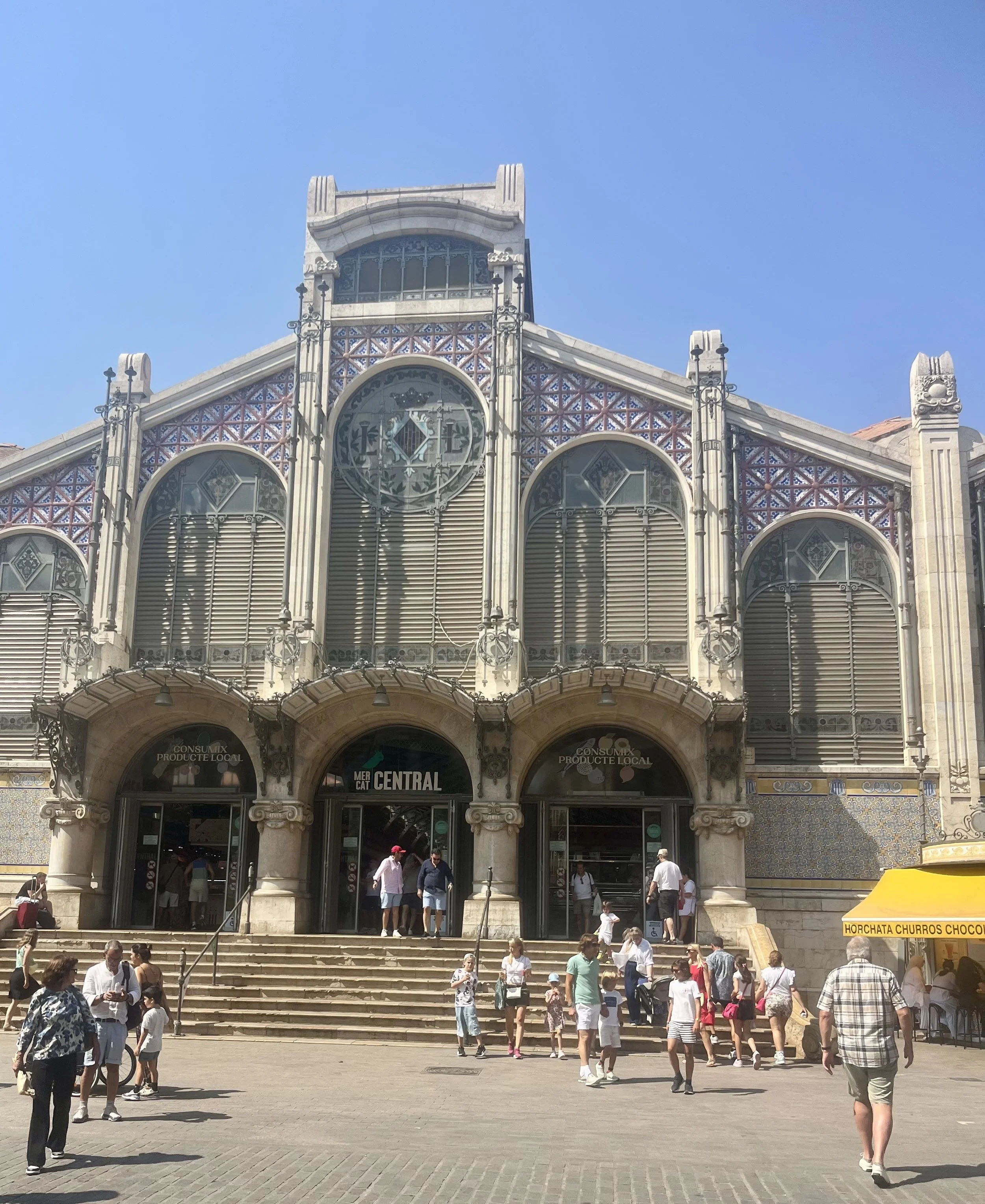
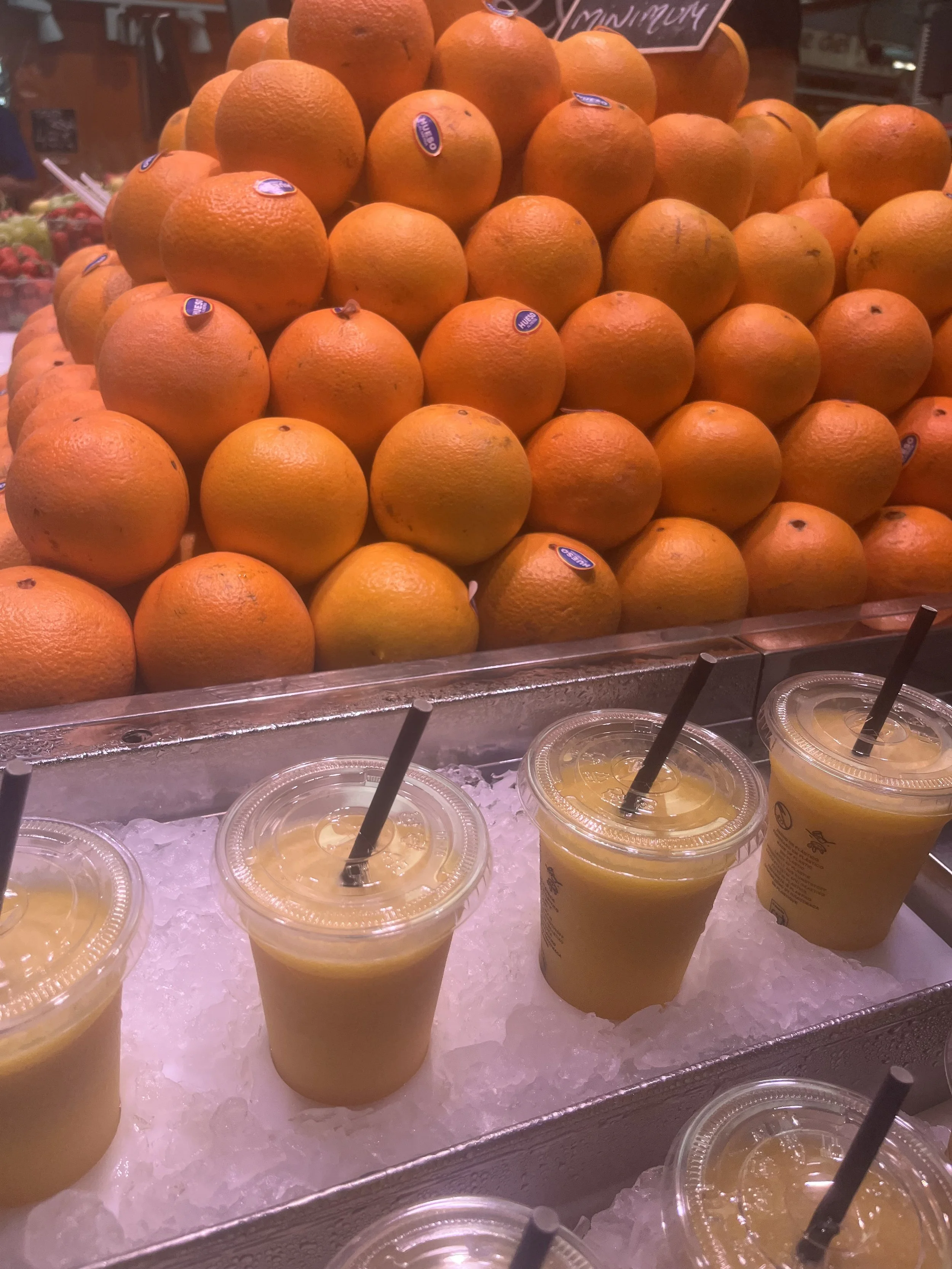
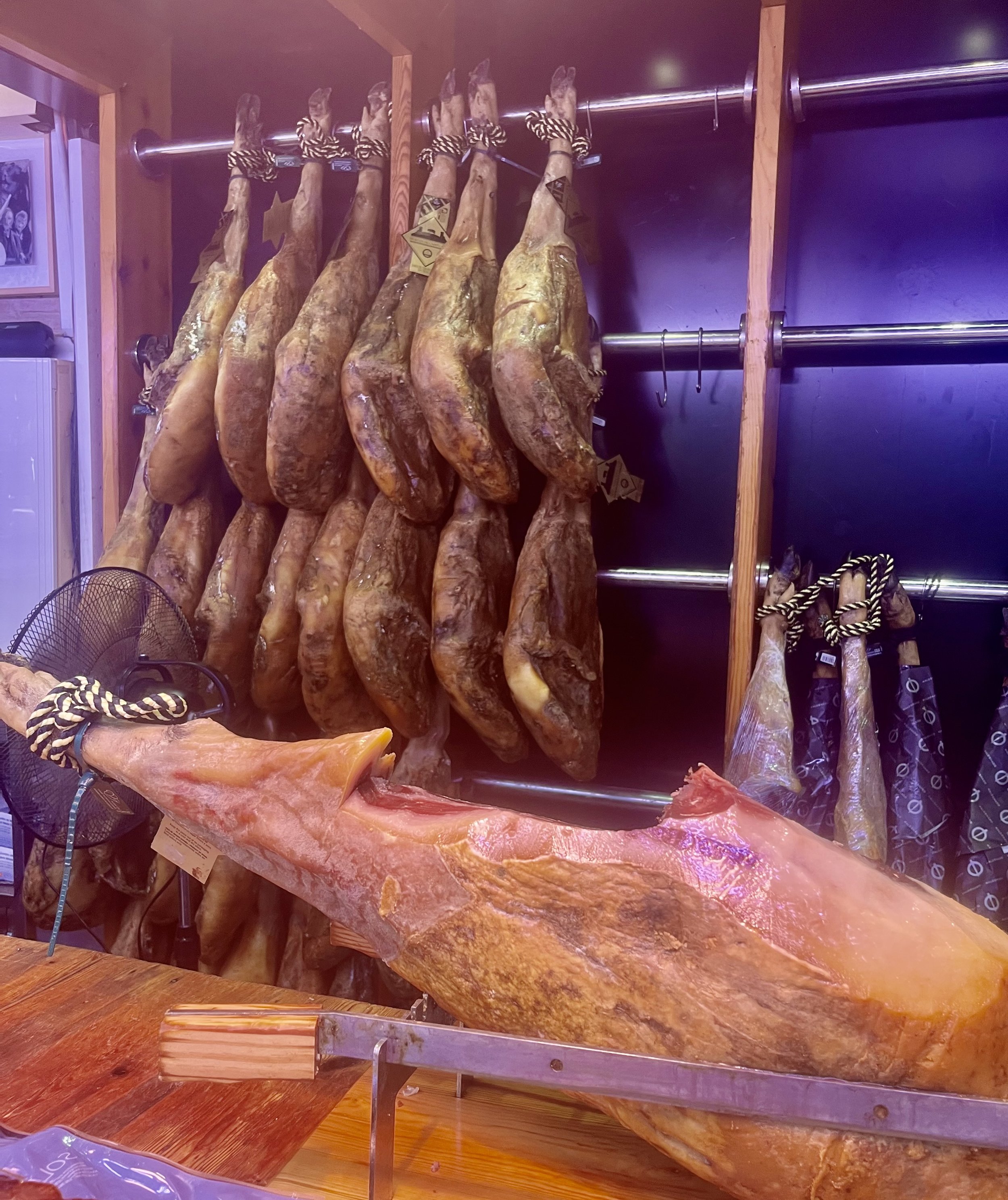
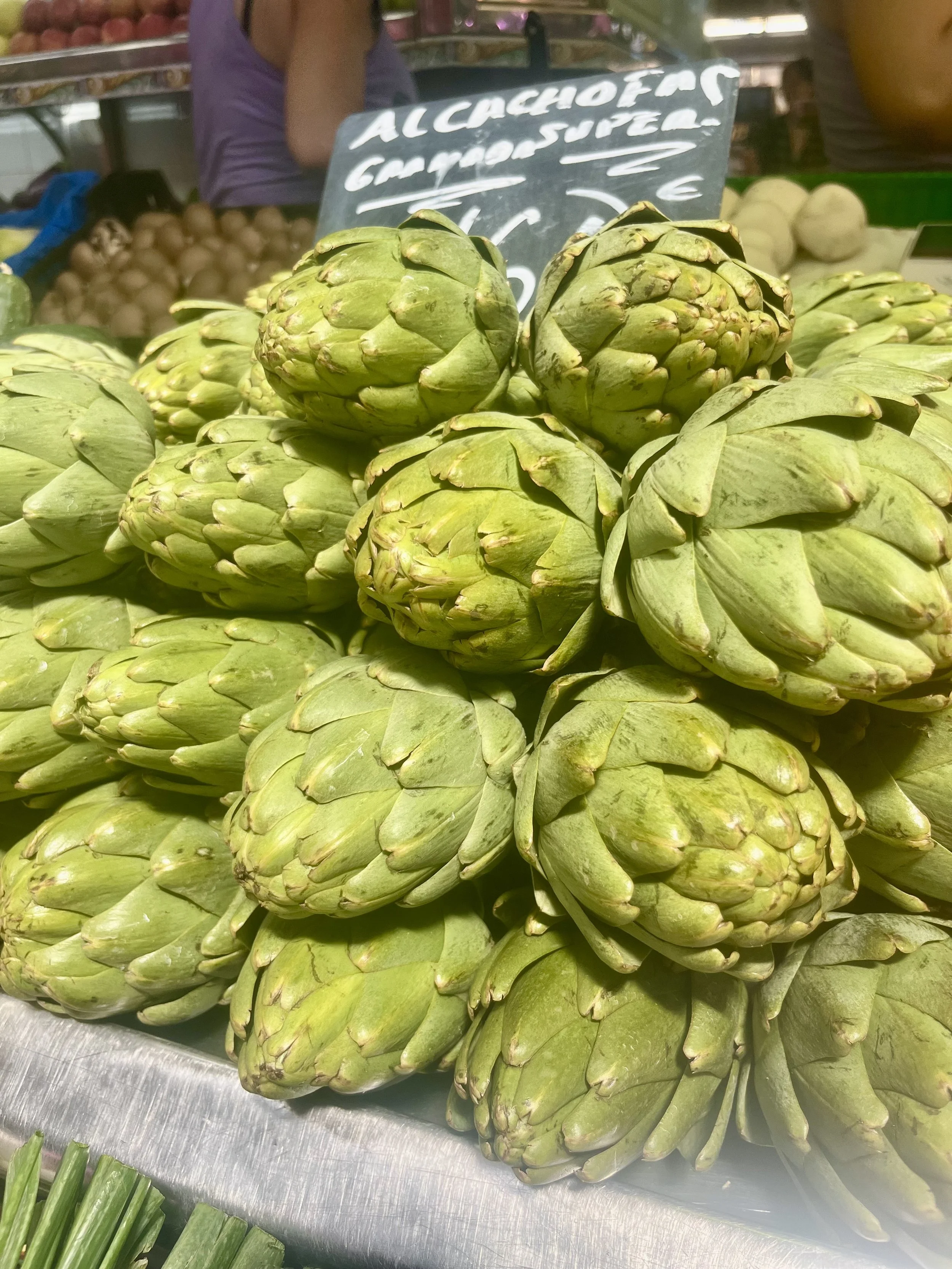
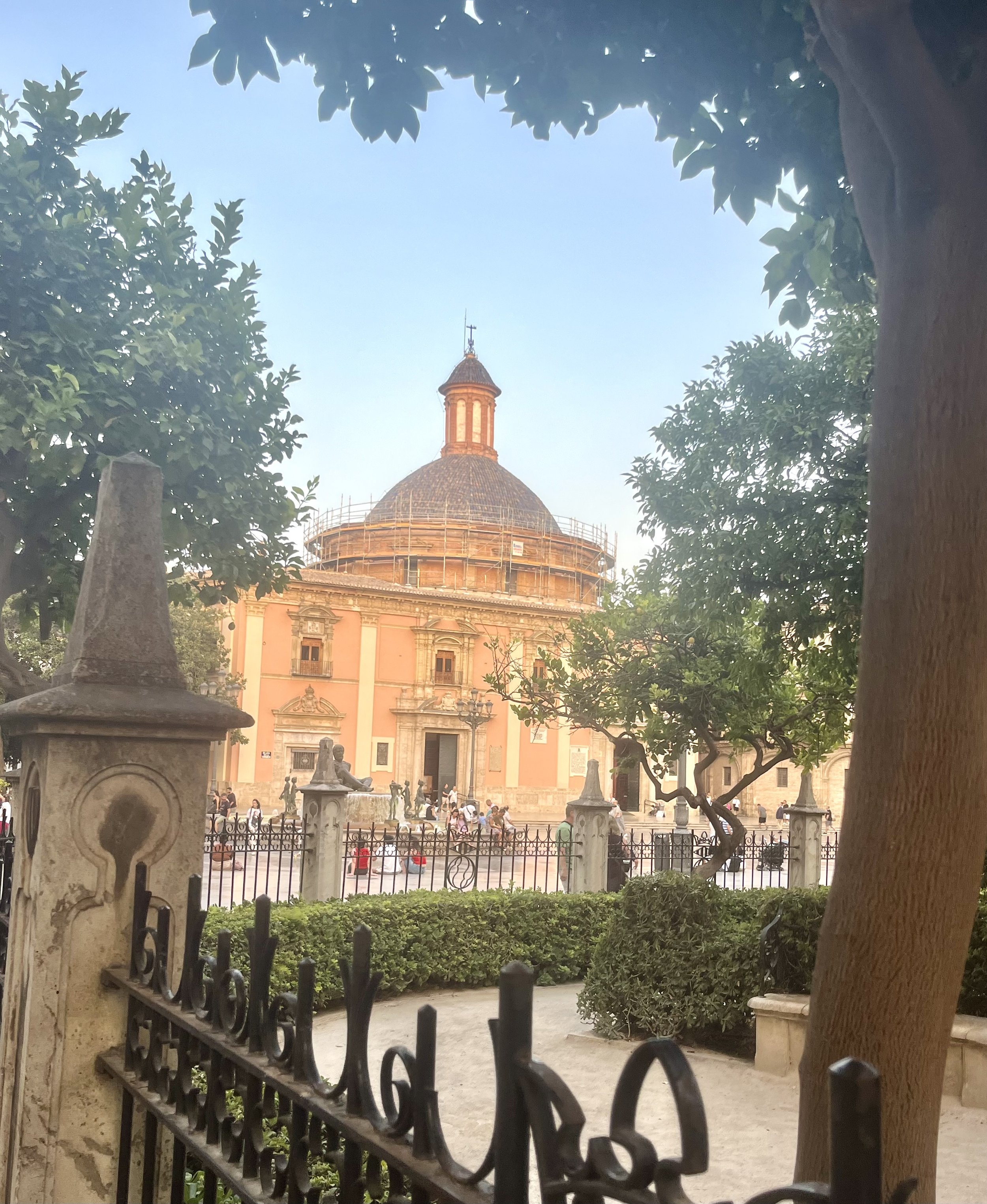
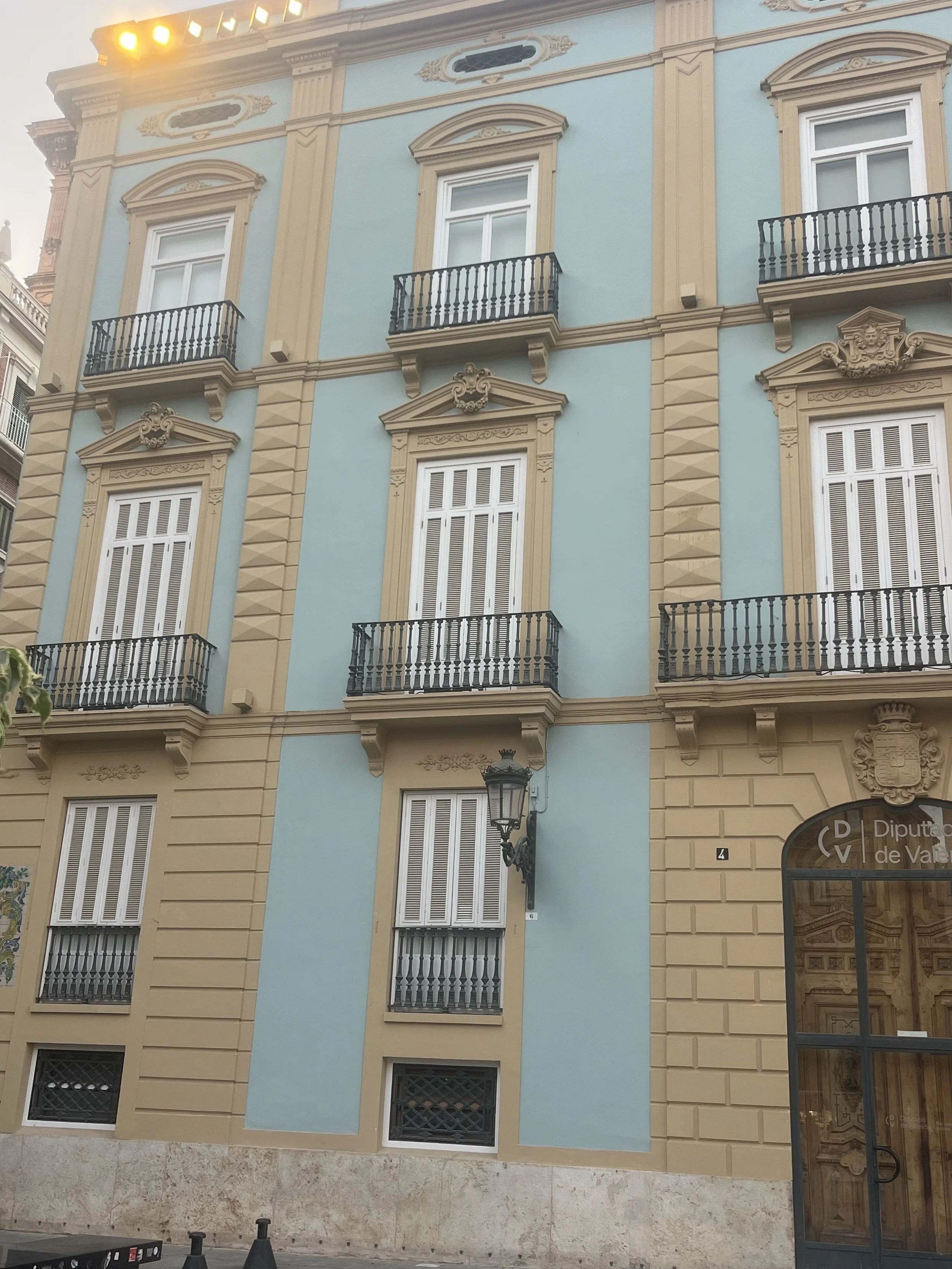
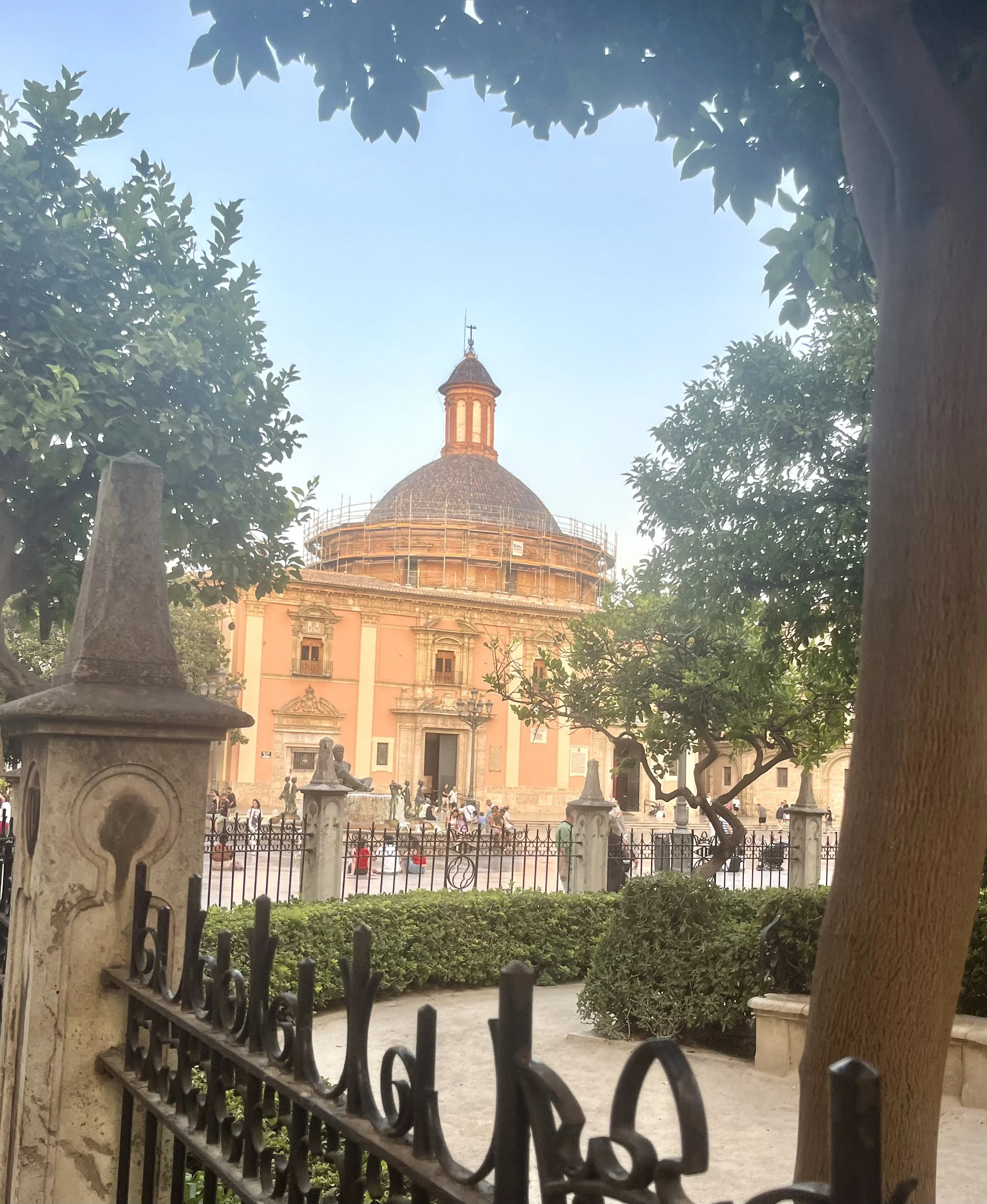
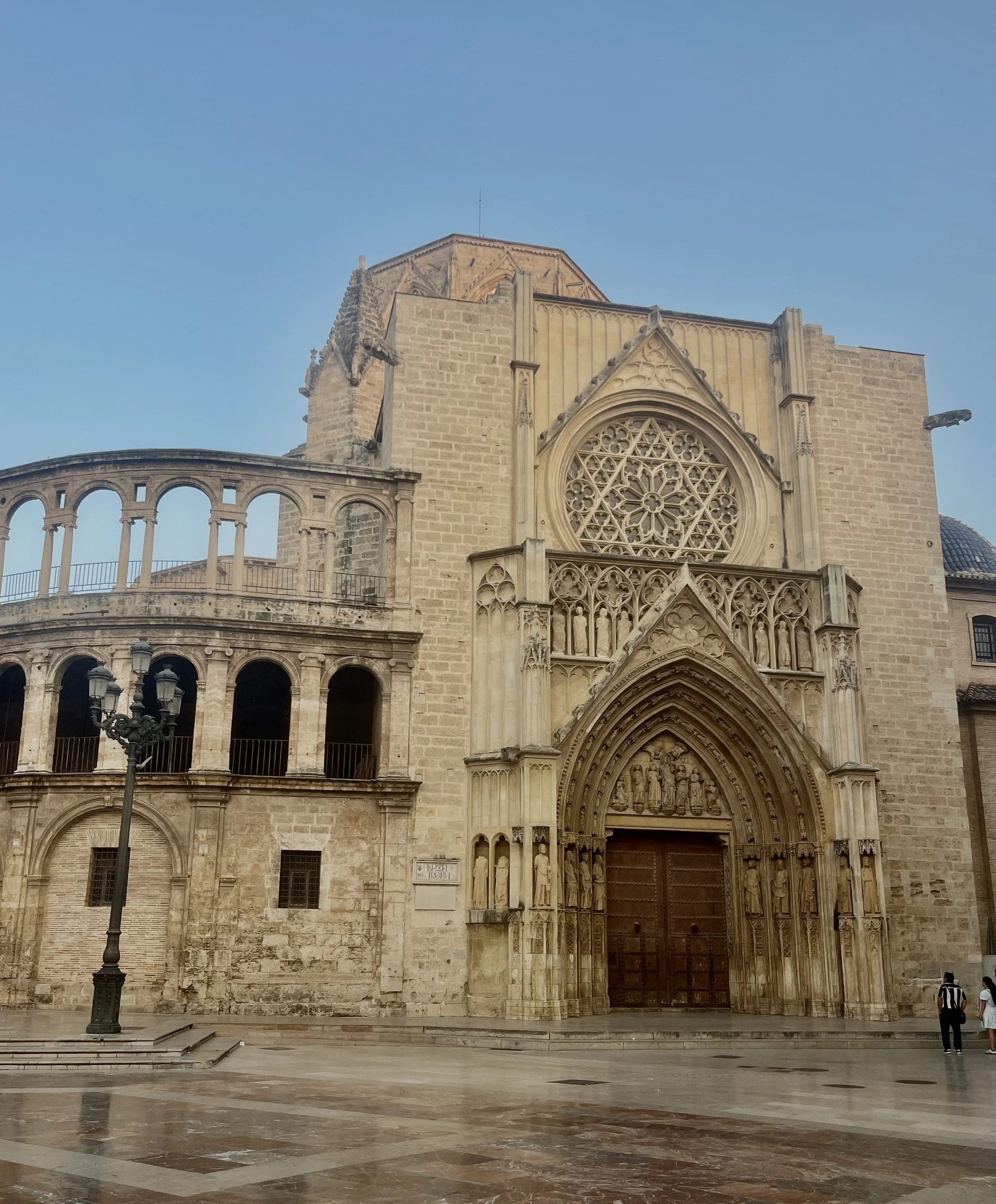
Two nights in Valencia simply weren't enough. Although we walked for an entire day, we only had time to visit the fabulous Central Market, the Silk Museum and the magnificent Silk Exchange. We were bitterly disappointed to find the National Ceramics Museum closed for renovations—something that seemed to happen repeatedly throughout this trip.
Fortunately, the following morning we hired bicycles and rode through the Turia Gardens. After the devastating floods of 1957, the Turia River was diverted, leaving behind what is now an extraordinary nine-kilometre urban park stretching through the heart of the city. Cycling was an easy and enjoyable way to reach the spectacular City of Arts and Sciences. The enormous white architectural complex, designed by Santiago Calatrava, is almost impossible to absorb in a single visit. Between the dazzling white buildings, sweeping curves and reflective pools, you could easily spend an entire day there.
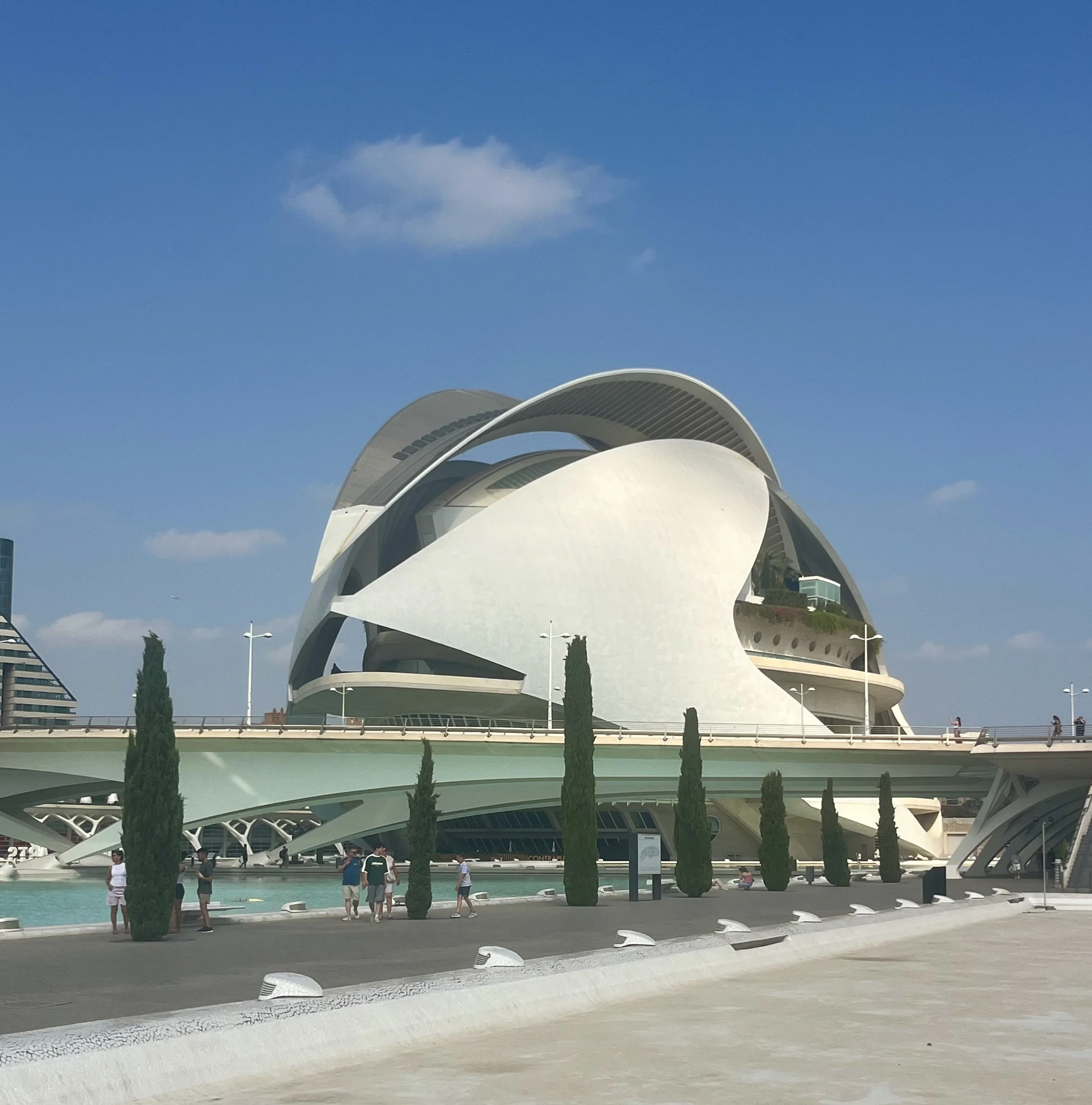
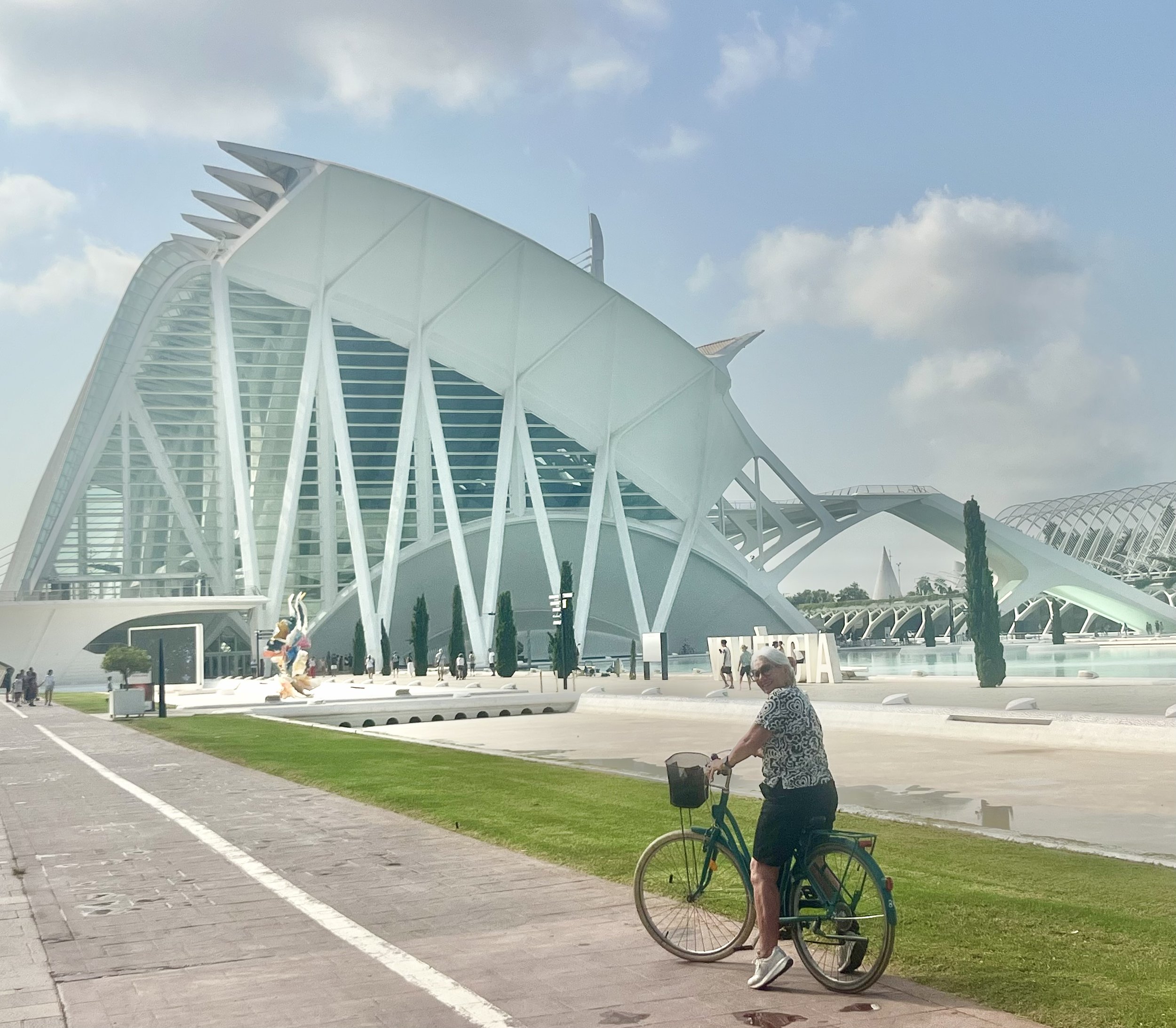
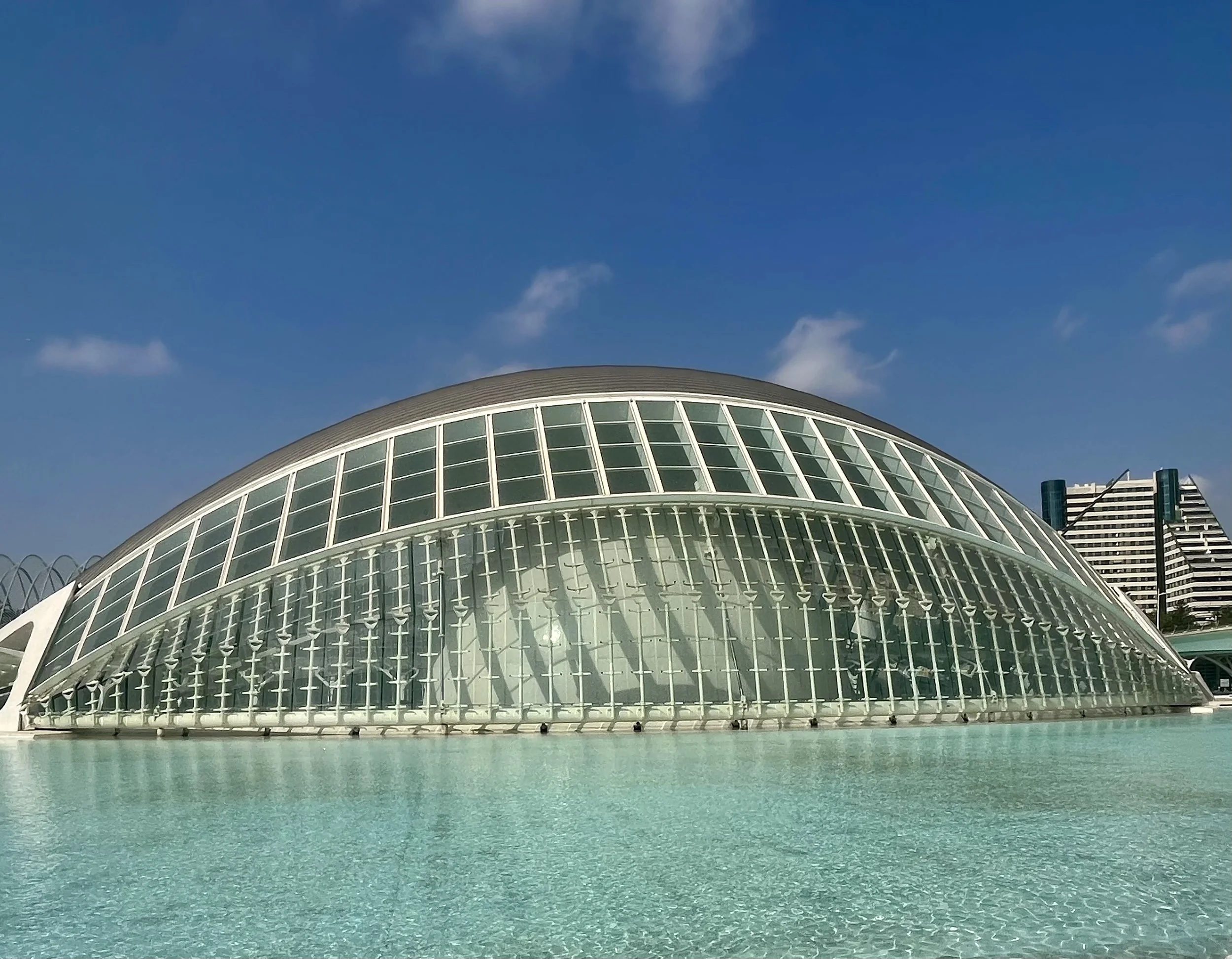
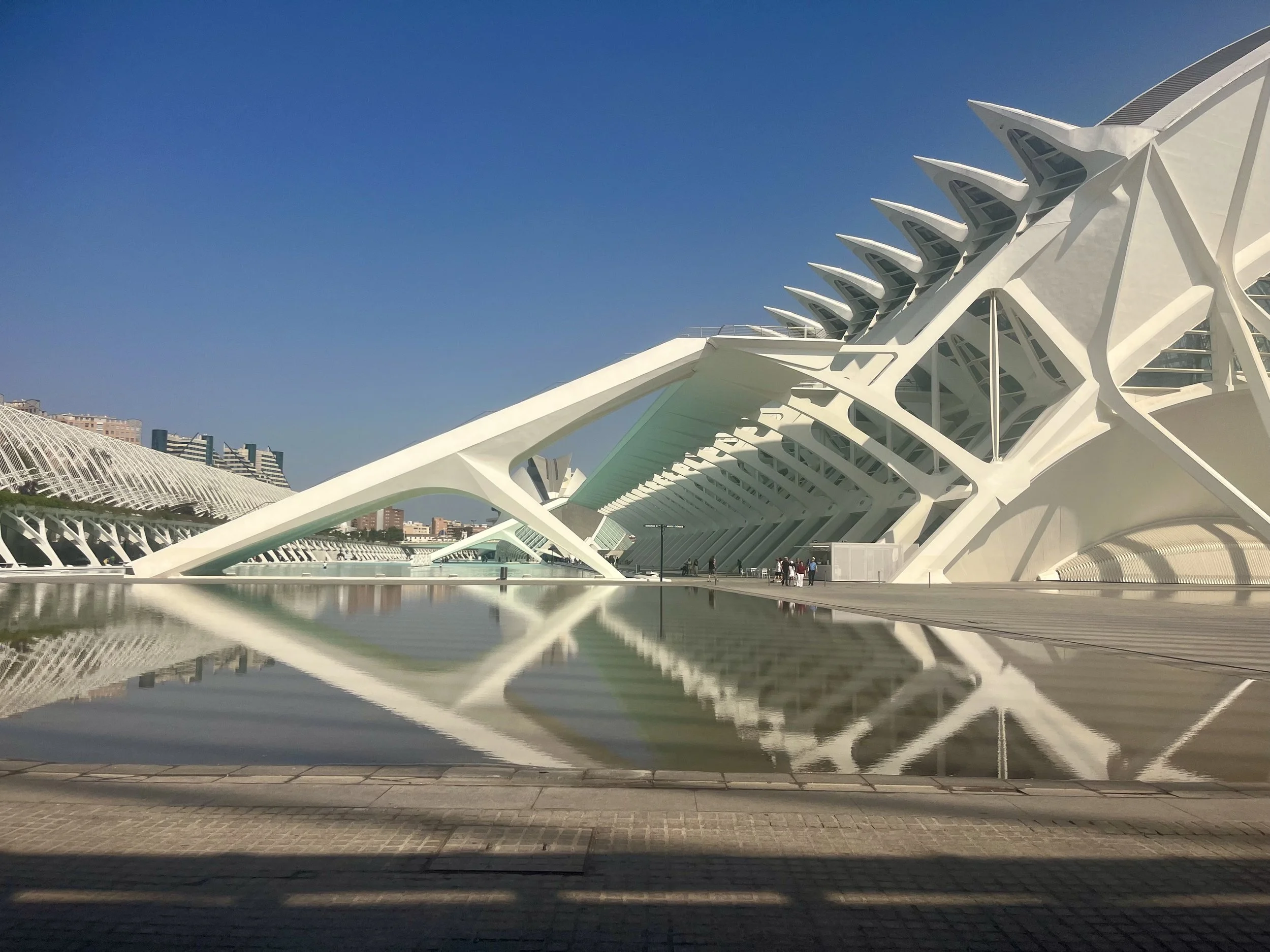
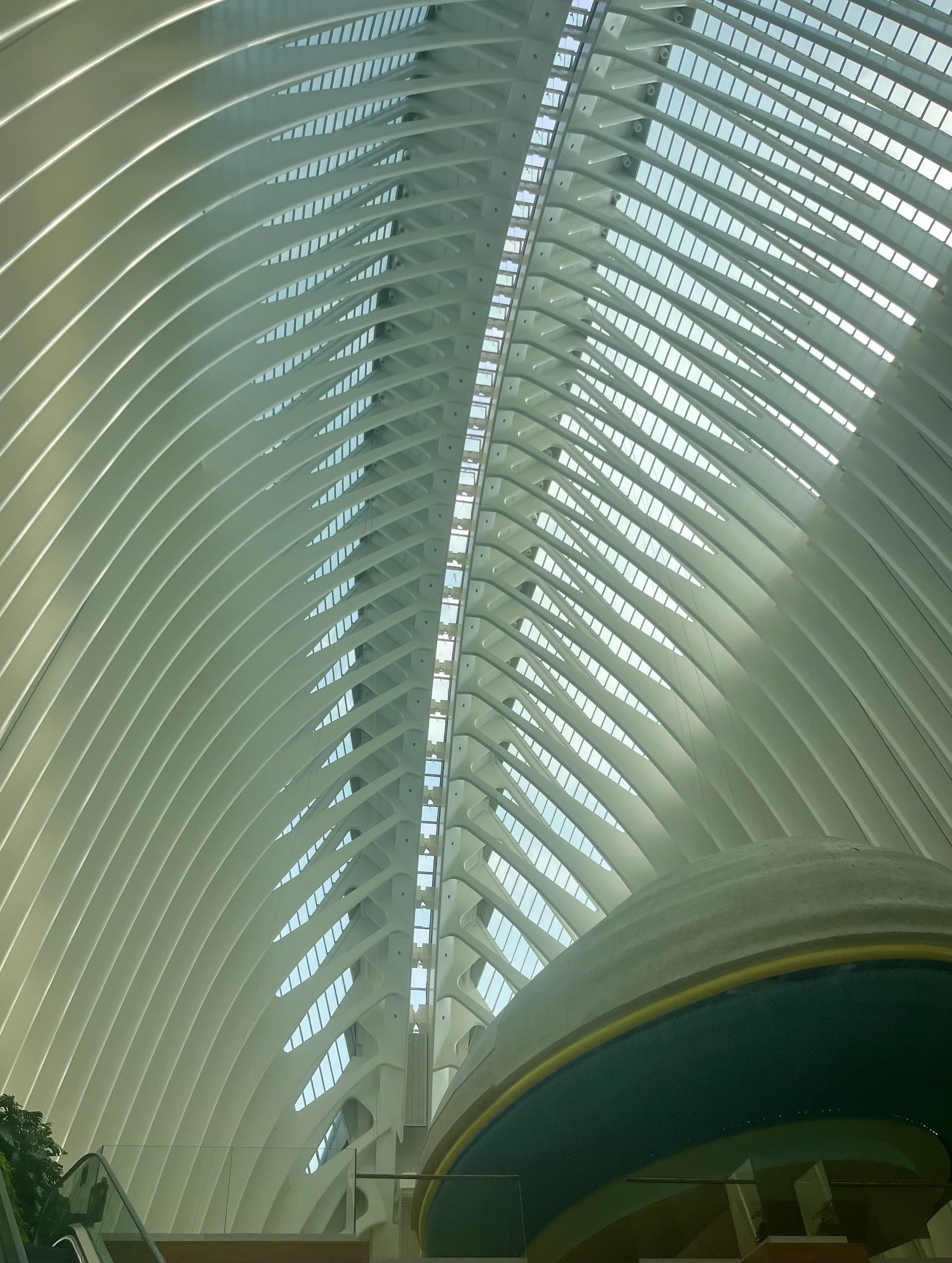
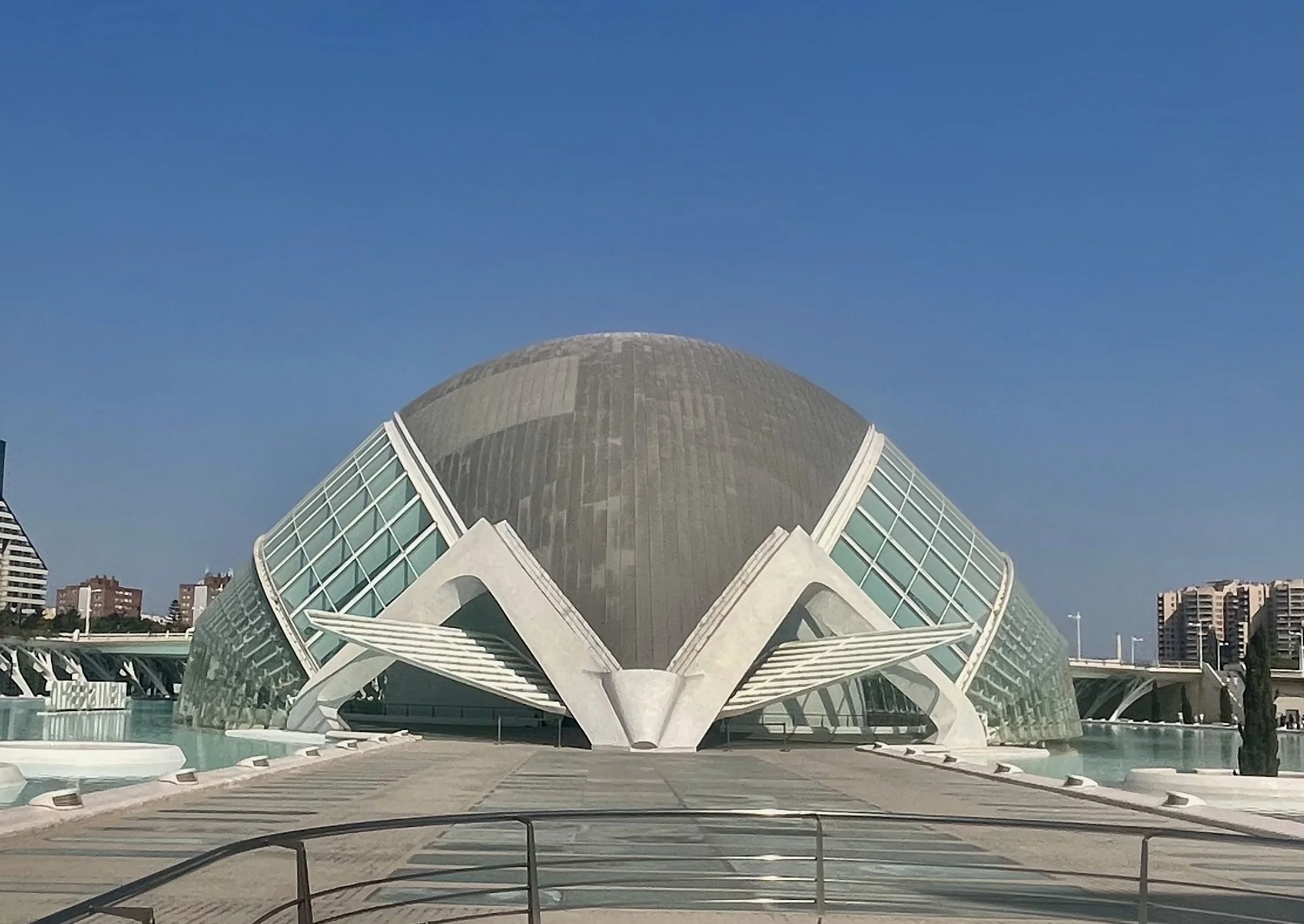
In just two days we experienced both Valencia's Gothic, Baroque and centuries-old plazas, as well as its futuristic architecture. A word of warning for anyone planning a visit—allow at least three or four days.
Collecting our rental car, however, didn't go nearly as smoothly. Evidently a rental contract from Calais weeks earlier had never been properly closed, so the company refused to issue another vehicle. After two frustrating hours in the smallest of offices in 35-degree heat and countless phone calls, the only solution was to change the nominated driver and that was ME..
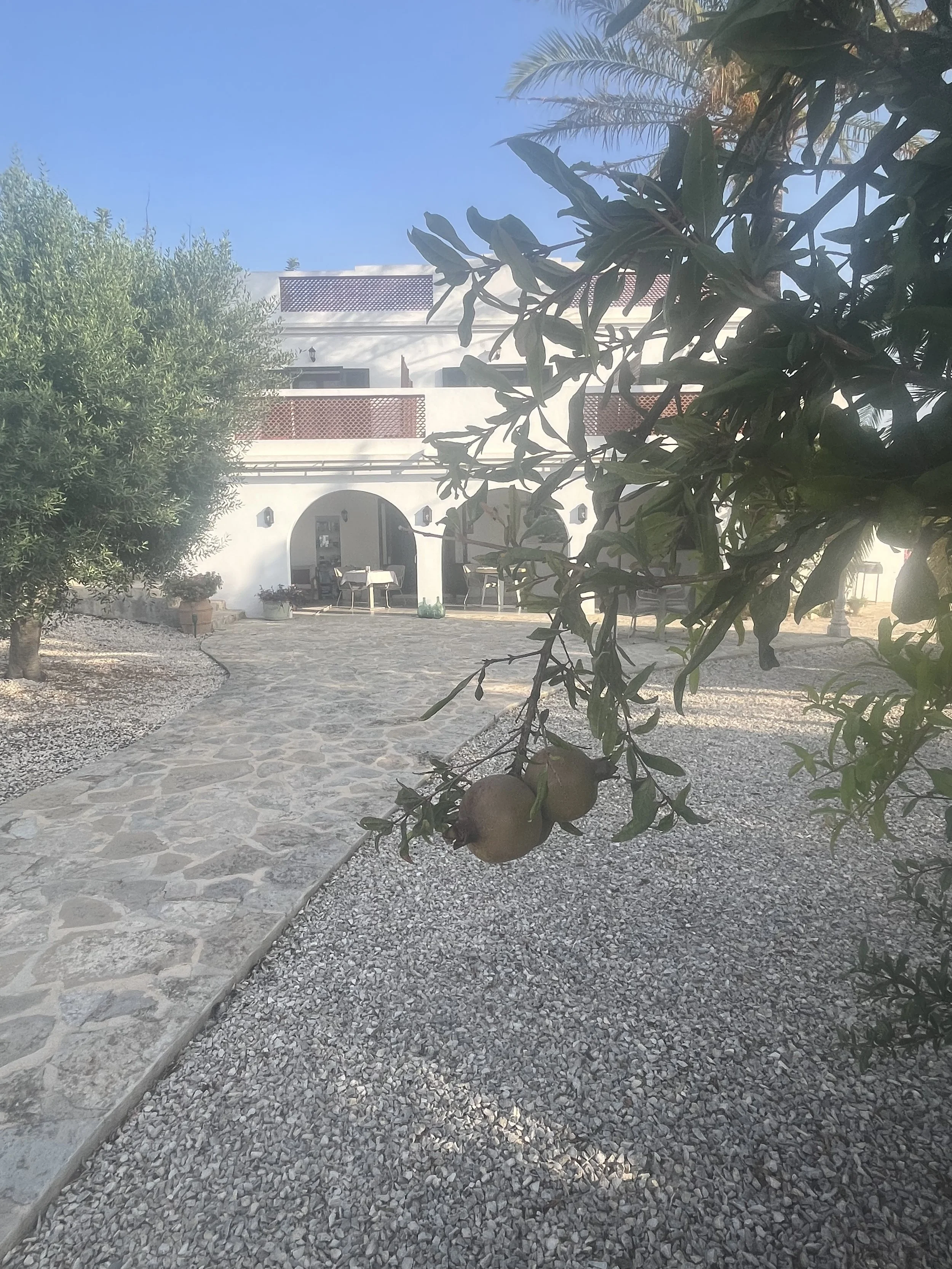
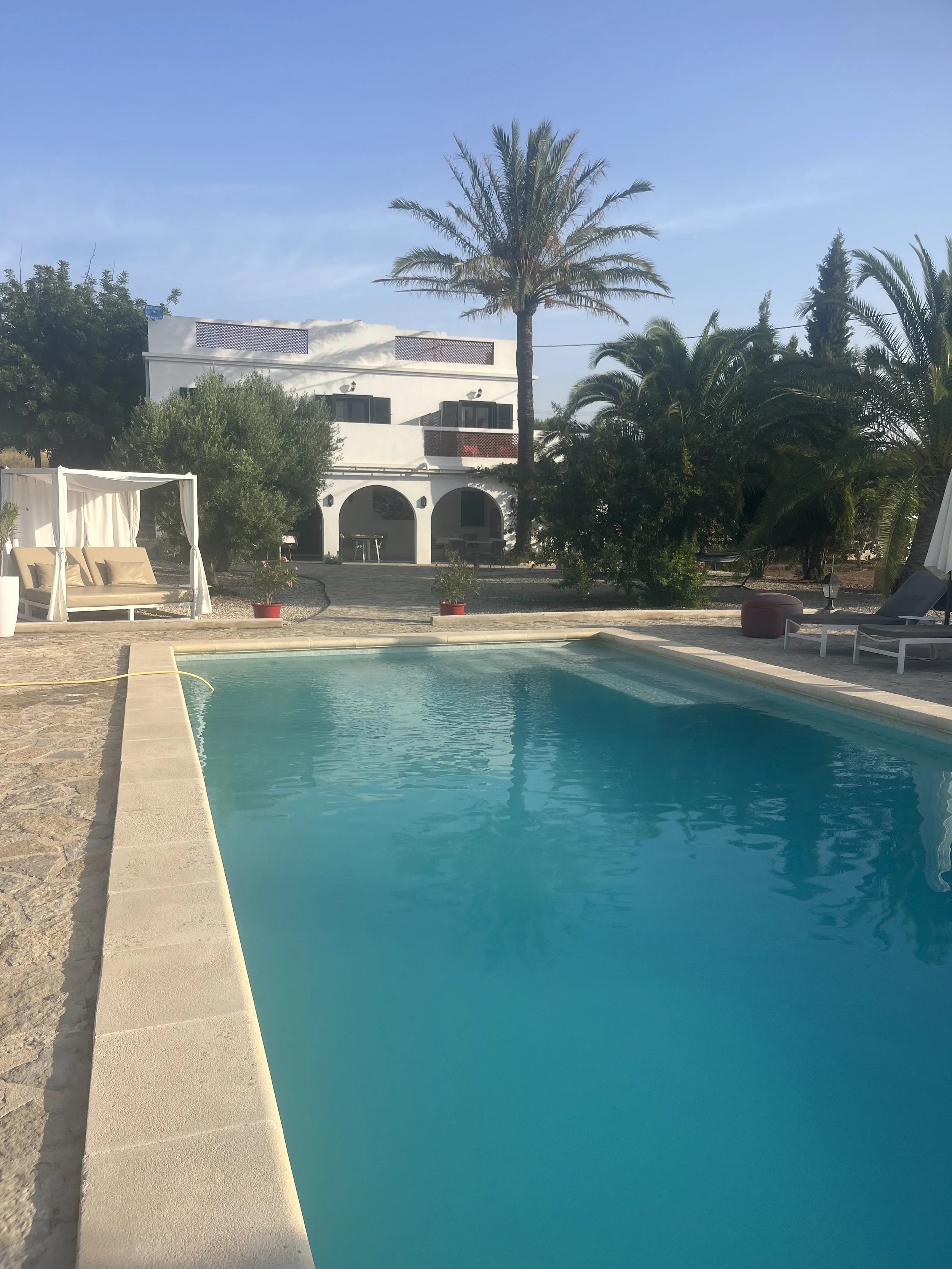
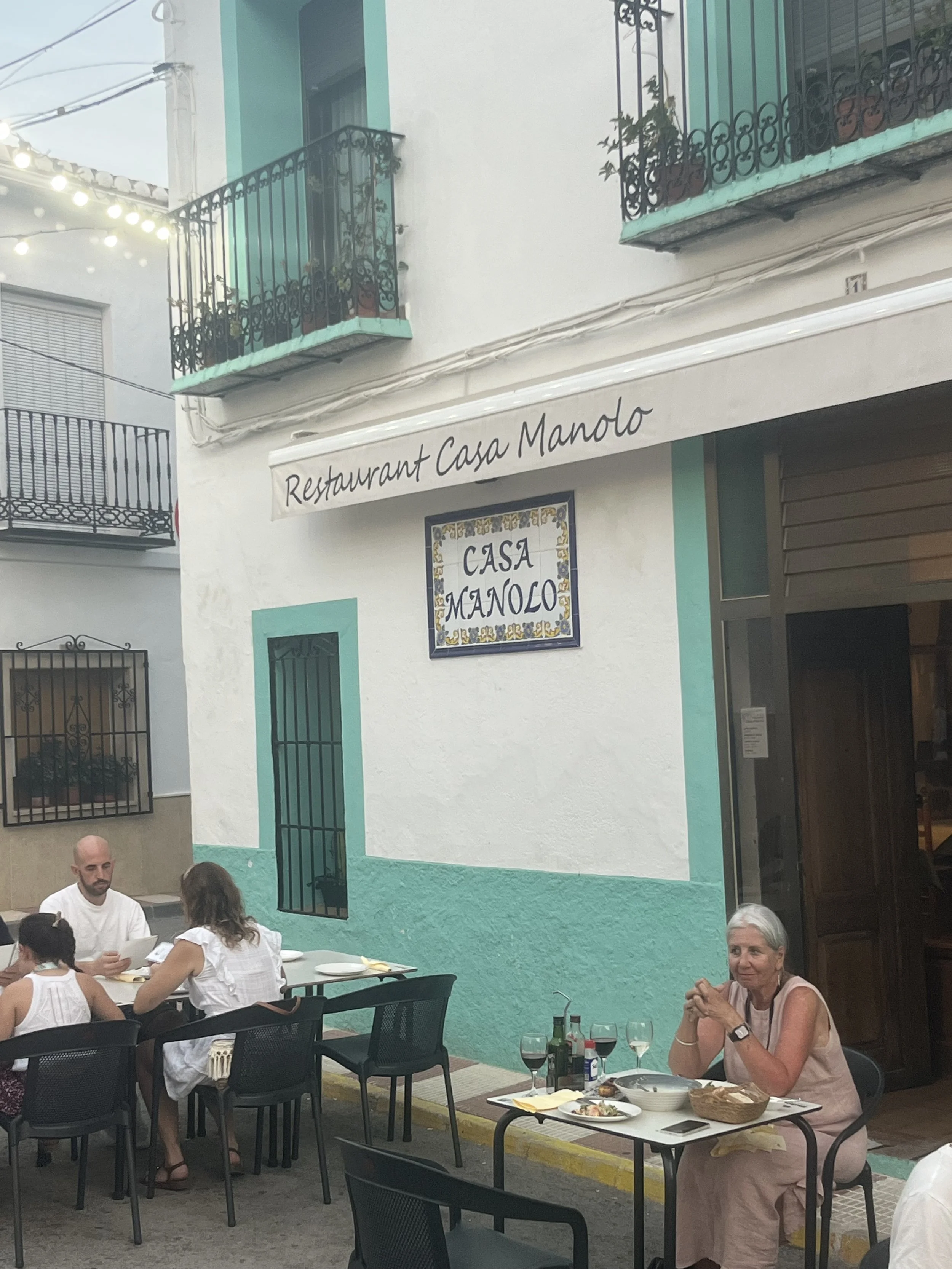
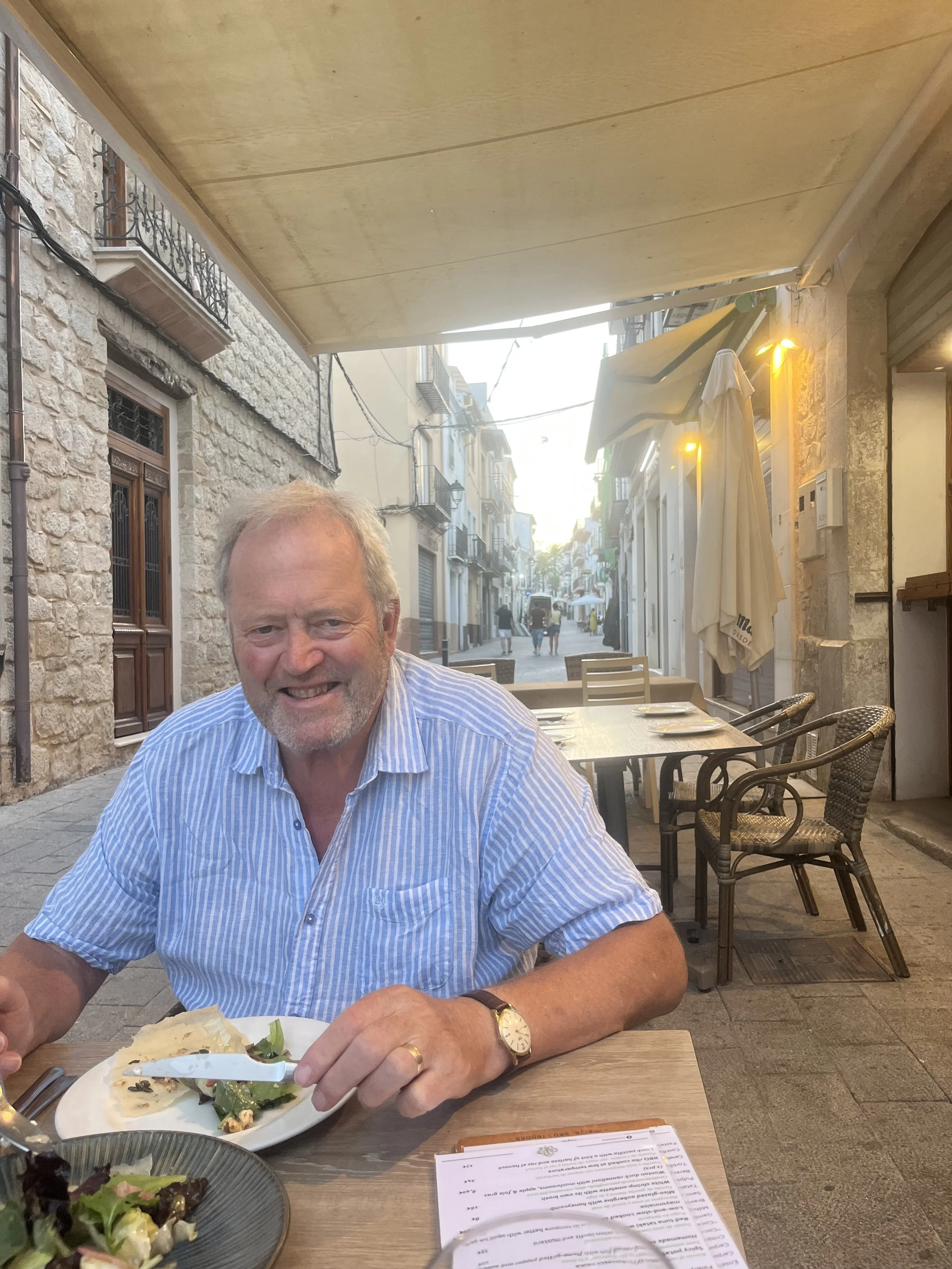
I drove us out of Valencia and onto the motorway for the two-hour trip to our sanctuary just outside the small town of Benissa. Our accommodation had only four guest rooms, a stunning swimming pool and a lovely deck outside our room where we could completely relax. Our Belgian hosts, Christine and Stephen, happily made restaurant bookings for us, but during the day the pool, deck chairs and our books became our main activities. In the early evenings we would explore the nearby villages before our customary 9 pm dinners. We ate with local families in the street at a restaurant open only on Fridays, enjoyed a very traditional restaurant that served lunch only, and discovered an unassuming little restaurant producing beautifully presented, delicious food. One regional speciality was coca—a thin bread or pancake-like base topped or filled in countless different ways.
The surrounding farmhouses sat on terraced estates were planted once with vineyards. The arches beneath many of the houses had been used to dry grapes for raisins. This region was once Spain's largest producer of raisins until the devastating arrival of Phylloxera, which destroyed the vineyards here, just as it had done in Mallorca and throughout much of Europe. We loved the peace and quiet, even the early morning chorus of roosters and doves that began their noisy conversations well before breakfast.
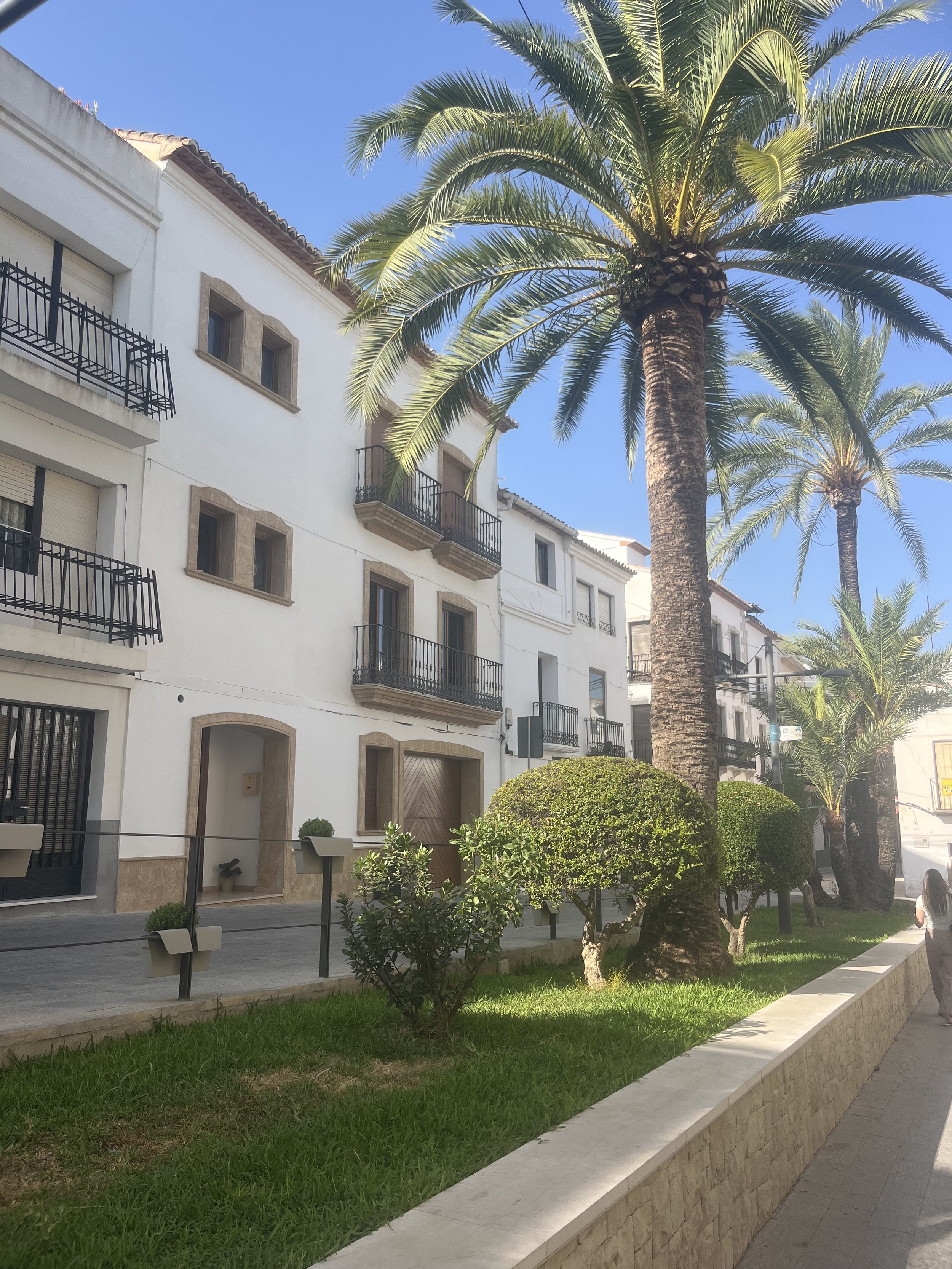
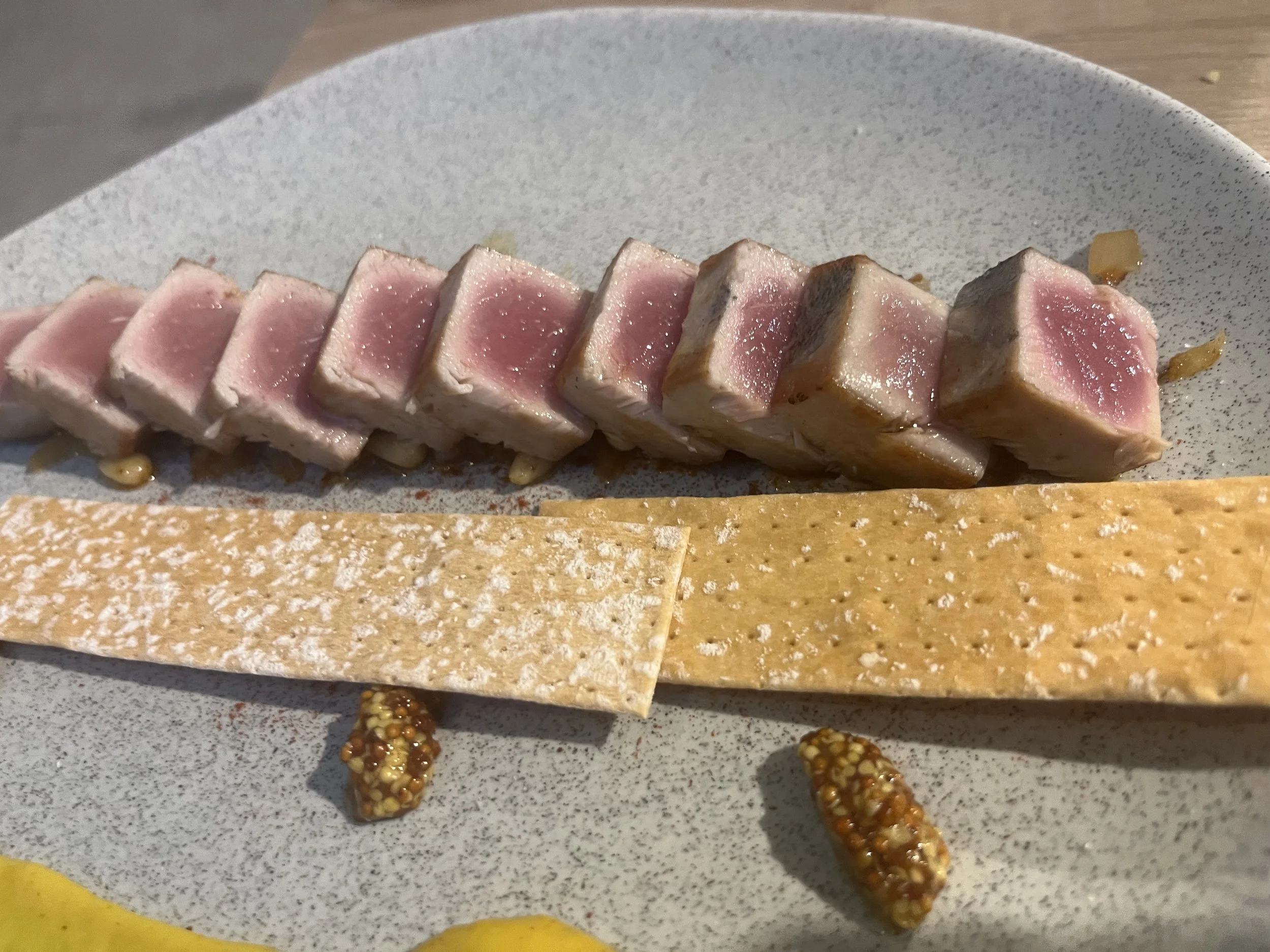

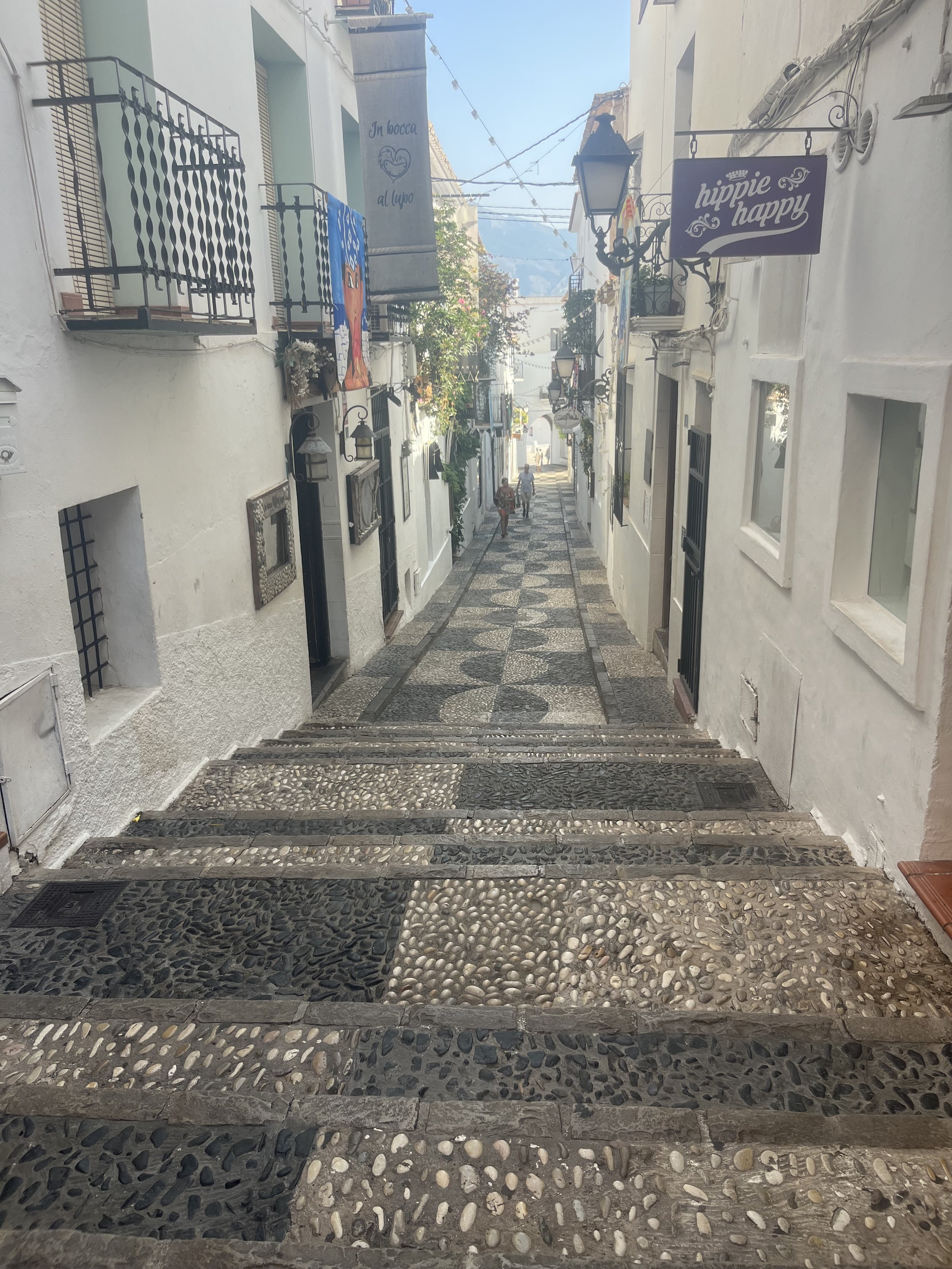
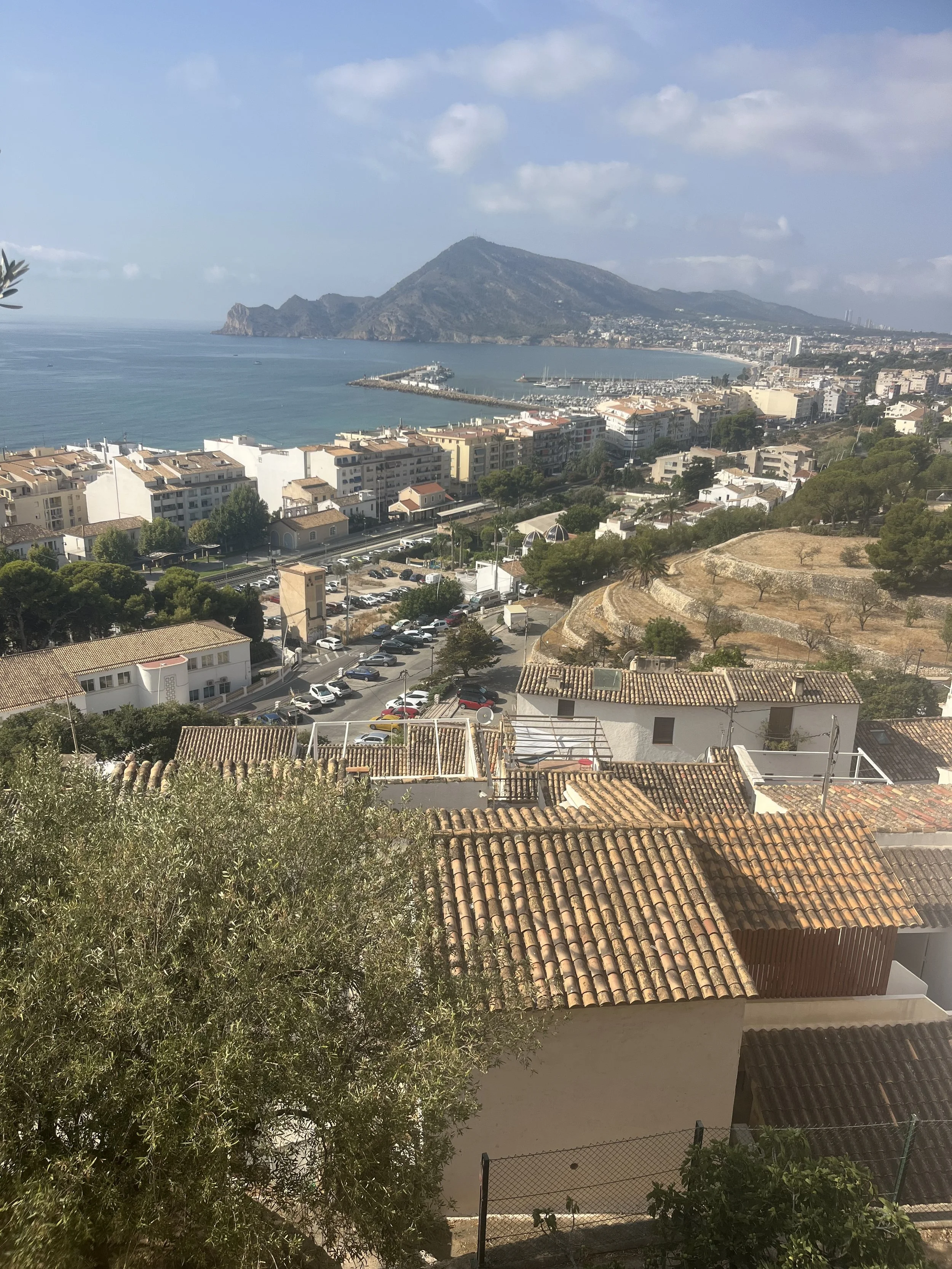
From Benissa, the drive to Granada looked straightforward enough. We made a detour through the beautiful white coastal town of Altea before continuing to Alicante, where we stocked up on a few English novels. The four-hour motorway drive, with traffic travelling at around 120 km/h or more, demanded constant concentration.
The landscape has always fascinated me. Although the coastline is crowded with high-rise apartment buildings and attracts large numbers of holidaymakers, the scenery remains striking. We passed the outskirts of Benidorm, a name that brought back memories of the English television comedy-drama series. Despite its reputation for tourism and development, the surrounding mountains and coastline make for a remarkable contrast.
First came the citrus groves that covered the hillsides, their neat rows stretching across the landscape. Higher up were the almond trees and beyond them the ancient olive groves, their huge gnarled trunks and silvery leaves reflecting centuries of cultivation. There was also vast areas of new plantings. Spain is one of the world's leading producers of all three, and the countryside bears the unmistakable mark of generations of farming. The extremely dry hot landscape was both both beautiful and obviously deeply rooted in tradition.
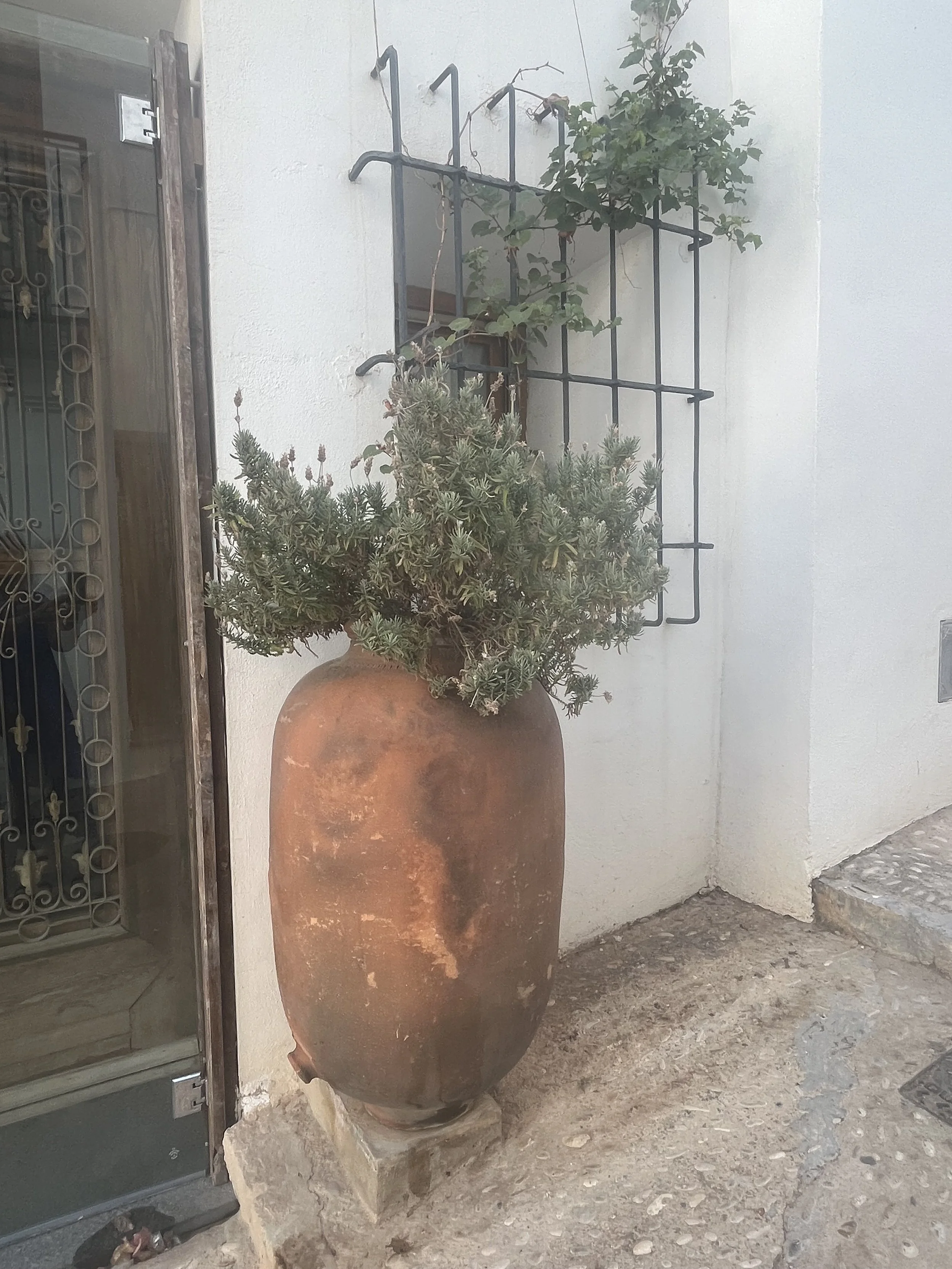
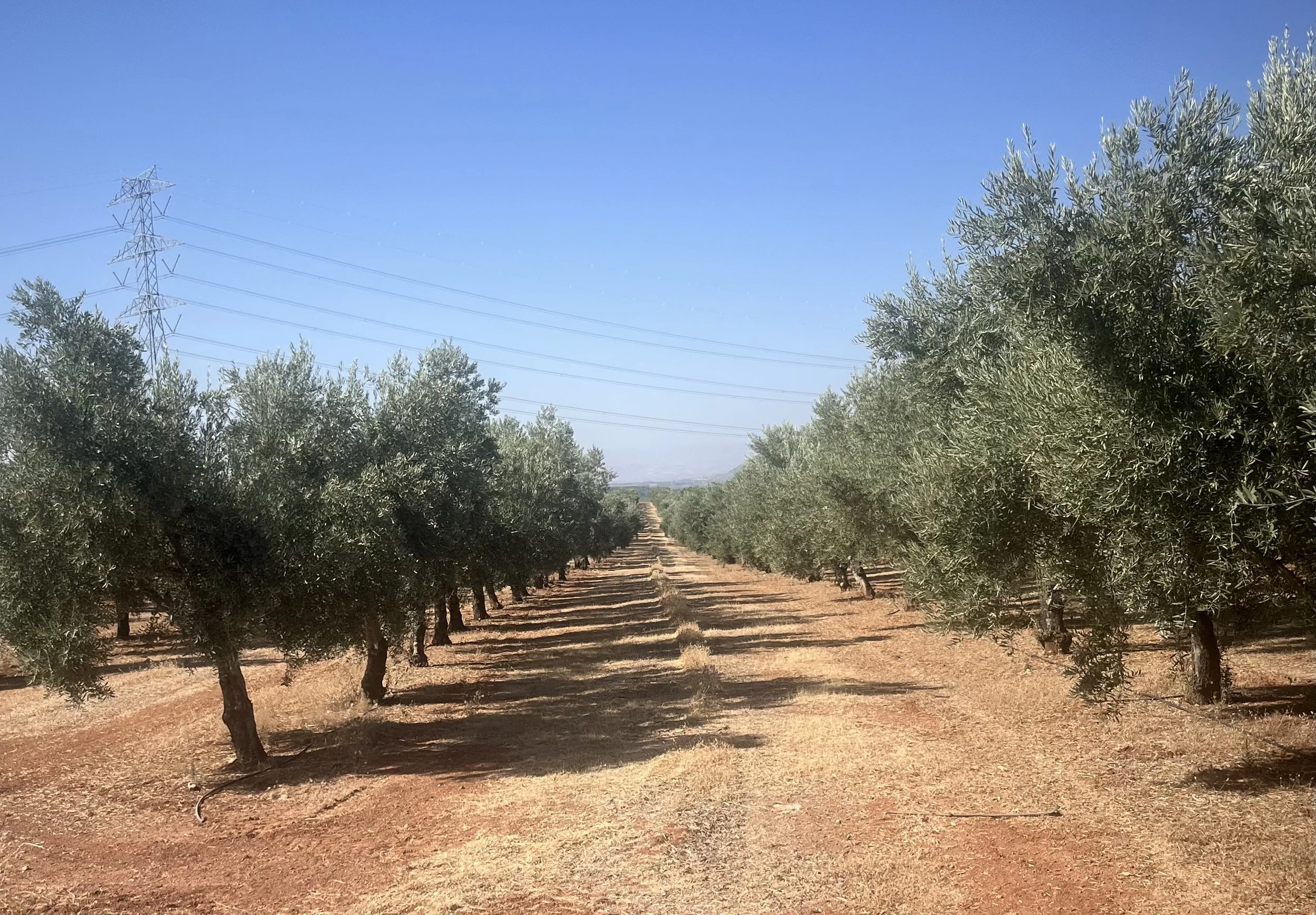
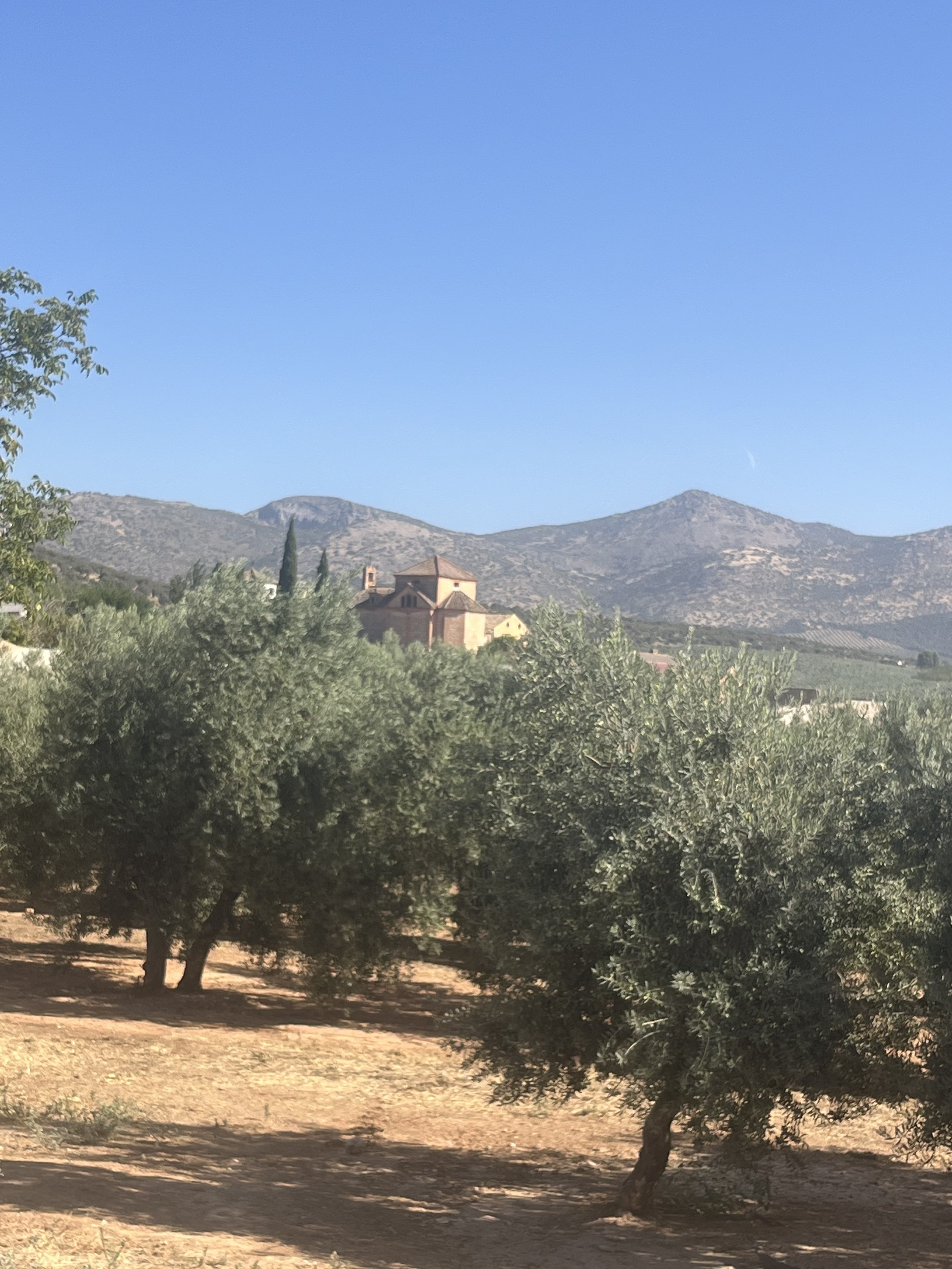
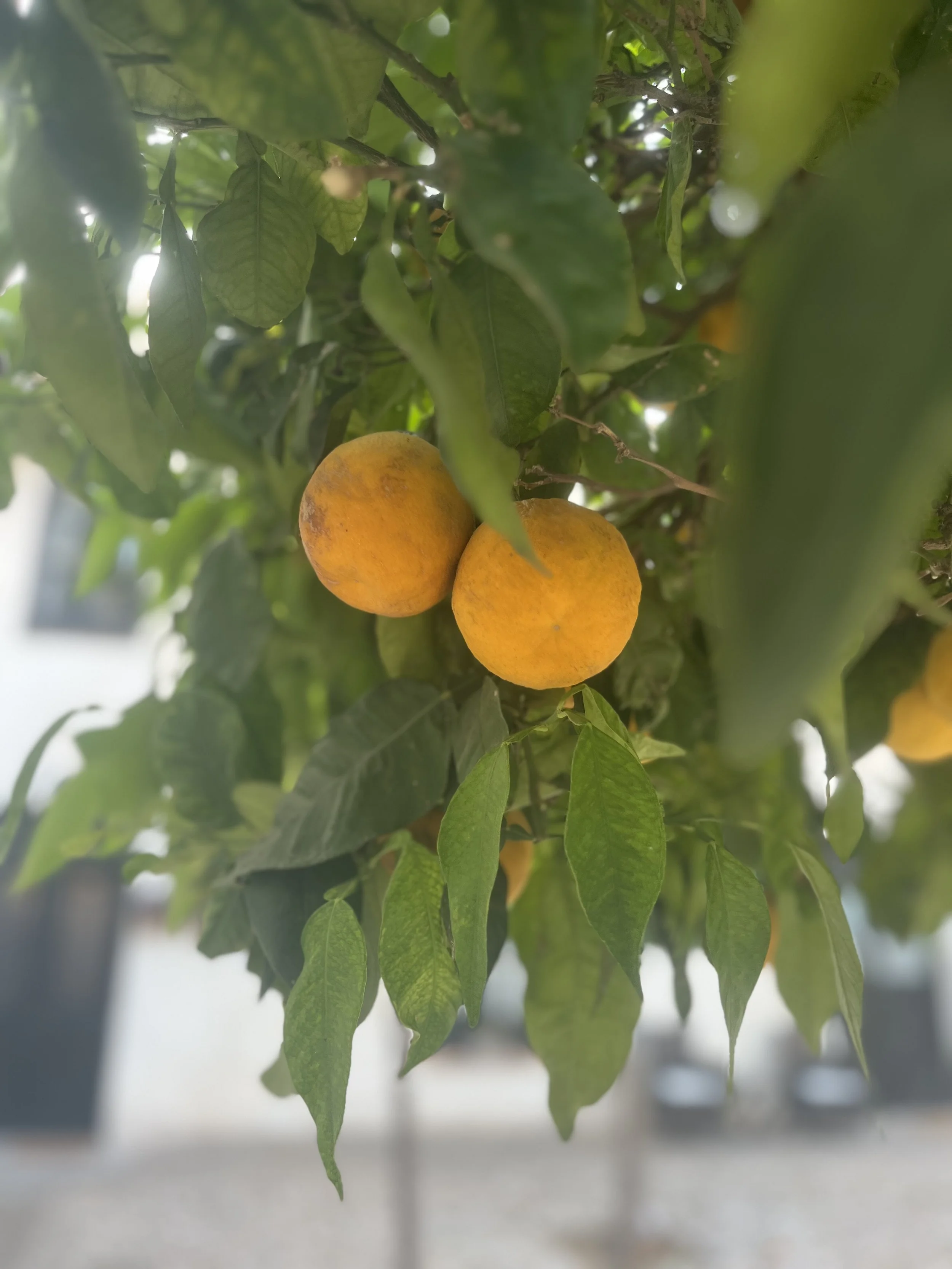
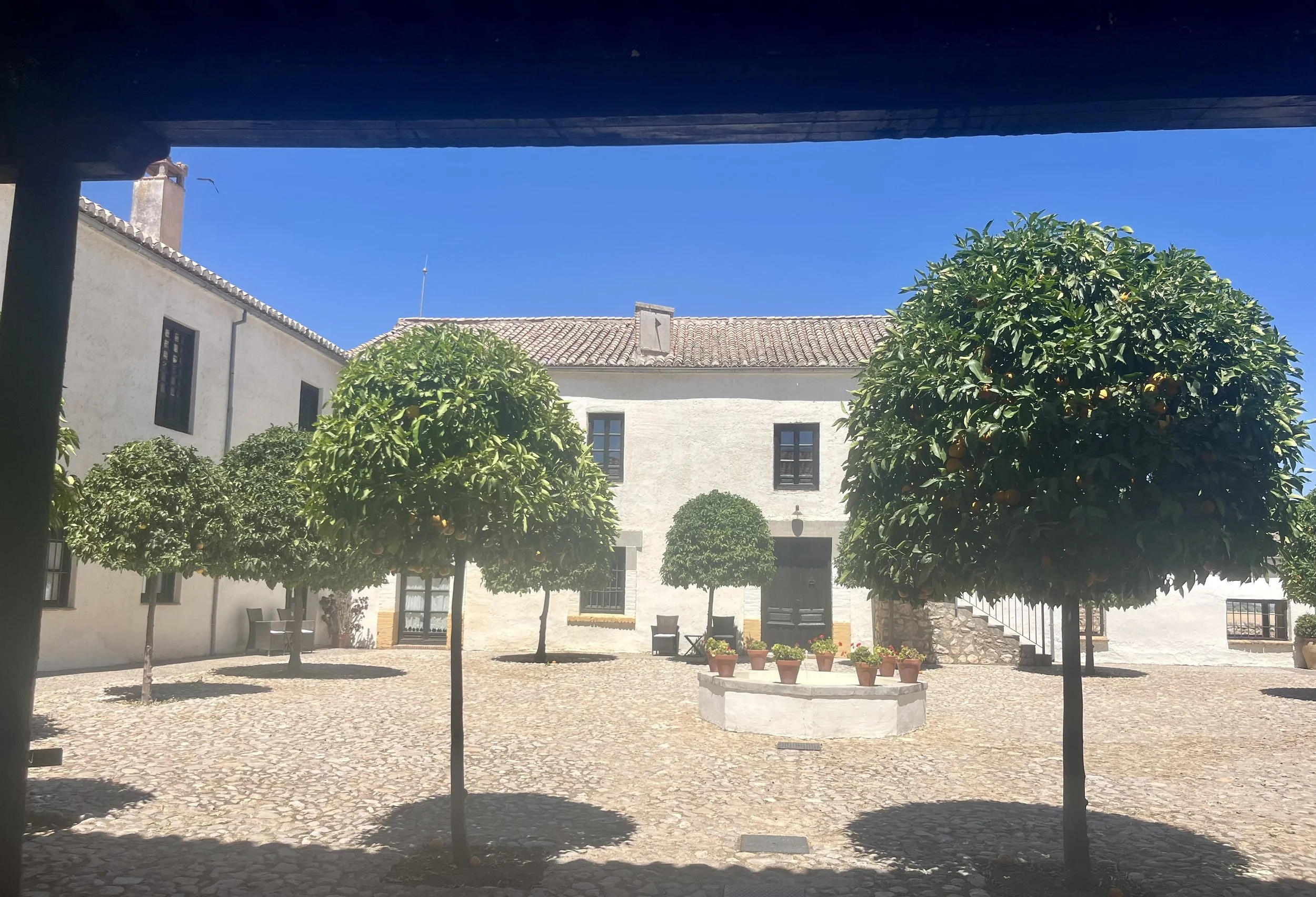
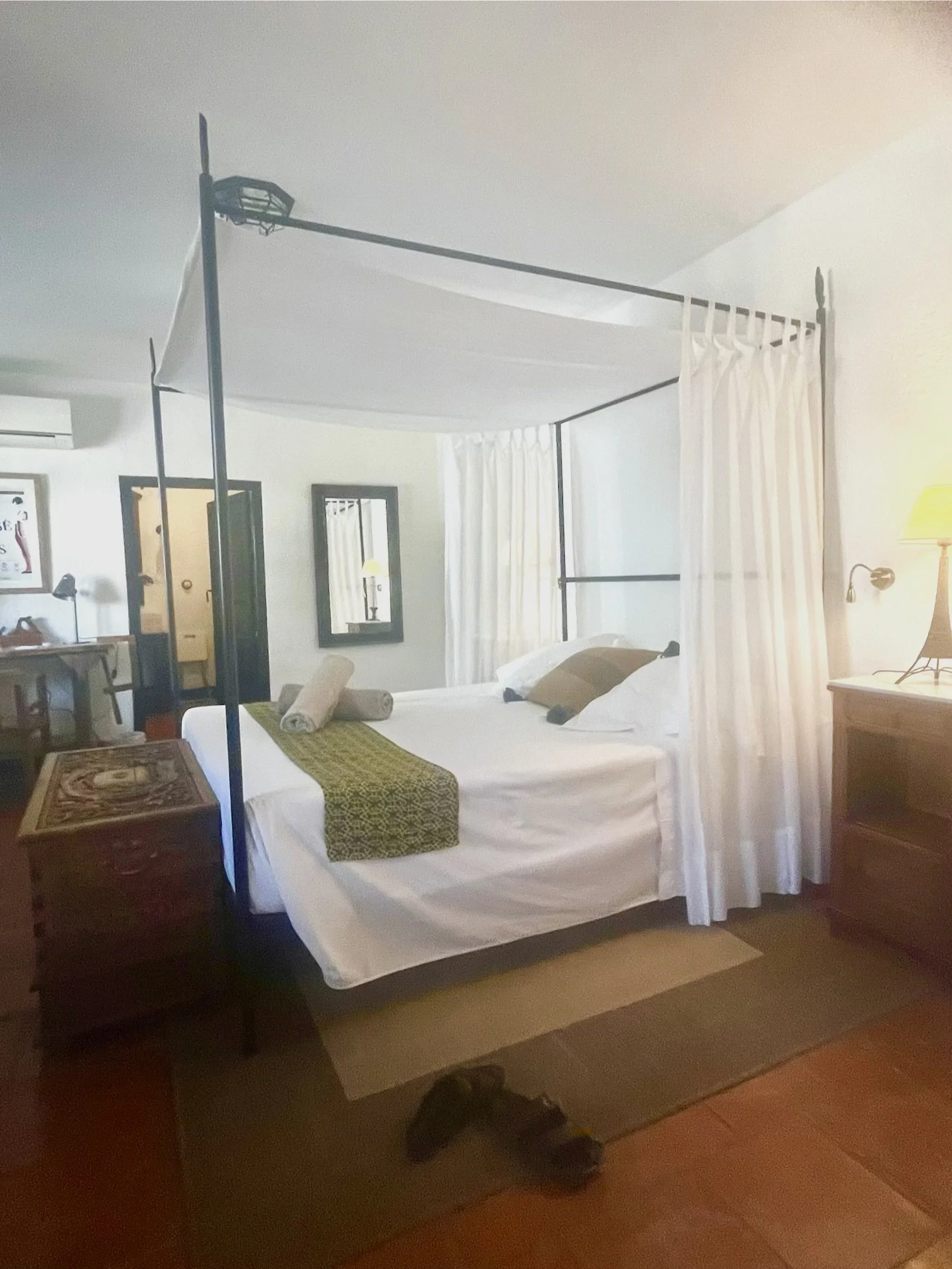
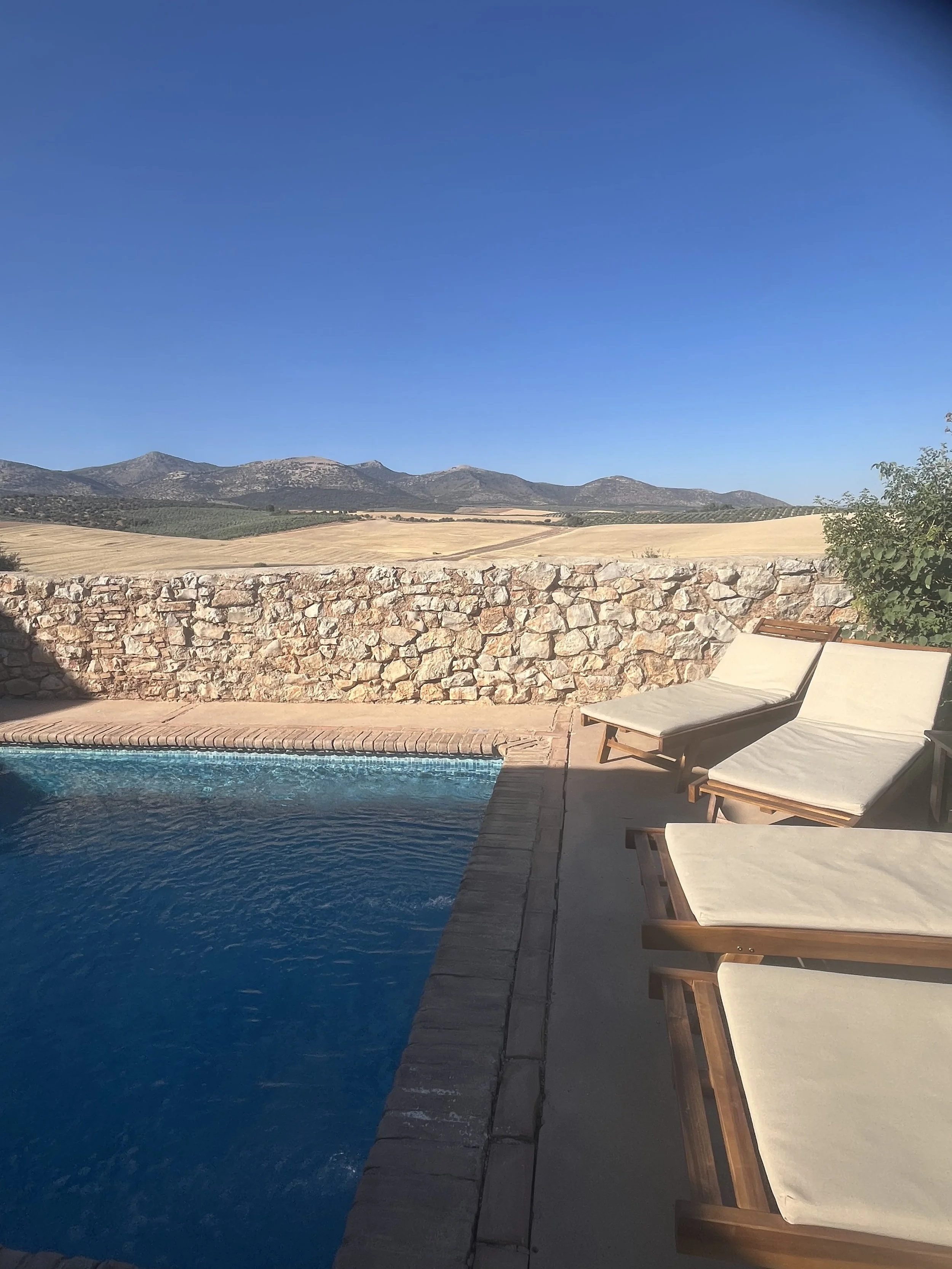
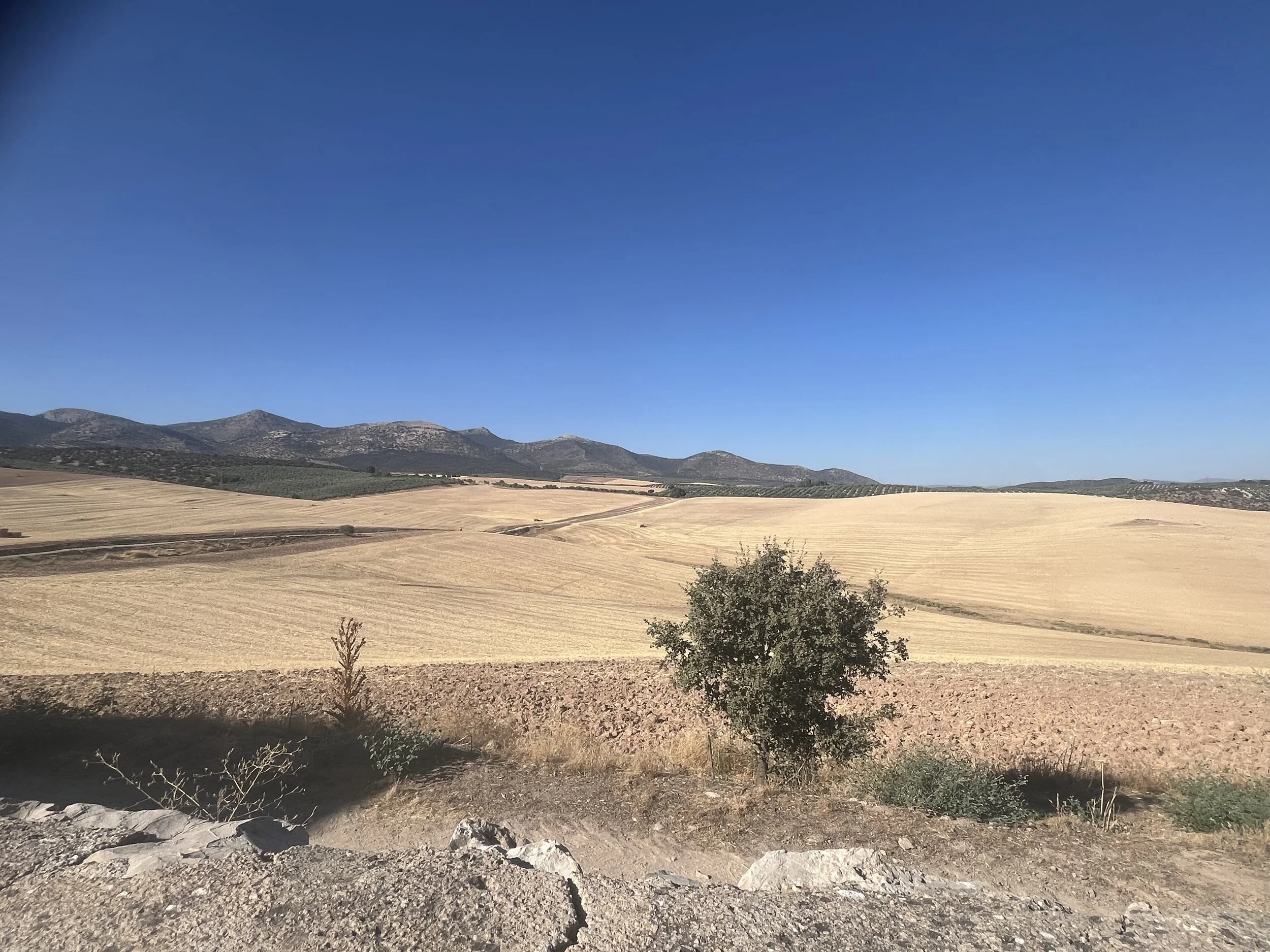
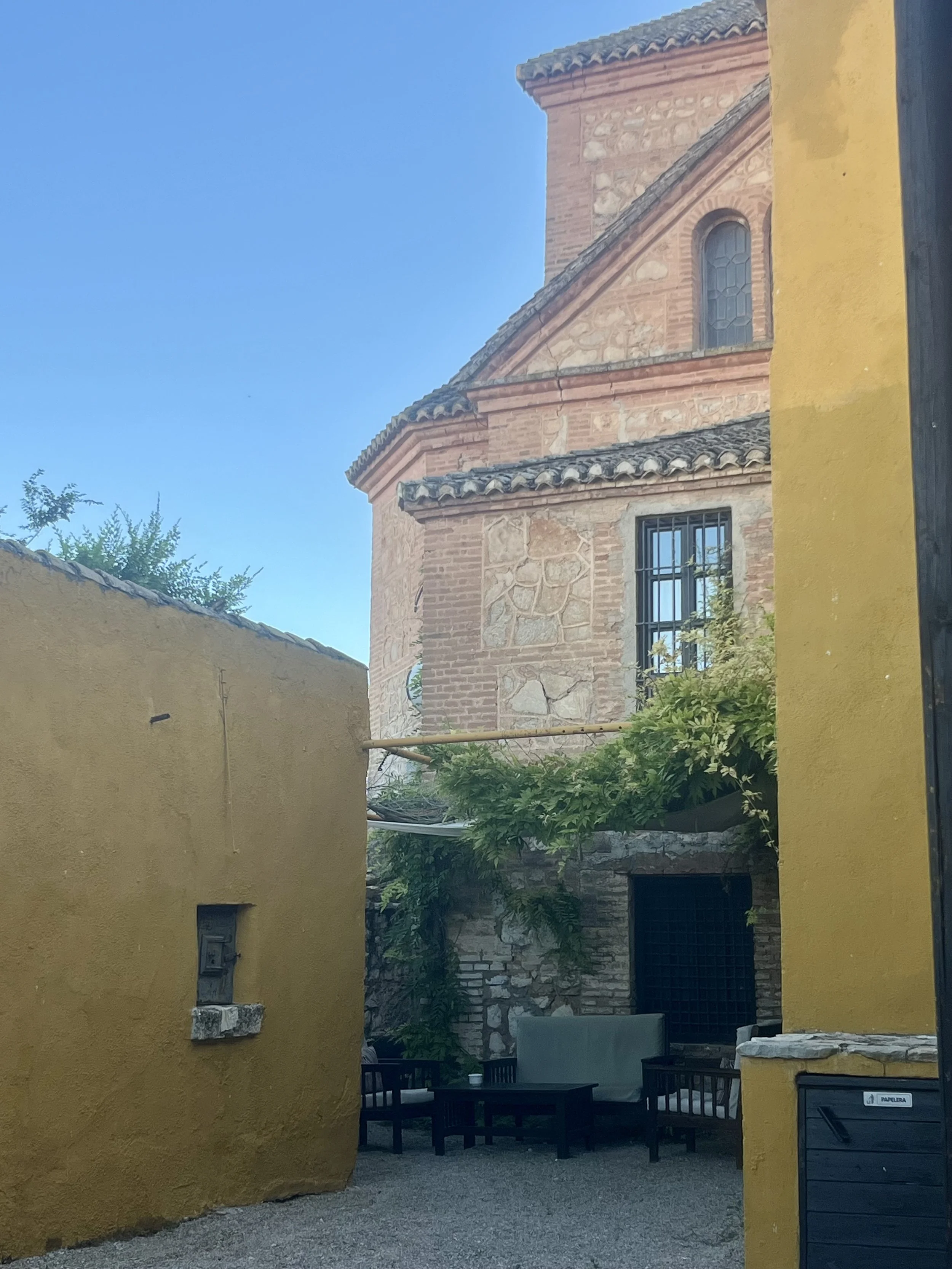
Once again, I had chosen accommodation outside the city. Within twenty minutes of leaving Granada we were surrounded by endless olive groves, and after following a four-kilometre farm road we arrived at our hotel. I was very glad to be there and it was absolutely wonderful. The Dutch owners had spent more than twenty years transforming the property into an oasis. With only fifteen bedrooms, a beautiful swimming pool and a large, cool bedrroom, we were more than happy to spend our afternoons relaxing there. Most guests chose to dine at the hotel each evening, as did we.
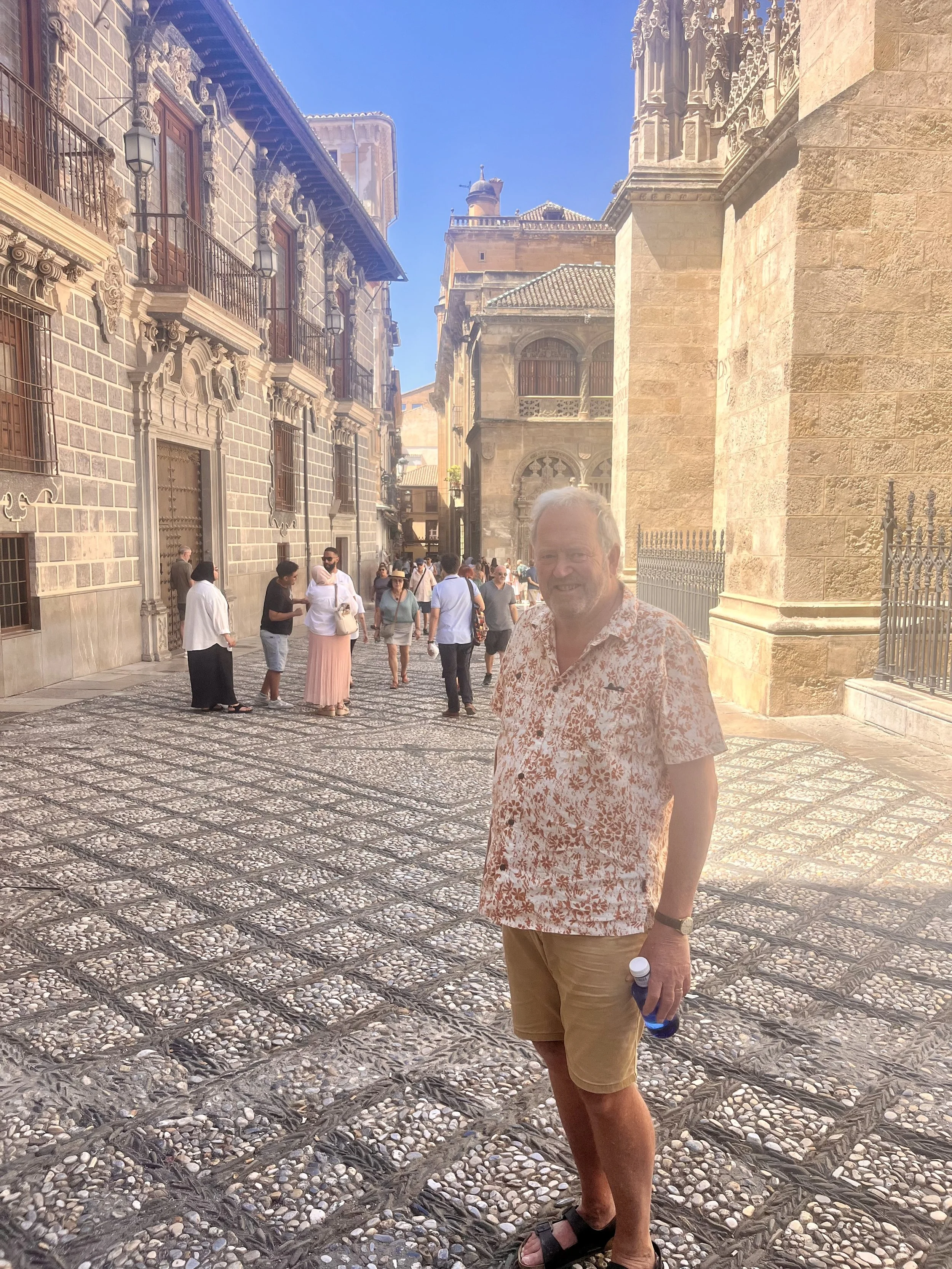
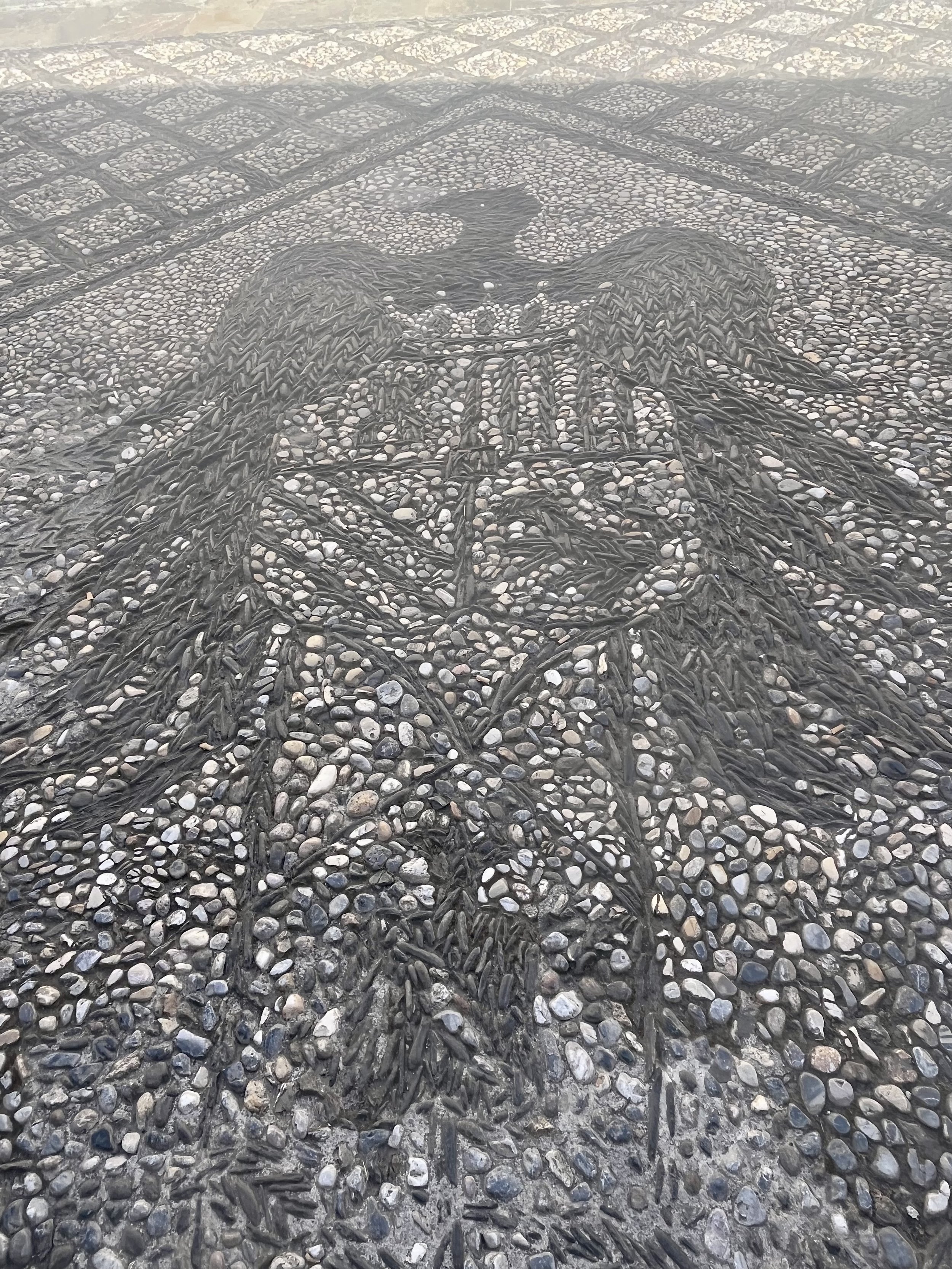
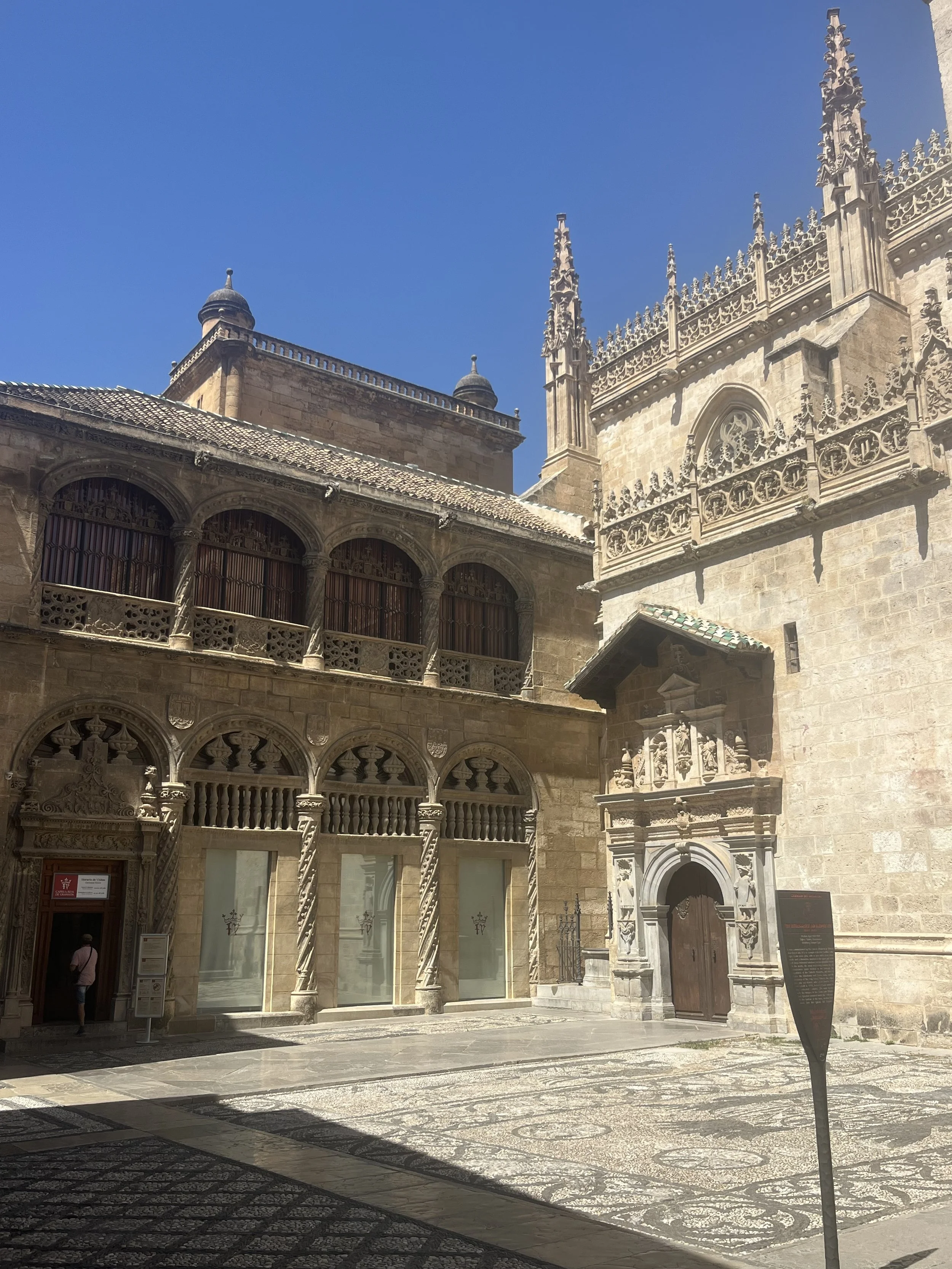
We devoted two days to exploring Granada and visiting the famous Alhambra. As it was Sunday, nearly all the shops were closed, making the city quieter, less crowded and very pleasant to wander through. Our highlights were undoubtedly the magnificent Cathedral and the Royal Chapel, where we learned much more about Isabella and Ferdinand, whose marriage united Spain and ultimately ended Moorish rule.
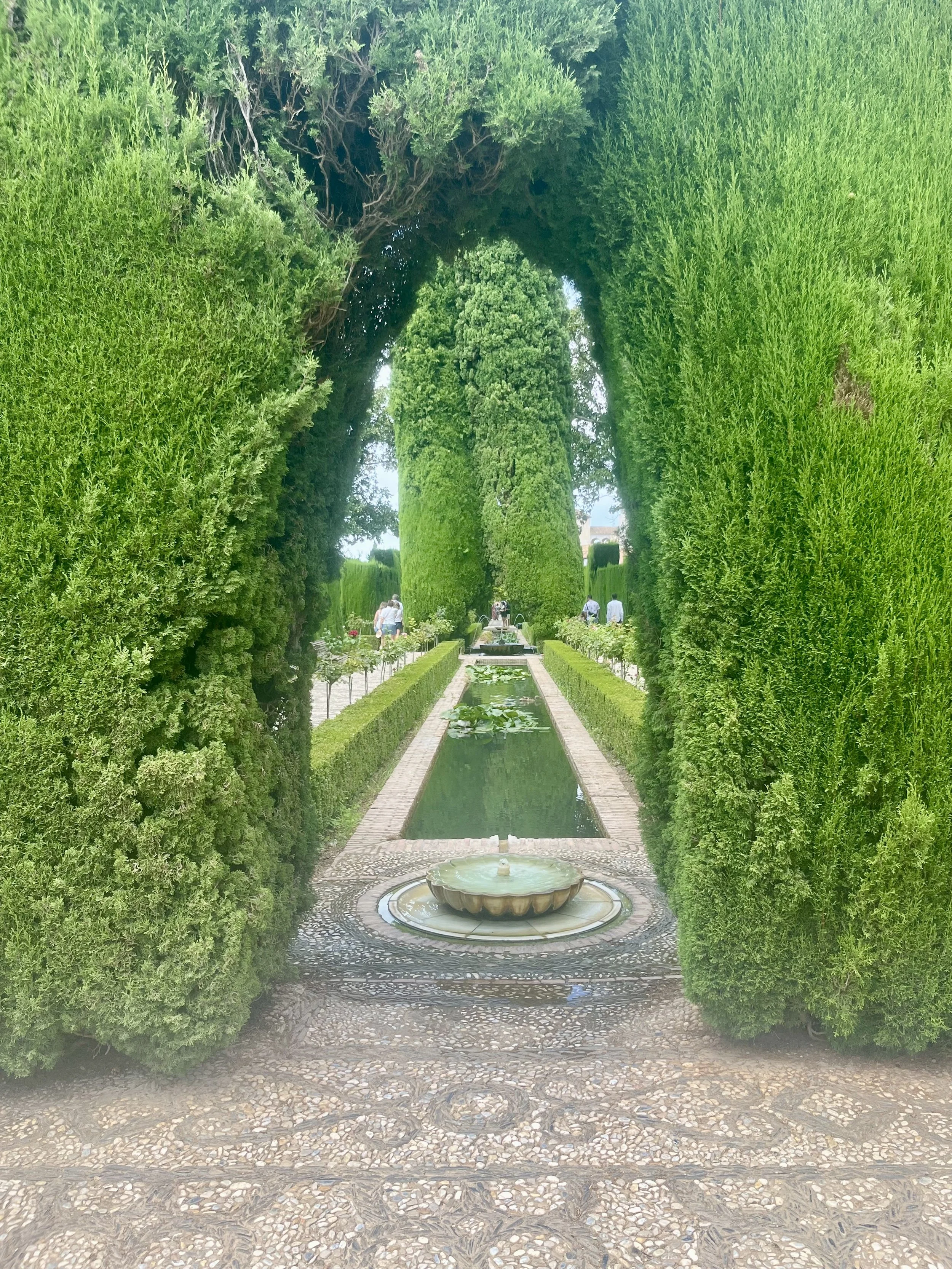
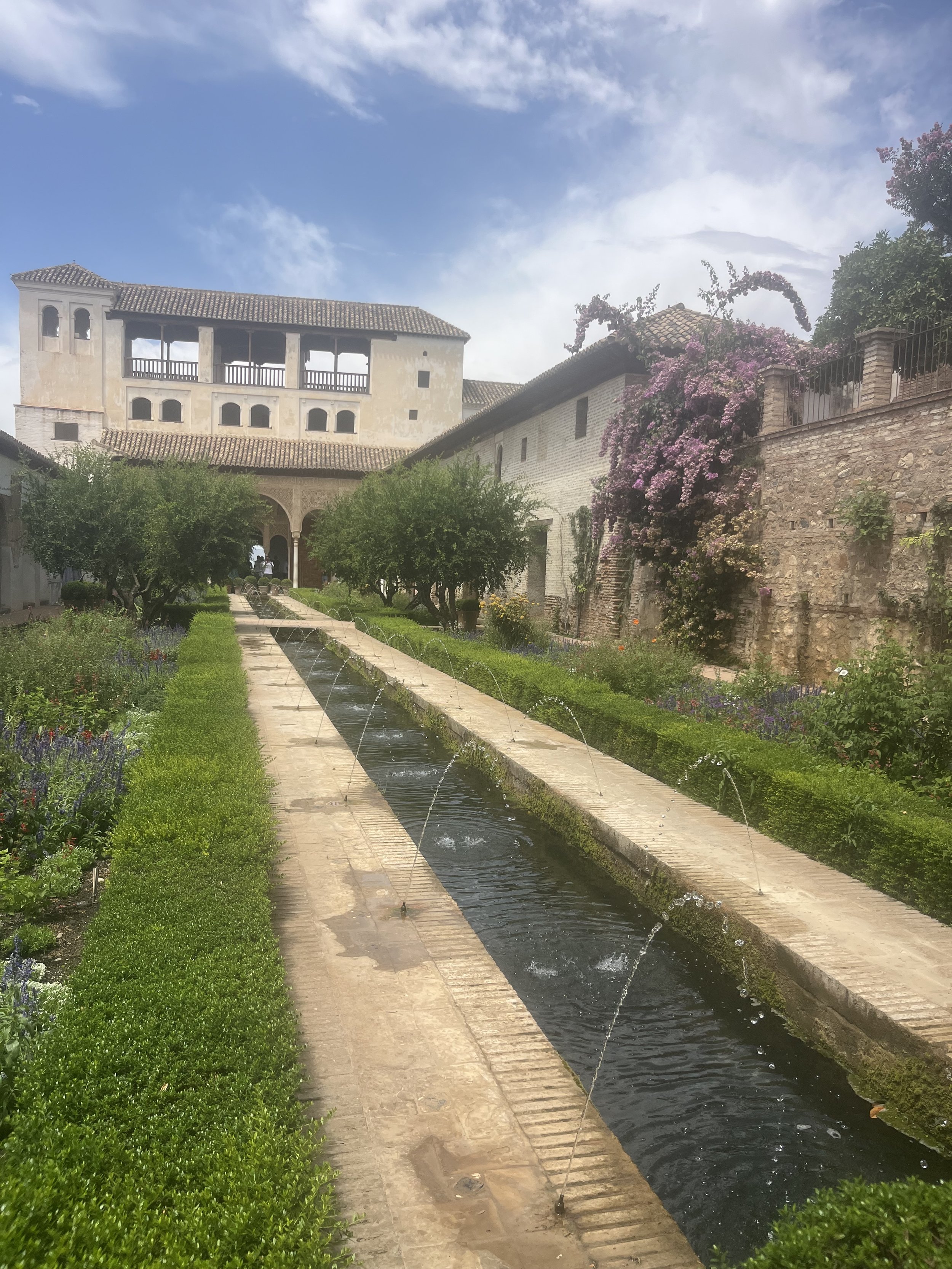
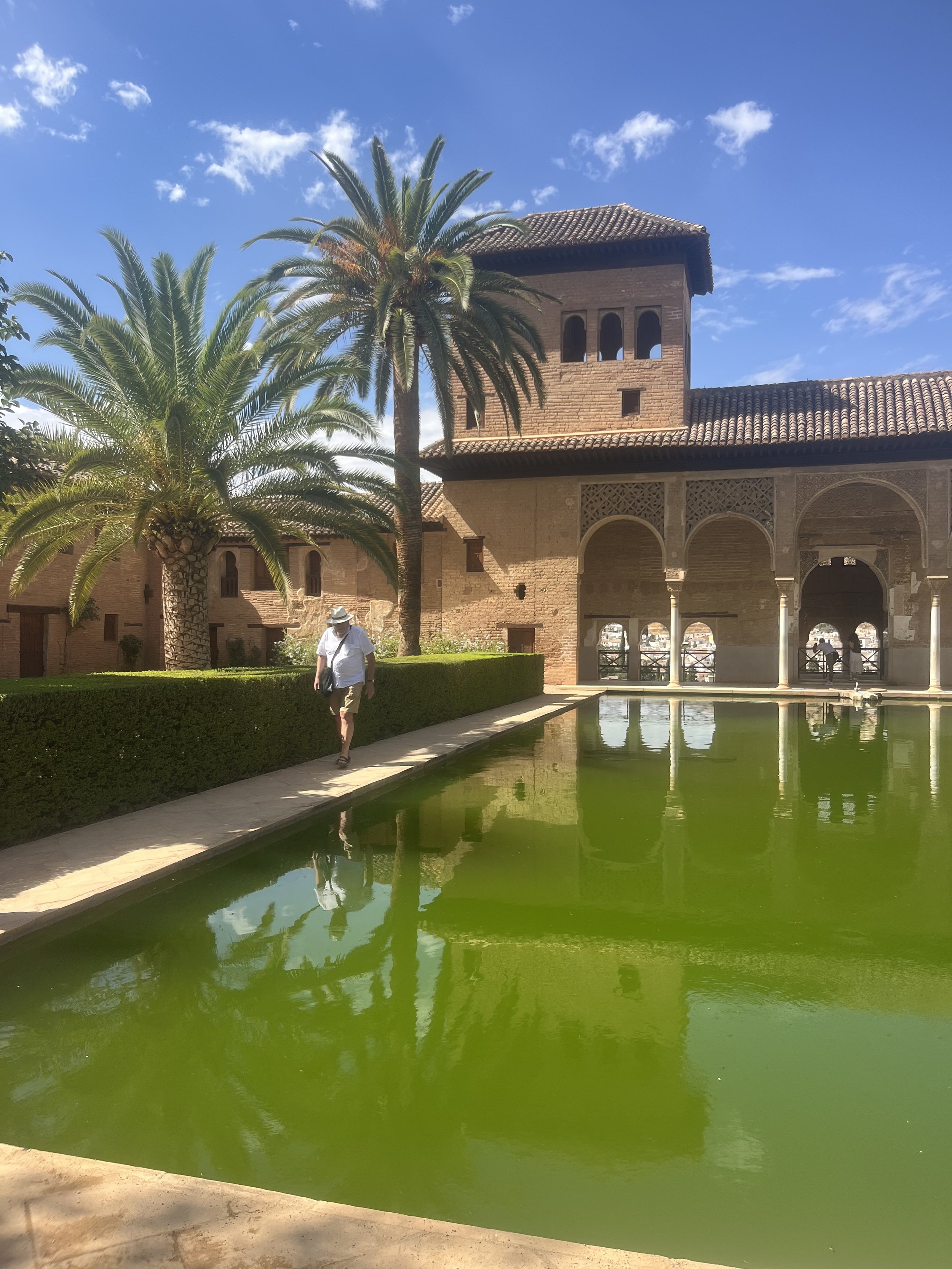
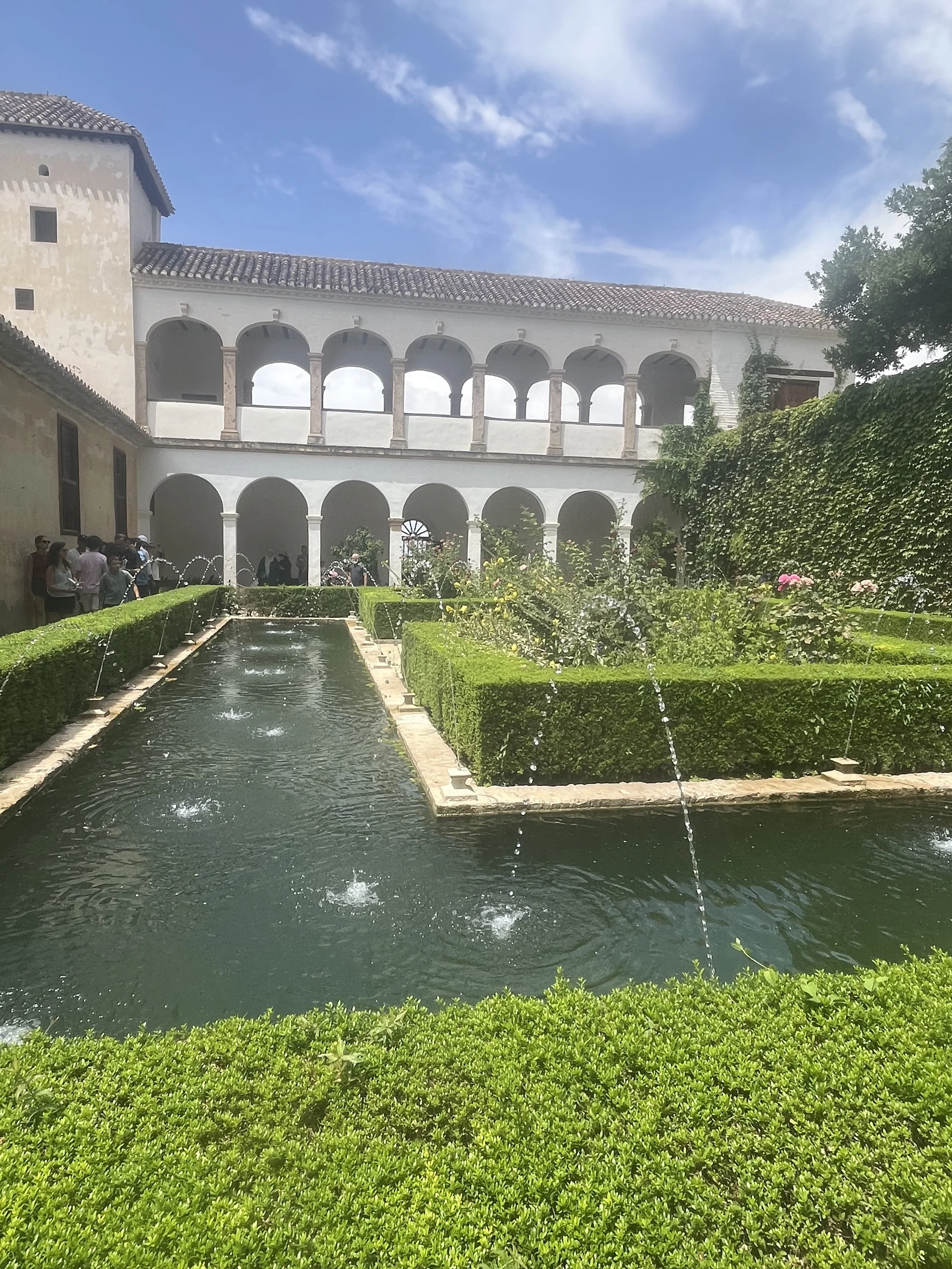
The Alhambra, however, is the reason people come to Granada. This extraordinary collection of palaces, gardens and fortresses overlooks the city and stands as a remarkable reminder of the eight centuries of Moorish rule before Isabella and Ferdinand finally brought that era to an end.
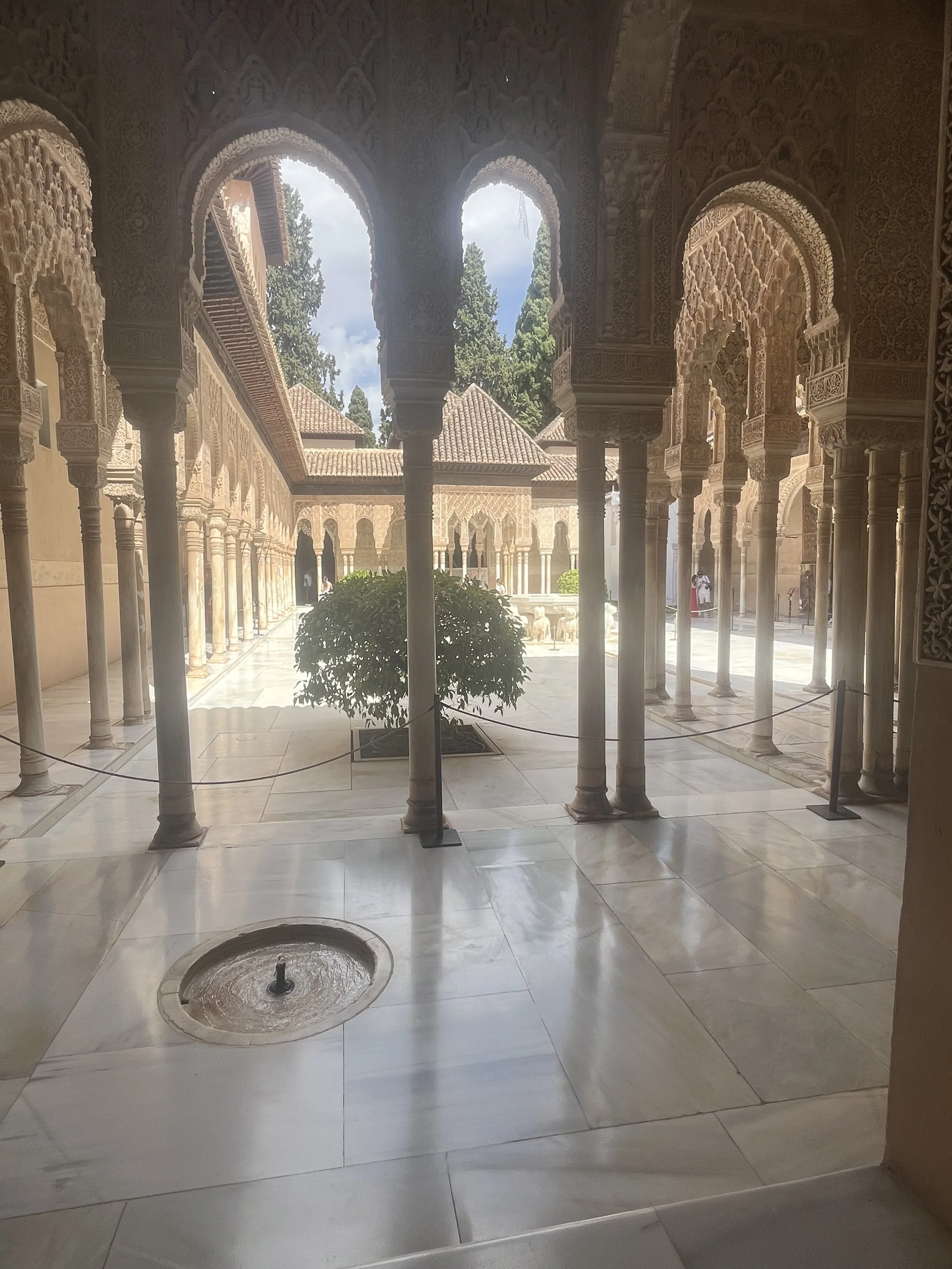
Entry to the magnificent Nasrid Palaces is strictly timed, while visitors are free to explore the surrounding gardens and fortifications at their own pace. We deliberately chose a late afternoon entry. By then the tour buses had departed, and we enjoyed a surprisingly peaceful visit, unlike so many overcrowded historic attractions.
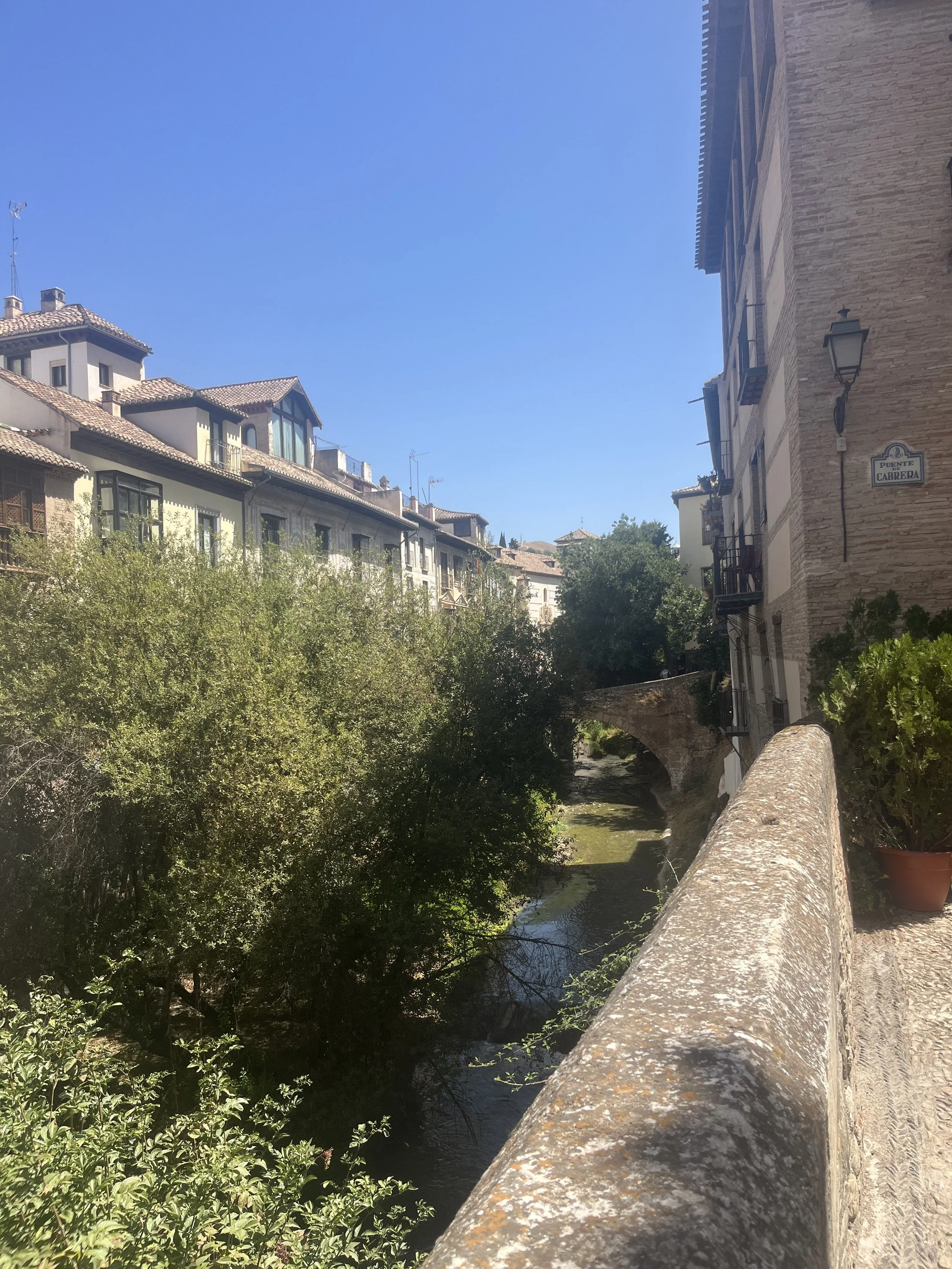
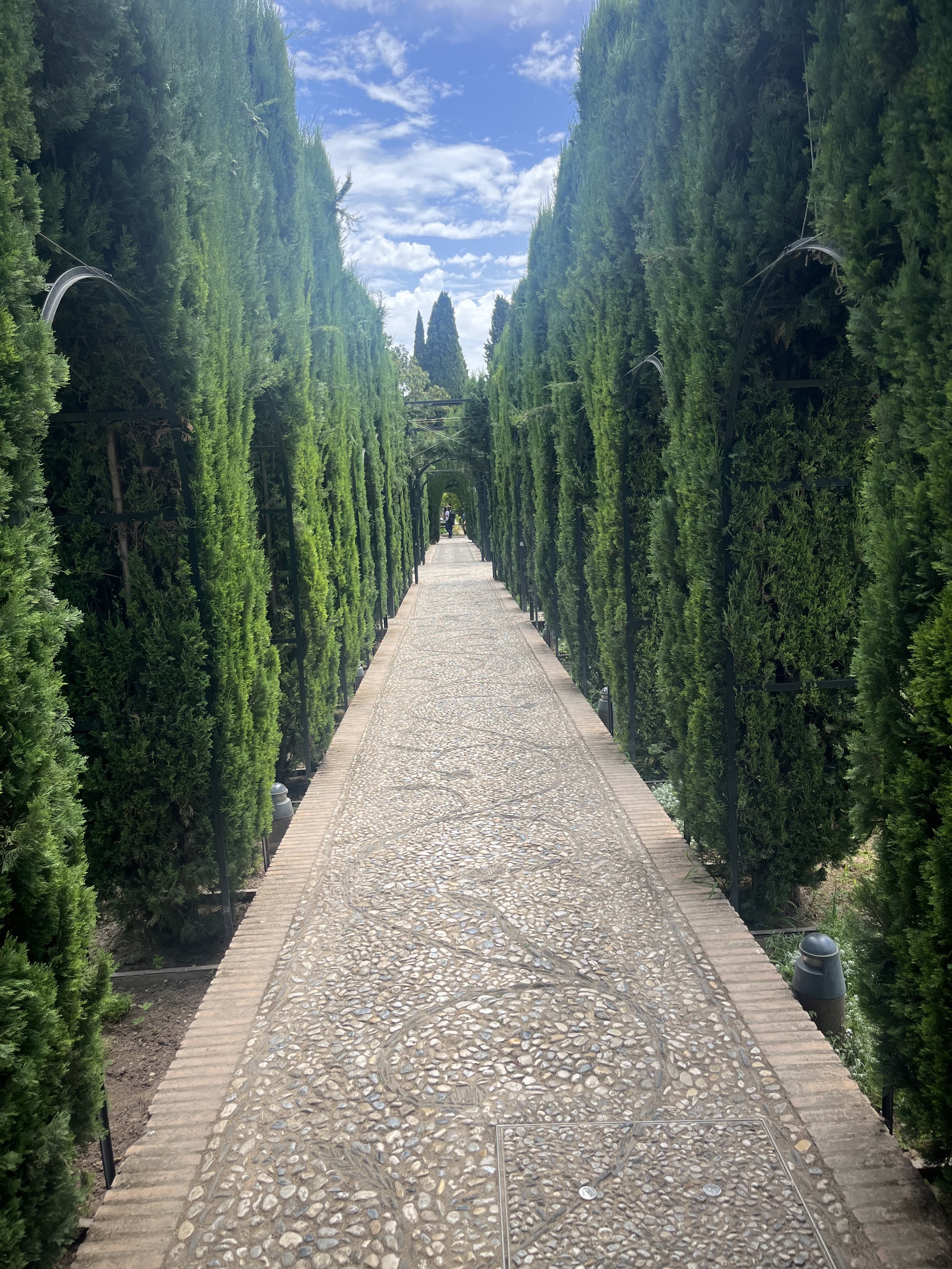
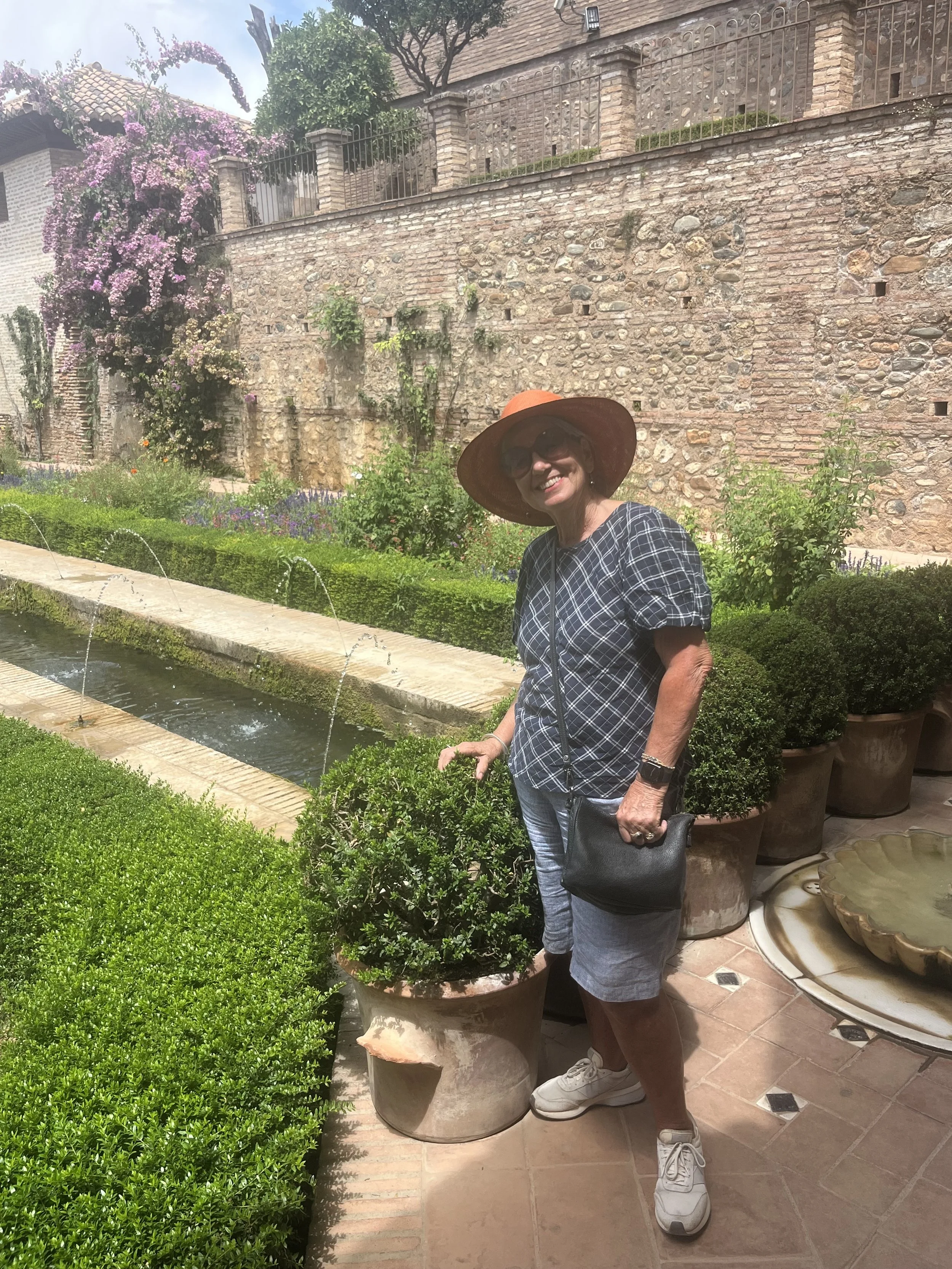
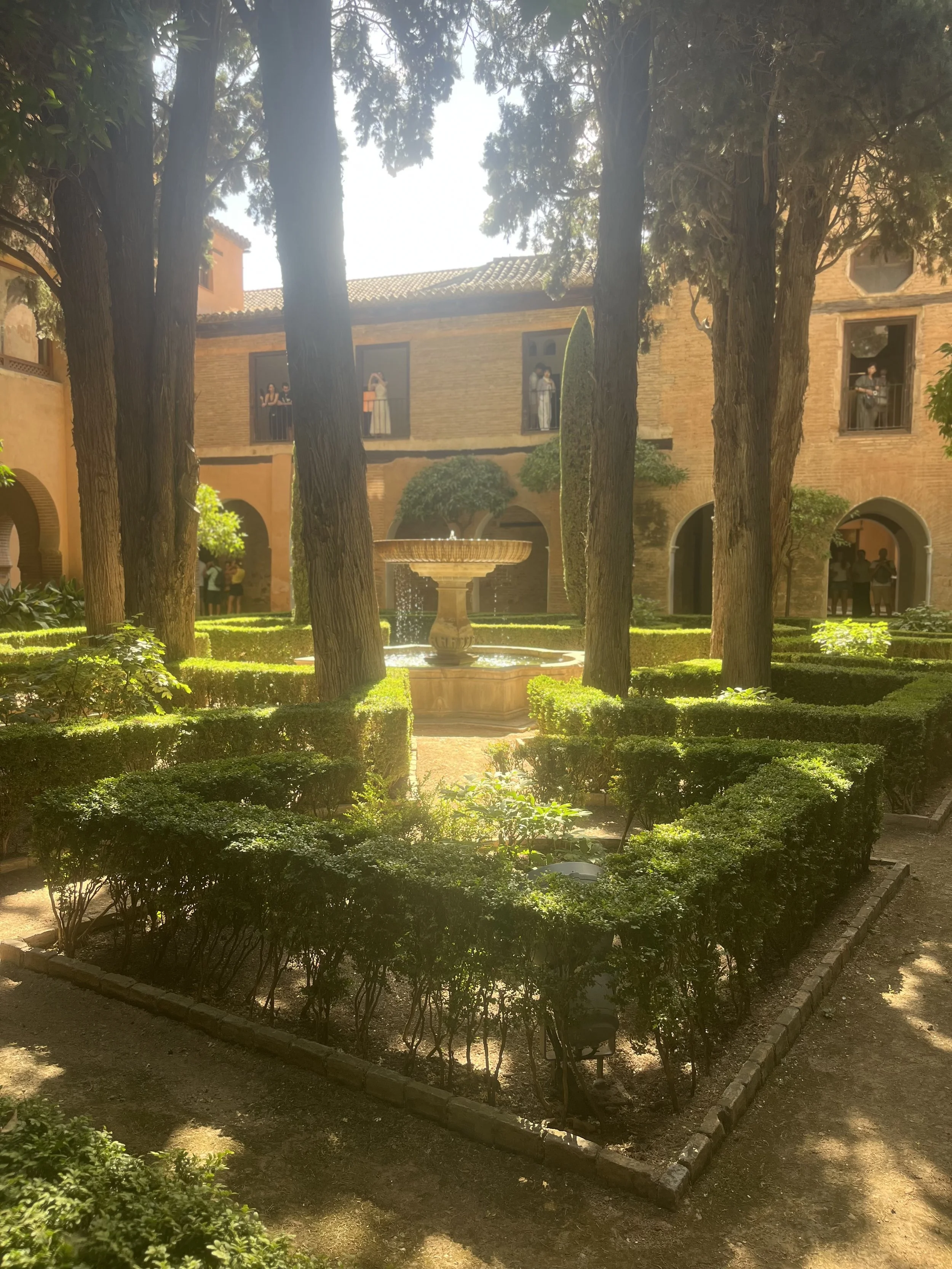
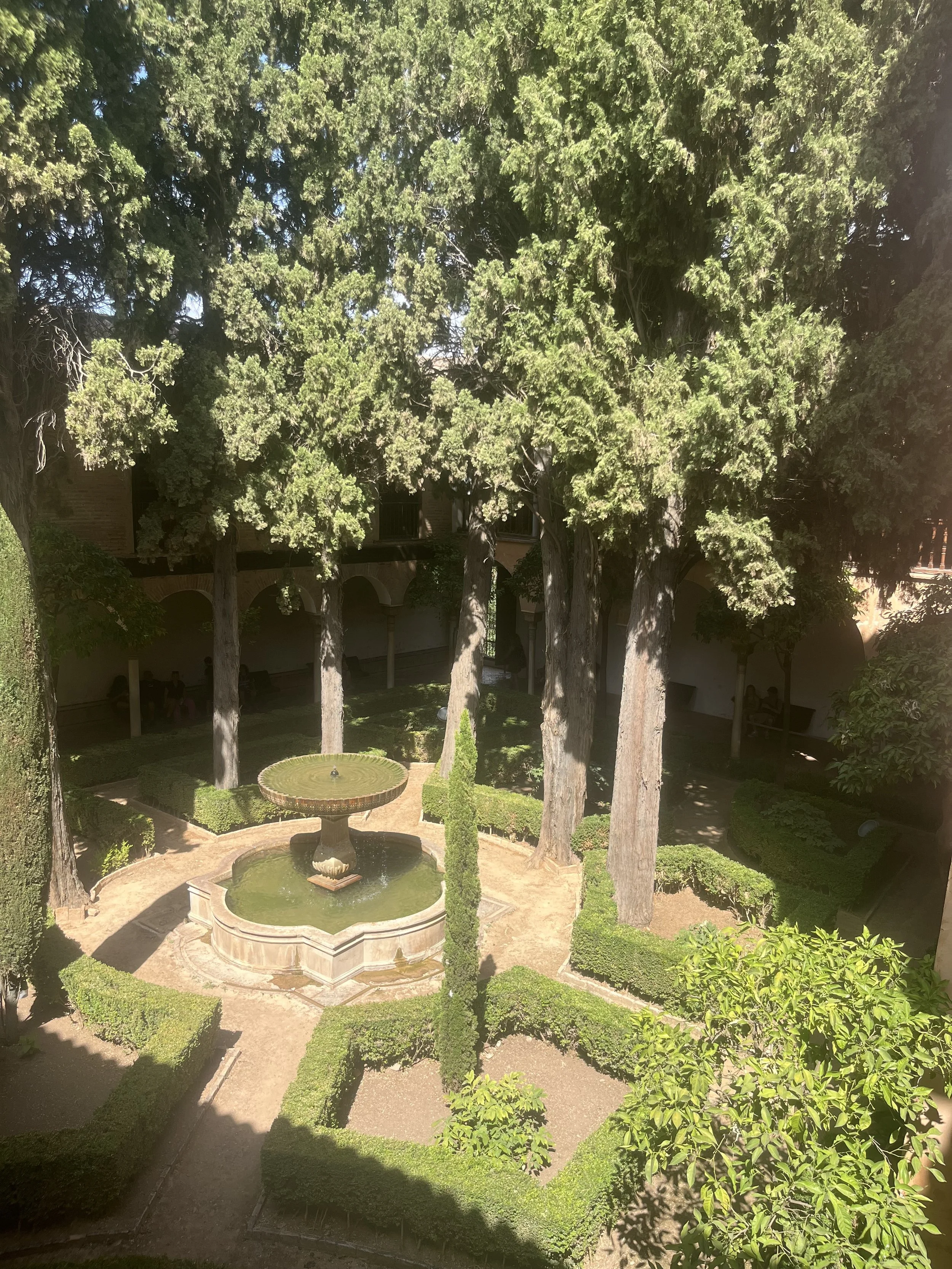
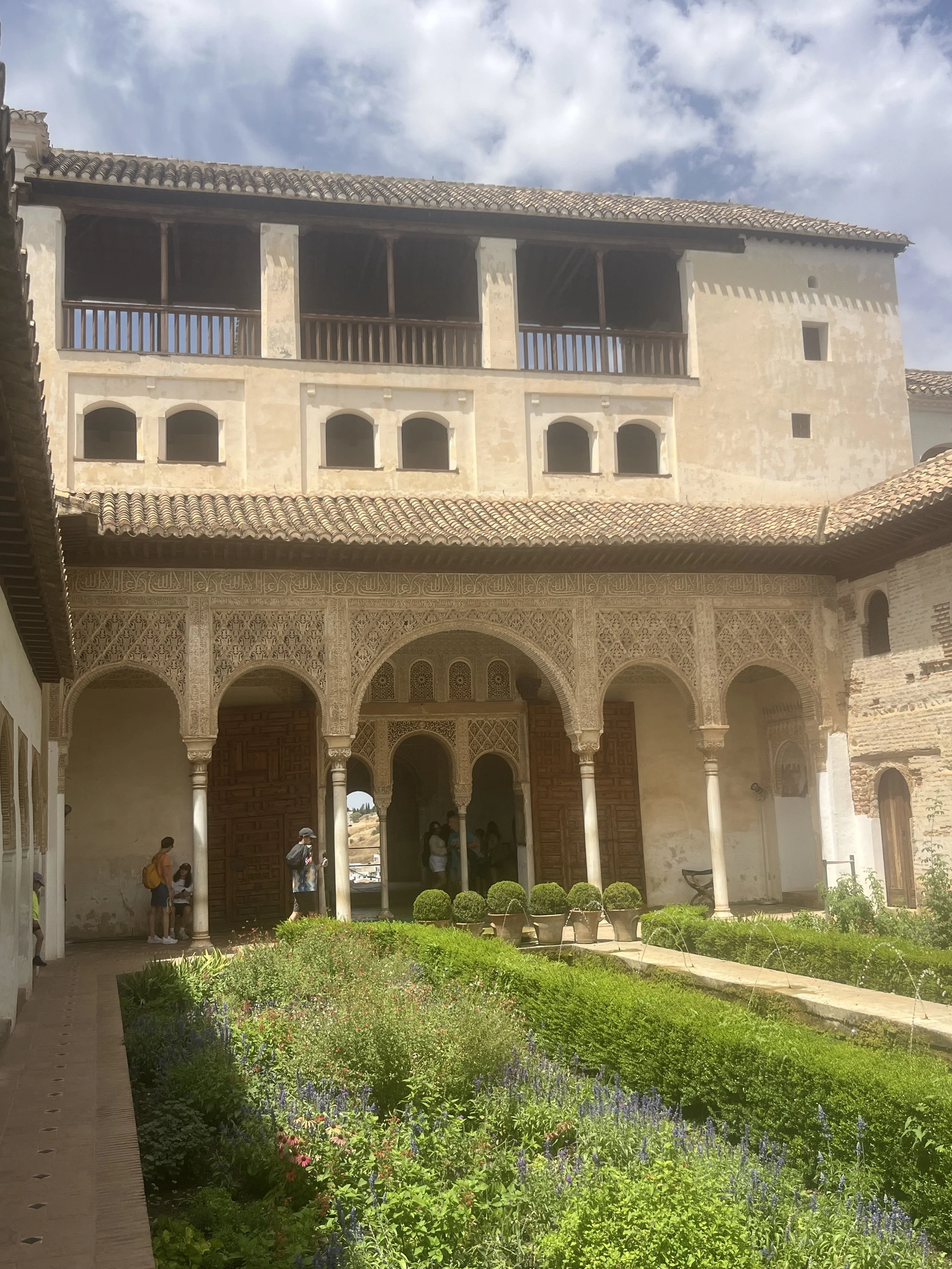
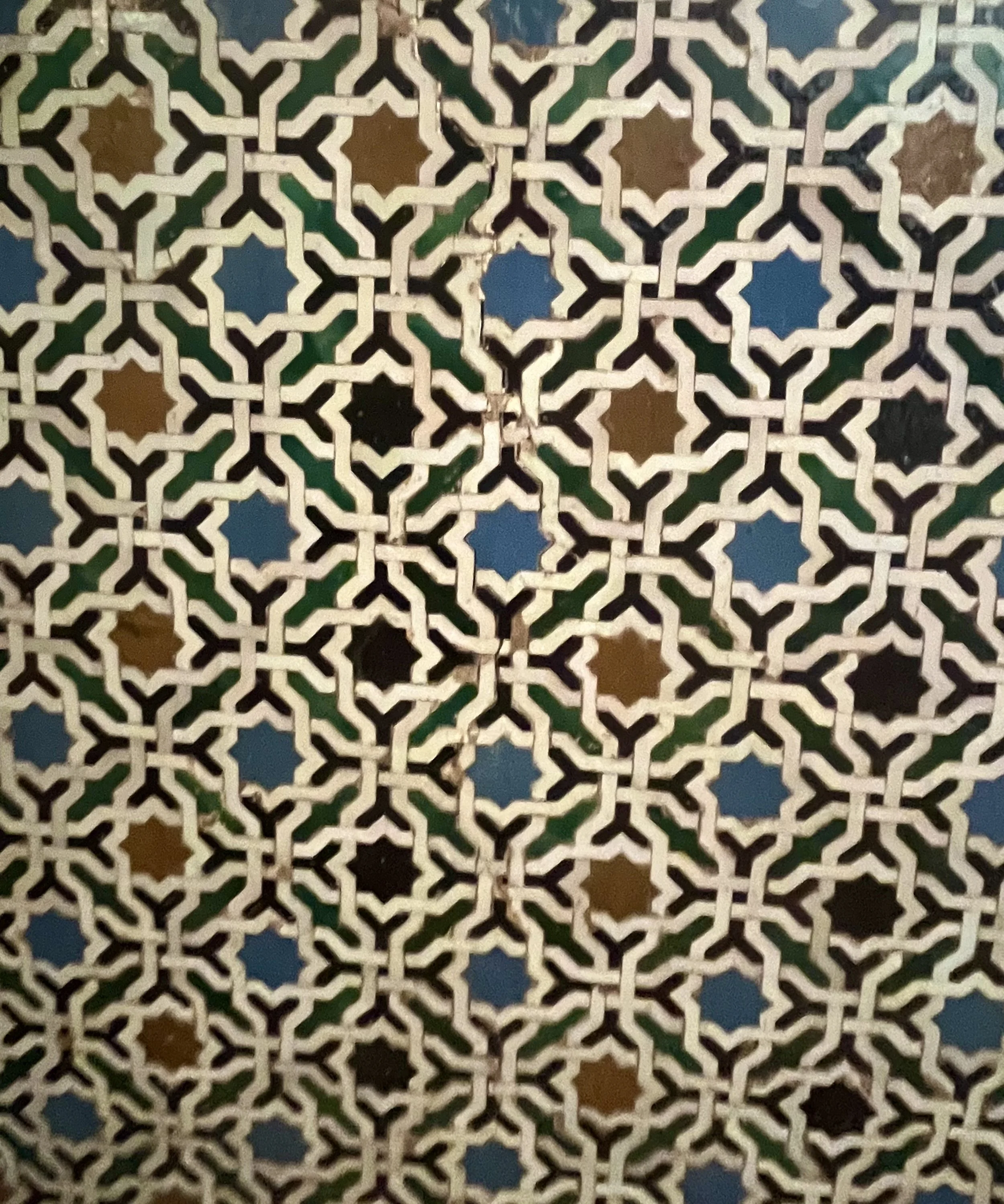
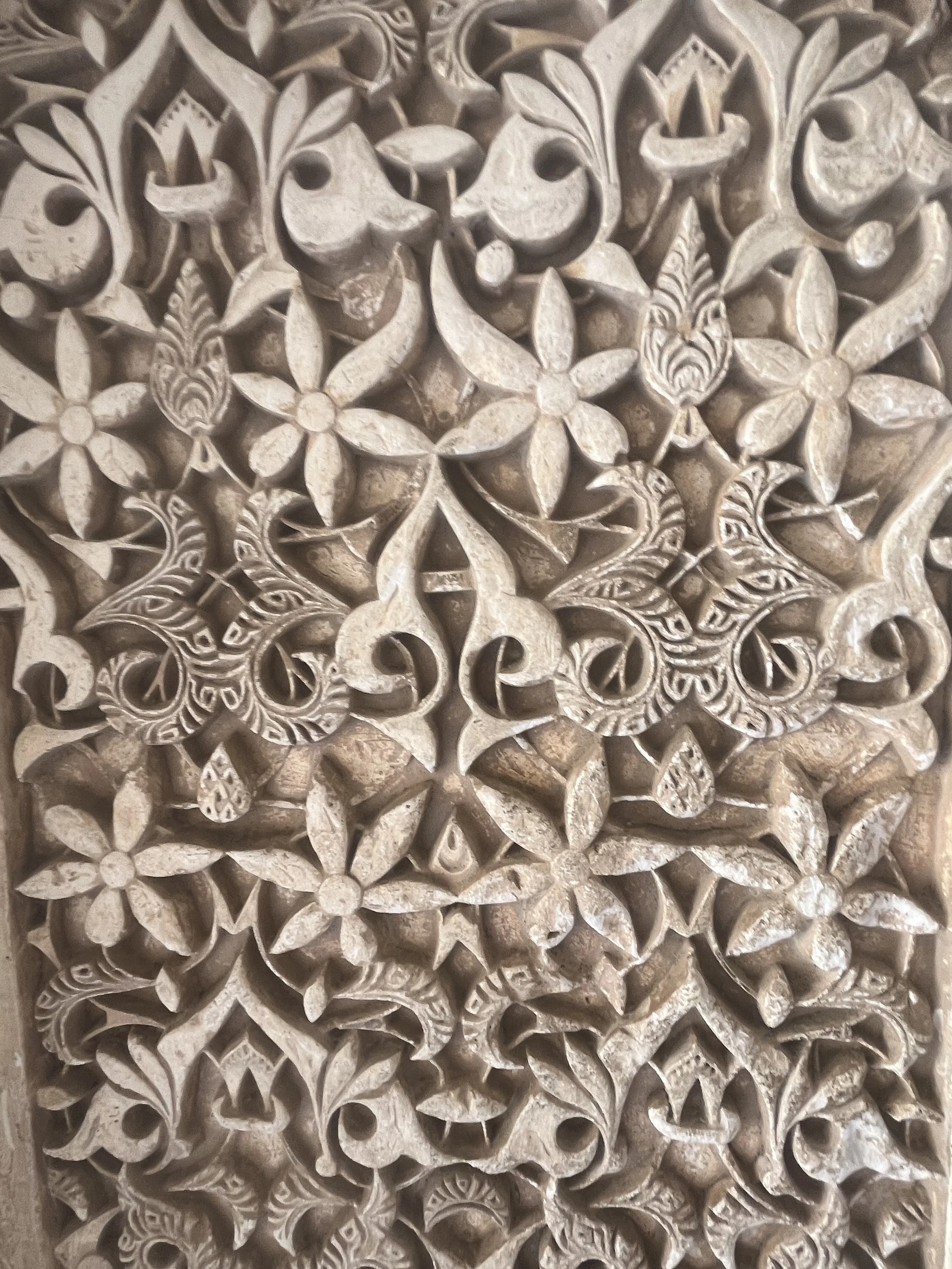
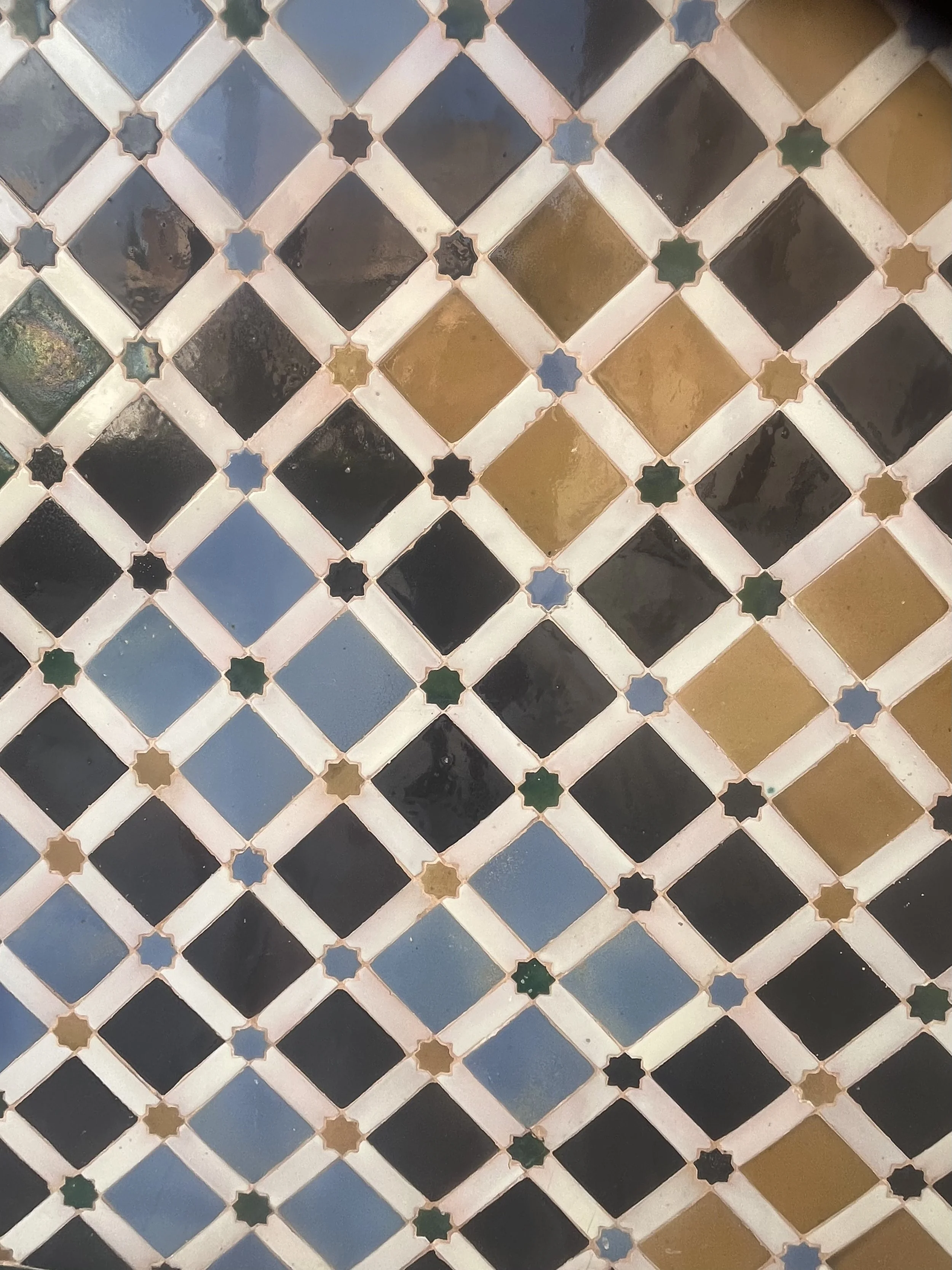
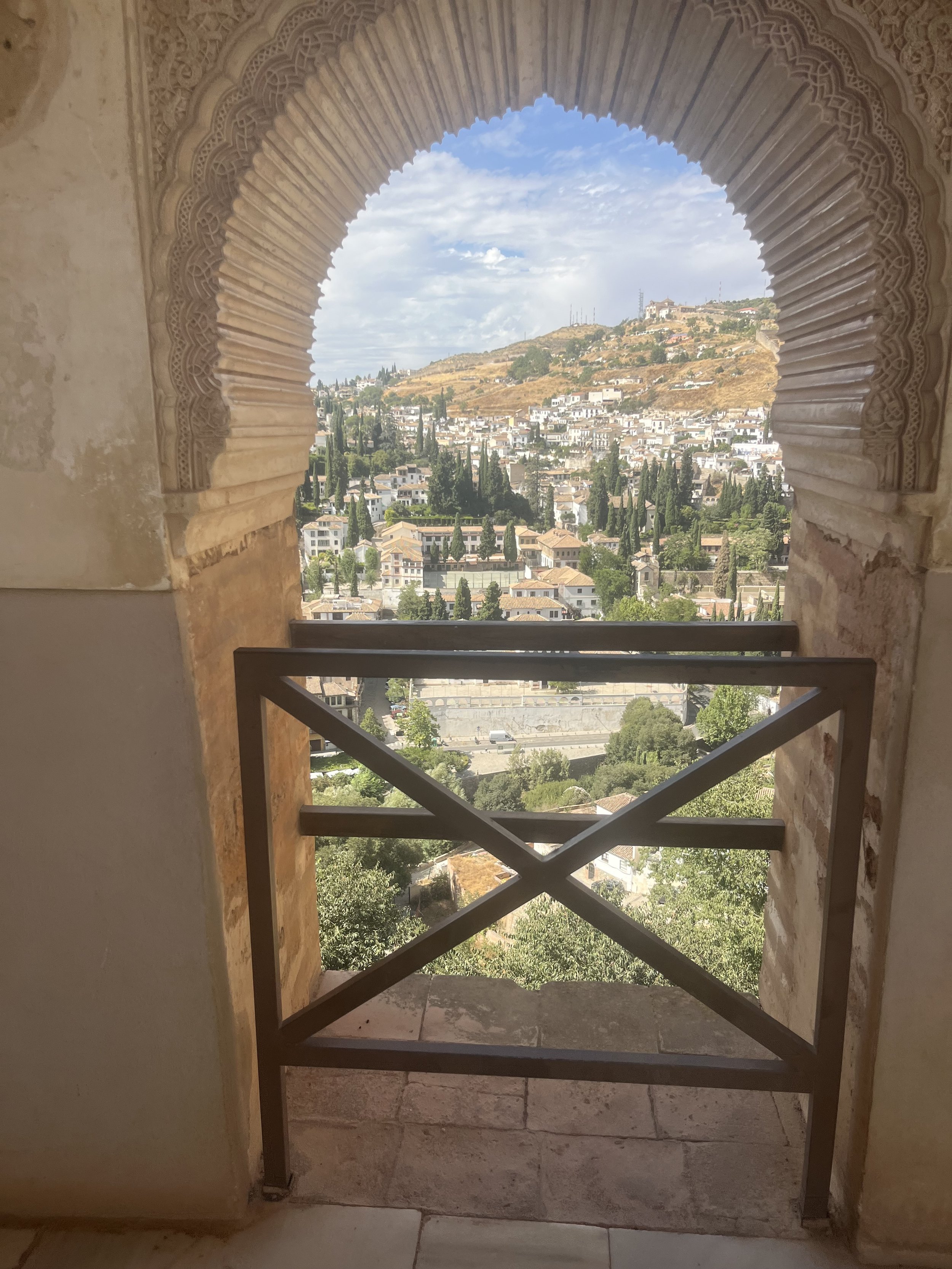
The exquisite craftsmanship throughout the palaces, with minute detailing on everywall and ceiling, the colours of the tiles, the continual flow of water and beauitful fountains and calm ‘green ‘ gardens all made for a breathtaking afternoon. The views across Granada's old Albaicín quarter are simply stunning. Looking down over the maze of narrow streets, it was hard to believe I had accidentally driven through some of them earlier that day after our navigation system sent us somewhere we definitely hadn't intended to go!
The Alhambra may be one of those destinations that people describe as a "tick-the-box" experience, but for us it was far more than that. It was unforgettable, and we left with a much deeper understanding of the remarkable history of this extraordinary city.
XXx Judith